The global recreational boat market continues to show steady growth momentum. According to the Recreational Boat Market Research Report 2025–2030, the market was valued at USD 37.4 billion in 2024 and is forecast to reach USD 55.2 billion by 2030, growing at a CAGR of 6.7%. The report includes data from 33 vendors, highlighting a highly concentrated and competitive industry landscape.
Major players such as Azimut-Benetti Group, BENETEAU, Brunswick Corporation, Ferretti Group, and Yamaha Motor dominate the market through strong brand recognition, global distribution networks, and continuous product innovation. Competition is increasingly driven by technology, user experience, and expansion into tourism- and resort-based boating models.
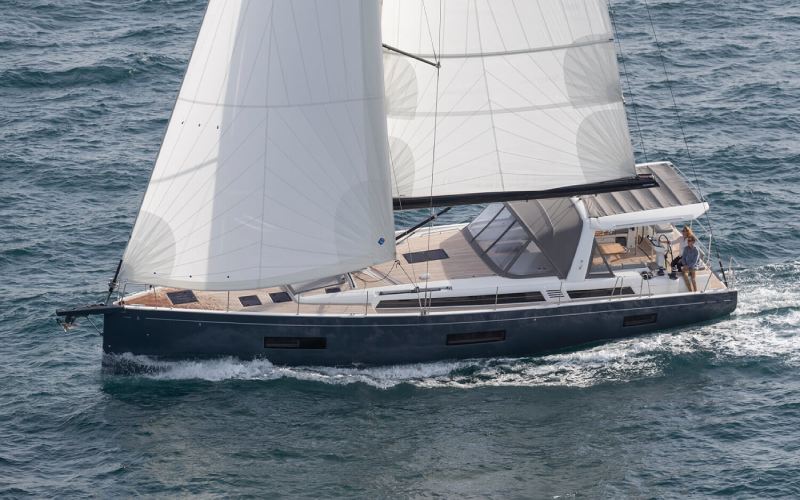
Key market trends include the integration of smart technology and connectivity, enabling real-time monitoring, AI-assisted navigation, and predictive maintenance, as well as the growing adoption of electric and hybrid propulsion systems. These technologies enhance safety, reduce operating costs, and support emission-free cruising at lower speeds.
Market growth is supported by rising participation in water sports and leisure activities, particularly among younger demographics, and the continued expansion of travel and marine tourism. However, high purchase and ownership costs remain a constraint, encouraging alternative models such as rentals, boat clubs, and fractional ownership.
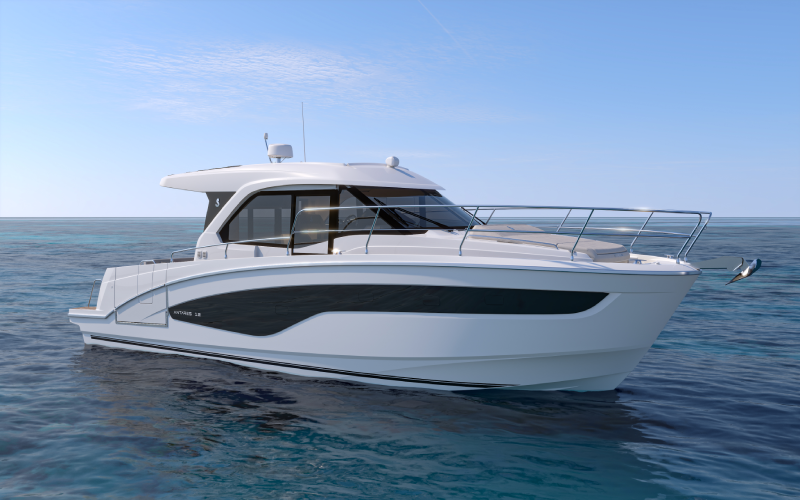
Regionally, North America accounted for over 46% of global market share in 2024, driven by high disposable incomes and rapid adoption of advanced boat technologies. Meanwhile, the Middle East & Africa is expected to record the fastest growth, with a projected CAGR of 8.0%, supported by tourism investment and demand for premium recreational boating experiences.
Recent European figures also indicate resilient demand in selected regional markets. Marine Business reported that Spain recorded 2,228 recreational boat registrations between January and May 2026, representing year-on-year growth of 10.6%. The strongest percentage gains were seen in vessels over 12 metres, suggesting that demand for larger recreational boats remains relatively robust in parts of Southern Europe.