Quick Answer
A yacht's annual running cost is usually estimated as 10%–20% of the yacht's value per year, depending on size, age, usage, crew and cruising region. A $1 million yacht may cost around $100,000–$200,000 per year to operate, while a 100ft+ superyacht can exceed 20% of value annually when crew, fuel, berthing, maintenance and refits are included.
Yacht Running Cost Calculator
This quick calculator helps you estimate annual yacht running costs based on vessel value.
| Yacht Value | 10% Budget | 15% Budget | 20% Budget |
|---|---|---|---|
| $500,000 | $50,000 | $75,000 | $100,000 |
| $1,000,000 | $100,000 | $150,000 | $200,000 |
| $3,000,000 | $300,000 | $450,000 | $600,000 |
| $10,000,000 | $1M | $1.5M | $2M |
👉 This table is the fastest way to estimate yacht annual operating costs percentage of value before diving into detailed breakdowns.
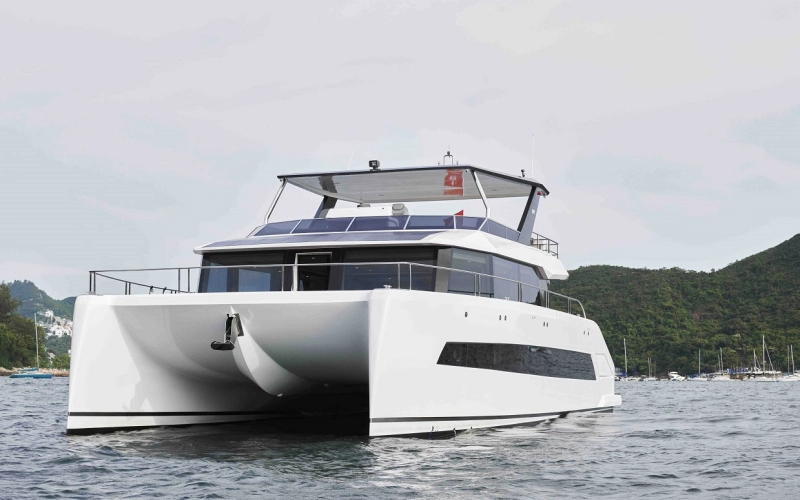
Yacht Annual Operating Cost Percentage of Value
In the absence of specific data, I typically advise clients to use the following yacht maintenance cost per year ratio as a reference:
| Yacht Dimensions | Annual Operating Costs as a Percentage of Yacht Value | Note |
|---|---|---|
| Small Yachts (30–50 ft) | About 10% | Ideal for weekend leisure and short cruises |
| Mid-to-large Yachts (50–80 ft) | About 15% | More suitable for long-distance cruises and family vacations |
| Superyachts (100 ft and above) | Over 20% | Includes a full crew team and premium maintenance |
Yacht World notes in The Real Cost of Owning a Yacht that annual operating expenses typically amount to 10%–20% of the yacht's purchase price, depending on its size, intended use, and cruising region. This ratio helps prospective owners quickly estimate annual budgets and avoid underestimating long-term ownership costs.
Mastering how to calculate yacht running costs per year not only helps you plan your budget effectively but also enables you to evaluate the cost-effectiveness and long-term investment value of different yachts when selecting luxury yachts for sale. For owners who want to compare expenses across different vessel categories, our guide to detailed yacht running costs by size provides a deeper breakdown of docking fees, fuel consumption, crew expenses, maintenance and other hidden ownership costs. Only with a clear understanding of your yacht budget can you ensure long-term ownership and enjoyable use.
Annual Yacht Running Cost Formula
As a seasoned yacht broker, I often remind clients that understanding annual operating costs is more critical than focusing solely on the purchase price. Mastering the scientific method for calculating a yacht's annual operating costs allows you to clearly anticipate future expenditures, avoiding budget overruns or usage restrictions. Below, I will provide a universal formula and step-by-step process to help you how to calculate yacht running costs per year systematically.
Annual Running Cost = Berthing Fees + Insurance Premiums + Fuel Costs + Routine Maintenance and Repairs + Crew Salaries + Winter Storage/Hauling Fees + Fees and Registration Costs + Depreciation
Step-by-Step: How to Calculate Your Annual Yacht Operating Costs
Step 1: Determine Annual Berthing Fees
Obtain quotes based on yacht length, mooring location, and contract type. If seasonal pricing applies, use the annual average cost.
Step 2: Estimate Annual Insurance Costs
Insurance premiums typically range from 0.8%–2% of the yacht's value, potentially higher for commercial or charter use.
Formula: Insurance Cost = Yacht Value × Premium Percentage
Step 3: Calculate Annual Fuel Budget
Formula: Annual Fuel Budget = Fuel Consumption per Hour × Annual Usage Hours × Fuel Price
If usage frequency is uncertain, estimate 80–150 hours/year as a reference.
Step 4: Calculate Maintenance and Repair Costs
Estimate based on a percentage of the yacht's value:
• Small Yachts: 3–5%
• Medium Yachts: 5–10%
• Superyachts: 10% or more
Includes routine maintenance and potential repair expenses.
Step 5: Add Crew Salaries (if applicable)
Calculate based on the number of crew members (captain, deckhands, chef, etc.) and market salary ranges. Large yachts may require hundreds of thousands of dollars annually.
Step 6: Add Winter Storage/Hauling Costs
Determine if your sailing area requires winter hauling or storage. This is often negligible in warm regions.
Step 7: Add Fees and Registration Costs
Includes registration renewals, local regulatory taxes, navigation permits, etc.
Step 8: Calculate Depreciation
Depreciation is a significant hidden expense in annual actual costs.
Formula: Annual depreciation = Yacht value × Annual depreciation rate
Sailboats typically 5–8%, powerboats typically 8–12%, and superyachts around 10%.
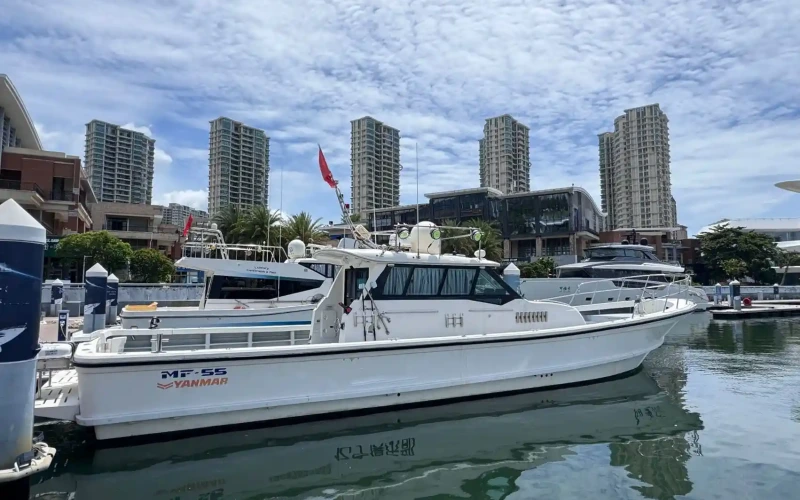
Yacht Running Costs by Size: 40ft, 60ft, 80ft and 100ft+
| Cost Items | Sailing Boats (30–50 ft) | Small Powerboats (30–50 ft) | Powerboats (50–80 ft) | Superyachts (100+ ft) | Note |
|---|---|---|---|---|---|
| Berthing Fee | $10,000 | $15,000 | $25,000 | $50,000–200,000+ | By captain, port, and seasonal variation |
| Insurance Premium | $5,000 | $8,000 | $12,000 | $100,000–500,000+ | By yacht value and purpose |
| Fuel Costs | $750 | $30,000 | $56,250 | $500,000+ | Based on fuel consumption, operating hours, and fuel prices |
| Maintenance and Repair | $7,500 | $15,000 | $25,000 | $500,000+ | Includes routine maintenance and potential repairs |
| Ship Crew Wages | $0 | $0–50,000 | $50,000–200,000 | $200,000–1,000,000+ | Based on the number of crew members and their positions |
| Winter Storage | $1,000 | $2,000 | $5,000 | $20,000–50,000+ | Depending on the viewing area and season |
| Taxes and Registration Fees | $500 | $1,000 | $2,000 | $5,000–20,000 | Registration, licensing, and local taxes |
| Depreciation | $10,000 (6%) | $15,000 (8%) | $40,000 (10%) | $1,000,000+ (10%) | Based on yacht value and depreciation rate |
| Annual Total Cost for Yacht Operation | ~$34,750 | ~$86,000 | ~$205,250 | ~$2,328,600+ | Actual costs are influenced by multiple factors |
Using this yacht maintenance cost per year table, prospective owners can visually compare annual expenses across different yacht types and quickly assess whether their budget can cover long-term yacht ownership costs. Combined with the step-by-step calculation method outlined earlier, you can easily establish a comprehensive annual budget for any yacht.
Yacht Operating Cost Breakdown
As a seasoned yacht broker, I often remind clients that purchasing a yacht is merely the first step—the real focus should be on the annual yacht operating costs. Below, I will break down the most significant annual yacht costs breakdowns item by item, giving you a clear understanding of the expenses that truly impact yacht usage and maintenance each year.
Berthing and Marina Fees
Berthing fees are typically one of the largest components of annual yacht ownership ports, especially in popular ports. Costs are influenced by the following factors:
• Charging Method: Fees are often based on length overall (LOA), meaning longer vessels incur higher costs.
• Regional Variation: Popular locations (e.g., Mediterranean, Florida, Hong Kong) command higher rates.
• Seasonal Impact: Prices rise significantly during peak seasons.
• Payment Mode: Annual payments are generally more cost-effective than daily or quarterly rates.
| Yacht Dimensions | Annual Berthing Fee Range (USD) |
|---|---|
| 30–50 ft | 3,000–15,000 |
| 50–80 ft | 15,000–40,000 |
| 100 ft+ Superyacht | 50,000–200,000+ |
At popular ports such as Monaco or Saint-Tropez, superyacht berthing fees can exceed $5,000 per day, with additional charges for value-added tax, electricity, water, and waste disposal.
Insurance Premiums
Yacht insurance is typically charged as a percentage of the yacht's value, covering accidents, damage, liability risks, and more.
Factors determining insurance rates:
• Yacht size and value
• Sailing region (premiums are higher in storm-prone areas and tropical waters)
• Usage: Lower for private use than commercial/charter operations
• Crew configuration
• Age and condition of the vessel
Generally, the annual premium ranges between 1%–5% of the yacht's total value, for example:
• Private Yacht Insurance: Approximately 0.8%–2% of the yacht's value per year
• Superyachts or Commercial Operations: 2%–5% per year
Fuel Costs
Fuel costs represent a significant portion of the annual yacht cost of ownership for powerboats, whereas sailboats, primarily powered by wind, consume less fuel. Understanding the fuel consumption patterns of different yacht types facilitates prudent planning of annual yacht running costs.
| Yacht Type | Fuel Consumption per Hour |
|---|---|
| Sailing Yacht | Wind-powered primarily, low fuel consumption |
| Small Powerboats (30–50 ft) | 20–60 L/h |
| Midsize Powerboats (50–80 ft) | 100–400 L/h |
| Super Yachts (100+ ft) | 500–1000+ L/h |
YATCO notes on Yacht Fuel that refueling a mid-sized yacht costs between $5,000 and $20,000 per tank, while some superyachts (over 100 feet) can exceed $200,000 per refueling. As can be seen, fuel costs account for a significant portion of a yacht's annual operating expenses. Understanding this helps owners plan their budgets in advance and avoid financial strain during operation.
Maintenance and Repairs
Maintenance expenses are a critical component in preserving the yacht's safety, performance, and appearance.
Routine Maintenance: Engine oil changes, filter replacements, hull cleaning, antifouling paint application, navigation equipment inspections, safety equipment updates
Emergency Repairs: Engine failures, hull damage, electrical or navigation system malfunctions
According to Boat International's analysis of the Hidden Costs of Owning a Yacht, annual yacht maintenance costs typically amount to approximately 5%–10% of the purchase price. Specifically, maintenance costs vary depending on the type of yacht:
• Small Yachts: 3%–5% per year
• Large Yachts: 5%–10% per year
• Superyachts: 10%+ per year
Maintenance costs vary significantly by yacht type and brand, ranging from $5,000 to over $1 million for superyachts. Actual expenditures also differ based on usage frequency, cruising regions, and maintenance strategies.
Crew Salaries
For large yachts (typically 60 ft and above), professional crew members are generally a necessary expense.
Common Crew Roles and Salary Ranges
• Captain: $60,000–$150,000/year
• Deckhand: $30,000–50,000/year
• First Mate: $45,000–80,000/year
• Chef: $50,000–100,000/year
• Steward/Stewardess: $35,000–70,000/year
A 100-foot superyacht typically requires 3–6 crew members, with total annual payroll ranging from $200,000 to $500,000.

Winter Storage or Haul-Out Costs
In cold regions, hauling out or storing a yacht for winter is a necessary expense.
When is Winter Storage Required?
• Low temperatures can damage the hull and equipment
• The boat requires antifreeze treatment and exterior protection
• Lakes or inland waterways close for winter navigation
Cost Variations by Region
• Cold US/Europe Regions: $2,000–10,000 per year
• Warm Regions (e.g., Florida, Mediterranean): Typically no haul-out needed, only annual maintenance required
Licenses, Taxes, Registration Fees
These fees depend on the yacht's country of registration, local regulations, and intended navigation area.
Common expenses include:
• Flag Registration
• Annual Renewal Fees
• Local Maritime Taxes/Property Taxes
• Country-Specific Cruising Permits (e.g., Greece, Croatia)
While not exorbitant, these represent recurring annual expenditures typically ranging from $500–5,000 per year (potentially higher for superyachts).
Depreciation
Depreciation is an often overlooked yet crucial component of the “true annual yacht ownship cost.”
Why is Depreciation Important?
• Yachts depreciate in value over time.
• Electronics, interiors, and engines age with use.
• This represents an unavoidable hidden cost if future resale is planned.
Average depreciation rates (varies by yacht type)
• Motor Yachts: Approximately 8%–12% annually.
• Sailing Yachts: Approximately 5%–8% annually (due to fewer mechanical systems and longer lifespan).
• Superyachts: Depreciation varies by specifications but typically around 10%.
Though not a direct expense, depreciation significantly impacts the long-term cost of yacht ownership.
To include the purchase price, acquisition expenses and expected resale proceeds, use our guide to calculate the total cost of yacht ownership over five years.
Superyacht Operating Cost Calculator
In addition to the aforementioned formula for calculating annual yacht operating costs, you can also directly use the yacht operating cost calculator.
Sailo Boat Calculator — Enter vessel type, days of use, fuel/insurance costs, etc., to perform cost-benefit analysis.
Yacht Cost Calculator — Specifically designed for yacht operating costs, it allows input of detailed data such as captain, market value, crew, insurance, and maintenance.
LuxYachts Superyacht Cost Calculator — For superyachts over 100 to 600 feet, there are numerous detailed cost items.
Annual Yacht Cost Breakdown Chart (Using Superyacht Running Costs as an Example)
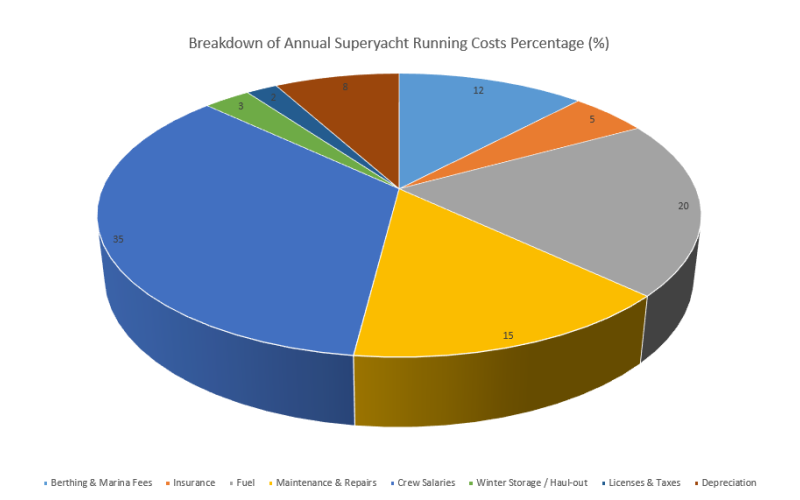
By understanding the proportion of each cost category within your yacht's annual total expenditure, you can gain a clear picture of the yearly operating budget. This enables advance financial planning, preventing any compromise to your usage experience or investment returns due to overlooked costs.
How to Reduce Yacht Running Costs
As a yacht broker with 15 years of experience, I frequently encounter clients concerned about yacht running costs per year. In reality, reducing expenses doesn't mean sacrificing the sailing experience. Through sound strategies and planning, many expenditures can be effectively controlled. Below are several key methods I've summarized, applicable to yachts of various sizes and types.
Seasonal Berthing
Port fees may double during peak seasons while significantly decreasing during off-peak periods. If your sailing schedule is flexible, consider these approaches:
• Opt for secondary ports or more remote docks during peak seasons.
• Return to major ports during off-peak periods to benefit from lower rates.
• Substitute annual contracts with short-term berths, adjusting based on actual needs.
Savings Potential: Reduce annual berthing costs by 20%–40%.
Efficient Cruising Speeds
For motor yachts, fuel constitutes the largest annual expense. Significant savings can be achieved by optimizing speed and engine usage:
• Avoid prolonged high-speed cruising and operate at the most economical RPM.
• Regularly clean the hull to reduce water resistance.
• Plan routes to minimize unnecessary long-distance voyages.
Savings Potential: Reduce fuel costs by 10%–30%.
Preventative Maintenance
Minor issues left unaddressed can escalate into costly repairs. My experience shows that regular inspections and maintenance are crucial:
• Schedule routine maintenance for engines, generators, and propulsion systems.
• Address minor problems promptly to prevent them from becoming major repairs.
• Conduct an annual comprehensive inspection covering rigging, fuel lines, electrical circuits, and piping systems.
Cost Savings: Avoid sudden high-cost repairs and reduce yacht maintenance costs per year by 15%–25%.
Shared Ownership
If you don't use your yacht frequently year-round, shared ownership is an effective way to reduce expenses:
• Multiple owners split berthing, insurance, and maintenance costs.
• Arrange usage schedules through a professional management company to ensure fairness.
• Suitable for recreational yachts between 30–70 feet.
Cost Savings: Annual yacht operating costs can be allocated at 25%–50%.
Chartering to Offset Costs
Where local regulations permit, deploying your yacht for commercial charters can significantly improve cash flow:
• Motor yachts and popular cruising areas typically command higher rental rates.
• Additional commercial insurance and certifications are required, but they generate stable income.
• Suitable for well-maintained yachts over 50 feet.
Revenue Potential: Some yachts can cover 40%–80% of annual yacht operating costs.
Additional Cost-Saving Strategies
• Optimize Insurance Coverage: Select appropriate coverage levels based on yacht type, usage frequency, and cruising areas to avoid unnecessary premium costs.
• Refined Energy Management: Install energy-efficient equipment or optimize electrical usage to reduce generator fuel consumption.
• Long-Term Supplier Partnerships: Establish consistent supplier relationships to secure better pricing and priority service.
Through these strategies, I've helped numerous clients control costs while maintaining an ideal sailing experience. As a yacht broker, I recommend each owner develop a personalized annual operating cost optimization plan based on their usage habits and yacht type—a rational and efficient approach.
About the Author
Luna Rossi is a seasoned yacht broker with 15 years of experience, holding SAMS certification (ID: SAMS-66562). She specializes in luxury yacht sales, management, and long-term operational planning, assisting clients in scientifically evaluating acquisition costs and annual operating budgets. Leveraging extensive industry experience and expertise, Luna excels at providing tailored advice for yachts of varying types and sizes—from purchase selection to operational management—ensuring comprehensive protection of owners' sailing experiences and investment value.
Disclaimer
This content is provided for general informational purposes only and does not constitute legal, financial, or investment advice. The purchase, operating costs, and tax liabilities associated with yachts vary by region, regulations, vessel type, and usage patterns. Actual expenditures may differ from the examples provided herein. Before making any yacht purchase or operational decisions, readers should consult relevant professionals, including yacht brokers, insurance advisors, and tax specialists, to ensure decisions align with individual needs and comply with local laws and regulations.
FAQ
Q1: How much does a yacht cost to maintain per year?
A: Yacht maintenance costs per year typically range from 10% to 20% of the purchase price.
Q2: What is the average running cost for a 50-foot yacht?
A: The annual operating cost for a 50-foot yacht ranges from approximately $50,000 to $150,000, depending on fuel consumption, marina fees, and usage frequency.
Q3: Which type of yacht has the lowest maintenance costs?
A: Sailboats typically have the lowest maintenance costs due to their minimal fuel consumption and simple engine design, resulting in lower operational and upkeep expenses.
Q4: Are sailing yachts cheaper to run than motor yachts?
A: Yes. Sailboats require very little fuel and have lower mechanical maintenance needs, so their annual operating costs are significantly lower than motor yachts of comparable size.
Q5: How do you calculate yacht running costs per year?
A: Yacht running costs are calculated by adding annual expenses such as berthing, insurance, fuel, maintenance, crew salaries, storage, taxes, and depreciation.
Q6: What is the best yacht cost calculator formula?
A: The most widely used formula is: Annual Cost = 10%–20% of yacht value + usage-based variable costs
Q7: How much does it cost to run a 40ft yacht per year?
A: A 40ft yacht typically costs $30,000–$100,000 per year, depending on usage and location.
Q8: Are yacht maintenance costs calculated by value or size?
A: Both. Small yachts are often size-driven, while larger yachts use value-based percentages.