Quick Answer:
For a 30–50 ft motor yacht, annual running costs typically range from $60,000 to $250,000 per year.
30–40 ft yachts: ~$30,000–70,000
40–50 ft yachts: ~$60,000–120,000
High-usage or twin-engine yachts: up to $200,000–250,000
Table of Contents:
1. Motor Yacht Annual Running Cost
2. Yearly Running Cost for a 30-50 Ft Motor Yacht
3. Running Cost Difference Twin Engine vs Single Engine Yachts
4. Yearly Maintenance Schedule and Cost for Motor Yachts
5. Summary
6. Frequently Asked Questions
If you only want one answer—“How much does a motor yacht cost per year?”—you don't need to read this article. Any responsible broker will give you a range; any search engine can provide a figure.
The real question is something else entirely. What you truly want to know is: How exactly is that money spent, line item by line item, over the course of a year?
And only someone who has actually owned a boat, managed its upkeep, and signed off on repair invoices can explain that clearly.
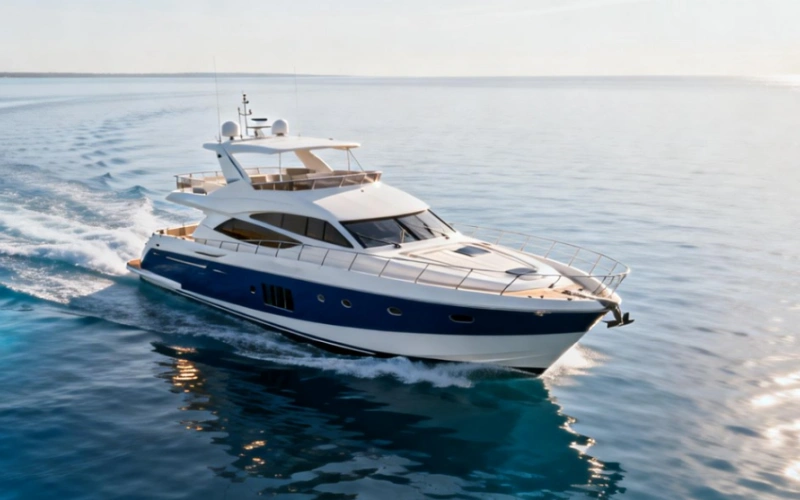
1. Motor Yacht Annual Running Cost
As a yacht broker with over a decade of experience, I've observed that many prospective owners underestimate the annual operating costs of a motor yacht after purchase. These expenses extend far beyond the initial purchase price, with ongoing costs for operation, maintenance, mooring, insurance, and more significantly impacting the owner's budget.
First, the annual costs for a motor yacht can be broadly categorized into the following six major items:
Fuel expenses
Maintenance and servicing costs
Mooring and port fees
Vessel Insurance
Crew Expenses
Depreciation and Contingency Repairs
Based on my practical experience, annual costs for a 30–40-foot yacht range from approximately $30,000 to $70,000, while a 40–50-foot yacht incurs annual expenses between $60,000 and $120,000. For yachts with twin engines or high usage, total annual costs can reach $200,000 to $250,000.
2. Yearly Running Cost for a 30-50 Ft Motor Yacht
Many first-time clients reviewing the ledger ask me: “Why does each item seem reasonable individually, yet the total is so high?” The reason is simple—a yacht isn't a one-time purchase but an ongoing operational system. Below is a detailed breakdown of the annual operating costs for 30-50 foot motor yachts!
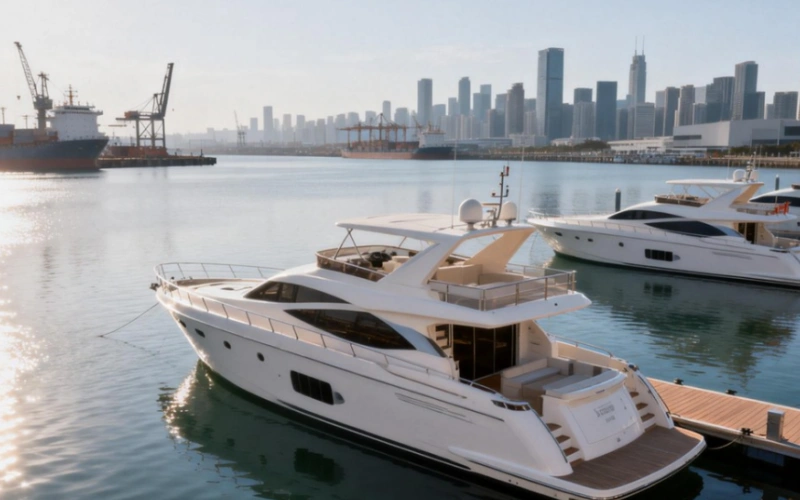
2.1 Fuel Costs
Fuel expenses constitute the largest portion of annual expenditures for a 30-50 foot power yacht, particularly for higher-powered vessels. Take the 45-foot twin-engine yacht I manage as an example: it operates approximately 160 hours annually, consuming around 17,000 liters of fuel.
Technical data from MAN Marine Engine Performance indicates that fuel consumption for a 45-foot yacht is directly linked to engine configuration. Adjusting cruising speed and optimizing range can significantly reduce fuel expenses. Based on my own sailing habits, I opt for the most economical cruising speed—approximately 8 knots—which consumes about 40 liters per hour, saving roughly 20% on fuel costs.
| Yacht Length | Annual Fuel Cost | Annual Fuel Consumption (Liters) | Economical Cruising Speed |
| 30-40 feet | $15,000–25,000 | 8,000–12,000 | 6-8 knots |
| 40-50 feet | $25,000–40,000 | 12,000–17,000 | 8-10 knots |
2.2 Maintenance and Servicing Costs
Maintenance expenses for motor yachts include engine servicing, hull painting, anti-fouling coatings, and electronic system inspections. Following ABYC standards, the American Bureau of Yachts recommends annual comprehensive engine maintenance—including fluid changes and cooling system flushing—to ensure long-term reliable operation.
| Maintenance Item | Frequency/Year | Per-Service Cost | Annual Total |
| Main Engine & Generator Servicing | 1 | $6,800 | $6,800 |
| Hull Painting & Hauling | 1 | $4,200 | $4,200 |
| Sacrificial Zinc Anode Replacement | 1 | $1,100 | $1,100 |
| Electronics System Inspection | 1 | $2,400 | $2,400 |
| Subtotal | — | — | $14,500 |
Note: Neglecting maintenance, particularly hull painting and engine upkeep, often leads to higher unplanned repair costs. Regular maintenance keeps your yacht in optimal condition, ensuring safe navigation while extending its lifespan and reducing unexpected expenses.
2.3 Yacht Berthing Fees
Yacht berthing fees vary based on port type, geographic location, and seasonal fluctuations. For 30-50 foot yachts, annual berthing fees typically range from $4,000 to $20,000. According to the 2026 Yacht Berthing Costs Guide, selecting appropriate marinas and berthing strategies—especially utilizing non-premium docks during off-peak seasons—can significantly reduce costs.
Berthing Costs and Strategies
| Marina Type | Annual Fee | Strategy |
| Premium Docks | $12,000 | Peak Season Use |
| Standard/Member Marinas | $4,000–6,000 | Off-Season Use & Membership Discounts |
How to Reduce Motor Yacht Berthing Costs?
Select Appropriate Ports: Choosing more economical member marinas or ports near non-commercial areas can significantly reduce berthing expenses.
Seasonal Flexibility: Avoid peak tourist seasons and opt for off-season berthing to substantially lower costs.
2.4 Yacht Insurance Costs
Yacht insurance is an expense no owner can overlook. Annual premiums for 30-50 foot yachts range from $2,500 to $8,000, depending on coverage scope and usage frequency.
Insurance Costs vs. Coverage
| Yacht Length | Annual Premium | Coverage Scope |
| 30-40 feet | $2,500–5,000 | Hull damage, liability coverage |
| 40-50 feet | $4,000–8,000 | Hull damage, liability coverage, navigation accidents |
Once, my yacht sustained minor damage during a storm. Fortunately, thanks to my comprehensive coverage, the insurance company covered most of the repair costs, leaving me to pay only a small deductible.
2.5 Crew Costs and Temporary Services
If you own a yacht over 50 feet, you must hire full-time crew. However, for 30-50 foot motor yachts, crew expenses are lower, requiring only occasional temporary staff for cleaning and maintenance.
Crew Costs for Motor Yachts Under 50 Feet
| Service Item | Annual Cost | Description |
| Full-time Crew | $15,000–30,000 | Manages daily yacht operations |
| Temporary Services (Cleaning, Maintenance) | $5,000–10,000 | Hired as needed |
How to Reduce Crew Costs
Part-time Crew: If your yacht isn't frequently used, consider hiring part-time crew or temporary service personnel to significantly cut expenses.
Self-Management: I sometimes handle simple tasks like cleaning and basic vessel maintenance myself, avoiding additional expenses.
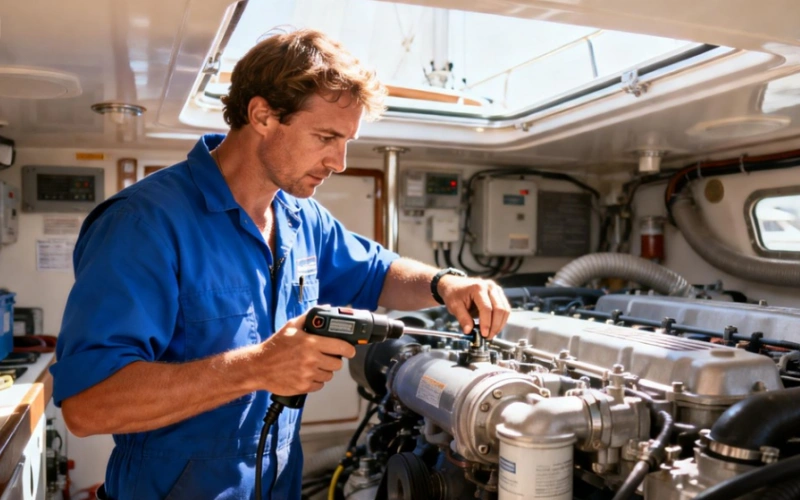
3. Running Cost Difference Twin Engine vs Single Engine Yachts
When discussing annual costs, we cannot overlook differences in propulsion configurations. The fuel and maintenance costs mentioned earlier vary significantly between single-engine and twin-engine setups, directly impacting the yacht's overall budget.
3.1 Fuel and Maintenance Cost Differences
Twin engines typically add one main engine, increasing fuel consumption by 15%–30%.
Annual maintenance costs also rise by approximately 20% due to the dual-engine setup.
3.2 Crew Requirements Differences
Twin-engine yachts may require more experienced crew for management.
Single-engine yachts are suitable for owner self-operation or part-time captains.
3.3 Performance and Safety Considerations
Twin-engine yachts offer superior acceleration and maneuverability, ideal for offshore voyages or complex routes
Single-engine yachts provide economical practicality, well-suited for coastal cruising
Regarding tips for buying a new yacht: If you plan offshore voyages or frequent sea trips, investing in a twin-engine yacht is safer, though annual costs are higher. For primarily weekend short trips, I recommend single-engine yachts due to lower annual costs, allowing more budget for maintenance and equipment upgrades.
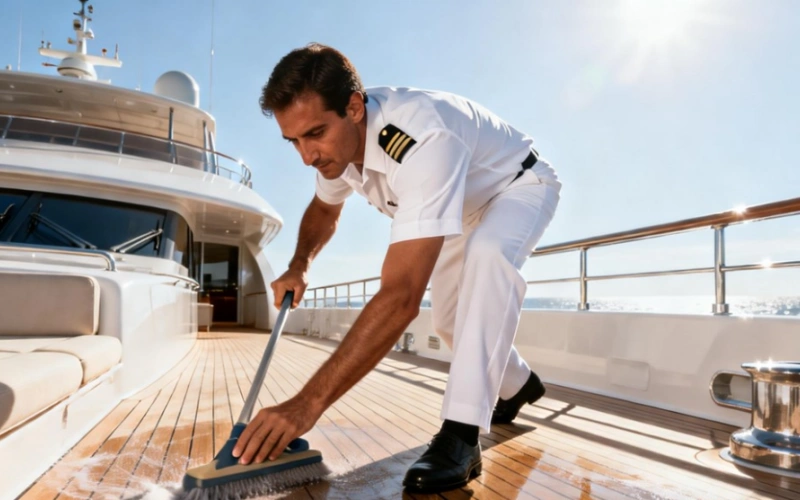
4. Yearly Maintenance Schedule and Cost for Motor Yachts
To better control annual maintenance expenses and minimize unexpected costs, I typically develop a detailed annual maintenance schedule. This helps predict costs and ensures the yacht remains in optimal condition.
4.1 Annual Maintenance Schedule
Monthly: Deck cleaning, anchor chain inspection, zinc anode condition check
Quarterly: Engine fluid checks, electronic equipment testing, basic mechanical maintenance
Annually: Hull painting, anti-fouling coating, comprehensive engine and generator maintenance, port and safety inspections
4.2 Cost Optimization Strategies
Hull Painting Cycle Optimization: Annual application suffices, avoiding excessive maintenance costs
Engine Maintenance: Regular fluid and filter changes per manufacturer recommendations to minimize unexpected failures
Port Strategy: Off-season berthing + member ports, saving approximately 10%–15% in fees
Self-Management: Handle partial cleaning and minor repairs personally to reduce temporary labor costs
4.3 Annual Repair Budget
| Item | Annual Budget |
| Minor engine/propulsion system overhaul | $3,000–7,000 |
| Electronics upgrades or repairs | $2,000–5,000 |
| Localized hull/deck repairs | $2,000–6,000 |
| Contingency fund | $5,000–10,000 |
| Total | $12,000–28,000 |
My personal experience demonstrates that scientifically planning maintenance schedules and setting aside repair budgets not only saves approximately 15% in annual expenses but also minimizes the impact of unexpected repairs on itineraries and budgets.
5. Summary
Annual operating costs for 30–50-foot motor yachts range from $80,000 to $250,000, with clearly controllable proportions for each expense category. Prospective owners should tailor plans based on sailing habits and budgets, strategically arranging port calls, cruising itineraries, and maintenance cycles.
I recommend vessels: Pre-plan monthly, quarterly, and annual maintenance schedules while setting aside sufficient repair funds to effectively control yearly costs and ensure long-term yacht performance.

6. Frequently Asked Questions
Q1. What is the annual cost to operate a motor yacht?
A: Annual maintenance and upkeep for 30–50 foot powerboats ranges from $14,500 to $28,000, covering engine servicing, hull painting, anti-fouling coatings, and electronic system inspections. Neglecting maintenance may lead to higher unexpected repair costs.
Q2. How do berthing fees impact annual motor yacht costs?
A: Mooring fees vary significantly by marina type and location. Premium marinas can charge up to $12,000 annually, while standard or member marinas typically cost $4,000–$6,000 per year. Off-season mooring and strategic membership choices can save 10%–15%.
Q3. How do I calculate a motor yacht's economical cruising speed?
A: The economical cruising speed is typically below maximum speed. For example, 30–40-foot yachts cruise at 6–8 knots, while 40–50-foot yachts cruise at 8–10 knots. Maintaining this speed reduces fuel consumption by approximately 20% and extends engine lifespan.
About the Author
Emery
Yacht Broker / Yacht Transaction Consultant / Contributing Writer for Yachting Magazine
SAMS Certified Surveyor #2458
Honored as one of “Asia's Top 10 Yachting Industry Experts” and recipient of the “Outstanding Yacht Broker Service Award”
Last Updated: December 2025
Applicable Audience: First-time buyers, existing owners, yachting professionals, and investors/prospective buyers interested in evaluating annual yacht operating cost budgets.
Disclaimer
The annual operating cost data and analysis for motor yachts presented herein are based on the author's over a decade of yacht brokerage and ownership experience, supplemented by publicly available industry materials and authoritative sources. The listed expenses represent typical reference ranges; actual expenditures may vary depending on yacht model, power configuration, usage frequency, geographic location, port selection, insurance plans, and individual operational practices. This content is for informational and budgetary planning purposes only and does not constitute investment advice for specific yachts or individuals. Before making any yacht purchase, operational, or financial decisions, consult professional yacht brokers, marina management personnel, and insurance advisors to obtain customized solutions aligned with your personal circumstances. The author and platform assume no liability for any direct or indirect losses arising from the use of this information.