Quick Answer:
Yacht insurance for a 30–50 ft vessel may cost roughly $2,000 to $30,000+ per year, depending primarily on the yacht’s insured value, type, cruising area, usage and coverage structure. A lower-value 30 ft private yacht may fall near the lower end, while a high-value 50 ft motor yacht operating offshore or in a hurricane-prone region may reach five figures.
As a planning estimate:
- Small recreational boats: approximately hundreds of dollars per year. For a specific example, see our guide on boat insurance costs for a $20,000 vessel.
- Mid-size boats (25–40 ft): often around $1,000–$5,000+ annually
- 30–50 ft yachts: commonly several thousand dollars per year, with higher-risk vessels potentially reaching five figures
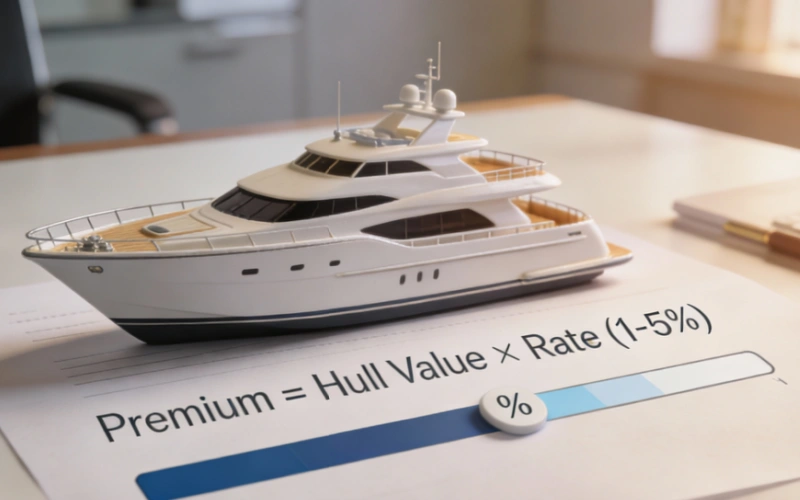
A percentage-of-value estimate (such as 1%–3% of insured value) is commonly used as a budgeting reference in some markets, including the U.S., but it should not be treated as a universal insurance formula.
When planning your total ownership budget, it is important to consider insurance as part of the yacht’s annual operating expenses. Owners should also include insurance in your yacht cost estimate alongside maintenance, berthing, fuel and other recurring costs.
This guide primarily uses U.S. recreational marine insurance examples as a reference. Yacht insurance costs vary significantly by country, navigation area, local insurance markets, and risk factors.
Regions such as Florida and hurricane-prone areas may have higher premiums due to storm exposure, while areas such as inland waters, Mediterranean cruising regions, and European markets may follow different pricing structures.
Yacht Insurance Basics
Yacht insurance serves as a vital tool for protecting owners' property and liability. Premiums are determined by multiple factors. Typically, calculations assess variables including hull value, usage frequency, cruising region, owner experience, and vessel age.
| Factor | Impact |
| Vessel Value | Higher market value of the yacht corresponds to increased premiums. |
| Usage Frequency | Yachts with high sailing frequency face higher insurance costs. |
| Geographic Location | Areas prone to natural disasters (e.g., hurricane zones) incur higher premiums. |
| Owner Experience | Experienced owners typically qualify for premium discounts. |
Components of Yacht Insurance Costs
Premiums for yachts between 30 and 50 feet in length typically consist of the following three main components:
● Hull Insurance: Covers risks including hull damage, theft, and robbery.
● Liability Insurance: Covers third-party property damage and bodily injury.
● Personal Accident Insurance: Covers medical expenses for crew and passengers in accidents.
For the broader average boat insurance cost per year across small recreational boats, sailboats and cruisers, see our complete boat insurance cost guide.
Insurance Costs for 30-50 Foot Yachts
Marine insurance providers commonly evaluate yacht premiums based on insured value, navigation area, vessel type and risk profile. Industry planning estimates often use a percentage of insured value as a budgeting reference, although actual quotes vary significantly.
| Hull Size | Hull Value (USD) | 1% Annual Premium (USD) | 1.5% Annual Premium (USD) | 3% Annual Premium (USD) | Estimated Yacht Insurance Costs by Size (Illustrative Planning Estimates) |
| 30 foot | $200,000 | $2,000 | $3,000 | $6,000 | Basic hull insurance, lower risk |
| 40 foot | $500,000 | $5,000 | $7,500 | $15,000 | Comprehensive coverage, full protection |
| 50 foot | $1,000,000 | $10,000 | $15,000 | $30,000 | High commercial operation risk, higher premiums |
Note: These figures are illustrative planning estimates, not insurer quotes. Actual premiums vary based on vessel specifications, owner profile, navigation area, deductible, coverage limits and underwriting requirements.
What Factors Affect Boat and Yacht Insurance Premiums?
● Regional Factors
Regional risks have a significant impact on insurance premiums. The frequency of natural disasters in a yacht’s location directly affects insurance premiums. Hurricane-prone regions such as Florida may have higher yacht insurance premiums because insurers consider storm exposure, seasonal weather risks and navigation conditions when evaluating policies.
| Region | Premium Impact |
| Hurricane-prone areas | High risk, premiums increase by approx. 15%-20% |
| Inland lake areas | Lower risk, relatively lower premiums |
| High-traffic waters | High risk, premiums increase |
● Owner Experience and Navigation History
Some insurers may offer more favorable terms to experienced owners with strong boating history, completed safety training or no prior claims.
● Hull Value and Brand
Higher-value luxury yachts often have higher premiums because repair costs, replacement values, specialized equipment and underwriting requirements increase the insurer’s potential exposure.
For instance, a brand-new Sunseeker 50-foot yacht may cost over 1.5 times more to insure than a standard yacht.
● How Age of Yacht Affects Insurance Premiums?
The age of a yacht is a key factor affecting insurance premiums. You may want to start by learning about What Is the Lifespan of a Yacht. Boat age affects both insurability and pricing, but premiums do not automatically decrease or increase solely because a boat is newer or older.
Older yachts may require additional underwriting review, especially when maintenance records, refit history or survey results indicate higher risk.

● Hull Value and Modifications
Yacht modifications also impact premiums. For instance, adding power systems, luxury amenities, or performance upgrades—such as higher speeds or larger engines—will increase premiums.
● Usage Nature
Premiums are higher for yachts used in commercial charters or other business purposes than for private use. Due to the greater operational risks associated with commercial yachts, insurers correspondingly raise premiums.
Liability Insurance vs Physical Damage Coverage: Understanding Yacht Insurance Structure
When comparing yacht insurance policies, many owners use the term “full coverage” to describe broad protection. However, “full coverage” is not a standardized marine insurance category. Yacht insurance is generally structured around two primary areas: liability protection and physical damage coverage.
Liability / Protection & Indemnity (P&I)
Liability coverage protects yacht owners against claims from third parties, including:
- Bodily injury caused to passengers, crew, or other individuals
- Damage to other vessels, docks, or property
- Related legal expenses
This coverage protects against third-party risks but usually does not cover damage to the owner's own yacht.
Physical Damage Coverage
Physical damage coverage protects the yacht itself against covered losses, including:
- Collision damage
- Fire
- Theft
- Storm-related damage
- Other accidental losses
Policies may be based on Agreed Value or Actual Cash Value, which affects how claims are settled. Owners can also add optional endorsements such as towing, personal effects, tender coverage, and other protections.

Cost Comparison
| Scenario | Vessel | Usage | Location | Coverage Type | Annual Estimate |
|---|---|---|---|---|---|
| Lower-risk | 30 ft yacht | Private | Inland / lake | Liability + basic physical damage | $2,000–$5,000 |
| Typical | 40 ft yacht | Private | Coastal U.S./EU | Agreed value physical damage + liability | $5,000–$15,000 |
| Higher-risk | 50 ft yacht | Coastal/extended cruising | Hurricane-prone / offshore | Higher limits + additional endorsements | $10,000–$30,000+ |
⚠️ These are illustrative underwriting scenarios, not fixed averages.
Agreed Value vs Actual Cash Value
When choosing yacht insurance, owners should understand how claims are settled after a total loss. The two common valuation methods are Agreed Value and Actual Cash Value (ACV).| Coverage Basis | Total Loss Settlement | Premium |
Suitable For
|
| Agreed Value | Pays the value agreed in the policy (subject to policy terms) | Usually higher | New yachts, luxury yachts, high-value vessels |
| Actual Cash Value | Pays the yacht’s market value after depreciation | Usually lower | Older or lower-value yachts |
Agreed Value provides greater protection and price certainty, as the insurer and owner agree on the yacht’s insured value when the policy is issued. It is commonly selected for newer yachts and high-value vessels.
Actual Cash Value lowers insurance costs but may result in a lower payout, because depreciation and current market conditions are considered when calculating the claim amount.
For 30–50 ft yachts, Agreed Value is generally preferred by owners who want stronger asset protection, while Actual Cash Value may suit older boats where reducing annual premiums is the priority.
Insurance Cost Comparison Sailboat vs Motor Yacht
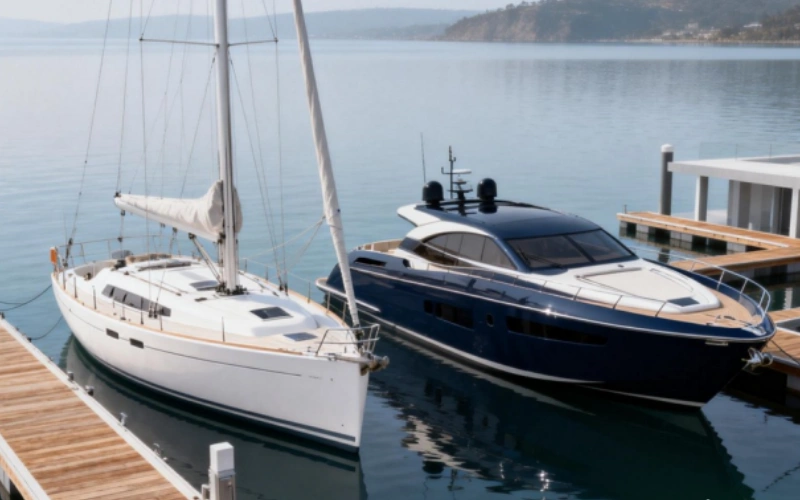
Sailboats vs. Motor Yachts: Motor yachts may have higher insurance costs than comparable sailboats because they often involve higher vessel values, more complex propulsion systems and different operating profiles. Here is a typical comparison of insurance costs for sailboats and motor yachts:
| Yacht Type | Insurance Cost Difference |
| Sailboat | Lower costs |
| Motor Yacht | Higher costs |
Insurance for a $300,000 40-foot motor yacht typically ranges from $4,500 to $9,000, depending on hull type, operating region, engine power, and other factors. For a high-performance Sport Cruiser, premiums may exceed those of a standard sailboat by 30%.
Examples of Boat and Yacht Insurance Providers
The following insurers are examples of established marine insurance providers serving recreational boat and yacht owners. They are not ranked, as yacht insurance availability, pricing, and coverage terms vary by location, vessel specifications, and underwriting requirements.
When comparing providers, yacht owners should consider:
- Coverage scope and policy exclusions
- Liability limits
- Claims handling reputation
- Navigation area restrictions
- Experience with similar yacht sizes
- Support for private or commercial use
| Provider | Typical Segment | Notes |
|---|---|---|
| Chubb | Higher-value recreational yachts | Coverage availability and eligibility vary by region |
| Markel | Recreational boats and yachts | Policy options depend on vessel type and usage |
| Marine insurance brokers | Customized yacht coverage | Can compare multiple insurers based on cruising area |
Key Yacht Insurance Coverage and Exclusions
Besides hull and liability coverage, yacht insurance policies may include additional protections that can significantly affect claim outcomes.Common additional coverage includes:
- Theft protection: Covers theft of the vessel or eligible equipment.
- Storm and hurricane damage: Protects against weather-related losses, subject to deductibles and regional restrictions.
- Wreck removal: Covers costs related to removing a damaged or sunken yacht when required.
- Pollution and fuel spill liability: Covers cleanup costs and related legal liabilities.
- Emergency towing: Covers assistance and towing after breakdowns or accidents.
- Personal property: May cover onboard belongings and equipment.
- Uninsured boater and crew liability: Provides additional protection for third-party risks and crew-related claims.
- Charter use: Private policies may exclude commercial charter activities.
- Navigation limits: Coverage may only apply within approved cruising areas.
- Lay-up requirements: Some regions require seasonal storage periods.
- Maintenance issues: Normal wear, corrosion, and poor maintenance are generally excluded.
Conclusion
Understanding insurance costs for 30-50 foot yachts is essential knowledge for every owner. Selecting the right insurer and coverage type based on your yacht's class, age, usage frequency, and sailing region ensures optimal protection.
This analysis empowers you to accurately assess annual insurance expenses and make the most informed decisions. For personalized advice or assistance, feel free to contact me anytime.
About the Author
Emery
Emery is a yacht industry writer and marine consultant focusing on yacht ownership costs, vessel transactions and practical ownership considerations.
His content covers yacht valuation, maintenance planning, insurance considerations and the real-world costs of yacht ownership.
Last Updated: July 2026
Applicable Audience: Potential and existing owners of small to medium-sized yachts, yacht brokers, as well as investors and buyers seeking yacht insurance budget assessments.
Disclaimer
The information provided herein regarding annual insurance premiums for 30-50 foot yachts—including cost ranges, influencing factors, insurance type comparisons, and insurer recommendations—is compiled from publicly available data, industry experience, and the author's personal insights. While striving for accuracy and comprehensiveness, market conditions fluctuate and individual circumstances vary. This information does not constitute professional insurance advice or decision-making basis. Readers should independently verify information and consult professional insurance advisors before making decisions regarding yacht insurance. The author and publisher assume no liability for any direct or indirect losses arising from actions taken based on this content.
FAQ
Q1: How can I reduce yacht insurance costs?
A: Methods to lower premiums include enhancing safety features (e.g., installing GPS tracking or fire alarm systems), selecting appropriate operating regions, reducing sailing frequency, or choosing cost-effective insurers through competitive quotes.
Q2: Does yacht insurance cost vary by region?
A: Yes, location significantly impacts yacht insurance premiums. Hurricane-prone coastal regions can produce materially higher premiums, stricter deductibles or additional storm-plan requirements.
Q3: Does yacht insurance cover commercial use?
A: If a yacht is used for commercial charters or other business activities, its insurance costs are usually higher than for privately used yachts. This is because commercial use carries greater risk, prompting insurers to charge higher premiums.
Q4: Does boat insurance cover engine?
A: Boat insurance may cover engine damage when it results from a covered event such as collision, theft, vandalism or severe weather. It generally does not cover normal wear, deterioration, poor maintenance or negligence.