


Quick Answer
A mini yacht or small yacht typically costs between $30,000 and $500,000+, depending on size, age, condition, and equipment.
- Mini yacht (20–30 ft): $30,000–$250,000
- Small yacht (30–40 ft): $80,000–$500,000+
- New builds: usually start around $100,000+
- Used boats: can start as low as $30,000
Annual routine operating costs are typically lower than full ownership costs that include depreciation and major repairs.
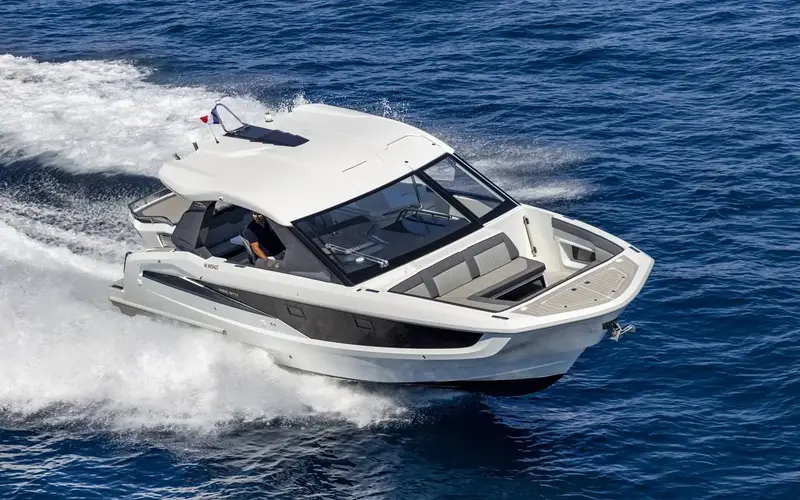
What Counts as a Mini Yacht vs Small Yacht
There is no globally standardized industry definition for “mini yacht” or “small yacht”. Different brokers and markets use slightly different ranges.
For clarity in this guide:
| Category | Length Range |
|---|---|
| Mini yacht | 20–30 ft |
| Small yacht | 30–40 ft |
| Mid-size yacht | 40 ft+ (covered in separate guide) |
Factors That Affect Small Yacht Prices
Many novices mistakenly assume ‘mini yacht price = length × unit price’, but in reality, length is merely a base variable. Four key factors truly drive price differences: hull type and propulsion system, brand premium, cabin and equipment level, and market/region.
Hull Type and Propulsion System
• Motor yacht vs sailing yacht: Motor mini-yachts typically command higher prices for equivalent dimensions
• Inboard vs outboard engines: Inboard systems involve greater complexity and higher costs
• Single engine vs twin engines: Twin engines directly increase both purchase price and maintenance expenses
Brand Premium
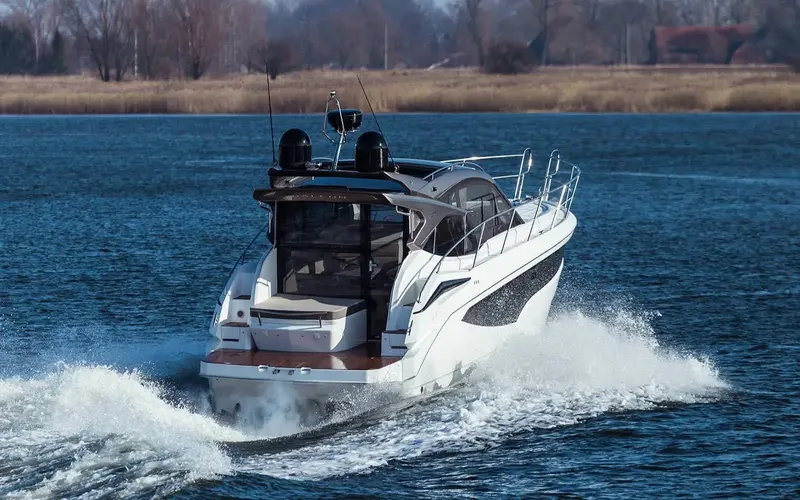
Even within the mini-yacht segment, brand distinctions remain pronounced. Mass-market brands offer relatively accessible pricing with practical specifications. European brands and design-focused labels command significant premiums for their hull construction, interior finishes, and handling characteristics.
Accommodation and Fit-out Level
Pricing is influenced not merely by the presence of cabins, but by:
• Whether cabins offer headroom for standing
• Presence of en-suite bathrooms
• Interior materials (wood veneer vs moulded composites)
• Air conditioning, generator, hot water system
Market & Region
• The same vessel may command markedly different prices in the US, Europe, and Asia
• Taxes, import duties, and shipping costs all factor into the final retail price
Mini Yacht & Small Yacht Price at a Glance (2026)
| Size | Category | Used Price | New Price | Typical Use |
|---|---|---|---|---|
| 20–25 ft | Pocket cruiser | $30K–$80K | $60K–$150K | Day trips / light overnight |
| 26–30 ft | Mini yacht | $50K–$150K | $100K–$250K | Weekend cruising |
| 31–35 ft | Entry small yacht | $80K–$250K | $150K–$350K | Couples / small families |
| 36–40 ft | Small yacht | $150K–$400K | $250K–$500K+ | Coastal cruising |
New vs Used Mini Yacht Prices
When discussing new versus used mini yacht pricing, the actual market situation is remarkably straightforward.
For buyers with a larger budget who want to explore more capable vessels beyond entry-level mini yachts, reviewing the best small yachts under $500K can help compare available powerboats, sailing yachts, and fishing boats within this popular ownership range.
Currently, any genuine mini yacht—meaning vessels capable of accommodating overnight stays with cabins, toilets, and weekend cruising—rarely commands less than $100,000 new. New mini yachts measuring between 20 and 30 feet typically transact within the $100,000 to $250,000 range. Prices rise with more comprehensive specifications and higher-end brands, a trend consistent across nations.
The landscape shifts entirely for pre-owned mini yachts.
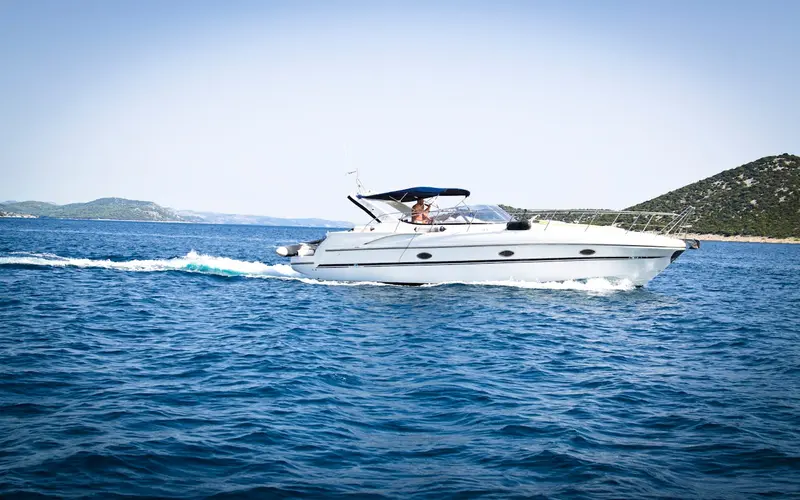
For vessels of the same 20-30 foot range, offering accommodation, seaworthiness and functionality, a well-maintained second-hand mini-yacht around ten years old typically commands prices between US$30,000 and US$80,000. Older models with simpler specifications can even be found for just over US$20,000 while remaining fully operational.
At this stage, understanding used yacht survey cost becomes critical. A professional survey typically costs a few hundred to a few thousand dollars, depending on vessel size and scope, but it often prevents far larger post-purchase repair expenses.
Depreciation varies substantially by brand, model, engine hours, maintenance history and local supply. Rather than applying a universal percentage, buyers should compare similar listings by model year and condition.
Consider this simple comparison:
| Item Comparison | New Mini Yacht (20–30 ft) | Used Mini Yacht (Same Class) |
| Common Market Transaction Price | $30,000–$250,000 | $30,000 – $80,000 |
| Price Ratio | Base Price (100%) | Approx. 30%–60% of new boat price |
| Depreciation Status | Rapid depreciation in first 3 years | Depreciation largely complete |
| Available Options | Latest designs and systems | Configuration depends on previous owner |
| Risk Factors | High depreciation costs | Requires survey and maintenance record checks |
Small Yacht Price by Size and Type
Here's a concise overview of small yacht prices by size and type:
Small Yacht Price Ranges (USD):
20–25 ft Yacht- Sailboat: $15,000–$60,000+
- Powerboat: $30,000–$100,000+
- Catamaran: $80,000–$250,000+
Watch for: Trailerability, limited cabin space
26–30 ft Yacht
- Sailboat: $25,000–$150,000+
- Powerboat: $50,000–$250,000+
- Catamaran: $150,000–$400,000+
Watch for: Engine hours, cabin headroom, generator inclusion
31–35 ft Yacht
- Sailboat: $40,000–$300,000+
- Powerboat: $100,000–$500,000+
- Catamaran: $200,000–$600,000+
Watch for: Maintenance history, twin-engine cost impact
36–40 ft Yacht
- Sailboat: $70,000–$500,000+
- Powerboat: $150,000–$800,000+
- Catamaran: $300,000–$1,000,000+
Watch for: Survey condition, electronics upgrade cost
Key Factors Impacting Price:
- Age/Condition: A 10-year-old 40ft sailboat may cost 150k,while a new equivalent could be 500k+.
- Brand/Materials: Production (e.g., Beneteau, Jeanneau) vs. Semi-Custom (e.g., Tartan, Sabre); Fiberglass vs. Aluminum/Steel.
- Market/Location: Regional demand, tariffs, and import costs.
- Equipment: Electronics, sails, engines, and upgrades significantly affect value.
How We Estimated These Prices
Mini yacht and small yacht price ranges in this guide are based on aggregated market data from publicly available yacht listings, dealer inventories, and industry valuation reports.Approximately 1,000+ listings across the 20–50 ft segment were reviewed, covering both new and used vessels in major boating regions including the United States, Europe, and Asia-Pacific markets. All non-USD listings were converted into USD using averaged 2026 exchange rates.
Prices reflect asking prices rather than final transaction values, which are typically 5%–15% lower depending on negotiation, condition, and market demand. Distressed sales, accident-damaged vessels, and incomplete project boats were excluded to avoid skewing the data.
Mini Yacht Models Available for Purchase
Asking price checked in June 2026; availability and price may change.| Model | Length | Condition | Public Asking Price | Best For |
|---|---|---|---|---|
| Sea Ray Sundancer 240 | 24 ft | Used | $30,000–$80,000 | Entry-level cruising / day boat |
| Axopar 25 Cross Top | 25 ft | New / Used | $90,000–$160,000 | Modern weekend boating |
| Jeanneau Merry Fisher 895 | 29 ft | New / Used | $120,000–$220,000 | Family weekend cruising |
| Beneteau Gran Turismo 36 | 36 ft | Used / New | $150,000–$350,000 | Comfortable coastal cruising |
| Princess V42 | 42 ft | Used | $280,000–$500,000+ | Premium small yacht segment |

Beneteau GRAN TURISMO 36
- Length37.10 ft
- TypeSport yacht
The GT 36, a pioneer in its class, combines for the first time an unparalleled comfortable cruising experience with outstanding handling performance, giving you the exhilarating driving pleasure comparable to that of a small outboard engine. Set off immediately. The GT 36 will lead you to explore a variety of water sports pleasures, allowing you to dash across the vast expanse of water and enjoy the perfect blend of speed and passion.

Princess V42 Flybridge
- Build Year2007
- Length43.63 ft
- Cabins2
- Top speed40 kn
- TypeFlybridge yacht
This meticulously maintained Princess V42 is not just a boat but a lifestyle. Whether you are cruising the coast or mooring in a peaceful bay, this yacht is loaded with unforgettable experiences and luxurious life at sea. Take the first step towards your ultimate sea experience.
Is a Mini Yacht Worth the Price?
This question never appears on a specification sheet—it appears in your lifestyle.
If your goal is occasional time on the water, chartering will almost always be cheaper. But if you value freedom, spontaneity, and having a private space that moves with you, ownership carries a different kind of value.
It is essential to understand that buying a yacht is not a one-time expense. Beyond the initial purchase price, owners should also consider ongoing operating costs, depreciation, and long-term ownership expenses. For a broader overview of the overall cost of buying a yacht across different yacht sizes, from 30-foot boats to superyachts, it is important to evaluate the complete ownership picture. Yacht maintenance cost per year typically ranges between 5% and 10% of the vessel’s purchase price, covering mooring, insurance, routine servicing, upgrades, and unexpected repairs.
Because mini yachts remain compact, these costs are significantly more manageable than those of larger yachts—one reason they represent the most accessible entry point into true yacht ownership.
Summary
Returning to the original question: how much does a mini yacht cost?
• Entry-level models start from $50,000
• The mainstream price range falls between $100,000 and $200,000
• Price variations stem from specifications, brand prestige, and intended usage boundaries
Yet what truly determines whether it's worth the investment isn't the price tag itself, but rather—whether you genuinely require your own small yacht.
FAQ – Small Yacht Pricing Questions
Q1: What is the difference between a mini yacht and a speedboat?
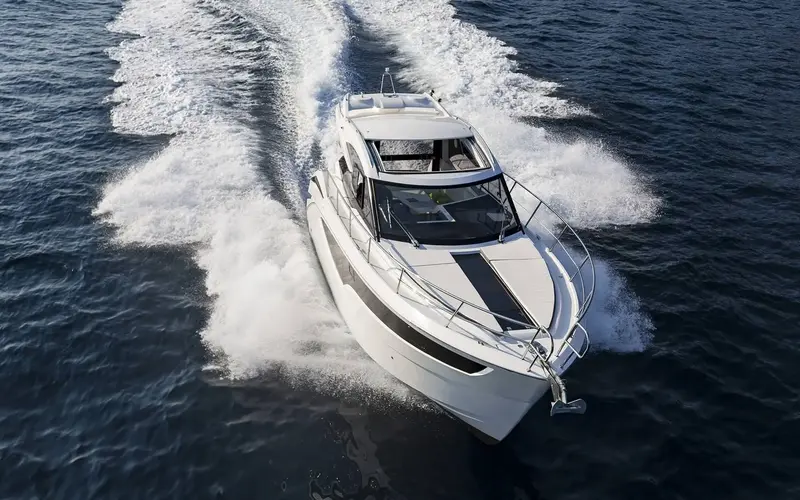
The core distinction lies in whether the vessel is equipped for extended seagoing life. Speedboats prioritise speed, agility and short-range cruising, offering limited space and lacking living facilities. Mini-yachts, though compact in size, are designed with greater emphasis on habitability, featuring basic living quarters and typically exhibiting more stable handling. The choice depends on primary purpose: opt for a speedboat for short, exhilarating outings; choose a mini-yacht for short, leisurely overnight trips.
Q2: Are the annual maintenance costs for mini yachts high?
While relatively lower than that of larger yachts, the absolute costs still warrant careful consideration. Annual maintenance expenses typically amount to approximately 5% to 10% of the vessel's value. Key expenditures include: berthing/marina fees, regular servicing and upkeep, insurance premiums, fuel costs, and winter storage/berthing fees. Additionally, a contingency fund for unexpected repairs should be set aside.
Q3: Are mini yachts suitable for beginners?
Yes, yachts are generally more suitable for beginners than larger yachts. Their advantages include: a relatively simpler system, less troubleshooting and learning pressure; lower initial purchase and operating costs, and more manageable trial-and-error costs. However, basic training and learning (tips for buying a new yacht) are still recommended. Learning navigation rules, safe operation, basic navigation, and mechanical knowledge is crucial.
Q4: What is the average cost of a 30-foot yacht?
A typical 30-foot yacht usually costs US$100,000–300,000 if bought new, depending on the brand, engine type, and onboard equipment. On the used market, prices are much lower, generally US$40,000–150,000, with older or simpler models at the low end and well-maintained premium brands at the high end.
Q5: How much does it cost to maintain a small yacht per year?
Annual running costs for a small yacht are usually about 8–12% of the boat’s market value. This includes marina fees, insurance, engine servicing, cleaning, and minor repairs. For most 30-foot yachts, that works out to roughly US$5,000–20,000 per year, depending on how and where the boat is used.
Q6: Are used small yachts significantly cheaper than new ones?
Yes. A used small yacht is often 50–70% cheaper than a comparable new model. Boats depreciate quickly in their first 5–8 years, so buying used lets you get more size, better equipment, or a higher-end brand for the same budget.
Q7: Do small yachts require professional financing?
No, financing is not required. Many buyers pay cash for smaller yachts, but marine loans are widely available and are often used for boats priced above US$80,000–100,000 to reduce upfront costs and keep cash available for maintenance and upgrades.
Riley Miller
Riley Miller is the owner of the “Serendipity” yacht, a contributing columnist for “Yachting Monthly,” and has published 17 in-depth analyses on yacht cost management. He also serves as an advisory committee member for the European Second-Hand Yacht Association (ESYA) and holds the International Yachting Certificate ICC-UK-2019C-17429, with certified cruising areas covering the Mediterranean and the western coast of the Atlantic.
Disclaimer
This article is based on publicly available market data, broker listings, and industry depreciation reports.
The content herein is for informational purposes only and is intended to share the author's personal experiences and perspectives. It does not constitute legal, tax, or investment advice. Yacht transactions involve complex legal, financial, and technical matters. Actual purchasing processes may vary due to regional regulations, vessel type differences, or individual circumstances. Before making any yacht purchase decisions, readers are advised to consult licensed professionals (such as attorneys, tax advisors, licensed yacht brokers, or surveyors) for personalized guidance tailored to their specific situation. Neither the author nor the publisher shall be liable for any direct or indirect losses arising from reliance on the information provided herein.