Quick Answer:
Yes. Any yacht crew member performing navigation, watchkeeping,or safety-related duties must hold a valid STCW certificate.This applies to private and commercial yachts, including temporary crew,especially on vessels over 24 meters or operating internationally.
Working in the yachting industry,obtaining an STCW certificate for yacht crew is a fundamental qualification. Whether you are preparing to obtain the certificate or seeking to understand its practical application, this article provides a comprehensive overview of STCW training content, certificate scope, and specific implementation across different yacht operations. It assists owners and crew in clarifying compliance requirements. Particularly before purchasing a yacht and commencing actual operations, understanding STCW standards in advance helps avoid subsequent compliance and operational risks.
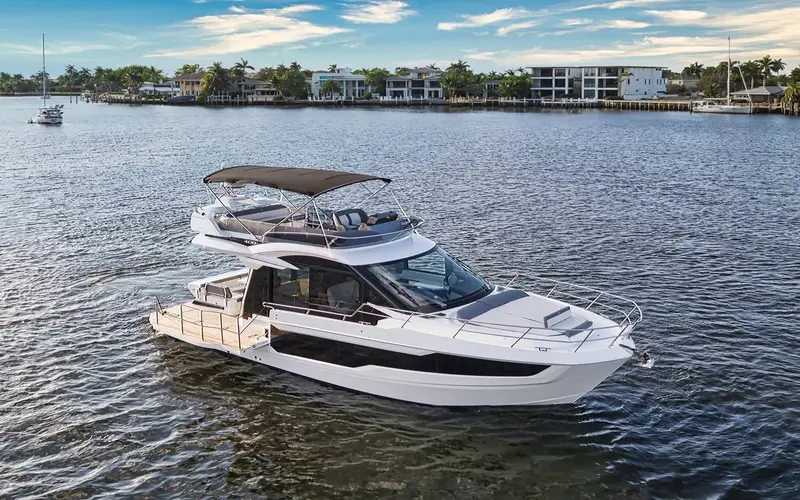
1. Overview of STCW Requirements: Why Yacht Crew Members Must Comply
The STCW Convention (Standards of Training, Certification and Watchkeeping for Seafarers) is a globally adopted international safety standard established by the International Maritime Organization (IMO) in 1978, with revisions in 1995 and 2010.
In practical yacht operations, STCW establishes the minimum competency standards required for crew members performing operational, safety, or watchkeeping duties onboard.
STCW training prepares yacht crew to respond effectively to emergency situations such as:
- Fire emergencies
- Man overboard incidents
- Abandon ship procedures
- Medical emergencies
In the yachting industry, STCW compliance plays a critical role in both regulatory oversight and liability management. Authorities and insurers commonly verify STCW certification through:
- Port State Control inspections
- Flag State compliance reviews
- Insurance risk assessments
STCW certification is generally mandatory for crew members performing onboard duties, particularly when operating:
- Yachts over 24 meters
- International or offshore voyages
- Commercial or charter operations
For yacht crew members, STCW certification serves as internationally recognized proof of professional safety competency. For yacht owners, verifying STCW compliance is a key step in maintaining lawful vessel operations, reducing operational risks, and ensuring proper liability protection.
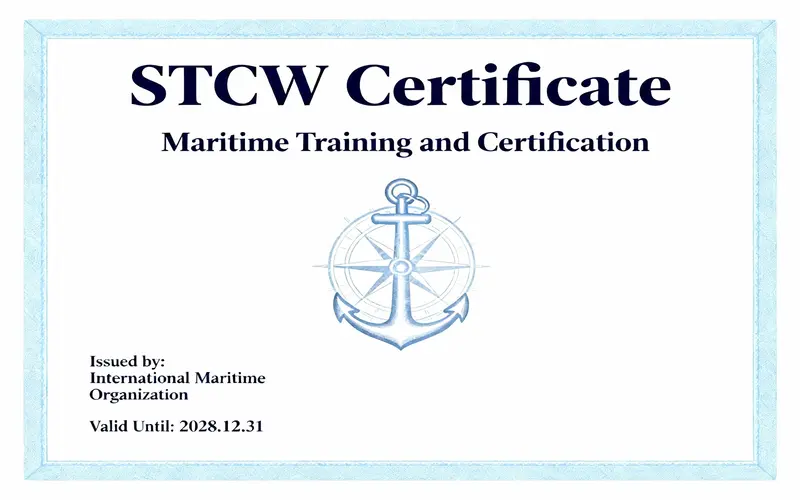
2. Which Yacht Crew Members Must Hold STCW Certificates
In yacht operations, determining which crew members require STCW certificates depends on their actual duties onboard. Any crew member responsible for navigation, watchkeeping, or safety-related tasks during voyages must undergo STCW training and hold the corresponding certificates.
The table below summarizes common yacht crew roles and highlights STCW certificate requirements for yacht crew, along with examples of typical onboard responsibilities. This aids owners and crew in quickly assessing certification needs for each position, taking into account vessel type and operational circumstances.
| Crew Types | Is certification required? | Applicable Situations / Notes | Typical Responsibilities |
| Captain | ✅ Required | Applies to all individuals responsible for navigation and safety management on private or commercial vessels | Navigation command, emergency decision-making, crew coordination |
| Bridge Watchkeeping Officer | ✅ Required | Responsible for navigational watchkeeping, especially during night or long-distance voyages | Steering, navigation, observation, reporting anomalies |
| Deck Crew | ✅ Recommended / Typically required | Personnel involved in navigation, docking, hoisting, or safety operations | Mooring, anchoring, lifesaving equipment operation, deck safety |
| Engine/Engine Room Crew | ✅ Required (involves critical system operations) | All vessels involved in critical system operations | System operation and maintenance, emergency fault handling |
| Cabin/Service Crew | ⚠️ Depends on responsibilities | Not typically required for cabin service only; required if emergency or safety duties are involved | Cabin service, firefighting assistance, lifeboat operation |
| Temporary Crew | ⚠️ Depends on responsibilities | Must comply with STCW standards whenever performing operational, watchkeeping, or safety duties | Performing watchkeeping or operational duties according to assigned positions |
From my yacht brokerage and vessel appraisal experience, many owners assume private yacht crew are exempt from STCW requirements. In reality, certification is often required during port inspections or insurance claims, especially for yachts over 24 meters or offshore voyages. Even temporary crew performing operational or safety duties may need certification, so verifying STCW compliance early is essential for safe and compliant operations.
Tip: On yachts over 24 meters engaged in international voyages or commercial operations, even temporary crew members performing operational or safety duties almost universally require STCW certification.
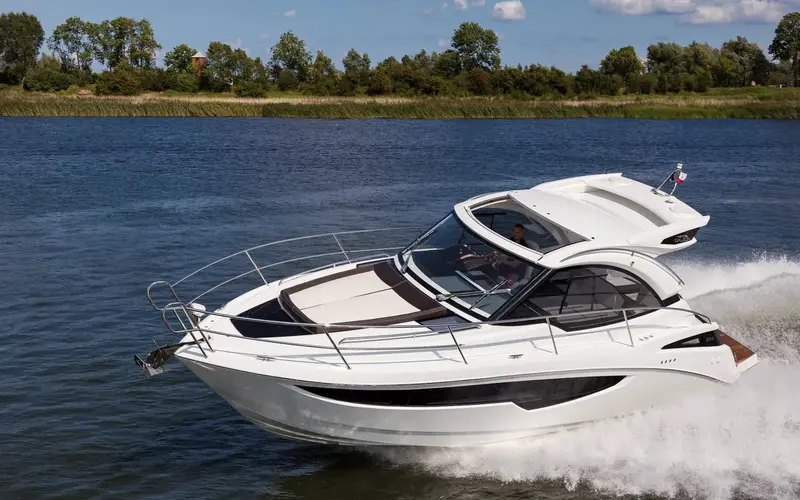
3. STCW Mandatory Courses and Certificate Scope Explanation
The STCW certificate for yacht crew ensures seafarers possess the fundamental competencies required to respond to maritime emergencies and safely perform onboard duties. Requirements for certificates and training courses vary depending on the position, navigation scope, and vessel type.
Core Mandatory Course (Basic Safety Training, BST)
Nearly all crew members on duty must complete foundational safety training, covering:
- Fire Prevention & Firefighting: Understanding fire prevention measures, using firefighting equipment, and extinguishing operations
- Personal Survival Techniques: Mastering lifeboat operation, abandon ship procedures, and survival strategies
- First Aid & Medical Care: Basic first aid skills, CPR, and medical emergency response
- Personal Safety & Social Responsibilities: Safety awareness, maritime conduct standards, teamwork and communication
💡 Expert Tip: For offshore yachts or commercial operations, ports and insurance providers typically conduct thorough verification of these foundational training requirements.
Advanced and Position-Specific Training
Depending on specific duties and vessel type, certain positions require additional training:
- Master and Officer of the Watch: Navigation, communications, vessel management, emergency command
- Engineer/Mechanic: Power system operation, mechanical safety, troubleshooting
- Deckhands: Crane operations, mooring, safety inspections
- Stewards/Stewardesses: Firefighting assistance, lifeboat operation, passenger safety guidance
Scope of STCW Certificates
Upon completing training, seafarers receive corresponding STCW certificates, typically categorized by duty level and navigation scope:
- Basic Safety Training Certificate: Applicable to all seafarers performing duties
- Deck/Engine Officer Certificate: Covers specialized operations and safety management based on role requirements
- Extensions for International/Night Navigation: Targeted at multinational voyages, deep-sea routes, or specialized vessel systems
Overall, the STCW certification system ensures crew members can safely perform duties and respond to emergencies across all vessel types and navigation environments through foundational and role-specific training.
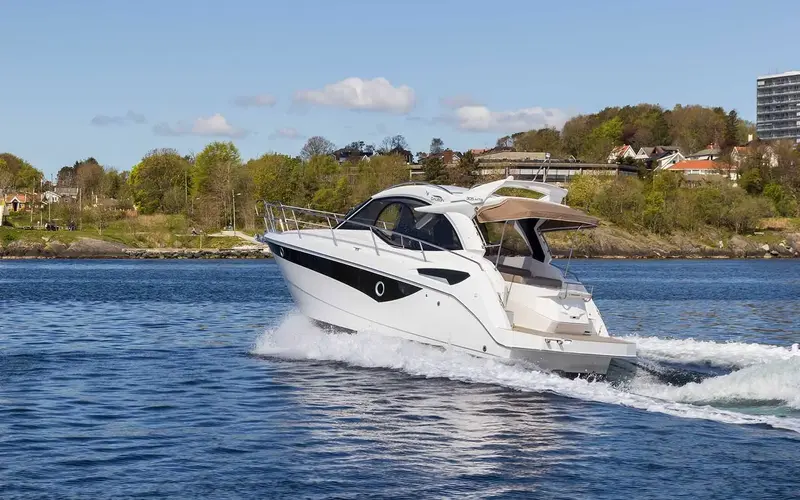
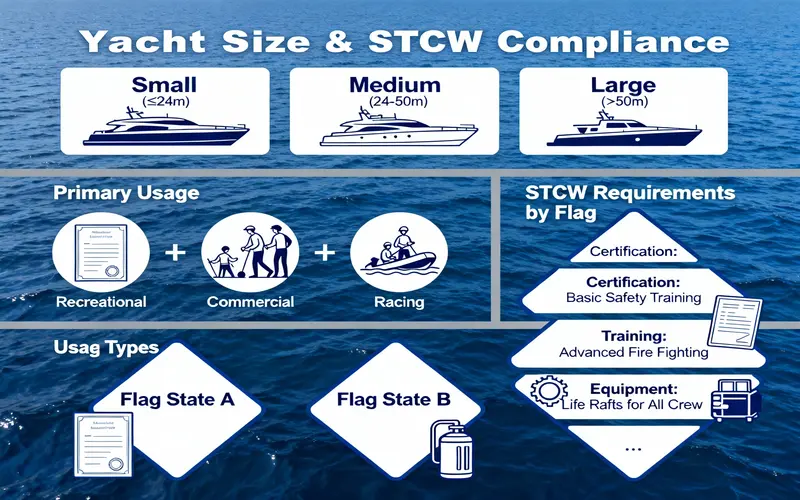
4.STCW Requirements Based on Yacht Size, Purpose, and Flag State
STCW yacht requirements, including rules for private yachts, temporary crew, and yachts over 24 meters, are determined not only by crew positions but also by yacht size, operational purpose, and flag state regulations. The table below outlines how STCW yacht requirements vary based on yacht size, operational purpose, and flag state regulations, helping owners and crew assess certification obligations more efficiently.
| Classification | Type | STCW Requirements | Compliance Reminder |
| Dimensions | 12–24 meters | Certification required for key positions; temporary/cabin crew subject to circumstances | Small private yachts, primarily for leisure; STCW certification still required for operating or on-duty crew |
| 24–40 meters | Certification mandatory for bridge watchkeeping, engineers, and key deck crew | Certification mandatory for bridge watchkeeping, engineers, and key deck crew | |
| Over 40 meters | Certification required for all operational, watchkeeping, and safety-related crew | Superyachts, commercial operations or ocean voyages; verify certificates early to avoid last-minute renewals | |
| Purpose | Private Yachts | Certification required for basic positions; cabin service subject to duties | Primarily for recreational cruising; temporary crew participating in operations still require STCW certification |
| Commercial/Charter Yachts | Certification required for all crew | Passenger transport, events, or transnational operations; strict port inspections | |
| Flags | Major European and American Flags | Mandatory certification for vessels over 24 meters and key personnel; ocean-going/night navigation courses required for offshore voyages | Strict port inspections require advance verification |
| Major European and American Flags | Relaxed requirements for 12–24-meter vessels; cross-border voyages still must meet international standards | Confirm crew certificates meet flag state requirements before planning routes |
Understanding STCW requirements across different vessel types and operational environments empowers shipowners to make more efficient and safer crew manning decisions.
5. Common STCW Compliance Pitfalls and Shipowner Practical Checklist
Even when shipowners or crew understand general STCW yacht requirements, common compliance mistakes still occur, particularly involving private yachts, temporary crew, and yachts operating internationally.Recognizing these issues and conducting proactive checks can prevent complications during port inspections, insurance claims, or commercial operations.
Common Compliance Misconceptions
Misconception 1: Private yacht crew members do not require STCW certification
This is incorrect. STCW certification is still required whenever crew members perform operational or safety duties.
Common situations where certification is mandatory include:
- Yachts over 24 meters
- Offshore or international voyages
- Crew members assigned emergency or watchkeeping roles
Misconception 2: Basic training suffices
BST (Basic Safety Training) is only the foundation of STCW certification. Additional qualifications may still be required depending on operational scope and crew responsibilities.
Additional certifications may include:
- Officer or bridge watchkeeping endorsements
- Engineering or technical operation certifications
- Specialized navigation or offshore training
Misconception 3: Temporary crew members need no certification
Certification requirements depend on duties rather than employment duration.
Temporary crew must hold valid STCW certification if they:
- Participate in navigation or watchkeeping
- Assist with deck or mooring operations
- Undertake emergency or safety responsibilities
Misconception 4: Certificates expire or lack recognition
STCW certificates have defined validity periods and must comply with flag State recognition rules.
Failure to maintain certificate validity may result in:
- Port entry delays or inspection issues
- Insurance coverage disputes
- Mandatory retraining or certificate endorsement
Misconception 5: Focusing solely on captains or bridge personnel
Multiple onboard roles may carry emergency or safety responsibilities beyond navigation personnel.
Certification may also be required for:
- Deck crew involved in operational or safety procedures
- Engineering crew responsible for critical systems
- Interior crew assigned passenger emergency support
Owner's Practical Checklist
For owners, verifying crew certificates should not be delayed until after delivery or departure. Instead, it should be integrated into the vessel acquisition decision-making phase—a critical point frequently emphasized in recommendations for purchasing new yachts. When staffing or reviewing crew, refer to the following checklist:
✅ Verify the validity of each crew member's STCW certificate
✅ Verify certificates match assigned duties (bridge, engineering, deck, guest/service)
✅ Confirm training covers operational scope (coastal/ocean/night navigation)
✅ Verify certificates meet flag state requirements
✅ Maintain electronic and hard copies of certificates for port inspections or insurance audits
✅ Document certification status for temporary or part-time crew members
✅ Periodically review certificate validity to avoid compliance risks from expiration
Preemptive certificate verification is a critical step in mitigating risks during port inspections and insurance claims.
6. Conclusion
STCW compliance remains one of the most critical safety and regulatory standards in modern yachting. Understanding STCW certificate requirements for yacht crew, including rules for private yachts, temporary crew members, and yachts over 24 meters, allows owners and operators to maintain legal compliance, operational efficiency, and onboard safety.
About the Author:
Andrew Rogers is a yacht broker with extensive experience in yacht sales, crew compliance, and vessel evaluation. He advises owners on purchasing decisions, regulatory requirements, and operational setup, helping ensure yachts are compliant, safe, and ready for real-world use.
Disclaimer:
This article is provided for general informational purposes only and does not constitute legal, regulatory, or professional advice. STCW requirements may vary depending on flag state, vessel size, operation type, and voyage area. Readers should always consult the relevant flag administration, maritime authority, or qualified professionals to confirm current compliance obligations before operating or crewing a yacht.
FAQ
Q1: Is an STCW certificate required for crew members on private yachts (non-commercial use)?
A: <24 meters: Key positions (Captain, Watchkeeping Officer) must be certified; only cabin service may be exempt,,≥24 meters or ocean voyages: All crew members must be certified.
Q2: After completing the STCW Basic Safety Training (BST), do I need any other certificates?
A: Captains require an Officer of the Watch (OOW) certificate, engineers require engineering qualifications, and ocean-going routes require additional endorsements.
Q3: What should I do if my STCW certificate expires? Can it be extended?
A: No extension is possible; retraining or refresher training is required.BST validity period: Training must be renewed every 5 years.
Q4: How long does it take to obtain an STCW certificate, and what are the costs?
A: Basic STCW Training (BST): 5-7 days, approximately $800-$1,500 USD;Advanced certificates (e.g., Officer of the Watchkeeping (OOW)): Several weeks to months, several thousand dollars USD
Q5: Do temporary/part-time crew members (only working for a few days) need certificates?
A: Certification is mandatory. The STCW Convention focuses on duties, not duration. Anyone involved in steering, mooring, firefighting, or watchkeeping must hold valid certificates, regardless of whether the assignment lasts one day or one year.