When choosing a yacht for sale, there are some often overlooked hidden costs beyond the yacht's purchase price. These costs can significantly increase total expenditures, potentially exceeding the budget. As a seasoned yacht broker, I've seen many buyers focus solely on the yacht's purchase price while overlooking other potential expenses. This article will reveal the 10 most overlooked hidden costs in the yacht-buying process, helping you plan your budget comprehensively and avoid financial headaches.
Table of Contents
1. Purchase Tax and Registration Fees
2. Yacht Insurance Costs
3. Ongoing Maintenance and Repairs
4. Mooring and Docking Fees
5. Yacht Fuel Costs
6. Crew and Staff Salaries
7. Yacht Seasonal Storage Fees
8. Yacht Upgrade and Customization Costs
9. Yacht Depreciation
10. Unexpected Emergency Costs
1. Purchase Tax and Registration Fees
When buying a yacht, taxes and registration fees are fundamental expenses every buyer must consider, yet many buyers often overlook this aspect at the outset.
• Taxes and Fees
Typically levied based on the yacht's purchase location and value, including Value Added Tax (VAT) and sales tax. Tax rates vary by country, with some nations offering tax exemptions while others impose higher rates.
• Registration Fees
Fees required to ensure legal registration of the yacht, including vessel registration fees and name registration fees. Costs differ based on the registration region, type, and size of the yacht.
Regardless of where you plan to purchase a yacht, understanding local tax policies is crucial. One of my clients failed to account for VAT (Spain's VAT rate is 21%) when buying a yacht in Spain, resulting in this expense amounting to one-fifth of the yacht's purchase price. He later shifted his yacht purchase to the Cayman Islands, successfully saving a significant amount.
Additionally, the legal status of registered yachts is equally important. Last year, one of my clients encountered legal issues while sailing after failing to complete the registration process promptly following the yacht's purchase. This not only resulted in additional fines and rectification costs but also increased the complexity of yacht management. Ensuring clear and lawful registration is not only a legal requirement but also helps avoid unnecessary complications and risks.
Buying a yacht involves more than just selecting your dream vessel. When planning your budget, be sure to factor in taxes and registration fees to avoid overspending and unexpected financial strain.
2. Yacht Insurance Costs
Yacht insurance provides essential protection for your vessel and its owners against accidents, natural disasters, or other unforeseen events. One of my clients once overlooked liability coverage, deeming it unnecessary. After my explanation, he realized maritime accidents could lead to substantial compensation claims. He ultimately opted for comprehensive insurance including liability coverage, thereby avoiding potential risks.
Common Types of Yacht Insurance Include
• Hull Insurance
This coverage protects the yacht itself against damage, including collisions, sinking, fire, and theft. If your yacht is damaged while underway, hull insurance will cover repair costs.
• Liability Insurance
This insurance covers compensation costs if your yacht causes property damage or bodily injury to others during operation. It is particularly crucial for commercial yacht use, such as rentals or hosting events.
• Comprehensive Coverage
The most common option, this combines property and liability protection. Choosing comprehensive coverage typically ensures your yacht is fully protected against a wide range of risks.
Additionally, some yacht insurance providers offer customized coverage options such as weather insurance and adverse sea conditions insurance, allowing policyholders to expand protection based on their specific sailing environments and requirements.
Factors Affecting Yacht Insurance Costs
The cost of yacht insurance varies based on several factors, primarily including:
• Yacht Age and Value
Newly bought yachts typically incur higher insurance premiums due to their greater value and potential for significant losses. One of my clients purchased a brand-new 80-foot yacht with insurance costs amounting to approximately 1.2% of its value. Conversely, an older yacht, though less expensive, may have lower premiums. However, due to aging-related issues, it carries higher maintenance risks, potentially leading insurers to require increased coverage limits.
• Yacht Brand and Type
Insurance premiums for well-known brands or high-end custom yachts are typically higher due to the increased repair and replacement costs associated with these vessels.
• Frequency of Use and Purpose
If you plan to sail frequently or use the yacht for commercial purposes, insurance costs will increase accordingly. For instance, yachts used for short-term rentals or large-scale events typically require more comprehensive insurance coverage.
• Geographic Location and Risk Assessment
If your area frequently experiences severe weather or has high theft rates, insurance companies may increase premiums or require higher coverage limits. I once had a client purchasing a yacht in the Caribbean where the insurer adjusted policy terms and costs based on the region's frequent hurricane season.
Typically, yacht insurance premiums range from 1% to 1.5% of the yacht's purchase price. If you buy a yacht valued at $1 million, the insurance cost would be approximately $10,000.
When helping clients plan their yacht purchase budget, I always remind them to thoroughly discuss their options with insurance providers to ensure they select an appropriate coverage plan and tailor the scope of protection to their actual needs. While insurance premiums represent an additional expense when buying a yacht, the security they provide is undoubtedly worth the investment.
3. Ongoing Maintenance and Repairs
The routine maintenance and repair of yachts represent essential expenditures to ensure vessels remain in optimal seaworthy condition and extend their service life. Like any other high-value asset, yachts require regular inspections and upkeep to prevent unexpected breakdowns or performance degradation. Whether for small yachts or luxury vessels, periodic maintenance is an unavoidable expense. I once had a client who neglected regular engine maintenance after buying a yacht, ultimately leading to engine failure with repair costs reaching thousands of dollars.
Common Maintenance Tasks
• Engine Maintenance
Yacht engines require regular inspection and maintenance, including oil changes, cooling system checks, and replacement of worn components. I once assisted a client with a comprehensive engine inspection for their newly bought yacht, ensuring smooth operation and replacing worn belts and filters to prevent potential future failures.
• Hull Cleaning and Anti-Corrosion Treatment
Cleaning the hull not only helps maintain the yacht's appearance but also reduces seawater corrosion. Many yachts require regular waxing or application of anti-corrosion coatings, especially after extended voyages. I once had a client who ensured his yacht's hull underwent thorough cleaning and anti-corrosion treatment before sailing, effectively preventing seawater damage.
• Equipment Maintenance and Replacement
Certain yacht equipment, such as navigation systems, steering gears, pumps, and batteries, may malfunction over time. These components require regular inspection and replacement. I once assisted a client in replacing his yacht's navigation equipment to ensure precise route control during voyages.
• Hull Cleaning and Antifouling
Marine environments cause algae and other organisms to attach to hulls, impairing performance and potentially damaging the hull structure. Regular cleaning and application of antifouling coatings are essential steps to maintain a yacht in optimal condition.
• Electrical System Inspection
Verify the proper functioning of electrical components including batteries, generators, and lighting systems to ensure navigational safety.
According to YATCO's yacht maintenance cost analysis, a yacht valued at approximately $5 million and typically ranging from 50 to 100 feet in length requires annual maintenance expenses of roughly $250,000 to $500,000. These maintenance costs vary depending on the vessel's specific size, type, frequency of use, and routine upkeep. However, many boat owners fail to adequately account for these expenses, leading to higher costs during unexpected repairs. Regular maintenance not only reduces the frequency of unexpected repairs but also prevents major breakdowns and costly repairs.
4. Mooring and Docking Fees
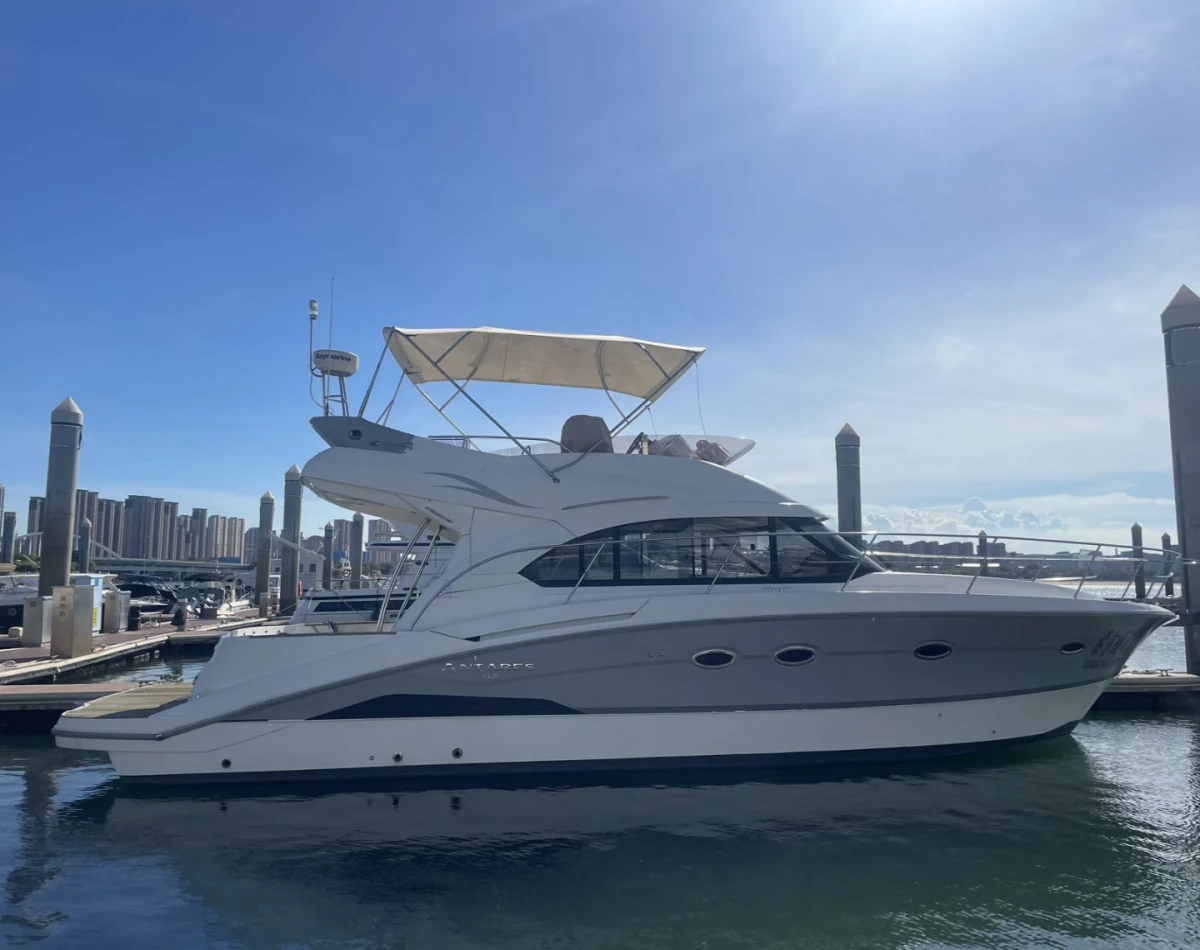
As a yacht broker, I've seen many clients overlook the significance of mooring fees, resulting in total ownership costs far exceeding their expectations. Mooring fees encompass more than just rental charges; they may also include utilities, wastewater treatment, security services, and marina facilities. These services significantly enhance the owner's convenience and the yacht's safety. Certain high-end marinas even offer additional services such as maintenance, cleaning, and crew accommodations—though these naturally come at a cost.
Influencing Factors
Berthing fees are influenced by multiple factors, and understanding these factors can help you make informed decisions.
• Port Location
Docks situated in city centers, tourist hotspots, or along busy shipping routes typically cost more than those in remote areas. When one of my clients considered docking his yacht at a popular city port, I advised him that downtown rates were higher. Ultimately, he opted for a more cost-effective harbor. Thus, selecting the right geographic location can significantly impact expenses.
• Marina Facilities and Services
Some marinas offer additional amenities such as restaurants, swimming pools, fitness centers, and maintenance services, which increase rental costs. I have clients who selected marinas providing maintenance and crew accommodations—though pricier, these enhance convenience.
• Vessel Size
The size of a yacht directly impacts mooring fees. Generally, larger vessels require larger berths, which come with higher costs. One of my clients purchased a luxury yacht exceeding 100 feet in length, incurring correspondingly higher mooring expenses. They subsequently selected a marina equipped to accommodate large yachts.
• Seasonal Fluctuations
During peak travel seasons (such as summer or holidays), marina rental fees typically increase, while discounts or special offers may be available during off-peak periods.
• Docking Duration
Long-term leases typically offer better value than short-term leases. One of my clients opted for an annual lease and successfully saved on costs.
Berthing Fees
Yacht mooring fees vary significantly depending on the region and facilities.
• City Centers or Popular Tourist Ports
Annual mooring fees at marinas in sought-after locations like Monaco or Miami can range from $10,000 to $50,000, depending on vessel size and selected marina amenities.
• Remote or Secondary City Ports
If you plan to moor your yacht in less-traveled ports, costs are relatively lower. In some secondary European cities, mooring fees may range from $5,000 to $15,000. I once chose to moor my yacht in a small Spanish port, where costs were significantly lower than in popular cities like Marbella and Barcelona.
• Short-Term Mooring Fees
For brief stays (e.g., one month), rates are typically higher, ranging from $500 to $2,000 per month depending on port traffic levels.
Mooring fees constitute a significant portion of yacht ownership costs. Selecting the appropriate marina and berthing location not only ensures the yacht's safety but also helps control expenses within reasonable limits. I recommend thoroughly considering mooring costs before purchasing a yacht and selecting the optimal marina based on your personal needs and budget. This approach not only helps avoid unnecessary future expenses but also ensures more convenient and comfortable yacht usage.
5. Yacht Fuel Costs
Fuel expenses are a common cost in yacht operations, particularly during extended voyages or long-distance cruises, where fuel costs account for a significant portion of overall expenses. Many prospective buyers overlook the long-term financial implications of fuel when considering the initial purchase price of a yacht.
Factors Affecting Fuel Costs
The fuel costs for a yacht are influenced by multiple factors, primarily including:
• Sailing Time and Speed
Extended periods of high-speed sailing consume more fuel, while cruising at lower speeds is more fuel-efficient. One of my clients reduced fuel consumption and improved sailing stability by lowering their cruising speed.
• Yacht Type and Size
Larger yachts typically feature multiple powerful engines, resulting in higher fuel consumption than smaller vessels. A client who purchased an 80-foot luxury yacht experienced significantly higher hourly fuel consumption compared to another client who chose a 30-foot speedboat.
• Sailing Conditions
Weather and sea conditions also impact fuel consumption. Headwinds, rough seas, and strong currents force engines to work harder, increasing fuel use. During a sea trial with a client, strong winds and waves led to higher fuel consumption despite adjusting speed.
• Engine Type
Different engine types vary in fuel efficiency. Generally, diesel engines offer higher fuel efficiency than gasoline engines, making them suitable for extended long-distance voyages. I once assisted a client in purchasing a yacht primarily powered by a diesel engine, which not only reduced hourly fuel consumption but also ensured the yacht could cover greater distances.
• Cargo and Load
The heavier the yacht's cargo, the greater the strain on the hull, requiring more energy to propel it and consequently increasing fuel consumption. Carrying substantial cargo or hosting large gatherings onboard increases the vessel's load, leading to higher fuel usage.
Fuel Costs for Yachts of Different Sizes
- For mid-sized yachts (30-50 feet), hourly fuel costs typically range from $100 to $300, depending on cruising speed, hull type, and whether high-speed navigation is involved.
- For large yachts (50 feet and above), hourly fuel costs can range from $500 to $1,500 due to their larger engines and higher fuel consumption, especially during high-speed cruising.
- Smaller yachts (such as sailboats or compact motorboats) may incur hourly fuel costs between $30 and $100.
Understanding fuel consumption patterns and associated costs is crucial for effectively controlling expenditures. By rationally planning voyage duration, speed, and range, fuel expenses can be significantly reduced.
6. Crew and Staff Salaries
Crew salaries are often overlooked by many yacht buyers, especially during the initial purchase phase when most focus solely on the yacht's acquisition cost. However, if your yacht is larger or intended for commercial use, hiring professional crew becomes unavoidable.
I have seen many clients underestimate crew compensation, leading to unexpected operational costs later on. Therefore, understanding crew salaries and benefits and budgeting accordingly can help plan for the total cost of ownership more comprehensively.
Common Crew Positions
The composition and position requirements of the crew vary depending on the yacht's size and functionality. Below are some common crew positions:
- Captain
- First Mate
- Engineer
- Chef
- Steward/Stewardess
- Deckhand
For a large yacht measuring 60-100 feet, the annual cost of employing a full-time crew typically ranges from $150,000 to $300,000. Costs may be higher for commercial use; smaller private yachts generally require only a captain and a few deckhands, resulting in relatively lower expenses.
Therefore, I recommend that when buying a yacht—especially for large or commercial purposes—crew salaries should be included in your budget. Plan crew staffing and benefits appropriately to ensure smooth yacht operations and deliver high-quality service.
7. Yacht Seasonal Storage Fees
As a yacht broker, I've observed that many clients overlook seasonal storage costs when purchasing a yacht, particularly those residing in colder climates or regions with infrequent boating opportunities. Without proper storage, yachts may suffer damage from frost, corrosion, mold growth, and other factors, leading to hull deterioration and increased repair expenses. Therefore, selecting an appropriate storage location and facility is crucial for preserving the yacht's value.
Influencing Factors
Seasonal storage fee changes are primarily influenced by the following factors:
• Storage Location
The geographic location of storage facilities directly impacts storage costs. Facilities in popular tourist destinations command higher fees, while those in remote areas offer lower rates. One of my clients selected a less popular storage facility, saving money while ensuring better protection for their yacht.
• Storage Facility Type
Indoor storage (such as enclosed dry docks) typically costs more but offers superior protection; outdoor storage is cheaper but may increase the risk of damage. One client reported that after choosing outdoor storage, his yacht sustained minor frost damage due to severe winter cold.
• Yacht Size
The yacht's dimensions significantly impact storage costs. Larger vessels require more space and higher-grade facilities, typically resulting in higher fees.
• Storage Duration
Extended storage periods (e.g., full winter or multiple months) often qualify for discounts. Short-term storage costs are generally higher, particularly during peak seasons.
• Additional services
Some storage facilities offer supplementary services like regular maintenance, cleaning, or freeze protection measures, which increase the total cost. I once had a client request freeze protection for their yacht to ensure equipment remained undamaged during severe winters; this extra service correspondingly raised the storage fee.
Seasonal Storage Fees
Seasonal storage fees vary significantly, with specific costs typically determined by the storage location, yacht size, and type of storage facility.
• Outdoor Storage
For small to medium-sized yachts (e.g., 30-50 feet), monthly storage fees typically range from $300 to $800. For larger yachts or superyachts, costs may be higher, potentially reaching $1,000 to $2,500 per month.
• Indoor Storage
Opting for indoor storage (such as enclosed marinas or dedicated boat sheds) typically incurs higher costs. For mid-sized yachts, storage fees may range from $1,000 to $3,000 per month; for larger vessels, costs can reach $5,000 to $10,000 monthly.
• Long-Term Storage
If you need to store your yacht for multiple seasons (e.g., the entire winter), some storage facilities may offer discounts. Long-term storage fees are generally lower, potentially dropping to $200 to $500 per month, depending on the yacht's size and the storage facility.
Seasonal storage fees are part of the cost of yacht ownership, especially for owners who use their vessels infrequently. Choosing the right storage facility and location not only ensures the safety of your yacht but also helps you manage costs to some extent.
8. Yacht Upgrade and Customization Costs
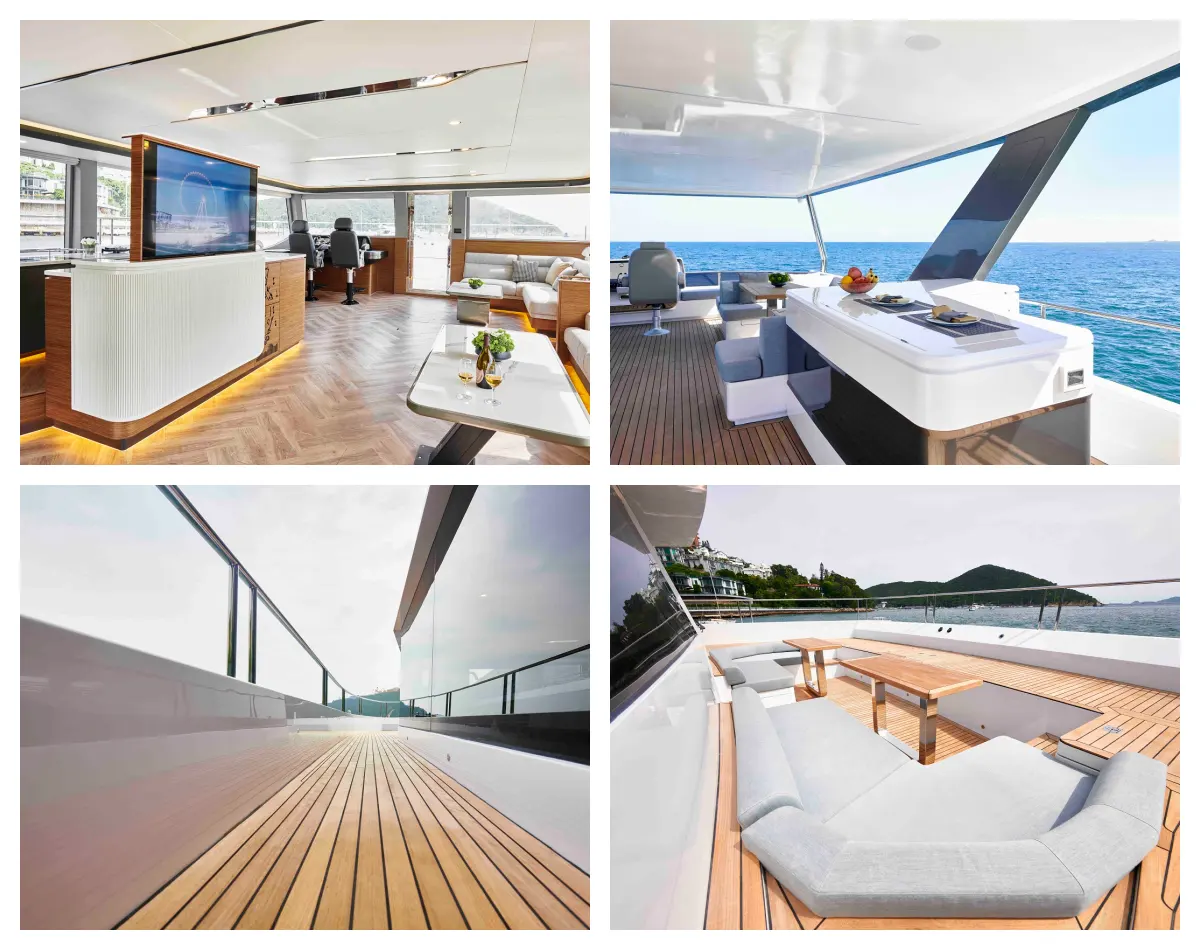
As a seasoned yacht broker, I've seen many clients opt to upgrade and customize their boats after purchase to meet their high standards for comfort, functionality, and aesthetics.
Common Upgrade and Customization Projects
The following are some common yacht customization upgrade projects, which typically require additional investment:
• Interior Decor and Luxury Furnishings
Many clients choose to enhance their yacht's comfort and aesthetics by upgrading the interior decor. One client upgraded their entire interior space, including replacing luxury sofas, custom lighting fixtures, and high-end curtains, at a cost ranging from $5,000 to $50,000. For luxury yachts in particular, interior customization often requires professional designers, potentially incurring higher expenses.
• Kitchen and Dining Facility Upgrades
If you enjoy hosting parties or family dinners aboard your yacht, upgrading kitchen and dining amenities is essential. One client installed Italian-designed kitchen appliances, a double-door refrigerator, and professional bar facilities, costing between $10,000 and $30,000.
• Entertainment Systems and AV Equipment
Yacht entertainment systems and audiovisual equipment are also key priorities for many owners. I upgraded a client's sound system and installed high-end home theater equipment in the guest cabin, costing approximately $5,000 to $25,000.
• Navigation and Communication Systems
Modern yacht navigation and communication systems are critical, especially for owners who enjoy extended voyages. One client upgraded to high-end radar, GPS, and communication systems, with costs ranging from $10,000 to $50,000.
• Performance Enhancement
If a yacht owner seeks to increase speed or fuel efficiency, performance upgrades are a common customization project. One of my clients replaced their engine with a more powerful unit and installed an efficient propulsion system, costing between $20,000 and $100,000. Such upgrades are essential if you plan extended voyages or require high performance.
• Deck Facilities and Outdoor Areas
Luxury yachts often feature lavish outdoor amenities like swimming pools, hot tubs, and adjustable decks. One client added a pool and multiple lounge areas during their yacht purchase, costing between $10,000 and $100,000.
• Luxury Bathroom and Bedroom Design
When upgrading bathrooms and bedrooms, owners typically opt for additions like Jacuzzis, smart bathroom fixtures, and premium bedding to amplify the yacht's opulence. I assisted a client in redesigning their bedroom and bathroom with high-end bathroom fixtures, costing between $5,000 and $50,000.
When buying a yacht, consider potential future customization costs. Through customization, you can add unique features to the yacht, making it better suited to your personal needs. One of my clients enhanced the luxury and comfort of their yacht by customizing high-end interiors and upgrading the audio system, ultimately achieving a higher return when reselling it on the market. Therefore, understanding these potential costs helps better plan budgets and avoid unexpected expenses.
9. Yacht Depreciation
When buying a yacht, many clients focus solely on the initial purchase price while overlooking the impact of depreciation. Like most luxury goods, yachts typically experience significant value loss in the years following purchase, especially those used frequently.
Factors Affecting Yacht Depreciation
The rate at which yachts depreciate is influenced by multiple factors, primarily including:
• Usage Frequency
The frequency of yacht usage significantly impacts depreciation. Yachts used frequently tend to depreciate faster than those used less often due to more severe wear and tear. I once had a client who began taking their yacht out frequently shortly after purchase, resulting in rapid deterioration of the vessel's equipment and hull, which significantly reduced its market value.
• Age of the Boat
The age of a yacht is a key factor in depreciation. According to YATCO's analysis of yacht depreciation, yachts typically depreciate most rapidly during the first five years after purchase, with depreciation rates reaching as high as 40%-50%. As the yacht ages, while it may still retain some value, the rate of depreciation generally slows.
• Brand and Model
The recognition and market demand for a yacht brand directly influence its depreciation rate. Well-known brands such as Azimut, Ferretti, and Sunseeker typically retain value better than others. High-end, custom-built, or limited-edition yachts also tend to maintain higher market value.
• Maintenance and Care
Proper upkeep and regular servicing can slow a yacht's depreciation process. Yachts lacking maintenance or periodic inspections experience accelerated aging of mechanical equipment, hull structures, and electronic systems, thereby diminishing their resale market value.
• Hull and Equipment Condition
The appearance of the hull, the state of internal facilities, and the operational status of onboard equipment all influence depreciation rates. Yachts with pristine exteriors and fully functional equipment typically command higher prices in the pre-owned market, whereas hull scratches or equipment malfunctions accelerate depreciation.
How to Slow Down Depreciation?
Although yacht depreciation is inevitable, certain strategies can effectively slow its pace, helping you retain a higher market value. Here are six effective strategies I've summarized:
• Opt for High-Value-Retaining Brands
When purchasing a yacht, choose well-known brands with strong market demand. Yachts from these brands typically hold their value better—such as Azimut, Princess, and Sunseeker—often retaining higher resale value. Barring special circumstances, I always recommend these boat brands to my clients.
• Regular Maintenance and Care
It is crucial to perform routine maintenance on the yacht's mechanical equipment, hull, and electronic systems. This not only extends the yacht's lifespan but also preserves its appearance and functionality, thereby slowing depreciation. I always advise clients to maintain their yachts regularly, ensuring their equipment and hull remain in optimal condition so they can achieve a higher return when selling in the future.
• Avoid Overuse
Frequent high-intensity use accelerates wear and tear, leading to faster depreciation. I recommend implementing proper storage measures when the yacht is not in frequent use and avoiding prolonged periods of high-intensity sailing.
• Selecting the Right Time to Buy
Fluctuations in the yacht market can influence depreciation rates. Purchasing a yacht during a market downturn minimizes initial losses, and selling when the market rebounds may yield higher returns. I have clients who bought yachts when prices were low and successfully resold them at higher prices after the market recovered.
• Customization and Value-Added Features
Enhancing yachts with modern amenities such as luxury interiors, state-of-the-art navigation systems, and eco-friendly technologies not only elevates the user experience but also boosts market appeal. One of my clients customized high-end features to amplify the yacht's opulence, securing a higher return on resale.
• Maintain Appearance and Cleanliness
Minimize visible wear and tear during private use. Keeping the hull clean and the interior in good condition helps preserve market value for future resale. Particularly when selling, a yacht that looks well-maintained and is in good working order typically attracts greater buyer interest.
Yacht depreciation is an unavoidable challenge for all boat owners, but with sound strategies, you can slow down this process and maintain your yacht's market value.
10. Unexpected Emergency Costs
As a seasoned yacht broker, I consistently emphasize one crucial aspect during every yacht purchase consultation with clients: unexpected emergency expenses. During operation, yachts may encounter unforeseen damage or malfunctions—such as hull collisions, mechanical failures, equipment breakdowns, or damage caused by severe weather—all of which can trigger sudden repair costs.
I once had a client who purchased a large yacht. Shortly thereafter, he encountered an accident—the yacht collided while underway, causing damage to the hull. The repair costs exceeded his original budget, which made him keenly aware of the importance of preparing emergency funds before buying a yacht. Whether buying a yacht for the first time or as an existing owner, one should be aware of the unpredictability of unexpected repair costs and their impact on financial planning.
How to Prepare?
• Establish an Emergency Fund
It is advisable to set aside an emergency fund for unexpected events, typically ranging from $2,000 to $10,000 to cover potential repair costs.
• Purchase Extended Warranty Coverage
Many yacht manufacturers offer extended warranties covering high-cost repair items, effectively reducing future maintenance burdens.
• Select Reliable Repair Service Providers
Establishing long-term partnerships with reputable repair companies ensures timely and professional support during emergencies.
When buying a yacht, establishing an emergency fund and purchasing additional warranty coverage can effectively prevent unexpected expenses from straining your finances. I've had clients who successfully avoided two costly mechanical repairs by purchasing extended warranty services.
Buying a yacht involves more than just the initial purchase price; it entails numerous ongoing expenses. By planning ahead, establishing a reasonable budget, seeking professional advice, and preparing for potential unexpected costs, you can better manage the financial pressures of yacht ownership. This approach allows you to enjoy the maritime lifestyle while ensuring your investment doesn't impose unnecessary financial burdens.
About the Author
Luna Rossi, a seasoned yacht broker certified by SAMS (Certificate No.: SAMS-66562), brings over 15 years of expertise in yacht sales, appraisals, and navigation. She is dedicated to helping clients make informed decisions in the global yacht market, ensuring each client's needs are precisely met. Whether customizing new yachts or selecting pre-owned vessels, she consistently prioritizes the balance between value for money, sailing experience, and investment potential. Providing comprehensive professional guidance and accompaniment throughout the process, she ensures every owner enjoys a safe and seamless sailing experience.
Disclaimer
This content is for reference only. While we strive for accuracy and completeness, yacht purchase-related costs, taxes, insurance, and other matters may vary by region, timing, and individual circumstances. The views expressed herein are based on our professional experience, and each yacht purchaser's needs are unique. Before making a yacht purchase decision, it is essential to consult professional tax, insurance, and legal advisors to fully understand potential costs and legal obligations, and to establish a reasonable budget. This document does not constitute legal or financial advice. Neither we nor our affiliated companies shall be liable for any consequences arising from the use of this content.