Quick Answer:
Private yacht regulations cover registration, insurance, safety, environmental compliance, and maintenance obligations.
This guide explains how private yacht owners can comply with yacht regulations legally, safely, and efficiently.
Table of Contents:
1. The Importance of Private Yacht Regulations
2. Yacht Registration Requirements for Private Owners
3. Regular Yacht Inspections and Maintenance
4. Private Yacht Insurance Requirements and Coverage Types
5. Yacht Owners' Environmental Responsibilities and Navigation Permits
6. Yacht Safety Regulations and Emergency Response Requirements
7. Conclusion
8. Frequently Asked Questions
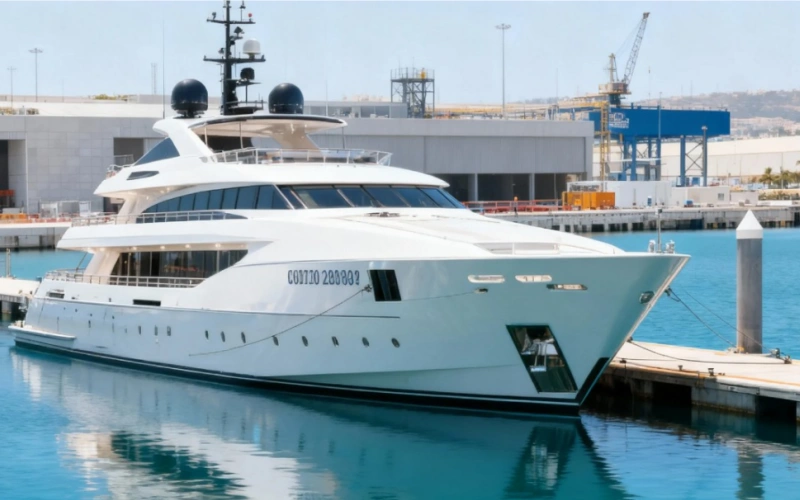
As an experienced yacht broker and owner myself, I have come to deeply understand the significance of management regulations for every private yacht owner. This is not merely a legal requirement; it directly impacts the owner's safety, asset protection, and the yacht's long-term value. If you are considering buying a private yacht or are already an owner, you absolutely cannot afford to miss this article.
1. The Importance of Private Yacht Regulations
Many owners focus primarily on hull size, speed, and aesthetics when selecting a yacht, often neglecting the regulatory framework. In reality, understanding and adhering to these regulations is an essential responsibility for every owner. Compliance ensures your vessel operates legally and helps prevent issues like hefty fines, insurance disputes, and safety hazards.
I once encountered an owner who failed to undergo the required annual inspection. During a subsequent check, serious hazards were discovered on his yacht. Not only did he incur substantial repair costs, but he also faced legal liability and fines for the missed inspection. This incident made me keenly aware that yacht regulations are not mere “paperwork”—they directly impact an owner's financial interests and safety.
To help everyone better understand the fundamental yacht management process, here is a concise step-by-step guide for private yacht owners:
| Step | Overview |
| Yacht Registration | Ensure legal registration in compliance with local regulations |
| Regular Inspections & Maintenance | Complete inspections on schedule to maintain operational integrity |
| Insurance Requirements | Purchase necessary coverage to protect the owner's legal rights |
| Environmental Compliance & Permits | Adhere to environmental regulations and obtain required navigation permits |
| Safety Management | Equip with appropriate safety gear and conduct regular drills |
2. Yacht Registration Requirements for Private Owners
Yacht registration is the first step in ensuring legal operation. Requirements vary significantly across countries and regions, making thorough understanding of relevant laws crucial.
The 1982 UNCLOS stipulates that all vessels navigating internationally must be registered and carry officially issued documents onboard as proof of registration, thereby establishing their nationality. Vessels operating outside their owner's territorial waters without UNCLOS registration are considered stateless vessels. This means their operations violate international law, subjecting them to seizure and port departure prohibition.
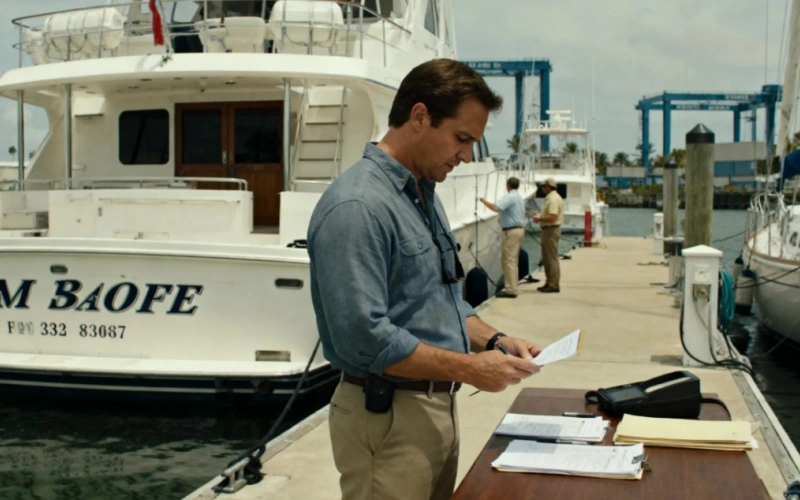
United States: Under the U.S. Coast Guard Act, all U.S.-flagged yachts must be registered with the Coast Guard and display their registry on the hull. Owners failing to register may face fines and forfeit certain government benefits.
Europe: In France, for example, owners must register yachts as either “commercial use” or “private use,” with annual inspection reports required. Insurance requirements also vary by registration category.
Global yacht registration data indicates high registration rates in Europe, with over 70% of yachts registered in major maritime nations like the UK, France, and Italy.
Yacht Registration Requirements Table
| Country/Region | Registration Authority | Requirements | Fee Range |
| United States | U.S. Coast Guard | Proof of purchase, identification, vessel details | $100–$500 |
| United Kingdom | UK Maritime & Coast Guard | Hull information, proof of ownership | £100–£300 |
| France | French Maritime Administration | Hull documentation, navigation plan | €150–€450 |
3. Regular Yacht Inspections and Maintenance
Routine inspections and maintenance are crucial for ensuring the long-term operational reliability of a yacht. Whether it concerns the hull, engines, or electronic equipment, regular checks and upkeep are essential. Additionally, timely repairs help prevent more severe failures.
Throughout my yacht brokerage career, I have assisted numerous owners with yacht inspections and repairs. Annually, I remind yacht owners to perform these three critical checks:
● Engine Inspection: Regularly change engine oil and inspect the cooling system to ensure proper engine operation.
● Hull Inspection: Annually assess hull wear, particularly below the waterline.
●Electronics Inspection: Verify the functionality of navigation equipment, radio communication devices, and lifesaving gear.
Tip: Many owners overlook battery and electrical system checks. Expired batteries can compromise engine starting and navigation systems, potentially failing during emergencies.
● Annual Yacht Inspection Checklist
| Item | Inspection Content | Recommended Frequency |
| Hull | Inspect hull for cracks and corrosion | Annually |
| Engine | Check fluids, cooling system, and engine condition | Every 6 months |
| Battery | Check battery voltage and connections | Annually |
| Safety Equipment | Inspect life jackets, fire extinguishers, emergency signaling devices | Annually |
4. Private Yacht Insurance Requirements and Coverage Types
Private yacht insurance is a legal obligation for owners and essential protection for both the vessel and owner's assets. In the U.S., for example, the Maritime Liability Act mandates that all commercial yachts and private yachts exceeding a certain tonnage carry third-party liability insurance to cover property damage or bodily injury caused by accidents.
● Frequently Asked Questions:
What insurance must owners purchase?
All yacht owners must obtain at least basic hull insurance and third-party liability coverage.
How to ensure adequate coverage?
Yacht Insurance Cost per Year should be based on the vessel's market value. Annual reviews with insurers are recommended to guarantee full loss coverage.
I once had a client who failed to purchase adequate liability coverage. During a maritime incident, his negligence caused damage to another yacht. The resulting compensation costs reached hundreds of thousands of dollars. His policy only covered hull losses and excluded third-party liability, forcing him to bear the substantial damages personally.
● Common Yacht Insurance Types
| Coverage | Scope | Recommended Scenarios |
| Hull Insurance | Covers hull damage, natural disasters, etc. | Mandatory for all yachts |
| Third-Party Liability | Covers damage to others' property during navigation | Recommended, especially in complex waters |
| Comprehensive Insurance | Includes hull, liability, theft, and other risks | Select based on owner's needs |
5. Yacht Owners' Environmental Responsibilities and Navigation Permits
As global environmental awareness grows, countries are imposing stricter environmental requirements on yachts. Owners must ensure their vessels comply with international standards, particularly regarding waste management and discharge regulations.
For instance, Europe and Australia enforce clear rules on waste discharge and waste oil disposal. Owners must prevent waste and oil spills from entering the ocean.
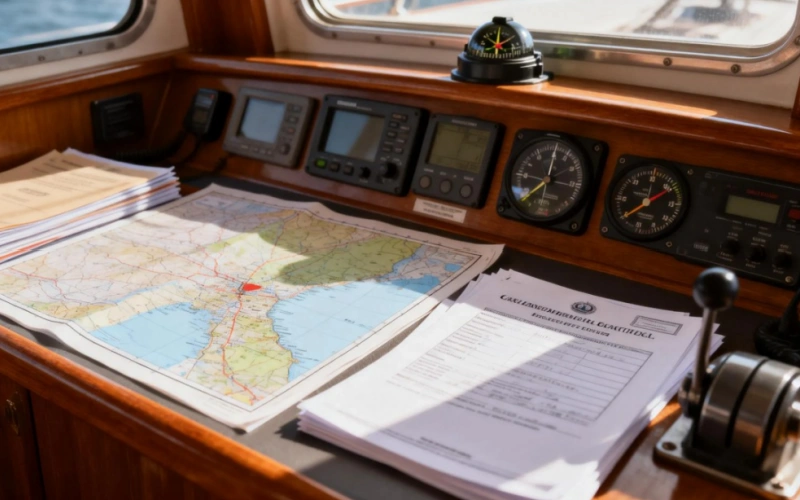
When sailing internationally, owners must obtain navigation permits and adhere to destination country laws.
● International Voyage Permit Application Process:
Submit a detailed voyage plan.
Provide environmental compliance documentation for the yacht.
Obtain the permit and carry relevant documents at all times.
6. Yacht Safety Regulations and Emergency Response Requirements
Numerous boating accidents occur annually due to inadequate safety equipment. According to NSBC's Recreational Boating Facts data, over 67% of yacht accidents involve insufficient emergency preparedness and safety facilities.
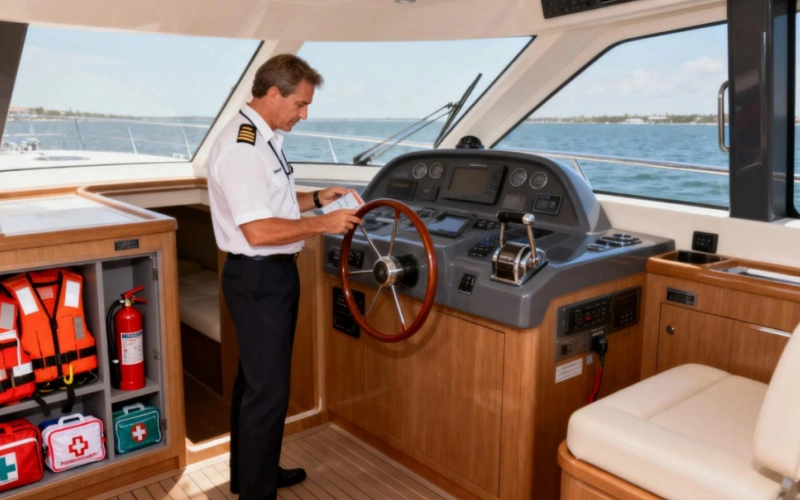
Ensuring adequate safety equipment and conducting regular drills is every owner's responsibility. I personally recommend the following Required Yacht Safety Equipment:
| Equipment | Quantity | Notes |
| Life jackets | One per person | Must meet international standards |
| Fire extinguishers | At least one per compartment | Suitable for all vessel compartments |
| First aid kit | Essential medications, bandages, tourniquets, etc. | Suitable for crew and passengers |
7. Conclusion
As a yacht broker, I understand the challenges owners face in managing their vessels. Through efficient management tools and processes, owners can ensure legal operation while maximizing utilization. For instance, using digital tools to document every inspection and maintenance task effectively reduces the risk of overlooking critical duties.
Compliance with yacht management regulations not only enables legal and safe navigation but also enhances the vessel's long-term value and operational efficiency. As an owner, you must understand and adhere to legal requirements while implementing proactive management measures to maintain your yacht in optimal condition. Begin inspecting your vessel now to ensure full compliance with all relevant regulations, particularly legal obligations and safety protocols.
8. Frequently Asked Questions
Q. Is registration mandatory for private yacht owners?
A: Yes, private yacht owners are legally required to register their yachts. Registration requirements vary by country; unregistered vessels may be denied navigation permits or even impounded.
Q. What documents are required for private yacht registration?
A: Typically, you must provide proof of purchase, hull dimensions, engine specifications, and owner identification documents.
Q. How can owners ensure environmental compliance?
A: Owners must ensure their yacht is equipped with an appropriate wastewater treatment system and comply with environmental regulations in the destination country.
Q. Are private yachts required to have insurance?
A: Yes, private yachts are required to have insurance, including hull insurance and third-party liability coverage. This ensures protection for both the yacht owner and others in case of accidents or damage.
Q. What regulations apply to private yacht owners?
A: Private yacht owners must follow regulations regarding registration, safety, environmental compliance, insurance, and maintenance. These rules help ensure legal operation and safety.
Q. Do private yachts need safety inspections?
A: Yes, private yachts must undergo regular safety inspections to ensure they meet legal safety standards and are properly maintained. Inspections typically cover hull integrity, engine performance, and safety equipment.
About the Author
Emery
Yacht Broker / Yacht Transaction Consultant / Contributing Writer for Yachting Magazine
SAMS Certified Surveyor No.: AMS #2458
Previously named among “Asia's Top 10 Yachting Industry Experts” and recipient of the “Outstanding Yacht Broker Service Award”
Last Updated: January 2026
Applicability: Applicable to private yacht purchasers, owners, sailing enthusiasts, as well as brokers, consultants, and potential investors providing advisory services for private yacht management, insurance, and legal compliance.
Disclaimer
Information regarding private yacht management regulations for owners provided herein is compiled from publicly available sources and the author's personal experience. Legal regulations and policy requirements vary across countries and regions and are subject to change over time. The content herein is for reference only and does not constitute professional legal, insurance, technical, or other advice or decision-making basis. Readers should independently verify the latest local regulations and consult relevant professionals when taking practical actions. The author and publisher assume no legal liability for any direct or indirect losses arising from actions taken based on this document.