Quick Answer:
This checklist is designed for buyers evaluating used yachts between 30–80 ft, especially first-time buyers who want to avoid hidden structural and mechanical risks.
Before buying a used yacht, you must complete 32 core inspections across 7 major systems—including hull, engine, avionics, electrical, safety equipment, and legal documentation. Based on my hands-on experience, a thorough inspection reduces subsequent repair risks by approximately 40–60%, saving you thousands of dollars in hidden losses. You must achieve these three points:
Complete at least one Sea Trial
Conduct one Professional Survey
Strictly follow the checklist item by item
Pre-Purchase Cheat Sheet for Used Yachts
| System | Risk Level | Typical Repair Cost (USD) |
| Hull Structure | ⭐⭐⭐⭐ | $5,000–$60,000+ |
| Engine & Mechanical | ⭐⭐⭐⭐ | $4,000–$30,000+ |
| Navigation & Electrical | ⭐⭐⭐ | $1,000–$10,000 |
| Safety Equipment | ⭐⭐⭐ | $500–$5,000 |
| Hull & Systems | ⭐⭐⭐ | $1,000–$8,000 |
| Sea Trial Performance | ⭐⭐⭐ | — |
| Documentation & Compliance | ⭐⭐⭐⭐ | Varies |
Table of Contents:
1. The Importance of a Pre-Purchase Inspection Checklist for Used Yachts
2. Pre-Purchase Inspection Process for Used Yachts
3. Core Checklist for Used Yacht Inspections
4. Pre-Purchase Inspection Checklist for Used Yachts
5. Third-Party Professional Survey Guide
6. Conclusion
7. Frequently Asked Questions
As a yacht broker / yacht transaction advisor who has personally guided clients through inspections of over 300 used yachts at premier global marinas like Miami and Antibes, I understand what the most critical step in the used yacht purchase process is—a thorough, structured, and professional Pre-Purchase Inspection & Survey. This is not merely a checklist; it is a vital “safety net” protecting your investment and security.
In one case I personally handled, a client nearly paid $300,000 for a seemingly flawless 52-foot yacht. Undetected structural delamination issues ultimately cost over $15,000 to repair—a problem entirely preventable with a pre-purchase inspection. Such hidden defects can cost you tens of times the inspection fee if left undiscovered.
1. The Importance of a Pre-Purchase Inspection Checklist for Used Yachts
Purchasing a used yacht represents a significant investment. Unlike new vessels, used yachts may conceal years of weathering, overloading, poor maintenance, or even improper repairs. Conducting a thorough inspection enables you to:
Avoid costly repairs
Ensure insurance coverage and legal transferability
Establish a strong basis for price negotiation or contract termination
The Free Online Boat Survey Checklist provided by San Diego Marine Surveyors highlights that a professional Pre-Purchase Survey significantly uncovers hidden issues. It goes beyond visual inspection, utilizing instrumentation to detect internal problems.
2. Pre-Purchase Inspection Process for Used Yachts
The inspection process for purchasing a used yacht typically involves three essential steps:
2.1 Pre-Purchase Inspection
This preliminary assessment by the buyer or broker includes:
Overall condition observation
Basic mechanical testing and interior inspection
Preliminary review of historical documentation and maintenance records
Communication with seller regarding known issues
This step does not replace a professional survey but confirms inspection objectives and scope.
2.2 Sea Trial
A sea trial involves launching the yacht, starting engines, and testing steering systems under actual operating conditions. I conduct comprehensive testing for at least 45–60 minutes during the sea trial.
During the sea trial, you and the surveyor can evaluate:
Engine start-up and operational responsiveness
Acceleration and cruising performance
Noise and vibration levels
Steering system and handling feel
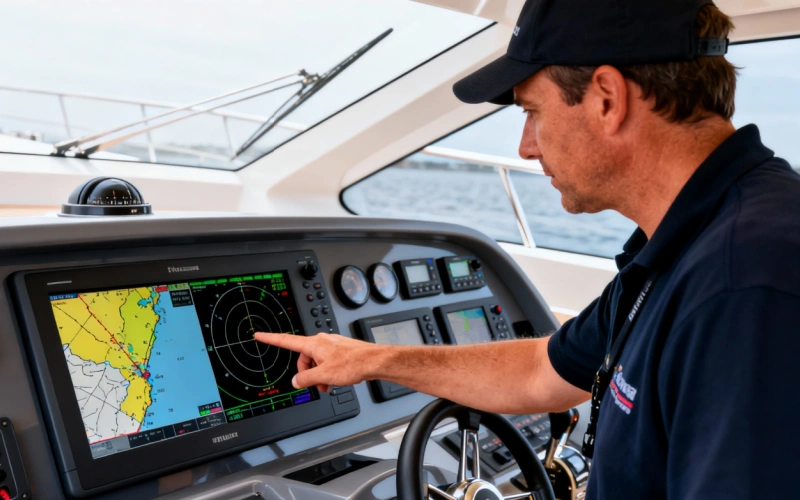
Autopilot and navigation equipment responsiveness
This step is crucial for assessing system functionality and hull dynamics. A professional sea trial checklist is essential for systematic issue identification.
2.3 Professional Survey
This core step is absolutely essential for all buyers. A professional surveyor/marine surveyor conducts a comprehensive, systematic evaluation of the yacht, potentially requiring the vessel to be lifted out of the water for hull inspection.
Survey scope typically includes:
Hull structure and material integrity
Engine, transmission, and cooling systems
Electrical systems and safety equipment
Galley and living area network systems
Navigation equipment operational status
Identification of major repair risks or insurance claim denials
Professional surveys not only uncover potential issues but also serve as grounds for price negotiation or contract termination. As stated in Theo Wakefield Marine Surveys' The Complete Guide to Pre-Purchase Boat Surveys, such inspections help determine a yacht's safety and value.
3. Core Checklist for Used Yacht Inspections
Below is a practical checklist I've compiled from every survey, sea trial, and inspection, covering critical risk points and typical assessment criteria.
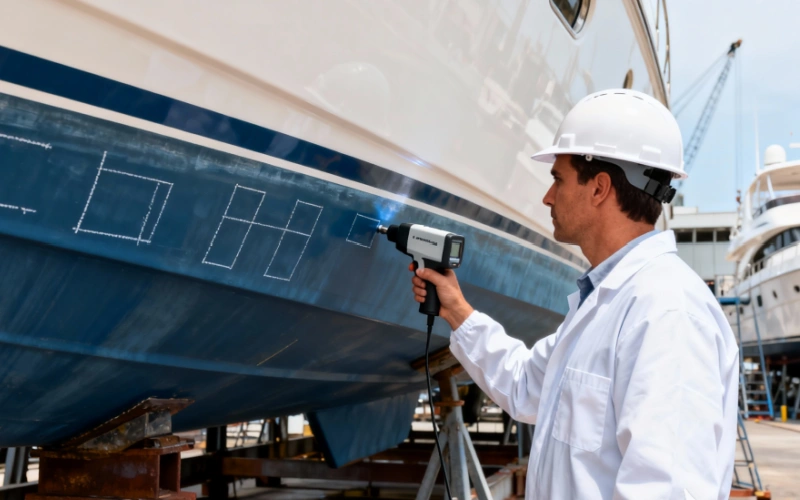
3.1 Hull Structure
Core Inspection Items:
Gelcoat Cracks, Delamination
Water Ingress and Osmosis Issues
Tap Test (Checking for Internal Voids)
Keel Attachment and Bulkhead Supports
Hull-Deck Joint Gaps and Cracks
Risk Level: ⭐⭐⭐⭐
Typical Repair Cost: $10,000–$60,000+
As the structural foundation, any hidden damage may compromise safety and durability. I once discovered concealed water seepage beneath the bottom paint on a yacht in Antibes—neglecting this could have resulted in tens of thousands of dollars in eventual repairs.
3.2 Engine & Mechanical Systems
Inspection Items:
Cold/hot start performance
Crankcase oil sample analysis (moisture/metal particles)
Cooling and exhaust systems
Propeller shaft, propeller, and rudder inspection
Hydraulic system and pump testing
Risk Level: ⭐⭐⭐⭐
Typical Repair Cost: $4,000–$30,000+
The engine is the performance core, especially multi-cylinder diesel engines and twin-engine configurations. Oil pan sample analysis is my go-to diagnostic tool, providing early warning signs of internal wear.
3.3 Electrical & Electronics Inspection
Battery health, voltage stability
GPS/AIS/Radar/VHF testing
Autopilot system functionality
Main electrical panel and wiring inspection
Grounding and overload protection
Risk Level: ⭐⭐⭐
Typical Repair Cost: $1,000–$10,000+
Modern yachts heavily rely on electronic systems, which are also the most concealed. Risks like faulty wiring and aged insulation can cause severe issues at sea.
3.4 Safety and Life-Saving Equipment
Life Jacket Quantity and Condition
Class Z Liferaft or Lifeboat Inspection
EPIRB Signal Test
Fire Extinguisher and Distress Signal Equipment Inspection
Bilge Pump and Alarm System Test
Risk Level: ⭐⭐⭐
Typical Cost: $500–$5,000+
Compliant and operational safety equipment is critical for maritime safety, especially for planned ocean voyages.
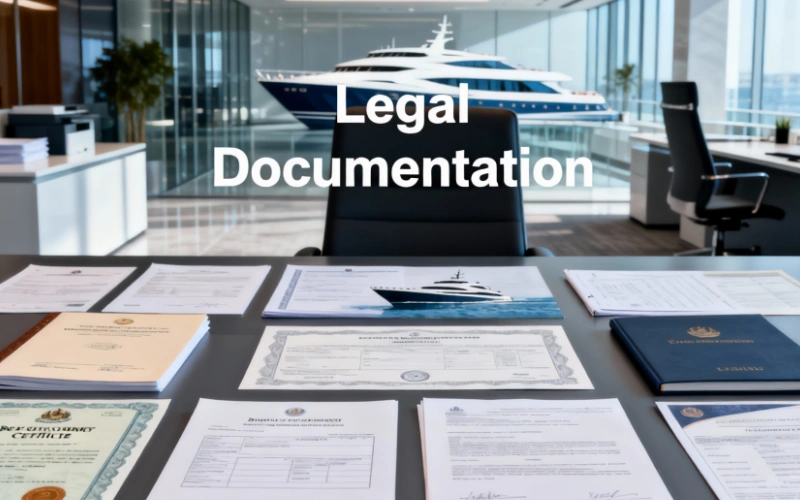
3.5 Registration Documents and Legal Records
Title (Certificate of Ownership)
Validity of Registration / Flag
Existence of Liens / Legal Disputes
Insurance Records and Claims History
Historical Maintenance and Repair Records
Risk Level: ⭐⭐⭐⭐
Note: Documentation issues may prevent transfer of ownership or insurance coverage.
3.6 Interior & Life Systems
Air Conditioning / Heating / Freshwater System
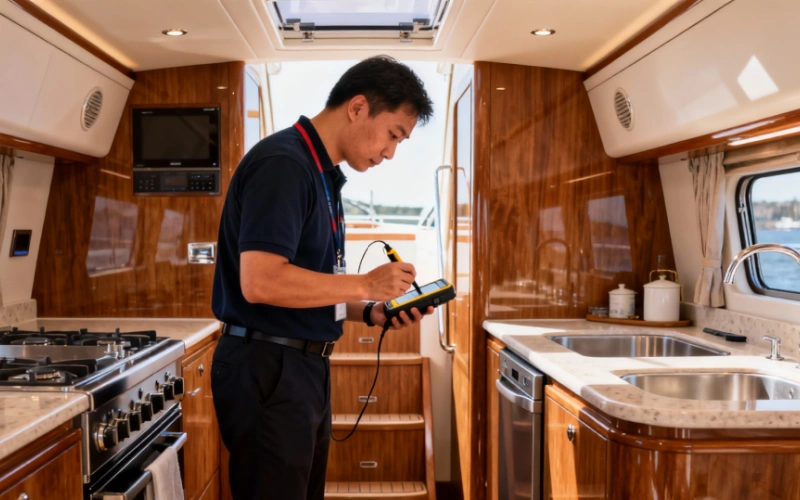
Kitchen Equipment Functionality Check
Sewage Treatment & Piping Condition
Mold, Water Damage, Rot Inspection
Window Sealing & Ventilation Status
Risk Level: ⭐⭐⭐
Typical Cost: $1,000–$8,000+
While non-critical, life systems significantly impact your cruising experience and maintenance expenses.
3.7 Sea Trial Checklist
Engine response and cruising performance
Noise/vibration analysis
Steering gear and handling feedback
Autopilot functionality
Stability in varying sea conditions
Recommended Duration: ≥ 45 minutes
Risk Level: ⭐⭐⭐
4. Pre-Purchase Inspection Checklist for Used Yachts
Use the template below to create a PDF or conduct your review:
| System | Sub-Check Item | Completed? | Notes |
| Hull Structure | Delamination Test | ☐ | |
| Engine | Cold/Hot Start | ☐ | |
| Electrical | Navigation Equipment Test | ☐ | |
| Documentation | Title vs Lien | ☐ | |
| Safety | EPIRB & Fire Extinguishers | ☐ | |
| Interior | Freshwater System | ☐ | |
| Sea Trial | Noise/Vibration | ☐ |
5. Third-Party Professional Survey Guide
A professional survey is more than a simple inspection—it provides authoritative proof for legal and valuation purposes.
A professional survey includes:
Comprehensive hull structure and system assessment;
Risk grading and scope of work recommendations;
Technical report with photographic documentation.
According to data from Boat Trader's published blog, professional inspection fees typically range from $35–$45 per foot based on vessel length. Additional fees of $500–$2,000 may apply for complex system inspections (e.g., engine or rigging checks).
6. Conclusion
In my professional experience, thorough inspection + professional survey = reduced risk + increased value. This isn't just a technical matter—it's the foundation of decision-making confidence. Every successful delivery reinforces my conviction:
A comprehensive inspection is the indispensable first step for every pre-owned yacht buyer.
If you need assistance with inspections, sea trials, interpreting survey reports, or customized consulting—feel free to reach out anytime.
7. Frequently Asked Questions
Q. Is a professional survey absolutely necessary before buying a used yacht?
A: Yes. A professional survey is the only reliable way to uncover hidden structural, engine, and electrical issues, significantly reducing the risk of costly post-purchase repairs and insurance policy denials.
Q. Can I conduct a used yacht inspection myself?
A: Only a preliminary screening. Structural, propulsion, and electrical risks must be assessed by a professional surveyor—personal inspections cannot substitute.
Q. What's the difference between a used yacht inspection and a Sea Trial?
A: Inspections focus on structural and system condition, while Sea Trials validate actual seaworthiness. Both are essential for a comprehensive evaluation of a yacht's purchase value.
About the Author
Emery
Yacht Broker / Yacht Transaction Consultant / Contributing Writer for Yachting Magazine
SAMS Certified Surveyor No.: AMS #2458
Previously named among “Asia's Top Ten Yachting Industry Experts” and recipient of the “Outstanding Yacht Broker Service Award”
Last Updated: December 2025
Applicable Audience: Buyers planning to purchase pre-owned yachts, yacht brokers, professional surveyors, and enthusiasts/professionals interested in pre-owned yacht inspections and evaluations.
Disclaimer
The pre-purchase inspection checklist and related information provided herein are compiled based on the author's personal experience and industry resources, intended solely as a reference for readers. However, yacht conditions are complex and varied, differing from vessel to vessel, while market conditions and regulatory policies are subject to change. The inspection items, risk levels, repair costs, and other details mentioned herein cannot cover all scenarios and cannot guarantee absolute accuracy or completeness. When actually purchasing a pre-owned yacht, readers should consult professionals and conduct a comprehensive inspection based on their individual circumstances. The author and related parties assume no liability for any consequences arising from actions taken based on the content of this document.