Quick Answer:
For most 30–50 ft used yachts, pre-purchase survey costs typically range from $15–$35 per foot, depending on region, inspection scope, and additional services.
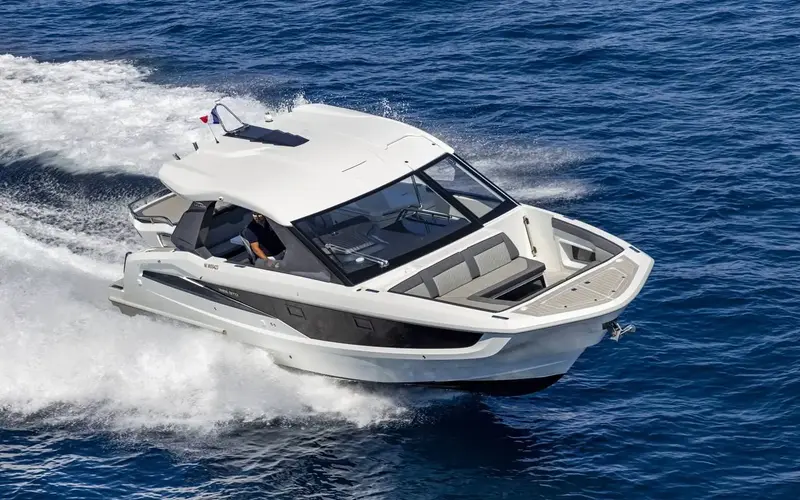
When purchasing a pre-owned yacht, many buyers focus solely on the transaction price while underestimating survey fees and potential additional expenses. From basic inspections to engine system checks, sea trials, and specialized assessments, each item can directly impact the final cost.
This article examines real-world cases to analyze the sources of variation in used vessel survey fees, common additional and hidden costs, and shares practical budget control strategies. It helps transform survey expenses from a “passive expense” into a controllable, assessable decision-making cost before finalizing your purchase.
Why Used Yacht Survey Costs Vary by State (Fee Structure Explained)
In practice, surveyor fee structures are not standardized nationwide but exhibit significant regional variations. According to MarEdu's global port survey data, prices for identical survey benchmark services fluctuate considerably across different regions.
In coastal areas with active pre-purchase inspections and high yacht density, surveyors' daily rates, voyage costs, and peak season premiums generally exceed those in inland waterways. These regional differences are nearly universal in every pre-purchase survey.
Common regional fee structures are outlined below:
- East Coast and Florida Region
With frequent pre-purchase yacht transactions, surveyors typically charge by vessel length or man-hours, with peak season appointment premiums possible.
- Select West Coast Areas
Due to marina and navigation constraints, fees typically follow a “base survey fee + travel expenses” model.
- Midwestern Lakes and Low-Transaction Regions
With lower transaction volumes, fees remain stable and scheduling windows are easier to secure in advance.
Beyond regional factors, the inspection items themselves contribute to cost variations. This is particularly evident in the following two core categories:
- Hull and Structure Inspection
Forming the basis of survey fees, this covers hull integrity, deck structures, and compartment conditions.
- Engine and Propulsion System Inspection
Requires greater expertise and more time, often billed separately or as an add-on, with higher costs for multi-engine or high-horsepower yachts.
Thus, regional variations and the complexity of inspection items are the primary drivers of fluctuation in used vessel inspection fees.
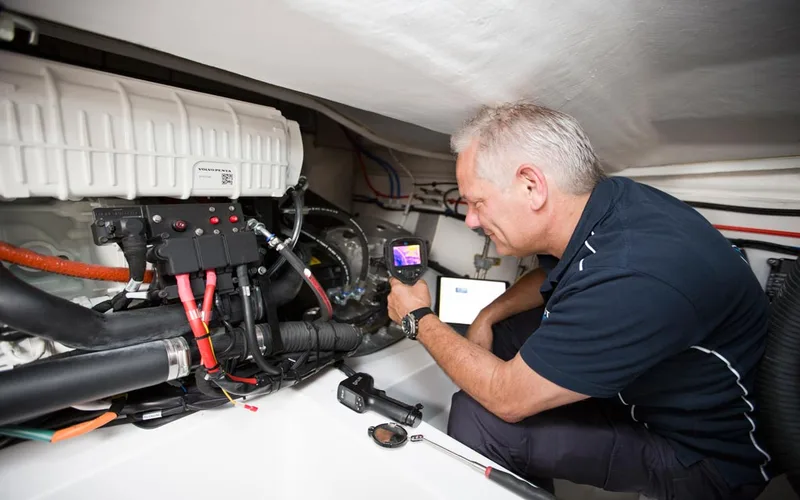
Breakdown of Used Vessel Inspection Costs: Surveyor Fee Explanation
After understanding how different states and inspection items affect costs, it is even more crucial to clarify the surveyor's fee structure. Only by clearly identifying what each charge corresponds to can shipowners determine which expenditures are essential costs and which offer room for optimization.
Based on years of experience assisting shipowners with survey arrangements, common fee structures can be summarized into the following three categories:
| Fee Category | Scope of Inspection | Characteristics |
| Basic Inspection Fee | Hull, Deck, and Compartment Structures | Charges based on vessel length or type constitute the core fee, representing the largest portion. |
| Powertrain System Inspection Fee | Engines, Propulsion Units, Fuel Systems, and Electrical Systems | These services demand high expertise and significant time investment; fees increase for multi-engine or high-powered yachts, sometimes billed separately. |
| Sailing/Sea Trial Fee | Sea Trials: Vessel Performance and Propulsion Systems | Costs include surveyor boarding and operational expenses during navigation; additional charges apply for multiple ports or long-distance voyages. |
Understanding the breakdown of each fee helps owners tailor their survey services rather than simply cutting budgets or blindly eliminating critical items.
Take 30–50-foot yachts as an example—one of the most actively traded size ranges in the current market. Recently, I assisted a client with a pre-purchase survey for a yacht precisely within this range.
After reviewing the surveyor's fee breakdown, we avoided blanket cost reductions. Instead, we tailored inspection items based on the vessel's age, usage history, and propulsion configuration:
- Engine Inspection: As this twin-engine yacht required enhanced scrutiny, I recommended an in-depth examination to ensure optimal propulsion system performance.
- Structure and Cabin Inspection: Focused on assessing deck and cabin structural integrity to identify potential hazards from prolonged use.
- Sea Trial: Conduct a short-range voyage to test the propulsion system, handling performance, and seakeeping stability.
This approach not only controls unnecessary expenditures but also ensures the integrity of the assessment, transforming survey costs from a pure expense into a manageable decision-making cost.

Additional Items and Hidden Costs in Used Vessel Inspections
It is particularly important to note that the aforementioned fees primarily constitute the surveyor's base quotation structure. In actual transactions, however, many owners end up spending more than anticipated—often not due to increases in base fees, but rather because of additional and hidden items not included in the initial quote. This is precisely the aspect I repeatedly urge owners to focus on in my article “10 Hidden Costs You Must Understand Before Buying a Yacht.”
Common items include:
| Cost Categories | Content | Features and Fee Information |
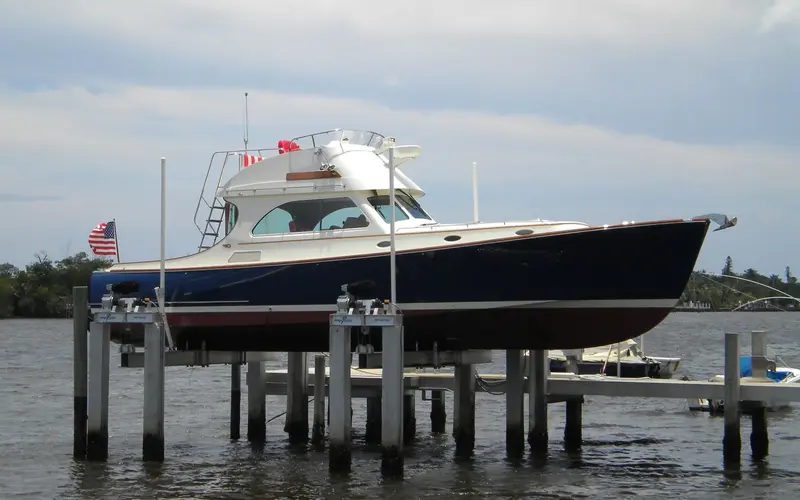
| Suspension Gondola Fee | Hoist the vessel out of the water to inspect the hull bottom, propeller, steering gear, and structural integrity. | Costs vary based on port facilities, vessel size, and lifting complexity. |
| Travel and Transportation Expenses | Arrange transportation, accommodation, and onboard transfers for surveyors traveling to different ports or remote terminals. | Cross-state or remote area costs may exceed base inspection fees. |
| Moisture Content Testing | Detect moisture levels in hull, deck, or compartment structures to assess water damage in wooden or composite materials. | Specialized equipment usage constitutes a dedicated service and incurs additional charges. |
| Temporary Special Inspection | Conduct additional load testing on the propulsion system or structural re-inspections when issues. | Temporary projects are billed separately based on actual circumstances. |
These costs carry a high degree of uncertainty and are the most commonly underestimated portion of a pre-purchase survey budget.
Practical Recommendations:
- Before scheduling the survey, clarify with the surveyor all potential additional items and associated fees.
- Include hidden costs such as crane fees, travel expenses, and moisture testing within the overall budget.
- Selectively arrange specialized inspections based on the vessel's age, type, and usage history to avoid unnecessary expenditures while ensuring the survey's comprehensiveness.
Cost Control Strategies for Used Vessel Inspections
A sound strategy not only reduces overall costs but also ensures inspection quality. Last year, I assisted a client in purchasing a 45-foot pre-owned yacht in Miami. The client had a limited budget but refused to compromise on critical aspects. Through the following strategies, we successfully cut costs while guaranteeing a comprehensive survey:
1. Selecting the Right Surveyor
- Choose an experienced surveyor specializing in the vessel's type, size, and intended operating area.
- Avoid redundant inspections or missed critical items due to unfamiliarity with the vessel type.
2. Coordinate Multiple Vessel Inspections
- When inspecting multiple vessels simultaneously, arrange for the same surveyor to complete all inspections at the same port to reduce travel and scheduling costs.
- Centralized scheduling also saves on dock or crane rental fees, a practice endorsed by the International Maritime Organization (IMO).
3. Prioritize assessment of high-value and high-risk components
- Focus on core risk areas such as hull structure, propulsion systems, and compartment conditions.
- Postpone inspections of low-risk or easily visualizable items, adding them as needed to avoid one-time high expenditures.
4. Utilize technological tools to assist inspections
- Reduce redundant on-site operations through high-definition photography, video inspections, and remote humidity monitoring.
- Identify potential issues during preliminary assessments before deciding on specialized inspections.
5. Phased Surveys and Budget Control
- Divide the survey process into three stages: basic inspection, specialized inspection, and sea trials.
- Evaluate results after each stage to determine progression, preventing unnecessary cost escalation.
6. Advance Planning and Contractual Agreements
- Clearly define cost structures, service scopes, and potential additional items with surveyors prior to inspection.
- Prevent last-minute price hikes or unplanned charges through contractual agreements.
As a result, this client not only saved approximately 15% on survey costs compared to the original budget but also identified a minor engine oil leak. Prompt repairs were requested, averting potential follow-up maintenance expenses amounting to tens of thousands of dollars. Survey costs transformed from a passive expense into a manageable, decision-driven investment. When documented defects affect the purchase decision, see how survey findings can affect your yacht offer.
From a more comprehensive perspective on yacht acquisition decisions, surveying is not an isolated, one-time expense but a critical factor influencing subsequent operating costs and safety risks. Precisely for this reason, I strongly recommend that owners incorporate surveying logic into the holistic decision-making checklist titled “10 Essential Checks Before Purchasing a Pre-Owned Yacht.” Only by understanding cost structures, identifying hidden expenses, and implementing strategic controls can survey fees truly evolve from a “burden” into an effective decision-making tool.
Summary
Understanding the typical range of second-hand vessel inspection costs, additional items, and hidden expenses, while implementing sound cost control strategies, enables better management of the ship purchase budget. This approach ensures comprehensive and reliable inspections, transforming costs from a burden into a decision-making tool.
FAQ
Q1: For 30–50 foot pre-owned yachts, which inspection fee constitutes the largest portion?
A: The base inspection fee, charged by length or hull type, represents the core expense and largest share of total costs.
Q2: Why are inspections more expensive during Florida's peak season?
A: Concentrated transactions and high demand may prompt surveyors to charge appointment premiums.
Q3: What hidden cost must be paid to haul a boat out for hull inspection?
A: Hauling fees, billed separately based on port facilities and vessel type.
Q4: How can one reduce travel expenses for multiple boat inspections on a limited budget?
A: Schedule simultaneous inspections with the same surveyor at the same port to share travel and coordination costs.
Q5: If minor engine oil leakage is detected during inspection and the seller is required to repair it before closing, what type of future expense does this save the owner?
A: It avoids potentially costly repairs down the line.
Q6: Is skipping a survey worth saving money?
A: No. Skipping a pre-purchase survey may save a few thousand dollars upfront but often exposes buyers to repair risks that can exceed $20,000–$50,000 post-purchase.
About the Author:
Andrew Rogers is a seasoned yacht broker specializing in pre-purchase inspections and consulting for pre-owned yacht transactions. With years of experience assisting owners in evaluating vessel value, operational condition, and maintenance costs, He is committed to providing clients with professional, transparent yacht purchase advice, helping owners make optimal decisions balancing budget and safety.
Disclaimer:
This content is for general informational purposes only and does not constitute legal, financial, or professional investment advice. Decisions regarding yacht purchases and inspections should be based on specific circumstances and guidance from qualified professionals. Neither the author nor the publishing platform assumes liability for any losses or damages arising from the use of this information.