Quick Answer:
The annual operating cost of a mini yacht typically ranges from $8,000 to $25,000 per year. This includes:
- Insurance: $1,000–$3,000
- Maintenance: $2,500–$6,000
- Berthing fees: $3,000–$12,000
- Fuel and operations: $800–$3,500
Costs can vary depending on the yacht's size, usage, and marina location.
Cost-saving tips:
- Optimize fuel usage
- Streamline crew
- Book berths in advance
Table of Contents:
1. Annual Mini Yacht Ownership Costs: A Comprehensive Breakdown of Long-Term Expenses
2. Annual Mini Yacht Maintenance Costs: Understanding Essential Upkeep Expenditures
3. Mini Yacht Insurance and Mooring Fees: Budget Planning and Expenditure Control
4. Mini Yacht Fuel and Operating Costs: Key Factors for Reducing Expenses
5. Lowering Annual Mini Yacht Expenditures: Practical Strategies and Optimization Solutions
6. Conclusion
7. FAQ
Purchasing a mini yacht is not only an exciting investment but also involves managing long-term ownership costs. Optimizing insurance, maintenance, berthing, and fuel expenses can significantly reduce the burden and enhance the yacht's value. Whether you're a new or experienced owner, prudent annual expense management enables smarter financial decisions and ensures sustainable yacht ownership.In this guide, “mini yacht” refers to privately owned motor yachts typically ranging from 25 to 40 feet in length.
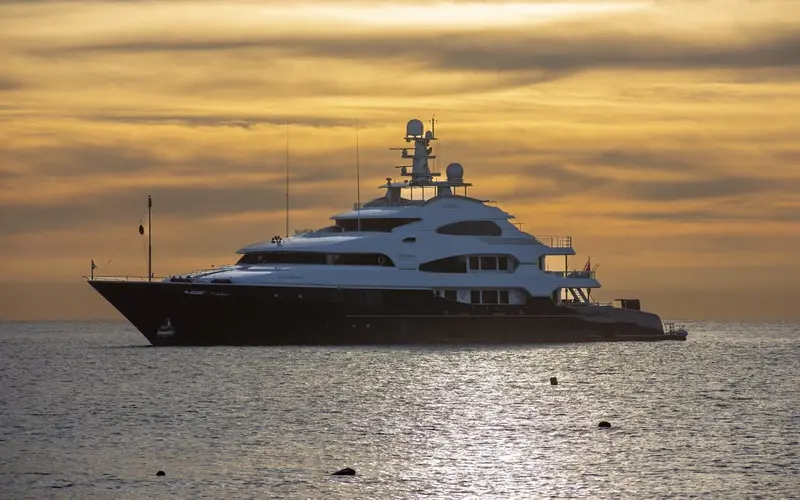
1. Annual Mini Yacht Ownership Costs: A Comprehensive Breakdown of Long-Term Expenses
The annual average ownership costs for a mini yacht encompass several significant expense categories that owners must monitor and manage effectively. Prudent expenditure planning not only ensures the yacht's long-term usability but also prevents costly repairs. Key factors influencing ownership costs and annual maintenance expenses include:
- Insurance costs (approximately 10-15% of total ownership costs): Typically $1,000–$3,000, based on yacht value, usage frequency, and navigation range. Select appropriate coverage to avoid over- or under-insurance.
- Maintenance and repair costs (approximately 15-20% of total ownership costs): Approximately $2,500–$6,000 annually, covering routine upkeep of engines, hull, and other components.
- Berthing fees (approximately 20-25% of total ownership costs): Ranging from $3,000–$12,000 per year, influenced by marina location and seasonal rates.
- Fuel and operational expenses (approximately 10-15% of total ownership costs): Approximately $800–$3,500 annually,specific costs depend on sailing frequency, range, and operational scale, including crew wages and daily consumables.
These cost factors are critical for long-term yacht ownership. Prudent management of these expenditures can significantly reduce overall costs and enhance the yacht's economic efficiency. Next, we will analyze each expense category in detail to help owners better plan and control their spending.

2. Annual Mini Yacht Maintenance Costs: Understanding Essential Upkeep Expenditures
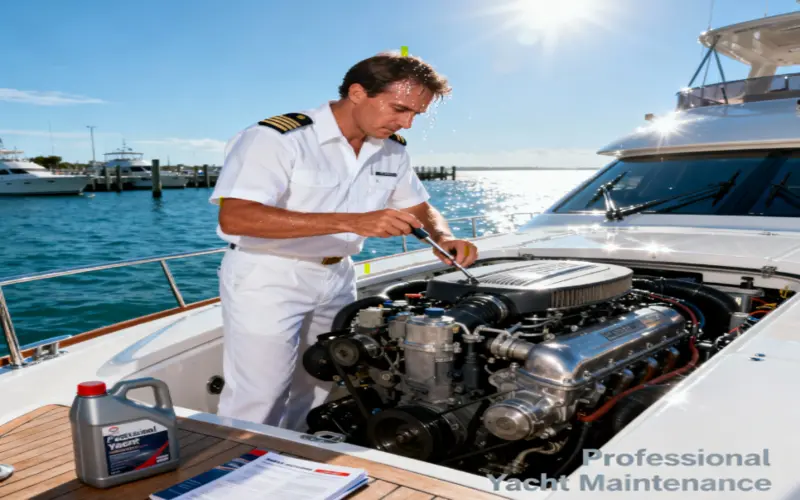
Annual maintenance costs for mini yachts represent one of the key expenses owners must prioritize. Regular upkeep and repairs not only ensure the vessel's long-term usability but also prevent costly unexpected repairs. Below are common annual maintenance items for mini yachts and their associated expenses:
| Maintenance Services | Costs | Brief Description |
| Engine Maintenance | Approximately $800-$1,500 annually | Includes oil changes, filter replacements, and coolant changes, typically performed 1-2 times per year. |
| Hull Maintenance | Approximately $400-$1,200 annually | Involves hull cleaning, painting, and corrosion inspections to maintain the hull for long-term use. |
| Battery and Electrical System Inspection | Approximately $200-$400 | Regularly inspect batteries and electrical systems to ensure proper functioning. |
| Water Pump and DrainSystem Maintenanceage | Approximately $150-$350 | Periodically check water pumps and drainage systems to prevent malfunctions. |
| Cleaning and Disinfection Services | Approximately $250-$500 annually | Perform internal and external cleaning and disinfection to maintain vessel hygiene. |
| Emergency Repair Services | Irregular expenses: Approximately $400-$1,500 per occurrence | Used for emergency repairs, such as engine issues and equipment failures. |
These maintenance costs represent unavoidable investments for yacht owners, ensuring vessels remain in optimal condition long-term and preventing sudden, costly repairs.
2.1 Maintenance Cost Management Recommendations:
- Regular Inspections: Plan and budget for each routine maintenance item in advance to avoid expensive repairs.
- Contingency Fund: Reserve funds for emergency repairs to address unforeseen damage.
- Seasonal Maintenance: Conduct systematic inspections and maintenance, especially before peak usage seasons, to ensure smooth and safe yacht operation.
Experience Tip:
In practice, I often see first-time mini yacht owners underestimate annual maintenance costs by 20–30%, especially in the first year. This can lead to surprises when it comes time to budget for repairs or upkeep. I recommend setting aside a contingency fund early on and getting a professional assessment to better predict these expenses.
For more detailed maintenance recommendations, refer to the 2025 Yacht Maintenance Guide: Methods to Extend Lifespan to develop a comprehensive maintenance plan for your yacht.
3. Mini Yacht Insurance and Mooring Fees: Budget Planning and Expenditure Control
Insurance and mooring fees constitute a significant portion of the annual ownership costs for mini yachts. Strategic planning and selection can effectively reduce these expenses.
1. Insurance Costs for Mini Yachts
Yacht insurance premiums are primarily influenced by the following factors:
- Yacht value: Higher value results in higher premiums.
- Frequency and scope of use: Commercial operations or long-distance voyages increase insurance costs.
- Type of coverage: Costs vary significantly between different insurance plans (e.g., comprehensive vs. liability).
Recommendations:
- Shop around: Consult multiple insurers to select a cost-effective plan.
- Review annually: Adjust policies yearly based on actual needs to avoid over- or under-insurance.
- Understand how vessel size and coverage scope impact costs—refer to the article “Annual Yacht Insurance Costs: Vessel Size: 30–50 Feet.”
2. Mooring Fees for Mini-Yachts
Mooring costs primarily vary based on:
- Location: Higher fees in popular areas and peak seasons.
- Duration: Lower rates during off-peak periods.
- Port Facilities: Smaller ports typically offer lower prices.
Recommendations:
- Book Early: Secure lower rates by reserving in advance.
- Avoid Peak Seasons: Save costs by choosing off-peak travel periods and remote or smaller ports.
The 2026 Yacht Berthing Cost Guide: Fees, Rates, and Savings Strategies provides detailed information on berthing expenses to help owners optimize spending and reduce costs.
By strategically planning insurance and berthing expenses, owners can not only minimize unnecessary expenditures but also enhance their yacht's economic efficiency, ensuring sustainable long-term ownership.
4. Mini Yacht Fuel and Operating Costs: Key Factors for Reducing Expenses
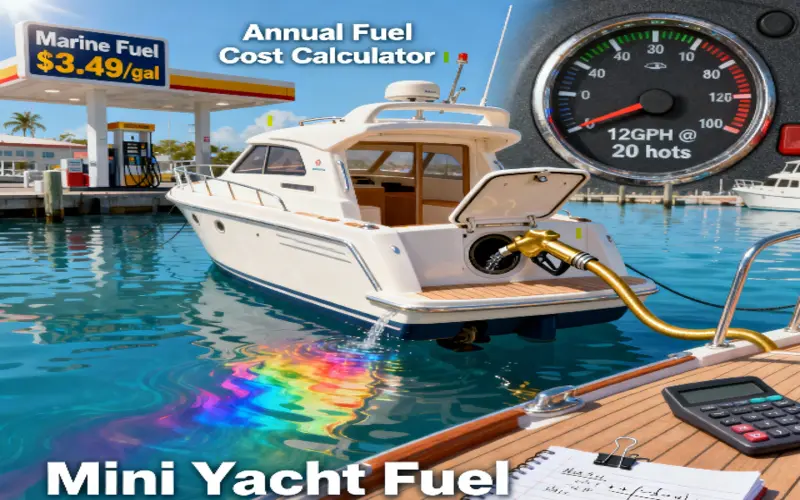
Fuel and operational costs represent two major core expenditures in the annual budget for mini-yachts. Through optimized management and operations, owners can effectively reduce these expenses, enhancing the yacht's economic efficiency and long-term sustainability. Below are detailed cost categories, influencing factors, and optimization recommendations:
| Cost Categories | Influencing Factors | Recommendations |
| Fuel Expenses | Cruising Distance and Frequency | Select appropriate route planning to avoid unnecessary long-distance voyages. |
| Yacht Type and Engine Power | Ensure engine power matches the yacht's specifications to prevent overloading or underloading. | |
| Cruising Speed | Maintain a steady cruising speed to enhance fuel efficiency by minimizing frequent acceleration and deceleration. | |
| Operating Costs | Crew Wages | Adjust crew staffing according to operational needs to reduce unnecessary personnel. |
| Equipment and System Maintenance | Utilize high-efficiency equipment and perform regular maintenance to lower energy consumption and equipment wear. | |
| Daily Consumables | Plan consumable procurement to avoid unexpected expenses from sudden demands. |
By optimizing sailing operations and implementing sound management practices, owners can not only effectively reduce fuel and operational expenses but also extend the yacht's service life and improve overall economic performance.
During an operational cost optimization project for a yacht owner, analysis of his usage patterns revealed unnecessary fuel waste stemming from long-distance voyages and excessive engine power. Recommendations included adjusting cruising speeds and strategically planning routes to reduce fuel consumption. Concurrently, streamlining crew staffing reduced labor expenses by 10%.
These optimizations saved the owner thousands of dollars annually, not only improving the yacht's operational efficiency but also significantly enhancing its economic performance.
5. Lowering Annual Mini Yacht Expenditures: Practical Strategies and Optimization Solutions
Earlier, we discussed the primary components of mini-yacht ownership costs and some fundamental cost-saving strategies. Next, we will delve into implementing more specific savings measures during daily operations to further reduce expenses and enhance the yacht's economic efficiency.
1. Optimize Fuel Management
- Adjust Speed: Maintain a steady speed, minimize acceleration and deceleration to conserve fuel.
- Plan Routes Wisely: Avoid unnecessary long-distance voyages and optimize travel paths.
- Regularly inspect engines: Ensure engines operate efficiently to prevent increased fuel consumption due to malfunctions.
2. Streamline Operational Costs
- Optimize crew allocation: Adjust crew numbers based on sailing requirements to avoid overstaffing.
- Equipment maintenance and upgrades: Conduct timely equipment inspections to maintain energy efficiency.
- Procure consumables: Forecast demand and purchase in advance to avoid last-minute high prices.
3. Select Efficient Berthing Strategies
- Choose off-peak berthing locations: Avoid peak seasons and popular ports to reduce costs.
- Pre-book berths: Secure discounts through advance reservations to lower expenses.
4. Efficient Tax Managemen
- Select low-tax jurisdictions: Choose suitable registration locations to minimize tax burdens.
- Leverage tax incentives: Strategically utilize tax exemption policies to save on fees.
5. Optimize Daily Expenditures
- Maintain precise budgeting and expense tracking: Regularly review spending to eliminate waste.
- Conduct inventory checks: Periodically review stock to prevent duplicate purchases.
By implementing these specific optimization measures, yacht owners can effectively reduce operational costs, enhancing the vessel's economic viability and long-term sustainability.
6. Summary
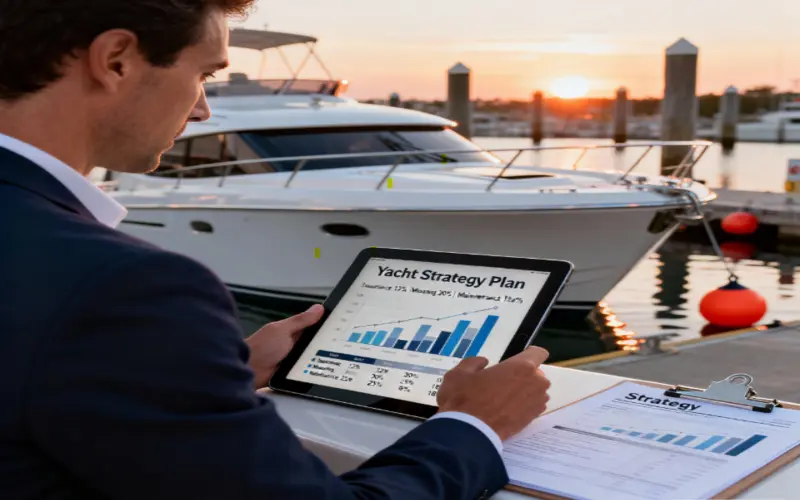
By understanding the various annual expenses associated with owning a mini yacht, owners can develop more effective budgeting and management strategies. Whether optimizing fuel usage, streamlining operational costs, or strategically planning insurance and mooring fees, these measures can significantly reduce total ownership costs. Implementing such approaches not only enhances the yacht's economic efficiency but also extends its lifespan, ensuring maximum return on investment and making yacht ownership more sustainable.
7. FAQ
Q1. How much does a mini yacht cost annually?
A: Aaverage annual ownership costs ≈ $8,000–$25,000, with breakdown:
- Mooring: 20-25%
- Maintenance: 15-20%
- Insurance: 10-15%
- Fuel & Operations: 10-15%
Q2: How much should beginners allocate for emergency repairs?
A: We recommend setting aside an additional “emergency fund” equivalent to 30% of your annual maintenance costs, i.e., $800–$1,800, for unexpected engine or electrical failures.
Q3: How are mini-yacht mooring fees calculated?
A: Based on length × seasonal factor. Small marinas in North America charge $200–$400/month; peak season in popular areas can reach $1,000/month. Booking early or choosing remote ports can save 20-40%.
Q4: How can I reduce fuel costs for a mini yacht?
A: Maintain economical cruising speed, minimize sudden acceleration, plan routes in advance, and regularly tune the engine to save 10-15% on fuel.
Q5: Is buying a used mini yacht more economical?
A:According to Boats Group data, the first-year additional costs for 5-10-year-old used boats amount to 18% of the purchase price, with maintenance accounting for 25%. Fixed expenses such as berthing fees are also significant, and the total budget must include refurbishment costs.
About the Author:
Andrew Rogers is a seasoned yacht broker specializing in yacht acquisition, sales, and advisory services. With years of industry expertise, he empowers clients to make informed decisions regarding yacht investments, operations, and cost optimization. Andrew excels in yacht valuation and market analysis, delivering tailored solutions to ensure each client enjoys a seamless, worry-free yacht ownership experience.
Disclaimer:
Information on this website is for reference only. All content is sourced from public resources and expert advice, and accuracy cannot be guaranteed. Decisions regarding yacht purchase, sale, and operation should be based on individual needs, and professional consultation is recommended. We assume no liability for any errors or omissions in the information provided.