Quick Answer
Arcadia yachts are renowned for their lightweight carbon fiber construction, eco-friendly materials, and open-plan design, making them ideal for owners seeking comfort, fuel efficiency, and a quiet cruising experience;
Traditional motor yachts, on the other hand, offer advantages in terms of speed, passenger capacity, and long-range capabilities.
This article provides a detailed comparison of Arcadia yachts and traditional motor yachts, drawing on owner perspectives, performance data, and real-world examples to help you make an informed decision.
Overview of Arcadia Yachts
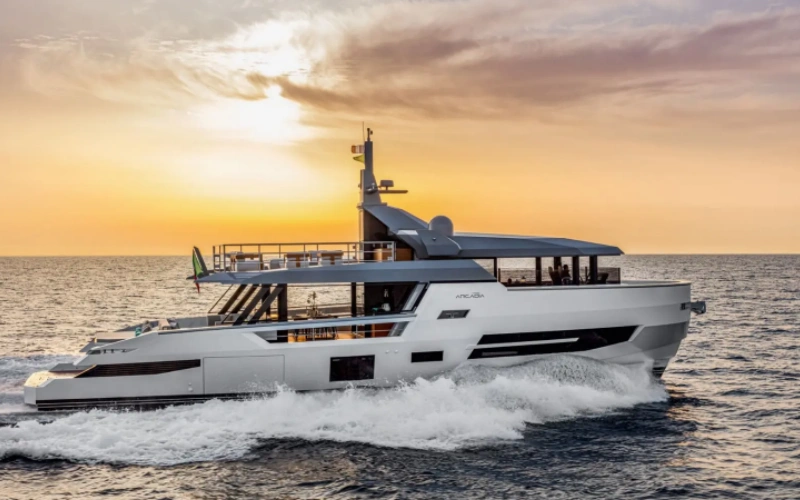
As a long-time owner, I have sailed the Arcadia 85 and Sherpa series, cruising the Mediterranean and the waters off South Florida for many years. Arcadia Yachts’ core design philosophy centers on sustainability, lightweight construction, and comfort:
Lightweight Construction: The use of carbon fiber and eco-friendly composite materials results in a lighter hull, reducing fuel consumption.
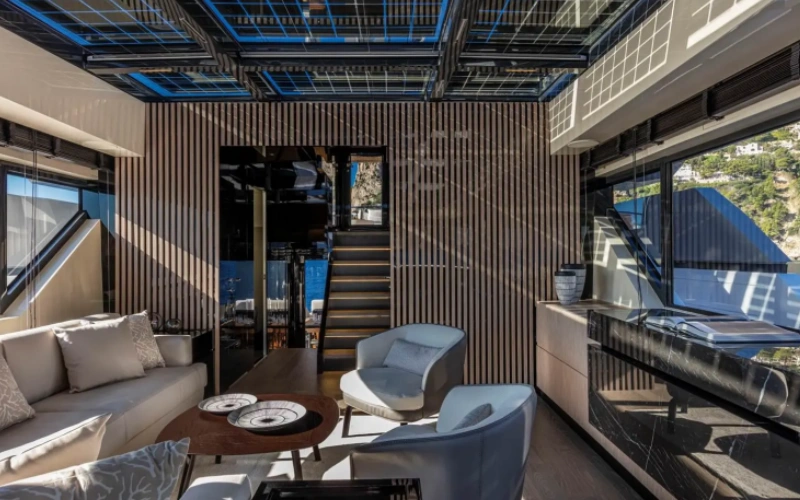
Open-Concept Design: Panoramic windows, open decks, and unobstructed spaces allow passengers to feel closer to nature.
Suitable Scenarios: Ideal for coastal cruising, family leisure, or slow-paced long-distance voyages.
Owner’s Experience: When cruising at 10 knots on the Arcadia 85, I could easily cover 120 nautical miles. The hull’s quiet operation and the deck’s open design made for a very comfortable experience for the whole family.
Overview of Traditional Motor Yachts
Traditional motor yachts typically feature steel or aluminum hulls paired with high-powered engines, prioritizing high speed and ocean-going capability.
Design Features: Heavy and powerful, suitable for ocean voyages or rapid inter-port travel.
Ideal Scenarios: Ocean exploration, large gatherings, and rapid port-to-port travel.
Owner’s Experience: I once took guests on a test drive of a 100-foot traditional motor yacht. It could reach a top speed of 28 knots and carry over 10 passengers, making it suitable for rapid port-to-port travel, but fuel consumption increased significantly.
What Are the Pros and Cons of Arcadia Yachts?
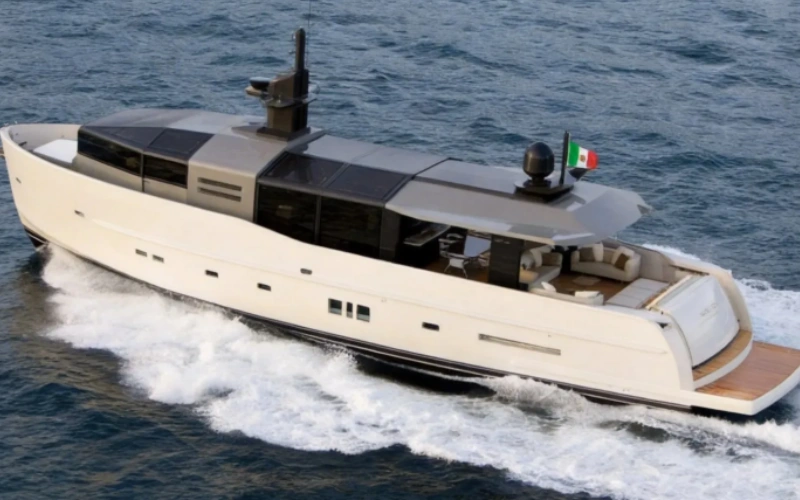
Advantages of Arcadia Yachts
Fuel Efficiency and Environmental Friendliness: When cruising at 10–12 knots, the Arcadia consumes approximately 120–150 liters of fuel per hour. Compared to traditional motor yachts of the same tonnage, this represents a 30%–40% reduction in fuel consumption, significantly lowering the cost of long-distance cruising.
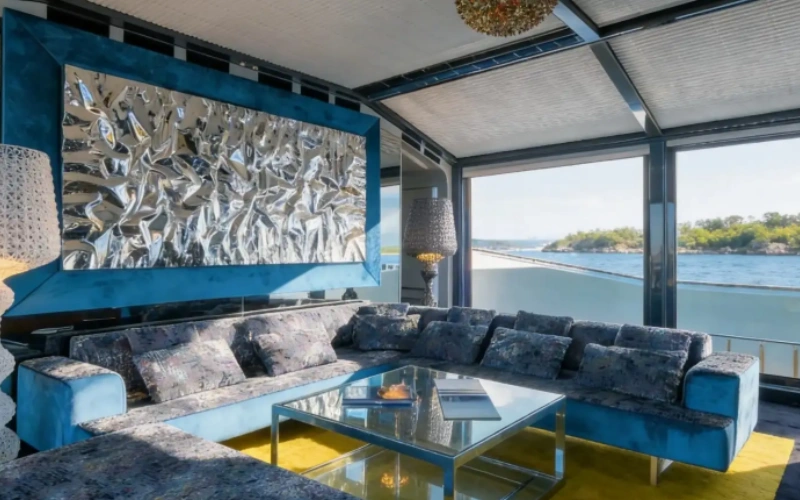
Comfort and Living Space: The open deck and panoramic windows ensure ample natural light and excellent air circulation. The interior layout is well-designed, balancing leisure and social functions.
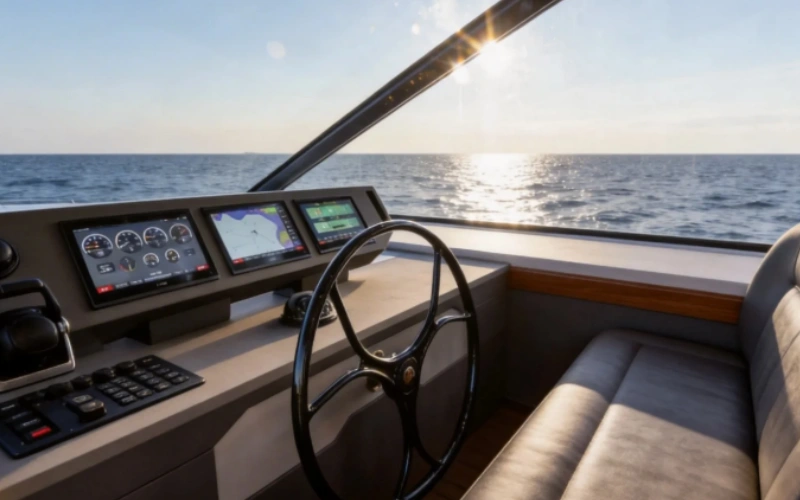
Sailing Experience: Smooth and quiet, particularly during slow cruising, which reduces the likelihood of seasickness. Intelligent control systems simplify operation, allowing for single-handed or minimal crew operation.
Maintenance Costs: Carbon fiber and composite materials reduce corrosion, lowering long-term maintenance expenses. Annual maintenance costs are estimated to be approximately 20%–30% lower than those of traditional motor yachts.
Disadvantages of the Arcadia Yacht
Speed Limitations: Maximum speed of 15–18 knots, making it unsuitable for high-speed ocean voyages.
Limited Passenger and Cargo Capacity: Long-distance voyages with multiple passengers or the transport of large quantities of cargo require advance planning.
Seaworthiness: Slightly lower stability in extreme sea conditions; suitable for coastal and slow-speed ocean cruising.
Advantages and Disadvantages of Traditional Motor Yachts
Advantages of Traditional Motor Yachts
High-Speed Cruising: With powerful engines, they can quickly travel between ports or across the open ocean.
Passenger and Cargo Capacity: Large cabins and cargo holds allow for more passengers and equipment.
Strong Seaworthiness: Capable of handling a variety of sea conditions, making them suitable for ocean exploration.
Disadvantages of Traditional Motor Yachts
High Fuel Consumption: For a 90–100 foot yacht, cruising consumes approximately 200–250 liters of fuel per hour.
High Maintenance Costs: Large displacement and complex propulsion systems require more frequent maintenance.
Traditional Comfort Level: Natural lighting and open spaces are not as abundant as on Arcadia yachts, resulting in a mediocre experience during extended stays.
Should You Choose an Arcadia Yacht or a Traditional Motor Yacht?
Before deciding between an Arcadia yacht and a traditional motor yacht, let’s take a look at the following two tables:
Arcadia vs. Traditional Motor Yacht Performance Comparison Table
| Characteristic | Arcadia Yacht | Traditional Motor Yacht |
| Hull Material | Carbon fiber, eco-friendly composites | Steel, aluminum, or composites |
| Speed | 10–18 knots | 25–30 knots |
| Fuel Consumption | 120–150 liters/hour | 200–250 liters/hour |
| Comfort | High (open deck, panoramic windows) | Moderate (enclosed cabins) |
| Passenger Capacity | 6–10 people | 10–20 people |
| Operational Range | Inshore and slow-speed offshore | Suitable for high-speed offshore |
| Average Annual Maintenance Cost | Lower | Higher |
Arcadia vs. Traditional Motor Yacht Operating Cost Comparison Table
| Item | Arcadia 85 | Traditional 90-ft Motor Yacht |
| Construction Cost | $3M–$5M | $4M–$6M |
| Fuel Costs (per 10 hours of cruising) | $1,500–$2,000 | $2,500–$3,000 |
| Average Annual Maintenance Costs | $40k–$60k | $60k–$100k |
| Typical Cruising Range/10 Hours | 120–150 nautical miles | 200 nautical miles |
Based on the two tables above, we can conclude:
Owners Suited for the Arcadia
- Prioritize environmental protection and a low-carbon lifestyle
- Prefer comfortable, quiet, slow cruising
- Focus on family leisure or small gatherings
- Prefer innovative, open-concept design and lightweight hulls
Owners Suited for Traditional Motor Yachts
- Seek high-speed cruising and blue-water capability
- Require large gatherings or extended voyages with multiple passengers
- Are familiar with traditional propulsion systems and prioritize load capacity and power performance
Conclusion
Arcadia yachts and traditional motor yachts each have their own advantages:
Arcadia is suitable for owners seeking family leisure, coastal cruising, and an eco-friendly, comfortable experience.
Traditional motor yachts are suitable for high-speed ocean cruising, large passenger capacity, and long-distance exploration.
As a boat owner, I recommend considering your cruising objectives, crew size, budget, and long-term maintenance costs when making a choice—and be sure to take a test sail before making a decision.
About the Author
Emery, a yacht broker, yacht transaction consultant, and contributing writer for Yachting Magazine, has over a decade of experience in the yachting industry. As a SAMS-certified surveyor, he has been recognized as one of “Asia’s Top Ten Yachting Industry Experts” and honored with multiple industry accolades, including the “Outstanding Service Award for Yacht Brokers.”
Disclaimer
The content of this article is solely based on the author’s first-hand perspective and market experience and does not constitute investment, purchasing, or legal advice. Yacht prices, performance, and operating costs may vary depending on model, region, market, and operational conditions. Readers should carefully evaluate these factors in light of their specific circumstances, official specifications, and professional advice before making any decisions.
FAQ
Q1: Are Arcadia yachts more expensive than traditional motor yachts?
A: While the initial construction cost of an Arcadia yacht is slightly higher, its long-term fuel and maintenance costs are lower, resulting in total ownership costs that are comparable to or lower than those of traditional motor yachts.
Q2: Which type of yacht is better suited for ocean cruising?
A: Traditional motor yachts have an advantage when it comes to high-speed ocean cruising and carrying heavy loads.
Q3: Are Arcadia yachts suitable for long-distance family cruises?
A: Arcadia yachts are suitable for short- to medium-distance family cruises and coastal to offshore voyages, but for long-distance trips with multiple passengers, fuel and supplies must be planned in advance.