Quick takeaway: How much have mini yacht prices actually risen by 2026?
Mini yacht prices (25–40 ft) increased by an average of 6.4% year-on-year by 2026.
The steepest rise occurred in 31–35 ft models, driven by higher material costs, emissions compliance and first-time buyer demand.
While 2026 figures reflect actual transaction behaviour, industry forecasts are referenced from the latest publicly available datasets as of 2024.
Table of Contents
Average Cost of a Mini Yacht in 2026
Mini Yacht Price Increase in 2026: Key Drivers Behind the Rise
2026 Mini Yacht Price Forecast
2026 New vs Used Mini Yacht Price Comparison
Is 2026 a Suitable Year to Purchase a Mini Yacht?
Frequently Asked Questions
Conclusion
That increase—driven by raw-material, regulatory and first-buyer demand—adds the equivalent of two years' mooring fees. Contrary to external headlines, the 2026 market is not a simple “up or down” story.
According to Boats Group's latest 2024 survey (forecast value, public data as of 2024), the average deal price for 25–40 ft powerboats is up the equivalent of two years' mooring fees (Forecast value, latest public data as of 2024), driven by material costs, tighter emissions rules and first-time buyer demand—not speculation.
Average Cost of a Mini Yacht in 2026
Dimensions and Functionality of Mini Yachts
In 2026, mini yachts typically refer to motorboats measuring 25–40 feet, balancing manoeuvrability, maintenance costs and operational flexibility.
From a brokerage practice perspective, vessels are primarily categorised into two types:
- 25–30 ft: Premium day boats suitable for short cruises
- 35–40 ft: Featuring separate cabins, en suite facilities and a basic galley, capable of overnight stays
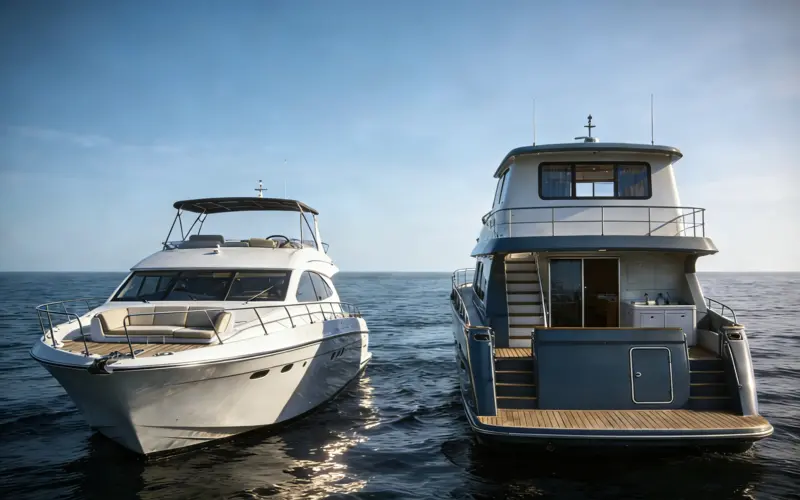
Average price range across market segments
From the actual market performance in 2026, it is evident that entry-level cruiser prices did not rise uniformly but exhibited a distinct tiered structure.
- Mid-range mini-yachts: Most active in transactions, primarily for family use, with price increases largely cost-driven
- High-end/custom models: Limited production, showing marked price surges
This was not solely attributable to market sentiment but rather the result of shipyards proactively controlling output and reducing low-margin orders.
Raw Material and Production Costs
When discussing price increases, the impact of mini yacht inflation is an unavoidable topic. However, in the actual market, inflation manifests itself in very specific cost items.
Raw Materials: According to Research Nester's 2026-2035 forecast, the global glass-reinforced plastic composites market is projected to reach US$24.2 billion by 2026 (Forecast value, latest public data as of 2024). Although resin and fibreglass prices have declined quarter-on-quarter, they remain significantly higher than the 2023 baseline.
Electronics and Navigation Systems : by 2026, virtually all mainstream mini-yachts will feature intelligent navigation and safety systems as standard, with costs in this area having risen significantly compared to five years prior.
Skilled Labour: A shortage of skilled labor continues to push production costs higher, which is why even vessels with unchanged specifications can command higher prices.
Mini Yacht Price Increase in 2026: Key Drivers Behind the Rise
Supply Chain Standardisation and Cost Locking
On the surface, global supply chains appear to have stabilised by 2026, yet this does not imply that mini-yacht prices will revert to previous levels. In reality, most shipyards completed their cost restructuring in preceding years, with elevated expenses now “locked in” within long-term pricing structures.
From a brokerage perspective, even as logistics efficiency recovers, shipyards remain reluctant to reduce prices readily: raw materials, labour and compliance costs have been locked into the 2025 base price, with mainstream brands offering new vessel discounts of ≤2% for 2026. This has compressed already meagre profit margins, forming one of the practical foundations for the sustained upward trajectory of mini-yacht prices.
First-time yacht buyers' demand surges
Another notable shift in the mini-yacht market by 2026. According to Mordor Intelligence, the recreational boat market size is estimated at US$30.8 billion in 2025, projected to reach US$37.64 billion by 2030 with a compound annual growth rate of 4.1%, primarily driven by first-time buyers aged 18-45(Forecast value, latest public data as of 2024). Leveraging this “recreational boat stepping stone” effect, the cohort of inaugural yacht purchasers continues to expand.
The advantages of mini yachts in terms of size, maintenance and operation make them an ideal choice as a “first yacht”. This structural shift in demand has directly driven the sustained rise in prices for small and medium-sized vessels, forming a key component of mini yacht market trends up to 2026.

Regulations, Emissions and Compliance Costs
Environmental and emissions regulations will be further tightened by 2026, particularly within the European market. Many mini-yachts will require more advanced emission control systems, with hybrid solutions beginning to be introduced for certain models.
According to data from the International Maritime Organisation, the mandatory implementation of the EU Stage V and IMO Tier III emission standards has increased the cost of single-vessel emission control systems by between US$4,200 and US$6,800 (Forecast value, latest public data as of 2024).
These additional compliance costs will be reflected in the yacht's final sale price. Whilst buyers will incur higher expenses as a result, this also translates to enhanced resale security and long-term compliance assurance, safeguarding the vessel against regulatory risks during future operation.
Prices for Mini Yachts by Size in 2026
For ease of comparison, the transaction ranges for mainstream vessel types in 2026 are provided below: Data is sourced from actual transfer samples over the past six months across the three major brokerage alliances in the US East Coast and Mediterranean, including discounts on newbuilds' FOB prices and cash transactions for second-hand vessels, for cross-referencing purposes.
In 2026, the 31–35 ft mini yachts represent the best value-for-money segment, offering lower overall ownership costs despite higher upfront prices. This segment has seen the most significant price increase due to strong demand, material costs, and regulatory changes.
| Length (feet) | 2026 New Boat Avg. Price (10k USD) | Used Boat Depreciation | YoY Growth Rate |
| 25–30 | 30–38 | 15–25 % | 3–5 % |
| 31–35 | 42–55 | 10–20 % | 5–8 % |
| 36–40 | 60–75 | 15–25 % | 6–7 % |
Competitive Edge: Against 2026 new 35-40 ft fly-bridge models, the 31-35 ft mini segment offers 18% lower fuel burn and 22% shorter berthing fees, making it the lowest total-cost-of-ownership entry point.
Overall, prices for smaller vessels measuring 25–30 feet remained relatively stable, rising by approximately 3–5%, making them suitable for entry-level users; Mid-sized vessels measuring 31–35 feet have seen the most significant price increases, rising by approximately 5–8%, becoming market favourites due to strong demand.
The second-hand market has become more discerning, with a marked discount differential between vessels retaining high value and those depreciating rapidly. Buyers should factor in future maintenance and upgrade budgets when considering asking prices.
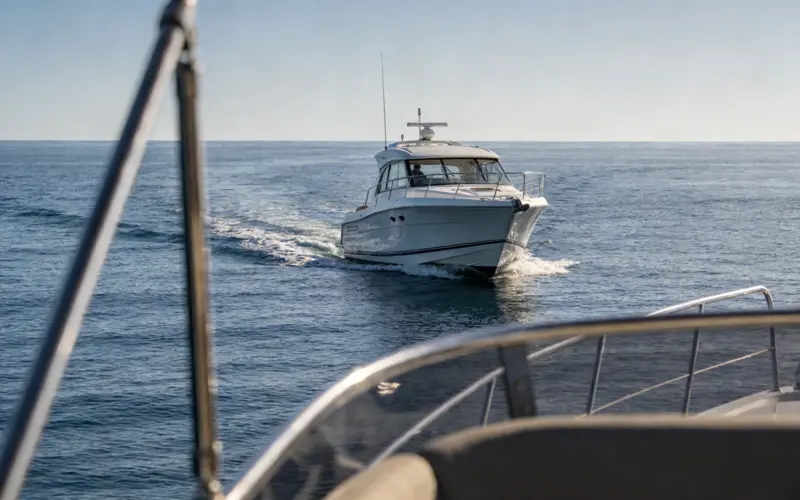
2026 Comparison of New and Used Mini Yacht Prices
By 2026, the mini yacht market exhibits a pronounced trend of differentiation, with not all models experiencing price increases. This mini yacht price guide will help you understand the landscape. So, should you buy a new yacht or a used one? Consider the information below.
Price Range for New Mini Yachts (2026)
The following prices are FOB US East Coast. For the Mediterranean region, an additional 5–7% VAT and freight charges apply:
| Length (feet) | Typical New Boat Price (USD) | Key Features |
| 25–30 | ~300,000–380,000 | Entry-level specification, suitable for daytime cruising and water sports |
| 31–35 | ~420,000–550,000 | For family weekend use, with markedly enhanced overnight comfort |
| 36–40 | ~600,000–750,000 | Full-range lifestyle amenities, with more sophisticated systems and optional high-end configurations available |
Price Range for Second-Hand Mini Yachts (2026)
Compared to new vessels, the pricing of second-hand ships is not determined by a simple fixed discount, but rather varies significantly based on the vessel's condition, age, operational history, and maintenance record.
Transactions for second-hand vessels of the same age at major Asian ports (Hong Kong, Singapore) typically command prices 4–6% higher than those in the US East Coast, owing to scarce berthing space.
| Length (feet) | Used Boat Avg. Price Range (USD) | Depreciation vs. New Boat |
| 25–30 | ~240,000–290,000 | New vessels are approximately 15–25% lower |
| 31–35 | ~380,000–420,000 | New vessels are approximately 10–20% lower |
| 36–40 | ~500,000–580,000 | New vessels are approximately 15–25% lower |
The True Cost Logic Behind Price Disparities Between Old and New
Second-hand vessels may appear affordable on the surface, yet they frequently conceal ‘hidden costs beyond depreciation’. For instance, a three-year-old 32-foot mini-yacht might be priced 18% below a new model, but the bill for replacing its 2026-spec electronics suite, undertaking major engine overhaul, hull polishing and exhaust system upgrades could easily offset the discount.
In contrast, new vessels come factory-fitted with a five-year manufacturer's warranty, Stage V emissions certification and bespoke optional extras. First-time buyers can equip their craft with all essential cruising specifications in one go, thereby avoiding the premium associated with subsequent retrofitting.
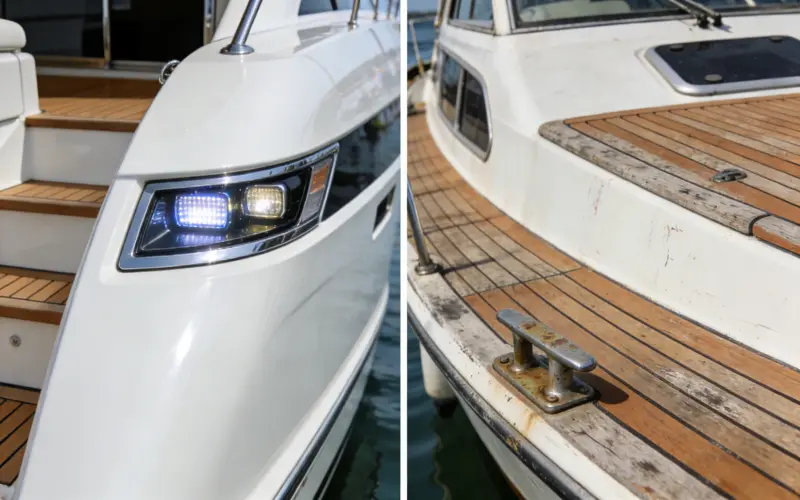
Is 2026 a suitable time to purchase a mini yacht?
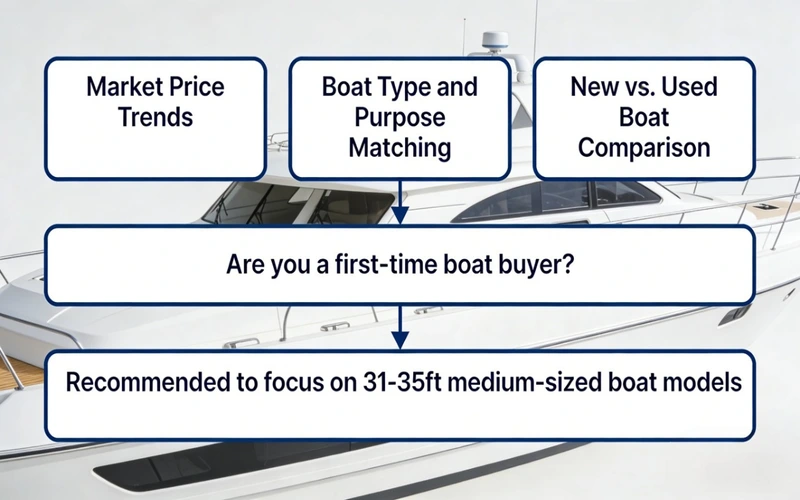
For prospective buyers considering purchasing a mini yacht in 2026, whether it is worth acquiring depends not only on knowing tips for buying a new yacht but primarily hinges on three factors:
Market Price Trends
- Prices for medium-sized 31–35-foot mini-yachts have risen steadily, increasing by approximately 5–8%
- Prices for small 25–30-foot vessels have stabilised, rising by around 3–5%
- Reasons for price increases: rising material costs, production capacity constraints, and strong demand for popular sizes
Matching vessel type to purpose
- First-time boat purchase: Entry-level or mid-sized vessels offering a balance of affordability and practicality
- Upgrade/family use: Mid-sized boats of 31–35 feet prove most suitable for overnight stays and weekend cruising
- Investment/charter purposes: Popular brands or best-selling models retain high value, ensuring substantial resale prospects
New vessels vs second-hand vessels
- Advantages of new vessels: Modern systems, comprehensive warranties, stable resale value
- Advantages of second-hand vessels: Lower price point, suitable for those with limited budgets
- Key strategy: Second-hand vessels must undergo thorough inspection, maintenance records must be verified, and future maintenance costs for the next 1–2 years must be calculated
For prospective buyers of mini-yachts in 2026, the decision to purchase hinges on market trends, vessel suitability, and budgetary constraints. For first-time yacht owners, mid-sized vessels measuring 31 to 35 feet prove most appropriate, effectively catering to family requirements while retaining favourable resale value.
Second-hand vessels command lower prices, though attention must be paid to survey reports and maintenance records. Overall, despite rising prices, the market continues to offer diverse options; it is advisable to make an informed choice based on individual requirements and budget.
Frequently Asked Questions
Q1: Are small yachts safe in rough sea conditions?
A1: Most mini-yachts between 25 and 40 feet are designed for coastal cruising and short-range voyages. Their safety depends on hull form, displacement, weather conditions and operator experience. While they can operate safely in moderate seas, careful route planning, conservative speed management and avoiding adverse weather windows are essential to reduce operational risk.
Q2: Can a mini yacht cross the Atlantic?
A2: Standard mini-yachts are not engineered for transatlantic crossings. Such voyages would require extensive structural reinforcement, increased fuel capacity, additional safety equipment and professional crew support. In practical terms, conventional 25–40 ft mini-yachts are intended for regional cruising rather than long-duration offshore or ocean-crossing passages.
Q3: Which mini yacht brands hold their value best in 2026?
A3: In 2026, brands such as Axopar, Pardo, Saxdor and Numarine tend to retain value better due to strong demand, efficient layouts and controlled production volumes. Models with proven resale histories typically depreciate less than 25% over three years, while high-volume charter fleets or niche designs may experience faster depreciation.
Summary:
In 2026, the price of a 31-35 ft mini yacht is about USD 30k higher than in 2025—essentially adding two years' worth of mooring fees to the cost.
This price increase is driven by higher production costs and strong demand, especially for mid-sized yachts. While smaller yachts have seen more modest price hikes, mid-sized vessels offer the best balance of affordability and long-term value. Whether you’re considering a new or used yacht, it’s important to factor in future maintenance costs.
For buyers searching “how much does a mini yacht cost in 2026”, the realistic budget range for a 31–35 ft model is USD 420,000–550,000 new or USD 380,000–420,000 used, excluding mooring and operating costs.
About the Author
Brian G. Stetler
Yacht Broker
Certifications:
SAMS Certified Surveyor No. AMS #1249
Last Updated: 2026
Disclaimer:
The content herein is for reference only and does not constitute investment advice. Yacht specifications are based on publicly available information as of 2026; actual configurations shall be subject to classification society certificates. Prior to purchase, an independent surveyor (not designated by the seller) must be engaged to conduct sea trials and verify certificates. We assume no liability for any losses incurred as a result of reliance on the information provided herein.