Choosing the right fishing yachts for sale is a task that is both exciting and requires careful consideration. Whether you're a fan of offshore fishing or an adventurer who enjoys the challenge of deep sea walleye, finding a fishing yacht that meets your needs is key to enhancing your fishing experience. This article will provide you with a detailed guide to help you make an informed choice in a number of areas, including the type of fishing, size of the yacht, hull design, engine power, boat building materials, and functional amenities.
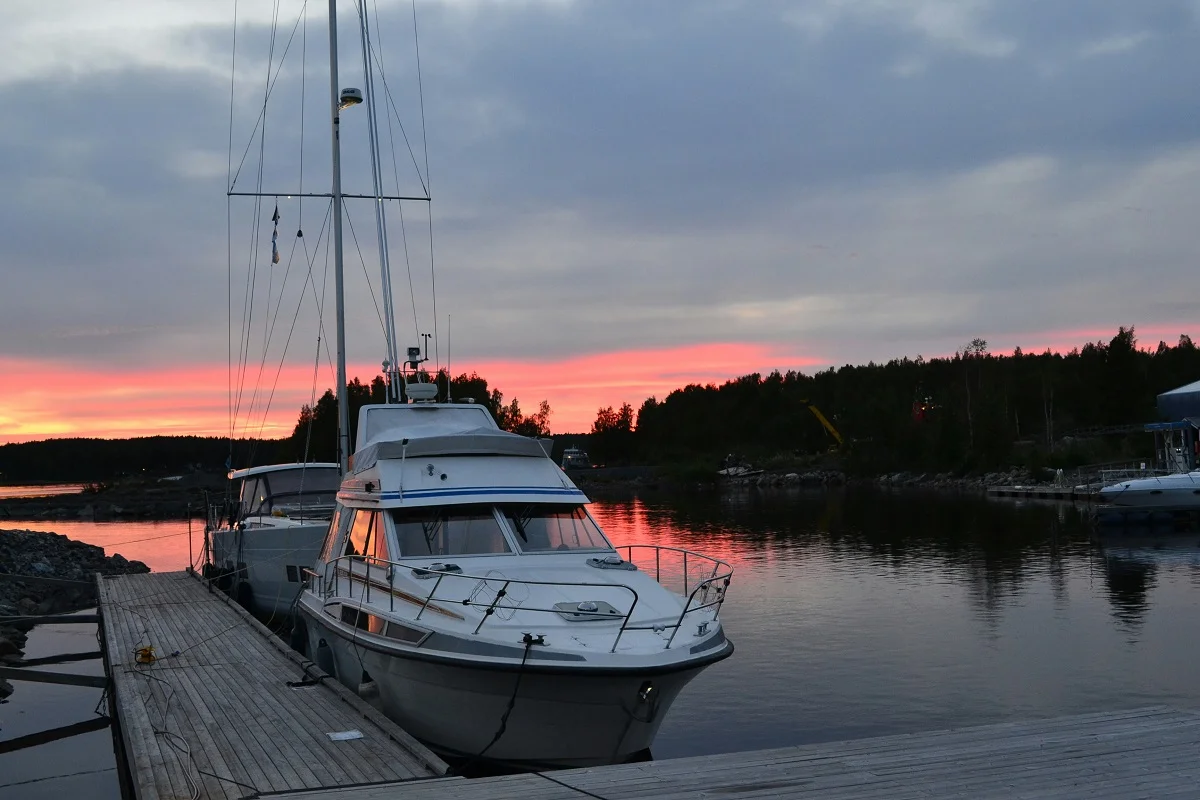
Type of Fishing
The first and most crucial factor when choosing the right fishing yacht is the type of fishing you do. Different fishing yachts are designed for various types of fishing, so specifying your fishing preferences will greatly influence your final choice!
1. Offshore Fishing
If you mainly fish offshore, you can choose a small to medium-sized yacht with good stability and maneuverability. These yachts are usually designed with good wave protection and are suitable for calmer waters.
2. Estuary Fishing
The currents and tides in estuaries are highly variable, so it is necessary to choose a yacht that can adapt to shallow water and complex currents. These yachts usually have flat bottoms and are easy to maneuver in shallow water.
3. Deep Sea Fishing
For deep sea fishing enthusiasts, you need to choose a large yacht with a sturdy structure and high resistance to wind and waves. These yachts are usually equipped with more powerful engines and more safety equipment to cope with the harsh ocean conditions.
Size of Fishing Yacht
When choosing the right fishing yachts for sale, the size of the boat should be based on a combination of factors such as the type of water, the number of people accompanying you, your budget, your skills and the frequency of use. The details are as follows:
1. Type of Water
Calm Waters: Choose small boats, such as bass boats, for lakes and rivers.
Rough Waters: Choose medium to large boats, such as center control boats, for inshore and offshore.
2. Number of Accompanying Persons
Small Groups (1-3 people): Choose a small boat, such as a bass boat, which is perfect for close friends or family outings due to its ease of maneuverability and lower cost.
Medium-Sized Groups (4-6 people): Choose a medium-sized yacht, such as a 24-30-foot center control, which is ideal for weekend getaways or short trips due to its spaciousness and comfort.
Large Groups (7 or more): Choose a large yacht, such as a 30-foot-plus center console or catamaran, which is ideal for extended fishing trips and group activities because of its ample space and amenities.
3. Storage and Transportation
Small Boats: Easier to store and transport for those without a dedicated dock.
Medium to Large Boats: Requires dedicated dock or garage, higher transportation costs.
Hull Design
Hull design is a key factor when choosing a fishing yacht as it significantly affects the boat's performance, stability and fuel efficiency.
1. V-Hull
Ideal for rough waters, offers good maneuverability and fuel efficiency, but is less stable when stationary.
2. Flat Bottom Hull
Suitable for calm waters and shallow areas, providing excellent stability and shallow draft, but less fuel efficient at high speeds.
3. Catamaran Hull
Ideal for offshore fishing and group activities, they offer excellent stability and generous deck space, but at a higher cost.
Engine Power of the Yacht
Choosing the right engine power is critical to the performance and experience of your fishing yacht. Not only does the engine determine the speed and maneuverability of the yacht, it also has a direct impact on fuel efficiency.
1. Boat Size and Weight
Ensure that engine power is matched to the size and weight of the boat for optimum performance and fuel efficiency.
2. Water Conditions
Choose the right engine power according to the water conditions you often fish in. Tough water conditions require a more powerful engine.
3. Personal Needs
Consider your fishing style and needs, such as whether you need to move quickly or cruise for long periods of time.
Materials for Shipbuilding
Hull material is an important consideration when choosing a fishing yacht. The main common hull materials are aluminum and fiberglass, each of which has its own unique benefits and applicable scenarios.
1. Aluminum Boats
Advantages: Light weight, durable, low maintenance, cost effective.
Applicable Scenarios: Suitable for freshwater fishing, shallow water, easy transportation and storage.
2. Fiberglass Boat
Advantages: Excellent performance, beautiful appearance, high structural strength, good sound and heat insulation.
Applicable Scenario: Suitable for saltwater fishing, offshore and distant sea, long time sailing.
Functional Facilities of Fishing Yachts
When choosing fishing yachts for sale, the completeness of its functional facilities will directly affect your fishing experience and comfort.
1. Rod Holders and Storage Space
Ensure that there is adequate rod holders and storage space on board for ease of use and tidiness.
2. Live Wells
Choose a vessel with a live well to keep your catch fresh and preserve it for a longer period of time.
3. Fish Finder and GPS
Equipped with a high quality fish finder and GPS system to help locate fish and navigate safely.
4. Seating and Comfort
Choose a boat with adjustable seating and enough lounging space to ensure comfort for long hours of fishing.
5. Other Functional Facilities
Refrigeration Facilities: Ensure freshness of food and catch.
Restrooms: Provide convenience for long distance travel.
Awnings or Canopies: Provides shade and protection from sun and rain.
Fishing Gear Washing Station: Facilitates cleaning of fishing gear directly on board.
Yacht Testing
Doing a trial run is a crucial step when choosing fishing yachts for sale. A test run allows you to experience the performance of the boat for yourself, ensuring that it fully meets your needs and expectations.
1. Arrange Trial Run
Choose a time period with good weather and stable water conditions and contact the seller to arrange a trial run.
2. Preparation Before Test Run
Before the test run, you need to check the hull, engine and electronic equipments, carry necessary safety equipments and familiarize yourself with the operation procedures.
3. Considerations During Commissioning
Stability: Assess the stability of the boat under different water conditions.
Speed and Acceleration: Test the boat's performance at different speeds.
Maneuverability: Evaluate the steering and maneuverability of the boat.
Noise and Vibration: Note the noise and vibration levels when the engine is running.
Comfort: Assess the comfort of the boat's seating and lounge areas.
4. Simulate Actual Fishing Conditions
To ensure that the fishing yacht performs in real life use, you should try to do a trial run in conditions similar to those you will be fishing in and test the fishing features on board, such as rod holders and live wells.
5. Record and Feedback
During the trial run, you should record all your observations and feelings and communicate with the seller after the trial run to share your feedback.
Choosing the right fishing yachts for sale requires a combination of factors, including your type of fishing, budget, frequency of use, and need for functional amenities. By carefully evaluating these factors and conducting a thorough trial run, you will be able to find the fishing yacht that best suits your needs. If you have any questions or need further assistance during the selection process, please feel free to contact Yachttrading and our team of professionals will be happy to assist you.