Quick Answer: How Do I Sell My Yacht Fast?
To sell your yacht faster, prepare ownership documents, get a realistic market valuation, clean and stage the yacht, take professional photos, list it on the right yacht marketplace, and work only with serious buyers or a qualified yacht broker.
Ready to sell? Submit your yacht details through our Sell Yacht page for buyer matching and pricing guidance.
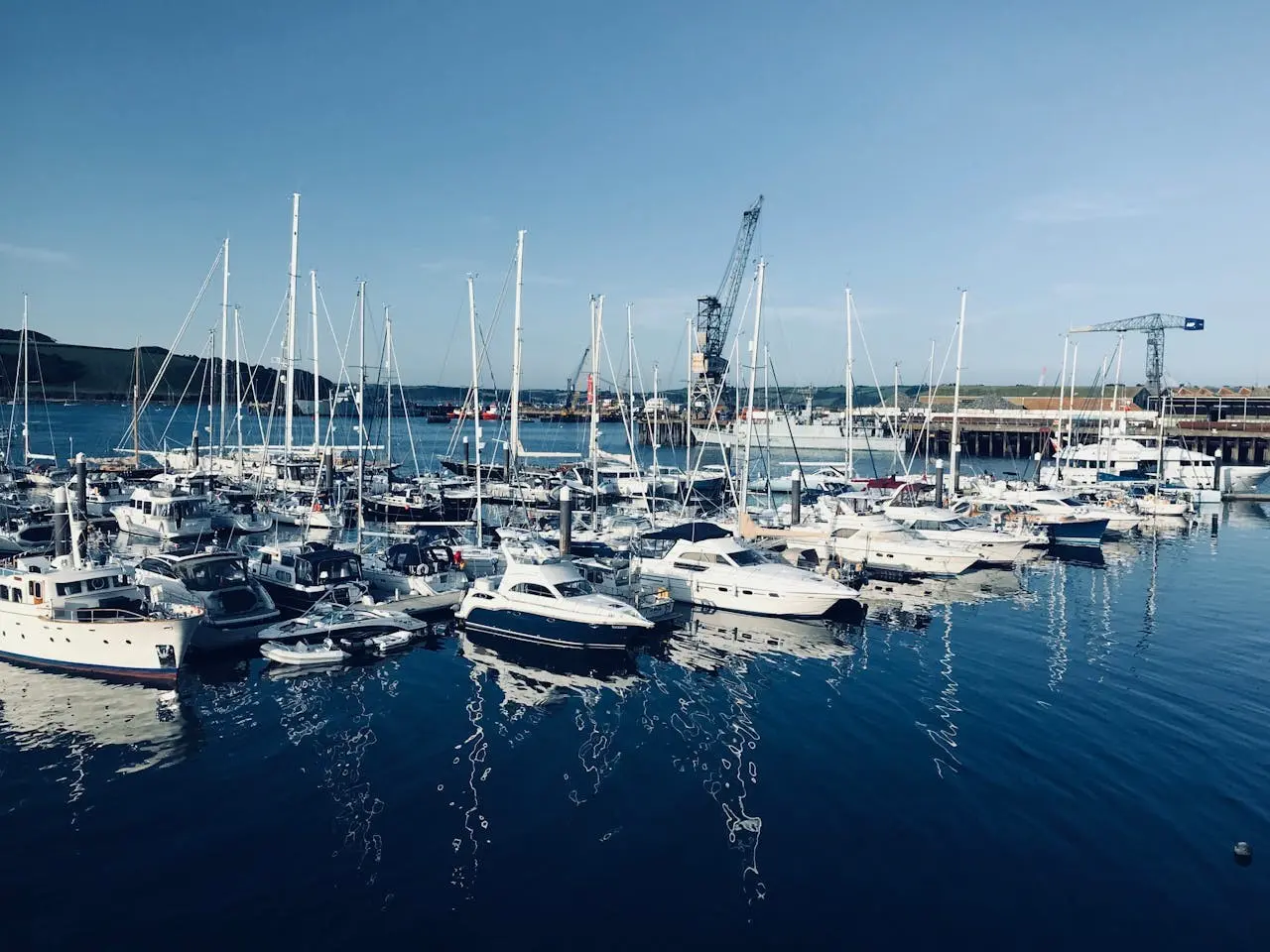
Step 1: Get a Realistic Yacht Valuation
Before listing your yacht for sale, the most important question is: how much is my yacht actually worth in today’s market?Setting the right price is the foundation of a successful yacht sale. An asking price that is too high can discourage serious buyers, while pricing too low may reduce your return. A professional yacht valuation helps you understand the realistic market value based on current buyer demand and comparable vessels.
A yacht’s value is mainly influenced by:
- Brand and model: Popular yacht brands with strong resale demand often attract more buyers.
- Year and specifications: Age, length, layout and equipment configuration affect market positioning.
- Engine hours and condition: Mechanical condition, service history and reliability are key factors.
- Maintenance and refit records: Recent upgrades, repairs and documented maintenance can increase buyer confidence.
- Current market comparison: Similar yachts currently listed for sale provide useful pricing references.
Before selling your yacht, review comparable vessels and consider obtaining a professional valuation to set a competitive price. A realistic valuation helps attract qualified buyers, reduce time on the market and improve your chances of a successful sale.
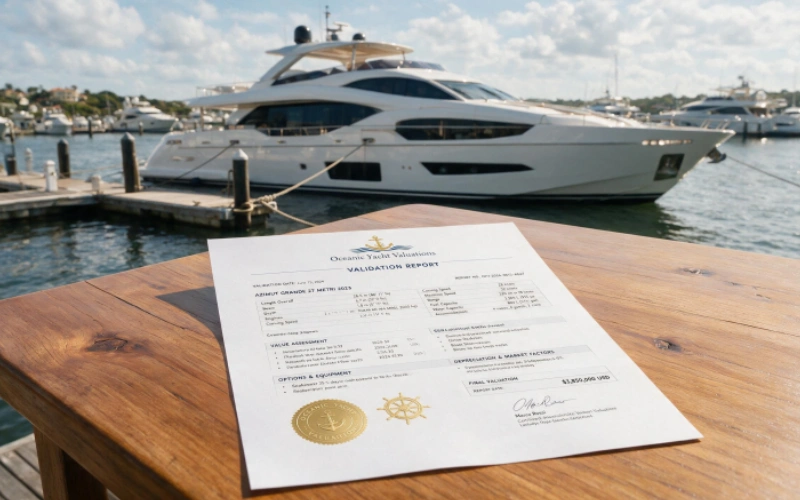
Step 2: Prepare the Documents Buyers Will Ask For
Complete and organized documentation builds buyer confidence and helps prevent delays during the sales process.Professional buyers, yacht brokers and surveyors will usually review important documents before completing a purchase. Missing paperwork can slow down negotiations and may reduce buyer confidence.
Prepare the following documents before listing your yacht:
| Document | Why It Matters |
|---|---|
| Proof of ownership | Confirms that you legally own the yacht and have the right to sell it |
| Bill of sale | Shows previous transaction history and ownership transfer records |
| Registration documents | Confirms vessel identity and registration details |
| Maintenance records | Demonstrates regular servicing and responsible ownership |
| VAT or tax documents | Important for many international yacht transactions |
| Builder’s certificate | Provides information about the yacht’s construction origin |
| Equipment invoices | Shows upgrades, replacements and additional investments |
| Survey reports | Helps buyers understand the yacht’s condition |
Maintenance records are especially valuable because they provide evidence that the yacht has been properly cared for. Buyers are often willing to pay more for a vessel with transparent service history compared with a similar yacht without documentation.
If some documents are missing, contact the yacht manufacturer, previous broker, marina, service company or relevant registration authority. Experienced yacht professionals may also help locate missing information through industry contacts.
Having documents ready before listing your yacht can significantly shorten the sales process.
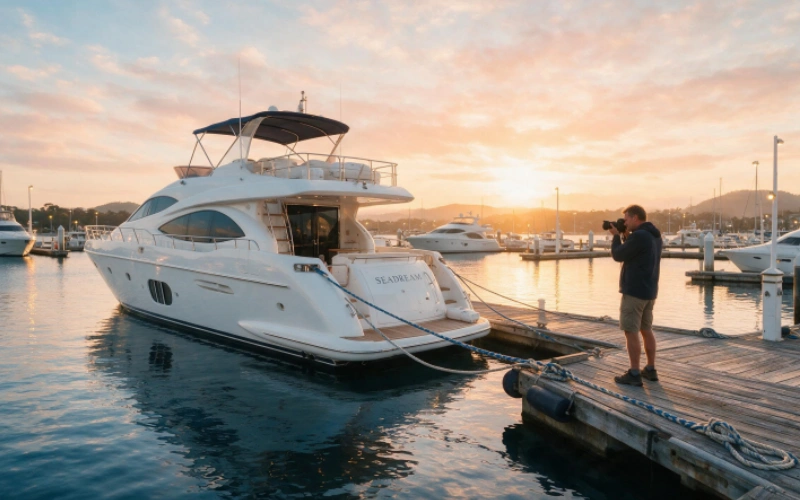
Step 3: Clean, Stage and Photograph the Yacht
A professionally prepared yacht attracts more buyer attention, creates stronger first impressions and can significantly improve the performance of your sales listing.When buyers browse yachts online, photos and presentation are often the first factors that determine whether they will make an inquiry. A clean, well-staged yacht gives buyers confidence that the vessel has been properly maintained and cared for.
Before listing your yacht, prepare it as if you were presenting it for a professional viewing.
Remove Personal Items and Stage the Interior
A neutral and organized interior helps buyers imagine themselves owning and using the yacht.Remove:
- Personal clothing and belongings
- Private decorations
- Food supplies
- Unnecessary equipment
- Items stored in cabins and living areas
Complete a Deep Cleaning and Exterior Refresh
Small visual improvements can have a major impact on buyer perception.Before photographing your yacht, pay attention to:
- Hull cleaning and polishing
- Deck and cockpit areas
- Teak surfaces
- Salon and cabins
- Galley and bathrooms
- Helm station
- Engine room
- Storage compartments
Take Professional Yacht Photos
High-quality photography is one of the most important factors in generating serious buyer inquiries.A complete yacht photo package should include:
- Exterior profile views
- Bow and stern views
- Deck and cockpit areas
- Salon and interior spaces
- Cabins and bathrooms
- Helm station
- Engine room
- Navigation and onboard equipment
- Recent upgrades or refit details
- Aerial or marina photos when available
Professional photos not only increase listing visibility but also help buyers better understand the yacht’s condition before arranging a viewing or sea trial.
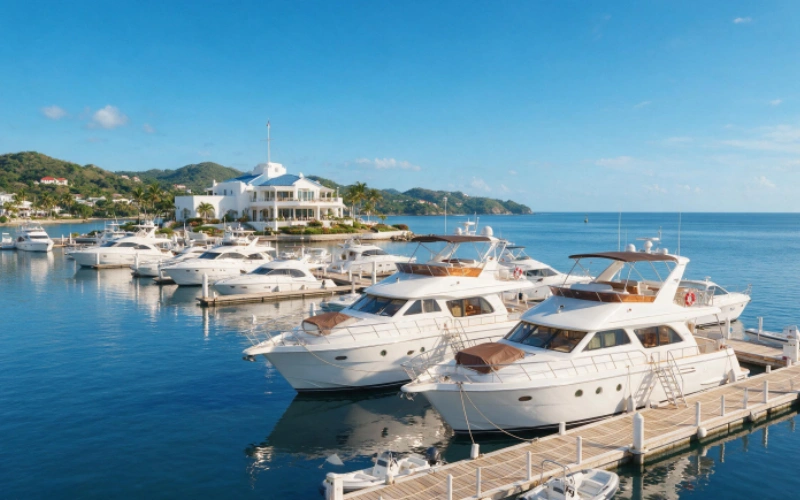
Step 4: Create a Yacht Listing That Attracts Serious Buyers
A detailed and accurate yacht listing helps qualified buyers quickly understand the value, condition and suitability of your vessel.A common mistake among sellers is creating a listing that only includes basic information such as the yacht model, length and asking price. Serious yacht buyers usually want much more detail before contacting a seller.
A high-quality listing for a used yacht for sale should clearly include the following information:
- Yacht brand and model
- Year of manufacture
- Length, beam and draft
- Engine brand, model and operating hours
- Cruising speed and range
- Number of cabins and guest capacity
- Maintenance history
- Recent refits or upgrades
- Navigation and entertainment equipment
- VAT status (where applicable)
- Current location
- Delivery options
- Family cruising
- Long-range cruising
- Charter operation
- Fishing trips
- Weekend coastal use
- Island exploration
Avoid exaggerated descriptions or unclear claims. Yacht buyers are usually experienced and will verify specifications through surveys, sea trials and documentation reviews. Accurate information builds trust and reduces unnecessary negotiation later.
A professionally prepared listing, accompanied by high-quality photos, can significantly increase your chances of attracting serious buyers.
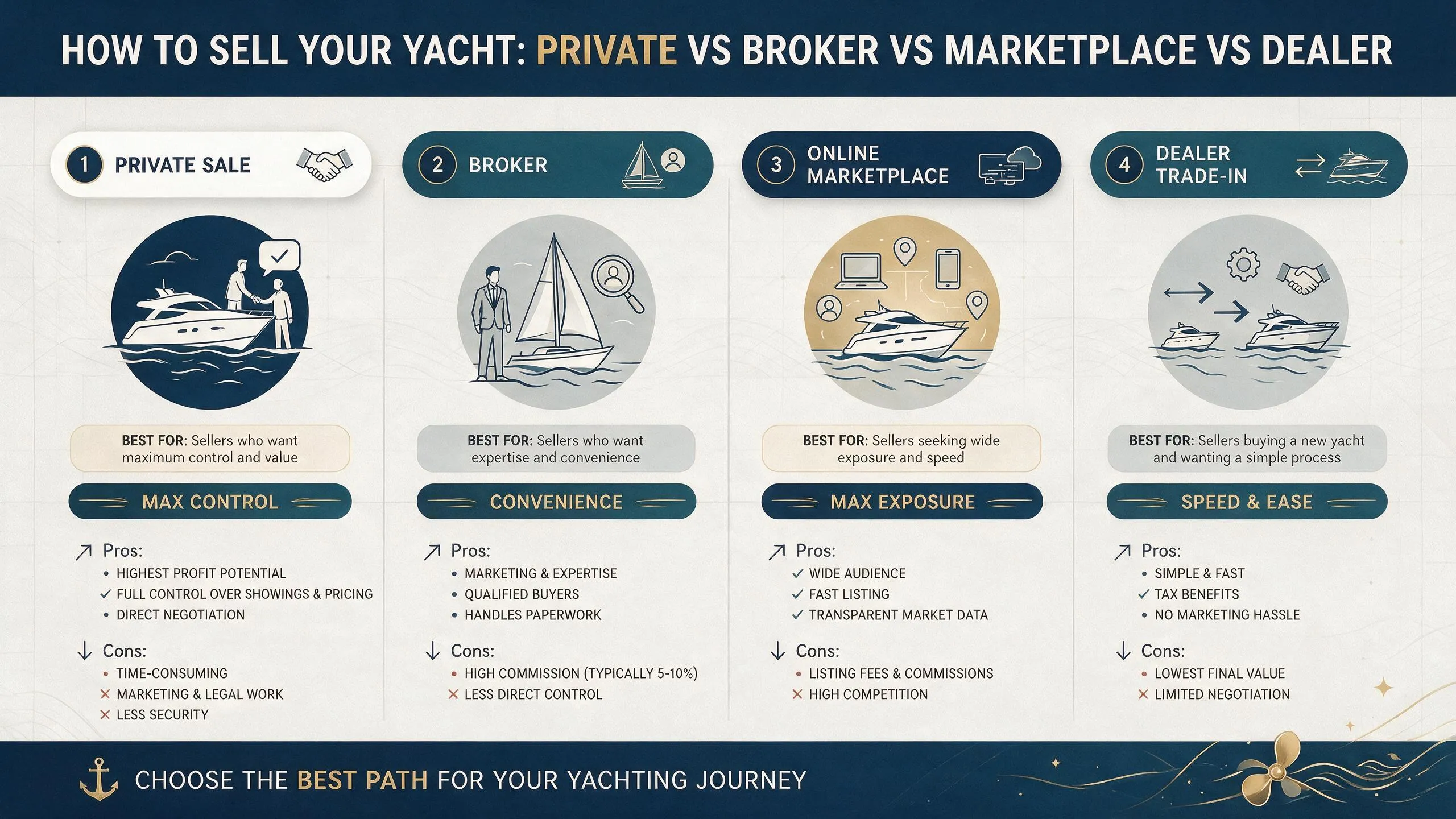
Step 5: Choose the Best Way to Sell Your Yacht
The best way to sell your yacht depends on your boat type, target buyers and how much support you need during the sale.| Selling Method | Best For | Pros | Cons |
|---|---|---|---|
| Sell privately | Small boats, local buyers | Lower costs | More time and risk |
| Yacht broker | Luxury and higher-value yachts | Buyer screening and negotiation support | Broker commission |
| Yacht marketplace | Online and international buyers | Wider buyer reach | Requires a strong listing |
| Dealer/trade-in | Fast sales | Simple process | Lower selling price |
For most yacht owners, a combination of professional pricing, quality presentation and access to serious buyers is the key to a successful sale.
Step 6: Screen Buyers Before Sea Trials
Not every inquiry leads to a serious buyer. Qualifying potential buyers before arranging a viewing or sea trial can save time, reduce costs and make the selling process more efficient.Before scheduling a sea trial, confirm a few key details:
Budget – Make sure the buyer's budget is realistic for your asking price.
Purchase timeline – Ask whether they are ready to buy soon or are only comparing different yachts.
Genuine interest – Avoid spending time on casual inquiries from people who are not actively looking to purchase.
Sea trial conditions – Agree in advance on the date, location and any conditions for the trial.
International buyers – If the buyer is overseas, discuss payment arrangements, transportation and delivery before moving forward.
Taking a few minutes to qualify buyers can help you focus on serious prospects and avoid unnecessary viewings or sea trials.

Step 7: Negotiate Without Underselling Your Boat
Successful yacht negotiation requires understanding the difference between reasonable buyer requests and unnecessary price reductions.Price negotiation is a normal part of selling a yacht. Even well-priced vessels may receive offers below the asking price. However, sellers should avoid accepting unrealistic discounts without proper evaluation.
Common buyer negotiation points include:
- Age of the yacht
- Engine hours
- Cosmetic issues
- Required maintenance
- Upcoming equipment replacement
- Market comparison
However, not every buyer request requires a discount. A yacht with:
- Complete maintenance records
- Recent upgrades
- Professional preparation
- Competitive pricing
Experienced yacht brokers can help separate serious negotiation from unreasonable price reductions. Their market knowledge allows sellers to protect the value of their vessel while keeping the transaction moving forward.
How Long Does It Take to Sell a Yacht?
There is no fixed timeline for selling a yacht. A well-priced small boat may sell within weeks, while larger yachts can take several months depending on factors such as price, location, brand, season and buyer demand.The speed of a yacht sale is influenced by several factors, including:
- Asking price compared with similar yachts on the market
- Brand reputation and buyer demand
- Yacht condition and maintenance history
- Listing quality, including photos and specifications
- Location and time of year
What Is the Fastest Way to Sell a Boat?
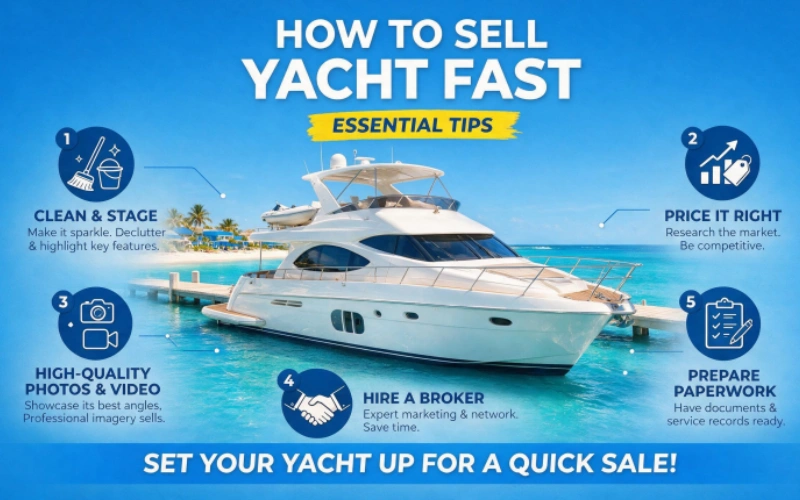
The fastest way to sell a boat is to combine realistic pricing, professional presentation and access to active buyers.Owners who need to sell a boat quickly should focus on the following:
- Set a competitive market price.
- Prepare all ownership and maintenance documents before listing.
- Fix small visible issues that affect buyer perception.
- Use professional-quality photographs.
- Advertise through channels where serious buyers are actively searching.
- Respond quickly to qualified inquiries.
- Work with experienced professionals when dealing with higher-value yachts.
Should I Use a Yacht Broker to Sell My Boat?
A yacht broker can simplify the selling process by providing market knowledge, buyer access and professional transaction support.Many yacht owners underestimate the complexity of selling a vessel, especially when dealing with expensive yachts or international buyers.
A qualified yacht broker can assist with:
- Accurate pricing strategy
- Marketing exposure
- Buyer qualification
- Negotiation
- Survey coordination
- Legal paperwork
- Closing procedures
If you are considering selling your yacht, explore our Sell Yacht service to receive guidance on valuation, buyer matching and the complete sales process.
Disclaimer
The information in this article is provided for general informational and educational purposes only. While every effort has been made to ensure accuracy, yacht prices, market conditions, regulations and availability may change over time and vary by location. This content should not be considered legal, financial or professional advice. Readers are encouraged to verify important information with qualified yacht brokers, surveyors or relevant authorities before making any purchasing, selling or investment decisions.
FAQ
Q1: How do I sell my yacht?
A: Start by getting a realistic valuation, preparing ownership documents, cleaning and photographing the yacht, writing a detailed listing, and choosing whether to sell privately, through a marketplace or with a yacht broker.
Q2: What is the fastest way to sell a boat?
A: The fastest way is to price the boat realistically, prepare all documents before listing, use high-quality photos and promote it to serious buyers through a trusted yacht marketplace or broker.
Q3: How can I sell my boat quickly?
A: Remove personal items, fix small visible issues, clean the boat thoroughly, prepare service records and respond quickly to qualified buyers.
Q4: Should I sell my yacht privately or use a broker?
A: Private selling may work for smaller boats, but larger yachts usually benefit from broker support, buyer screening, negotiation help and transaction guidance.
Q5: What documents do I need to sell a yacht?
A: Common documents include proof of ownership, registration papers, bill of sale, maintenance records, VAT or tax documents, builder’s certificate and upgrade invoices.
Q6: How do I sell a sailboat fast?
A: For sailboats, highlight sail condition, rigging age, engine hours, maintenance history, cruising equipment and recent survey details.
Q7: How do I sell my catamaran fast?
A: For catamarans, emphasize layout, cabin count, engine hours, charter potential, stability, range and recent refit or maintenance records.
Q8: Can I sell my yacht online?
A: Yes. Online yacht marketplaces can help reach international buyers, but the listing needs accurate specifications, strong photos and clear seller documentation.