Yacht engine fire is an extremely urgent and dangerous situation, improper handling will easily lead to serious consequences. Therefore, when faced with an engine fire, the skipper must quickly and decisively take the right measures. This article will explain in detail what measures you should take immediately if your yacht engine catches fire. Help you in the critical moment to protect the yacht and passenger safety.
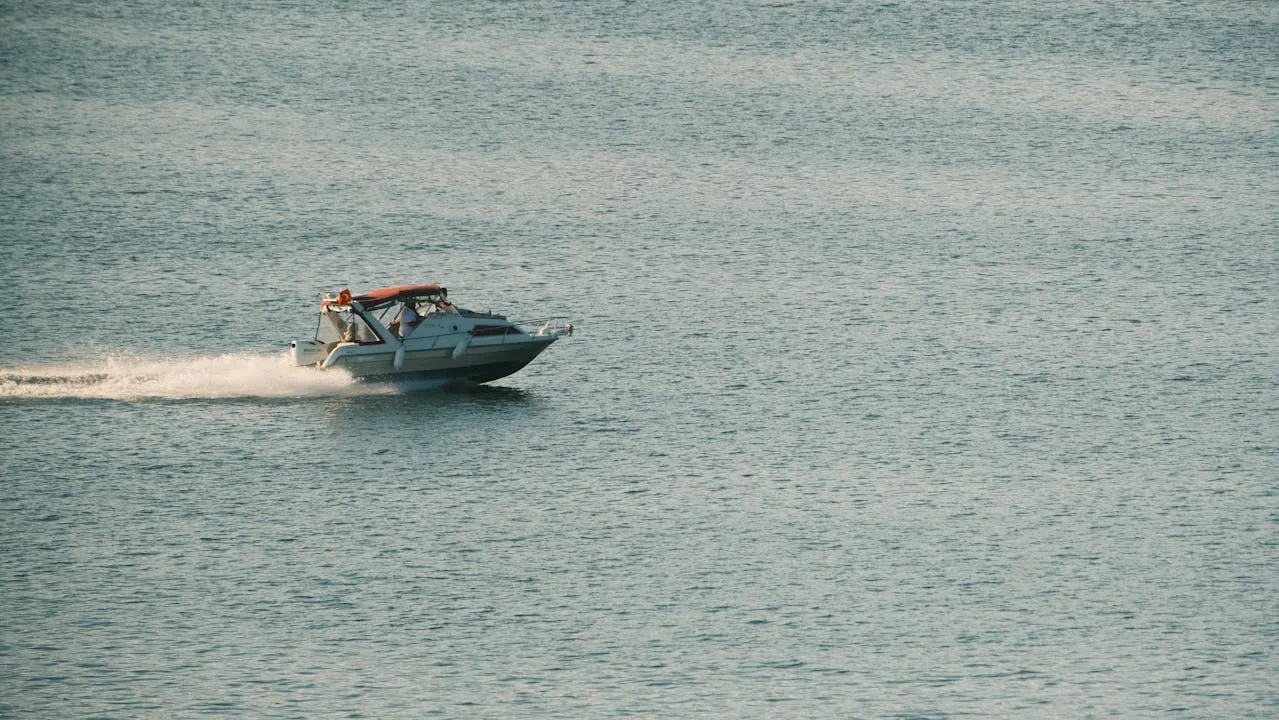
Step 1: Immediately Stop the Yacht and Adjust the Direction of Navigation
When you find an engine fire, the first priority is to stop the yacht. Sailing yacht not only can not effectively extinguish the fire, but may be due to air flow to encourage the spread of flames. At this point, the yacht should be quickly redirected to the downwind side of the wind to keep the flames and harmful fumes away from you and all passengers on board and to minimise the risk of inhalation of harmful fumes.
At the same time, it is important to ensure that all passengers wear personal flotation devices (PFDs) and that everyone is aware of the location of their lifejackets and can put them on quickly. If the fire gets out of control, abandoning the ship may be the only safe option, and being prepared in advance is key.
Step 2: Cut Off the Engine Fuel Supply
The fundamental reason a fire can keep burning is because of the constant supply of fuel. Yacht engines are usually fuelled by petrol or diesel, so it is vital that the fuel source is cut off quickly. Fuel lines to outboard engines are usually fitted with quick disconnects that can be pulled to stop the flow of fuel. Some yachts also have fuel shut-off valves or cut-off switches for primary fuel pumps, usually located near the fuel tanks or in the engine compartment. Familiarising yourself in advance with the construction of your yacht's fuel system will enable you to shut off the fuel supply quickly in an emergency and reduce the risk of fire spreading.
Inboards are also equipped with fuel shut-off valves, often in obvious locations, so be sure to check in advance and become proficient in their operation.
Step 3: Extinguish Initial Flames With a Marine Fire Extinguisher
When the fire is still in the early stages, the timely use of marine fire extinguishers to fight can avoid the expansion of the disaster. Be sure to choose the appropriate yacht engine room fire extinguishing equipment, according to the correct method of operation, rapid control of the flame.
After extinguishing the flames, you should immediately use the VHF marine radio to issue a distress call to report your specific location, fire conditions and the number of people on board. At the same time, activate the emergency locator tracer radio beacon so that rescuers can locate you quickly.
Step 4: Continuous Monitoring and Safety Checks
Even if the flames are extinguished, it is still important to keep a close watch on the engine area to prevent the embers from reigniting. Fire can cause unseen damage to the fuel system, electrical wiring and hull structure. Always check for fuel leaks, odours or damage to electrical wiring, and disconnect battery power to avoid secondary fires caused by electrical short circuits.
In addition, verify that the engine compartment and hull are not damaged, especially if there is water ingress. If there are any safety hazards, avoid restarting the engine and wait patiently for professional rescue.
Prepare Beforehand to Protect Your Yacht
The key to responding quickly and effectively in the event of a yacht engine fire lies in adequate preparation. Before each voyage, the captain should be familiar with the yacht's fuel shut-off valve and battery disconnect switch position, ensure that the fire extinguishers are sufficient and placed in an easily accessible place. At the same time, passengers should be briefed on the location of safety equipment and emergency response procedures.
Regular rehearsals of the emergency response procedures for engine fires can improve the reaction speed and operational proficiency of the skipper and crew in a crisis, thus greatly reducing the risk of accidents.
When a yacht engine is on fire, stopping the vessel in time, cutting off the fuel supply, adjusting the course to avoid injuries from smoke and fire, as well as the correct use of fire extinguishers are the key steps to save lives and property. At the same time, prior knowledge of safety and emergency drills can help you to be more calm and confident in an emergency, and protect your own safety and that of your passengers. We hope that every yachtsman will keep these important measures in mind to travel the seas safely.
Stay alert and always be prepared so that you can truly be a responsible captain and enjoy a good time on the water with peace of mind.