Quick Conclusion: Power yachts are significantly more expensive to own long-term than sailboats.
For a comparable 40-foot vessel, power yachts cost approximately USD 46,000 more per year to operate, resulting in an additional USD 460,000 in total ownership costs over a 10-year period.
- Sailboats typically have lower long-term ownership costs than similarly sized powerboats.
- Power yachts have high fuel consumption, frequent maintenance, and marina insurance fees, adding approximately USD 26k–46k annually (depending on usage).
- The purchase price is typically less than half of total ownership costs; power yachts carry a significantly higher long-term cost burden.
As the world's most popular recreational vessels, sailboats and motor yachts each offer distinct advantages in the purchasing decision. For buyers weighing sailing vs motor yachts, the long-term ownership cost differences are particularly pronounced.
This article will systematically analyze the actual expenses associated with purchasing, fueling, maintaining, insuring, and mooring 35–45-foot sailboats and motor yachts based on real-world market experience, helping you determine which type of vessel offers better value over the long term.
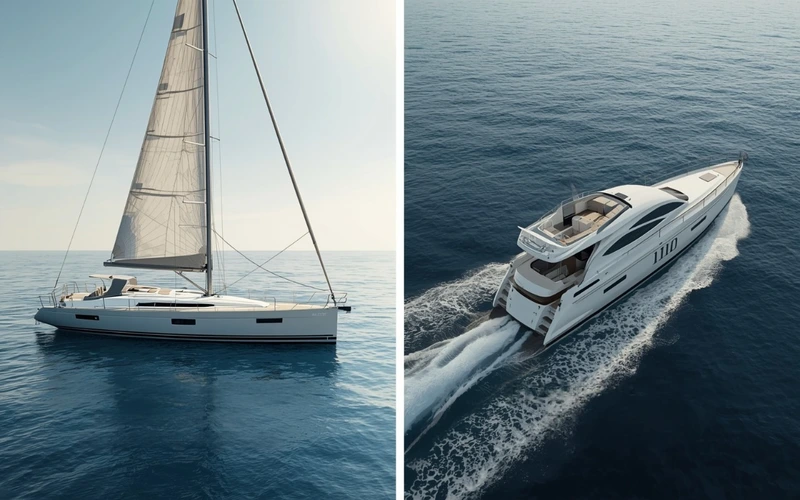
Initial Purchase Cost Comparison
In sailboat vs motor yacht price comparisons, sailboats often “appear cheaper,” especially in the 35–45-foot range most commonly purchased by private owners. For buyers planning to purchase a new vessel, here are some tips for buying a new yacht to help you make a more informed decision when considering initial acquisition costs.
Nevertheless, the purchase price constitutes only a portion of the total cost of ownership; it is the long-term cost differential that ultimately determines the decision.
Relationship between initial purchase cost and long-term ownership cost
By clearly comparing the initial purchase costs and projected long-term ownership costs of sailing yachts and motor yachts, buyers can better understand the economic differences between the two.
| Vessel Type | Size (ft) | New Boat Price Range (USD) | Initial Purchase Cost Drivers | Estimated 10-Year Total Cost (USD) | Annual Extra Costs (Fuel + Maintenance + Insurance) |
| Sailboat | 35–40 | $180,000 – $350,000 | Sail systems, ballast hull design, relatively simple mechanical systems | $330,000 | $6,000–$10,000 |
| Motor Yacht | 35–40 | $300,000 – $700,000 | High-horsepower engines, complex drivetrains, “floating home” onboard systems | $790,000 | $45,000–$60,000 |
The aforementioned price range is based on the median values of publicly recorded transactions and listings from YachtWorld, Boat Trader, and the three major European brokerage alliances (MYBA, IYBA, ECPY) for the years 2025–2026.
For vessels of equivalent length, the purchase cost of motor yachts typically exceeds that of sailing yachts by 40%–100%. This disparity stems from motor yachts requiring high-horsepower engines and complex transmission systems, alongside cabin configurations resembling ‘mobile residences’.
Furthermore, hull design prioritises soundproofing and vibration dampening, inevitably driving up construction costs.The core value of sailing vessels lies primarily in the sail system and hull ballast design, with relatively simple mechanical systems where costs are concentrated and predictable.
Long-term ownership cost
The real difference lies in long-term ownership costs. Annual expenses for powerboats significantly exceed those of sailboats in areas like fuel, maintenance, and insurance. This is not only because powerboats require more frequent repairs and consume more fuel, but also because their complex systems result in higher insurance premiums and marina fees.
If your primary focus is controlling long-term costs while enjoying leisure cruising or blue-water sailing, sailboats typically offer greater advantages in both initial purchase and ongoing operation. Conversely, while motor yachts require a larger upfront investment, they provide higher speeds, enhanced comfort, and family-friendly social settings, making them ideal for owners prioritizing performance and convenience.
Is a Sailboat or Motor Yacht Cheaper to Own Long-Term?
A sailboat is significantly cheaper to own long-term than a motor yacht of comparable size.
Based on real-world ownership data for 35–45 ft recreational vessels, motor yachts typically incur USD 20,000–30,000 more in annual operating costs due to higher fuel consumption, more intensive maintenance, and higher insurance and marina fees. Over a 10-year ownership period, this difference adds up to roughly USD 460,000.
Fuel and Operating Cost Differences
Whilst the purchase price of a vessel represents a one-off expenditure, the long-term disparity between sailboats and motor yachts is largely driven by their respective fuel costs. The table below illustrates the difference in fuel expenses between the two:
| Vessel Type | Engine Power | Annual Fuel Cost (USD) | Usage characteristics |
| Sailboat | 40–55 HP | 800 – 2,000 | Engine mainly used for harbor maneuvering or as auxiliary power in no-wind conditions |
| Motor Yacht | 600–800 HP (twin engines) | 8,000 – 25,000 | Continuous high-speed operation with heavy fuel dependency |
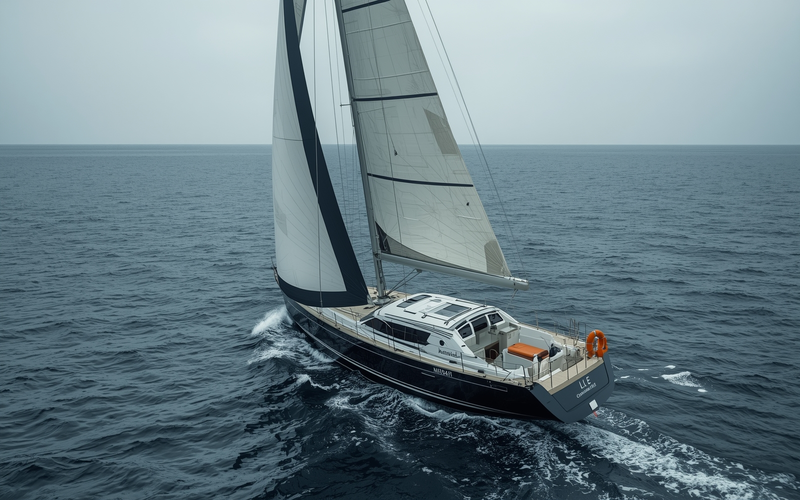
The greatest advantage of sailing vessels lies in the fact that wind is free. Under normal sailing conditions, the engine is primarily used for entering and leaving ports or as an auxiliary during calm conditions. Fuel consumption is determined more by usage habits than by the distance sailed itself.
Taking a 40-foot cruising sailboat as an example, annual fuel costs for recreational use typically range between USD 800–2,000, representing a highly manageable overall expenditure. This range aligns closely with calculations from the BoatUS Fuel Consumption Report and Volvo Penta's official fuel consumption model for twin-engine vessels between 35–45 feet.
Power yachts present the exact opposite scenario. Speed derives from sustained fuel consumption, with fuel itself constituting an unavoidable fixed cost. For vessels of the same 40-foot class, twin-engine power yachts typically incur annual fuel expenditure during routine cruising ranging from USD 8,000 to 25,000, rising sharply with increased speed and usage frequency.
More significantly, fuel is not the sole cost factor. High fuel consumption necessitates prolonged engine operation under heavy loads, leading to more frequent maintenance, more complex system configurations, and heightened risks of unplanned repairs. It is precisely this “chain reaction of operating costs” that causes the ownership cost disparity between sailboats and motor yachts to grow increasingly pronounced over extended periods of ownership.
Maintenance and Repair Expenses
When comparing the maintenance costs of sailboats versus motor yachts, many first-time buyers instinctively assume: ‘Sailboats have sails and rigging, appearing to have more components, so maintenance must be more troublesome and expensive.’
In my practical experience, what truly widens the gap in maintenance costs is not the number of components, but rather the manner of system operation and intensity of use. Sailboat maintenance leans more towards planned expenditure. Sails, rigging, and deck equipment all have relatively defined service lives; provided they are replaced at scheduled intervals, sudden failures are rare.
Taking a 40-foot cruising yacht as an example, the average annual maintenance costs typically range between USD 3,000–6,000, with significant expenditures concentrated in specific years rather than occurring annually. When assessed by boat maintenance cost per foot, this translates to relatively low annual maintenance expenses per foot, making sailing vessels more advantageous in terms of long-term ownership costs.
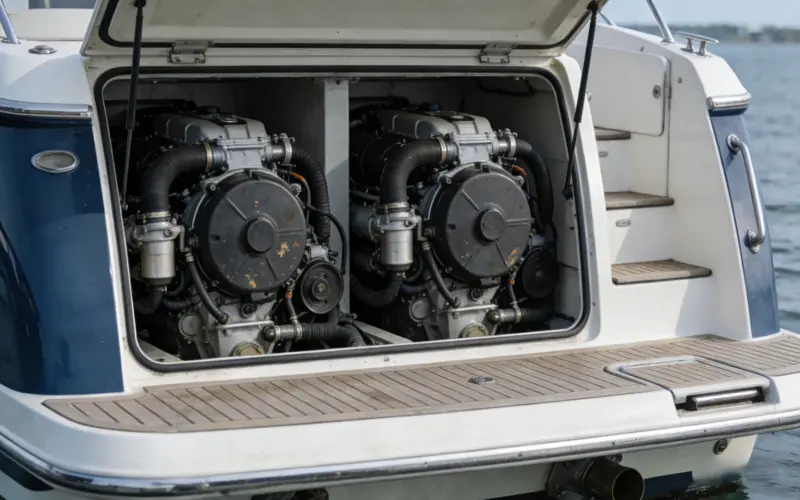
The situation differs for motor yachts. High-horsepower engines operating under sustained heavy loads, coupled with twin or even triple engine configurations, significantly increase both the frequency and complexity of maintenance. For vessels of comparable 40-foot dimensions, annual routine maintenance costs for motor yachts typically range from USD 6,000 to 12,000. Should issues arise concerning the engines or transmission systems, a single unplanned repair could easily reach five figures in US dollars.
This is precisely why many second-hand power yachts appear exceptionally good value for money when listed, yet their maintenance costs rapidly spiral out of control within a few years of ownership. The real issue lies not in whether maintenance is required, but whether such upkeep is foreseeable and easily budgeted for.
Insurance and Dockage Fee Comparison
During actual ownership, insurance and berthing fees constitute unavoidable annual fixed expenses, with many buyers only realising the impact of these costs on the overall expenditure during the first year after taking delivery of the vessel.
Insurance: Differences Arise from Risk Models
Insurance companies assess sailing yachts and motor yachts differently:
- Motor yachts: High speeds and kinetic energy are considered high-risk assets, resulting in higher premiums.
- Sailing yachts: Low speeds and controllable operation present lower risks, leading to comparatively lower premiums.
Taking a 40-foot vessel as an example: annual premiums for sailing yachts typically range from 0.6%–1% of the vessel's value, whereas power yachts incur premiums of 1%–2% of the value, with certain high-speed models commanding even higher rates.
Though the disparity may appear modest, the difference accumulates significantly over a 5–10-year ownership period. This gap widens particularly after claims, as power yachts often face stricter renewal conditions.
Dockage charges: Varying by size
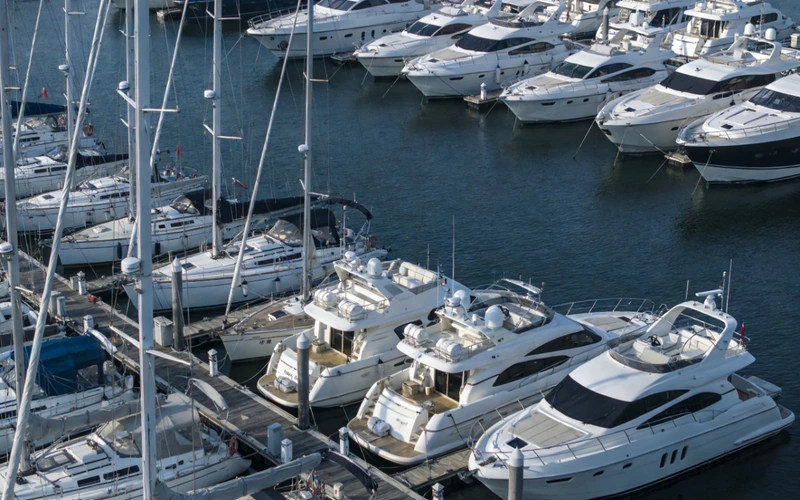
Although marina fees are typically charged per vessel length, the differing berthing requirements between sailing yachts and motor yachts directly influence costs:
- Motor yachts: Greater beam width, higher shore power requirements, and classification as “high-power vessels” result in fees 10%–30% higher than sailing yachts.
- Sailing yachts: Simpler systems and lower energy consumption generally allow access to more cost-effective berths.
This disparity is particularly pronounced in popular cruising areas (such as the Mediterranean and the US East Coast), especially during peak seasons.
Which Option is More Economical for Long-Term Ownership?
Power yachts prove more costly to operate, with a 40-foot model incurring approximately US$460,000 in additional expenses over a decade based on the above calculations. This estimate is derived from aggregated fuel consumption, maintenance, insurance, marina fees, and depreciation assumptions outlined in the preceding sections, and remains consistent across typical recreational usage profiles.
Only through tailored usage scenarios can the cost gap be narrowed. When assessing which vessel proves more economical, one must consider operational contexts. Beyond initial purchase and annual running costs, the owner's usage habits and cruising patterns significantly influence long-term expenditure.
Short-range cruising: For owners who favour short cruises and frequent outings, motor yachts present a more suitable choice. These vessels offer superior speed and comfort, making them particularly well-suited for social engagements. Whilst their fuel and maintenance costs are higher, frequent usage can help offset the premium investment and high running expenses.
Long-distance voyages or infrequent use: Should you plan blue-water cruising, extended journeys, or merely occasional outings, sailing vessels typically prove more economical. Their operating costs are lower, and they do not rely on frequent fuel consumption. Particularly for owners who spend extended periods away from their craft, a sailing vessel's low maintenance requirements and predictable annual expenditure make it the more cost-effective choice.
Structure of Long-Term Costs (all figures are based on aggregated market data and real-world usage patterns for 35–45 ft recreational vessels):
| Cost Category | Sailboat (40 ft) | Motor Yacht (40 ft) | Average Annual Difference |
| Maintenance | Scheduled, predictable, low volatility | High-frequency wear, increases with engine hours | ≈$5k |
| Fuel | Wind-powered, approx. $1,000/year | Continuous fuel burn, approx. $15,000/year | ≈$14k |
| Insurance & Marina Fees | 0.6–1% of hull value + standard shore power | 1–2% of hull value + high-power electrical surcharges | ≈$7k |
| 10-Year Depreciation | 25–30 % | 35–50% (up to 55% for high-speed models) | ≈$7k |
| Total | ≈ $13,000/year | ≈$39k/ year | ≈$26k |
Although the annual additional expenditure may fluctuate (roughly US$20,000 to 30,000), the long-term cost premium of motor yachts remains consistent. As shown in Table 4, for a 40-foot vessel of comparable size, opting for a motor yacht results in approximately US$26,000 in additional annual operating costs—equating to roughly US$460,000 over a ten-year ownership horizon.
10-Year Cost Verdict: For a 40-foot vessel, owning a motor yacht costs approximately USD 460,000 more than owning a sailboat over a typical 10-year ownership period, even under moderate recreational use.
Summary
In the debate over the cost of sailboats versus motor yachts, there is no single correct answer—only the choice that best suits your circumstances. If you prioritise long-term manageable expenses and high resale value, a sailboat is generally the more rational option.
If you prioritise speed, comfort and social occasions, powerboats may be more expensive but offer a higher standard of living. Before making your decision, consider which boating lifestyle you prefer to ensure you choose the most suitable option.
About the Author
Brian G. Steller
Yacht Broker
Qualifications: SAMS Certified Surveyor, No. AMS #1249
Last Updated: January 2026
Disclaimer:
The content herein is for reference only and does not constitute investment advice. Yacht specifications are based on publicly available information as of 2026; actual configurations shall be subject to classification society certificates. Prior to purchase, an independent surveyor (not appointed by the seller) must be engaged to conduct sea trials and verify documentation. We shall not be liable for any losses arising from reliance on the information provided herein.
FAQ
Q1: Are sailing boats safer than motor yachts?
A: In general recreational sailing, sailing boats are relatively safer than motor vessels due to their lower speeds, controllable manoeuvring rhythm, simpler mechanical systems, and reduced risk of mishaps. However, safety ultimately depends on the skipper's competence, the vessel's condition, and prevailing sea conditions.
Q2: Can a sailing yacht be used as a motor yacht?
A: Yes, but note that speed and range are limited. The engine is primarily for entering/exiting harbour or providing assistance in calm conditions; it is unsuitable for prolonged high-speed cruising or frequent short-distance commuting.
Q3: What are the pros and cons of sailing yachts versus motor yachts in a nutshell?
A: Sailing yachts suit those seeking low running costs and a slower pace of life, whereas motor yachts cater to those willing to bear higher running costs and seeking greater comfort.In practical terms, this difference is mainly driven by fuel consumption, maintenance intensity, and insurance premiums rather than the initial purchase price.
Q4: Which retains its value better over time: a 40-foot sailing yacht or a 40-foot motor yacht?
A: According to industry articles from YachtWorld, sailing yachts depreciate by approximately 25%-30% over a decade, whereas motor yachts depreciate by 35%-50% over the same period. The higher the speed, the greater the depreciation rate.