Quick Answer:
Importing a yacht internationally requires customs clearance, safety certification, and payment of duties and VAT in most countries.
Requirements vary based on vessel use, origin, and whether the import is temporary or permanent.
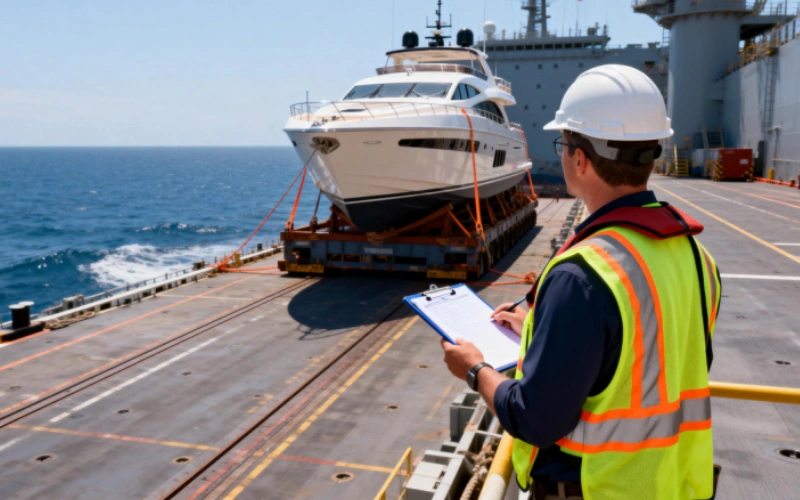
As a yacht broker frequently traveling between the Mediterranean and South Florida, I know firsthand that the notion of “simply driving your newly purchased yacht into port” is a major misconception. Importing a yacht involves multiple regulatory layers—customs, maritime, safety, and tax authorities—and inadequate preparation can lead to severe consequences. Common misconceptions include:
Assuming payment alone grants entry: Per U.S. Customs Brokerage requirements for Importing Boats into the United States, customs demands procurement contracts, customs declarations, and approved declared values.
Ignoring usage distinctions: Private yachts and commercial charter vessels fall under different regulations.
Overlooking destination policies: Unfamiliarity with import rules may miss tax-exempt windows or incur penalties.
One yacht owner purchased a used vessel from Europe for shipment to the U.S. but failed to prepare customs documentation in advance. The yacht was detained at port for two weeks, causing travel delays and incurring substantial storage fees. That experience drove home a crucial lesson: How to Buy a Boat—understanding and preparing import compliance matters beforehand is vital for owners.
1. Core Elements of Yacht Importation
Based on my experience, importing a yacht requires comprehensive consideration of these four key dimensions:
● National/Regional Policy Differences
Import tariffs, VAT rates, vessel inspection standards, and environmental requirements vary significantly across regions. For example:
EU: Imposes approximately 1–3% tariffs on non-EU-manufactured yachts, plus VAT (17–27%) based on the importing country's standards;
United States: Howard S. Reeder, Inc., a leading U.S. customs broker and maritime documentation firm, notes that the U.S. imposes approximately 1.5% duty on most yachts;
Singapore: Singapore Customs exempts yachts from import duties;
United Arab Emirates: Both duty and VAT are 5%.
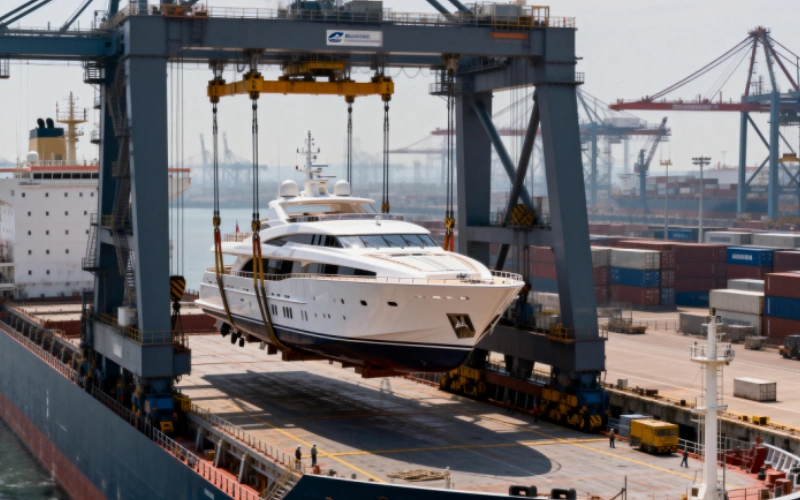
● Yacht Usage Purpose
Private yachts for personal use and commercial charter yachts receive different treatment. Many countries only grant temporary import or tax exemption policies for private personal use; commercial purposes often do not qualify for tax exemptions.
For example, the EU's “Temporary Admission (TA)” system applies only to non-EU private yachts; the U.S. cruise permit is also exclusively for private yachts and prohibits commercial operations. Once a yacht is registered for charter or sales purposes, tax requirements and regulatory standards become stricter.
● Age and Country of Manufacture
A yacht's year of manufacture and country of origin influence applicable tax rates and certification requirements. Under EU regulations, yachts over three years old—even if previously VAT-paid—are reclassified as imports if unused in EU waters for three years, triggering back taxes.
Yachts from different origins also fall under varying tariff brackets. For instance, in the United States, vessels manufactured in the U.S. or Canada incur a 1.5% tariff, while those made in China face a 25% tariff. Additionally, certain countries may require new yachts to meet higher emission or safety standards.
In summary, the newer the yacht and the higher its standards, the more complex the import procedures may become.
● Temporary Admission /Transit Status
Choosing between “immediate registration upon entry” or “temporary entry pending subsequent export” directly impacts tax liabilities.
Many countries permit tax-free short-term entry followed by export. For instance, the EU allows non-EU vessels to stay under “Temporary Admission” for up to 18 months, provided they depart before the deadline—otherwise, customs duties and VAT become payable.
Similarly, Singapore offers a departure exemption for self-propelled yachts, waiving the 7% Goods and Services Tax (GST) upon qualifying departure. The UAE permits tax refunds for temporary stays under six months.
Therefore, clarifying whether the import is “temporary transit” or “permanent import” is crucial for planning.
2. Yacht Import Regulations by Region
Below are common tariff and VAT policy types for yacht imports across different countries/regions (for reference only):
| Region/Country | Import Duty | VAT/Consumption Tax | Remarks |
| EU (Non-EU Vessels) | Approx. 1–3% | 17–27% (by member state) | Temporary imports tax-exempt for 18 months; taxed thereafter |
| United States | Approx. 1.5% (Conventional Sailing Yachts) | No Federal VAT (State-based taxation) | Requires EPA emissions certification; large yachts must be registered with US Coast Guard |
| United Arab Emirates | 5% | 5% | Import duty/VAT deposit refundable for stays under 6 months |
| Singapore | 0% | 7% | 7% GST exempt for “self-propelled entry and departure” |
| Caribbean Free Ports (e.g., St. Maarten) | 0% | 0% | No import duties, no sales tax |
● Common Rules for Customs Duties and VAT
Generally, import duties on yachts are levied as a fixed percentage of the vessel's value, varying by origin and category. For example, rates commonly range from 1–4.5% in the U.S. and Europe, with a few countries imposing duties as high as 25%.
VAT is calculated based on the total cost including “vessel price + freight + insurance” and levied at the standard rate of the destination country.
Exemptions may apply in certain scenarios: e.g., transit/transshipment exemptions, tax exemptions for privately owned yachts entering temporarily for personal use (e.g., the EU's Temporary Admission system), and specific free ports that explicitly waive customs duties.
Note that VAT is typically calculated on the duty-inclusive value, meaning customs duties are paid first, followed by VAT on the total value.
● Inspection and Safety Certification Requirements
Yacht imports must meet stringent safety and environmental standards.
In the United States, submission of the EPA Engine Emission Compliance Statement (Form 3520-21) is mandatory, and the hull's HIN number and rudder angle must comply with U.S. maritime safety requirements.
Within the EU, nearly all non-EU-manufactured vessels require certification under the EU Recreational Craft Directive to obtain CE certification. Vessels without CE certification are considered non-compliant and prohibited from use or sale in EU waters.
Additionally, customs authorities in most countries conduct physical inspections upon entry: examining structural integrity, lifesaving equipment and fire extinguisher provisioning, wastewater treatment facilities, and reviewing crew certifications when necessary to ensure compliance with local maritime laws.
Specific requirements for safety certificates and environmental certifications vary slightly by region, but common essentials include: structural and mechanical safety of the hull, complete navigation equipment, and compliance with pollutant emission standards.

3. Yacht Import Process
Below is a standardized procedure validated through multiple cases, designed to help you reasonably allocate risks during the contract phase when purchasing a yacht:
● Prepare Core Documentation
The following primary documents must be prepared in advance for yacht importation:
Vessel Registration Certificate/Proof of Ownership: Such as the original builder's certificate of origin or tonnage certificate, proving your legal ownership of the vessel.
Purchase Contract/Invoice: Used to determine the vessel's value for calculating customs duties and VAT. Must be an official invoice clearly specifying the vessel's details.
Vessel Insurance Certificate: Many customs authorities require valid insurance coverage prior to arrival to ensure the vessel is insured upon arrival.
Inspection/Certification Documents: Such as emissions compliance (e.g., U.S. EPA Form 3520-21), structural safety inspection reports, or CE certification (EU requirement). For pre-owned yachts, also prepare vessel maintenance and repair records.
Vessel History Documentation: Includes prior registration details and existing maritime inspection records for potential verification of usage history.
Import Customs Declaration Documents: Materials required for customs import declaration, such as import licenses and relevant electronic declarations (e.g., U.S. Customs requires Form 1300/7501).
All Ways International outlines required documents for importing vessels into the U.S., including the bill of sale, certificate of origin, customs declaration form, EPA Form 3520-21, and relevant U.S. Maritime Administration documentation. Customs authorities in other countries similarly require comparable credentials, though names and formats may vary.
● Yacht Import Process
Verify destination policies and tax structures: First confirm the target country's yacht import policies, tax rates, and potential exemption conditions. For example, consult local customs authorities or professional advisors to determine tariff rates and VAT rates. If planning temporary use, understand whether temporary import or other exemptions can be applied for.
Prepare documents and engage a customs broker: Hire a qualified shipping agent or customs broker to assist with entry declarations. They will guide you in preparing and submitting required documents and can pre-declare vessel information to customs.
Submit Import Declaration Before Arrival: Prior to the yacht's arrival, submit declaration documents to customs and pay estimated tax deposits. Regions like the EU have unified electronic declaration systems; the U.S. also allows pre-declaration to CBP for obtaining temporary clearance permits.
Customs/Maritime Inspection: Upon arrival, customs and/or maritime authorities will inspect the yacht to verify its registry, hull, and compliance with declared information. Inspections cover the hull identification number, engine room, lifesaving equipment, and environmental protection facilities. Some countries also check crew documentation.
Pay Taxes and Obtain Release: After inspection, customs calculates applicable duties (tariffs, VAT, and other fees) . You must pay the taxes or provide a security deposit. Upon completion, customs issues the release permit, allowing you to take delivery of the vessel and depart the port.
Vessel Registration/Enrollment: According to the country's legal requirements, within a specified period after importation, you must complete local vessel registration or enrollment procedures and update the vessel's signal flag number. This step is often handled by the owner or agent after tax payment is finalized.
These steps may overlap. For instance, after submitting declarations, customs may require advance tax deposits or guarantees before conducting physical vessel inspections. Based on European experience, professionals recommend partnering with experienced customs brokers and submitting all supporting documents and vessel specifications in advance to expedite processing.
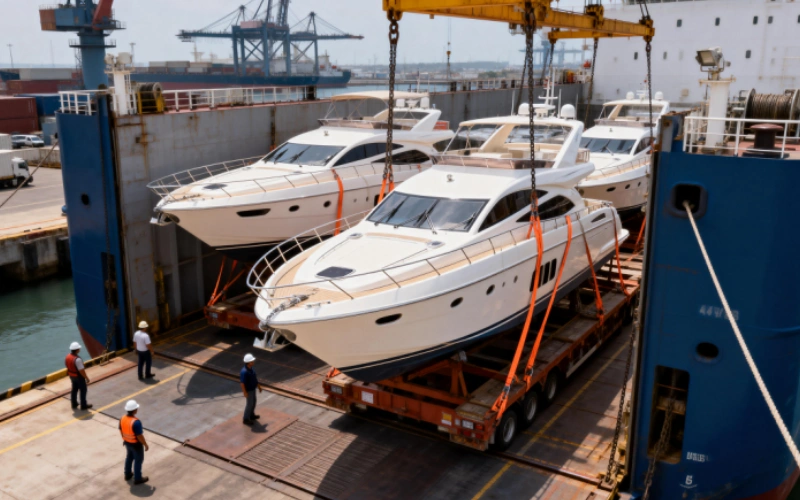
● Time and Cost Estimates
The entire import process—from initial preparation to final vessel pickup—varies significantly by country and vessel condition. Generally, the shortest timeline with thorough preparation is within 2 weeks; more complex situations may require 1–2 months. Taking the EU as an example, yacht customs clearance itself typically takes several days. Additionally, consider:
Costs: Beyond tariffs and VAT, expenses may include port fees, inspection fees, agency service fees, insurance, and storage charges. It is advisable to allocate an additional 10%-20% budget to cover potential unforeseen expenses.
4. Which Yachts Are Easier to Import?
Certain types of yachts are more likely to secure exemptions or reduced duties during importation, typically contingent upon the vessel's intended use, age, and compliance with the destination country's standards.
| Easier-to-import yacht types | Harder-to-import yacht types |
| New yachts | Commercial/charter-use yachts |
| Private pleasure craft | Older second-hand vessels with incomplete documentation |
| Yachts meeting technical and emissions standards | Modified or power-enhanced yachts |
5. Conclusion
Based on over a decade of assisting clients with yacht importation and customs clearance, the core challenge of yacht importation has never been merely transportation. It hinges on aligning tax obligations, compliance requirements, and vessel usage with the target country's regulatory framework. Significant variations exist across countries in VAT, tariff, safety, and emissions standards, meaning the import cost and feasibility for the same yacht can differ drastically between markets.
If you are planning to import a yacht from overseas, it is advisable to complete a comprehensive import pathway assessment before signing the purchase contract. This step often determines whether the entire transaction is truly “cost-effective and manageable.”
About the Author
Emery
Yacht Broker / Yacht Transaction Advisor / Contributing Writer for Yachting Magazine
SAMS Certified Surveyor No.: AMS #2458
Honored as one of “Asia's Top 10 Yachting Industry Experts” and recipient of the “Outstanding Yacht Broker Service Award”
Last Updated: January 2026
Applicability: This guide is intended for private owners and buyers planning to purchase and import yachts overseas, as well as brokers, consultants, and professionals concerned with yacht customs clearance, taxation, and compliance issues.
Disclaimer
The information provided herein regarding yacht import regulations, procedures, and risks is compiled based on the author's experience and relevant public sources, serving as general reference for readers. As policies and regulations may change at any time across different countries/regions, and yacht imports involve complex and variable practical circumstances, this document cannot cover all details and special cases. Readers should independently verify the latest policies and requirements with local customs authorities, maritime departments, or professional institutions when undertaking actual operations. The author and related parties assume no legal liability for any direct or indirect losses arising from import activities conducted based on the content herein.
FAQ
Q1: What documents are required for yacht importation?
A: Core documents include the vessel registration certificate, purchase contract/invoice, insurance certificate, recent survey report, vessel history, and customs documentation. Additional certificates may be required by specific countries.
Q2: How long does yacht importation take?
A: Yacht importation typically takes 2 weeks to 2 months; this may extend if supplementary inspections, modifications, or disputes arise. I recommend allowing at least 30–60 days for compliance and customs clearance before finalizing the transaction.
Q3: How do import regulations differ for private vs. charter yachts?
A: Commercial/charter vessels typically face stricter compliance standards and may not qualify for certain temporary entry or tax exemptions available to private craft. Many countries set distinct VAT thresholds or tax-exempt thresholds for commercial operations.