TL;DR: Most fiberglass yachts last 20–40 years; steel and aluminum yachts can exceed 50 years. Well-maintained used yachts can still serve 10–20 years. Structural lifespan often outlasts economic lifespan.
I am Luna Rossi, a SAMS-certified professional (Certificate No.: SAMS-66562) with 15 years of experience in yacht sales, appraisals, and navigation. I am dedicated to helping clients make informed decisions in the global yacht market, balancing value for money, sailing experience, and investment potential. Whether commissioning a new yacht or selecting a used yacht, I provide expert guidance and full-service support throughout the process, ensuring every owner enjoys a safe and seamless sailing experience.
In this article, I will draw on years of experience to guide you through understanding what is the lifespan of a yacht. This includes key factors affecting a yacht's longevity, methods for evaluating used yachts, practical measures to extend lifespan, and the relationship with resale value. This knowledge will empower you to make informed decisions when purchasing, maintaining, and investing in yachts.
Table of Contents
- Structural Lifespan vs Economic Lifespan
- What is the Average Lifespan of a Yacht?
- 7 Key Factors Affecting Yacht Lifespan
- How Long Can a Used Yacht Last After Purchase?
- New Yacht vs Used Yacht: 5–10 Year True Ownership Cost Comparison
- How to Maximize Yacht Lifespan
- Yacht Lifespan vs Resale Value
- FAQ
Structural Lifespan vs Economic Lifespan
In assisting clients with yacht selection and operation, I've observed that many confuse structural lifespan with economic lifespan. Understanding the distinction between the two is crucial for evaluating a yacht's utility value and making informed investment decisions.
1. Structural Life
Structural lifespan refers to the period during which a yacht's hull and core systems remain theoretically seaworthy:
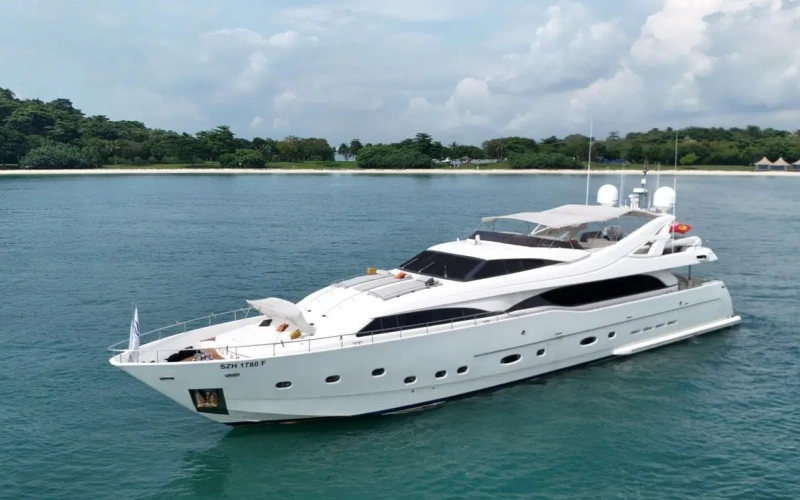
• Materials and Construction Standards: Hull materials such as steel, aluminum, fiberglass, and wood + epoxy, along with design and construction techniques, determine the upper limit of structural lifespan.
• Focus on Safety and Durability: A vessel may remain seaworthy despite advanced age if its hull shows no cracks, corrosion, or fatigue damage.
•Independent of Equipment Age: Structural lifespan focuses on physical durability, disregarding the condition of engines, electronics, or interior fittings.
I have inspected steel and aluminum yachts over 30 years old with clients, where the hull structure remained sound. However, without upgrading propulsion and navigation systems, the sailing experience would be significantly diminished.
2. Economic Life
Economic lifespan refers to whether continuing to use a yacht remains economically viable:
•Balancing Costs and Experience: Maintenance and repair expenses, component replacements, operational costs, alongside comfort levels and guest experience.
•Structural Integrity Doesn't Guarantee Viability: Even with an undamaged hull, high maintenance costs, outdated equipment, or diminished comfort can render a vessel economically “unviable.”
• Commercial Operation is Critical: Economic lifespan directly impacts profitability, serving as a core reference metric for commercial charter or rental operations.
I once assisted a commercial owner in evaluating a 15-year-old luxury yacht for sale. While structurally sound, its aging propulsion system required costly upgrades, making continued operation uneconomical. The owner ultimately chose to sell and replace the boat.
3. Structural Life vs. Economic Life
Structural life focuses on safety and durability, representing the upper limit of “how long it can safely sail.” Economic life centers on cost, comfort, and return on investment, serving as a reference for “how long it remains cost-effective to sail.” Many yachts are “retired not because they're broken, but because their economic life has ended.” Therefore, I always advise clients to evaluate yacht value by considering both:
• For Private Yachts: Ensure safe operation while optimizing usage costs.
• For Commercially Operated Yachts: Prioritize economic lifespan to avoid excessive investment yielding insufficient returns.
Understanding the distinction between a yacht's structural lifespan and economic lifespan is fundamental to purchasing, maintenance, upgrade, and investment decisions.
What is the Average Lifespan of a Yacht?
Customers often ask, “How long will my yacht last?” The lifespan of a yacht varies significantly depending on materials, usage, and maintenance. Therefore, understanding these differences is crucial for making an informed decision about whether to purchase a new or used yacht.
Below is a comparison of the average lifespans for different types of yachts:
| Yacht Type | Material | Theoretical Lifespan | Actual Usable Life / Extended Life | Note |
|---|---|---|---|---|
| Ordinary Private Yacht | Fiberglass / GRP | 20–40 years | Over 30 years (with proper maintenance) | Corrosion-resistant, low maintenance costs, the most mainstream material. |
| Wooden Yachts | 15–30 years | Nearly 30 years (with high-standard maintenance) | High requirements for moisture resistance, corrosion resistance, and insect resistance; inadequate maintenance shortens service life. | |
| Wood + Epoxy | 25–40 years | 25–40 years or more | Combining the texture of wood with the durability of epoxy, it boasts a longer lifespan than ordinary wooden yachts. | |
| Aluminum Yachts | 30–50 years | 30–50 years or more | Lightweight and corrosion-resistant, ideal for high-end customization and ocean-going yachts. | |
| Steel Yachts | 40–75 years | Over 40 years (with regular rust and corrosion prevention) | Structurally robust with high maintenance requirements, some superyachts can exceed 75 years. | |
| Luxury/Super Yachts | Multiple Premium Materials | Over 40 years | Over 50 years (with periodic refurbishment / Refit) | Renovated every 8–15 years, it can undergo major refurbishments to extend its service life. |
| Commercial Charter Yacht | Fiberglass, Aluminum Alloy, or Steel | 15–25 years | 15–25 years (primarily economic lifespan) | High-frequency operations result in high maintenance costs and failure rates; after decommissioning, they can enter the private secondhand market. |
💡 Expert Tip
• The structural lifespan of a hull typically outlasts that of engines, electronics, or living systems. The true reason many yachts are retired is often due to equipment obsolescence or excessive maintenance costs.
• For luxury yachts, age does not equate to obsolescence through regular refits and upgrades. I have personally overseen the modernization of several superyachts aged 30–40 years, transforming them into vessels that feel brand new.
• For commercially operated yachts, I emphasize “economic lifespan,” assisting operators in evaluating maintenance costs and profitability while considering potential resale value upon decommissioning.
I advise every owner to consider not only hull materials and theoretical lifespan when purchasing new or used yachts, but also to base decisions on personal usage requirements, maintenance capabilities, and long-term investment value.
7 Key Factors Affecting Yacht Lifespan
Many yacht owners mistakenly believe that a yacht's lifespan is solely determined by the quality of its materials. In reality, the longevity of a yacht depends on the combined influence of multiple factors. Below, I have summarized the seven key factors that impact a yacht's lifespan:
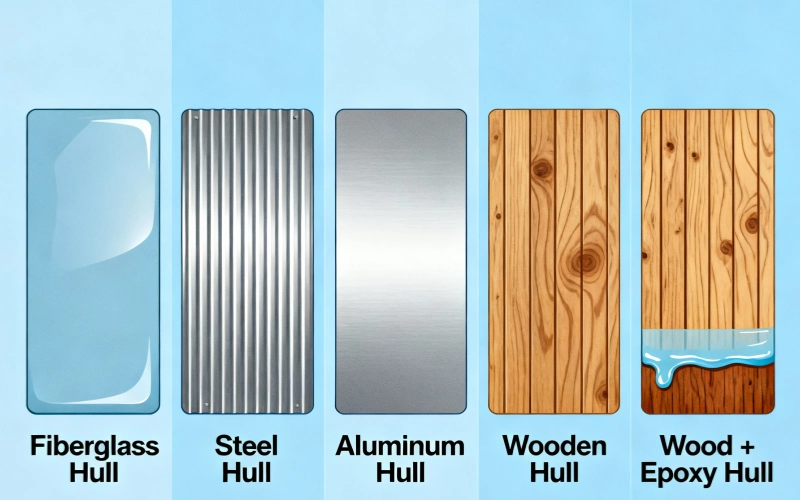
1. Hull Material
According to ABYC and ISO 12215 structural standards, hull material selection and fatigue resistance are primary determinants of a yacht’s structural service life. Therefore, I always prioritize material assessment when evaluating yachts.
2. Maintenance Frequency
Regular maintenance is key to extending a yacht's lifespan. This includes routine inspections, cleaning, painting, and promptly addressing any repairs. Neglecting maintenance can significantly shorten a yacht's service life. In my experience, maintenance often proves more critical than the materials themselves. I've encountered two yachts built with identical materials and of the same age, yet their actual lifespans differed by over ten years due to varying levels of upkeep.
• Annual Routine Maintenance: Engine overhaul, electrical system inspection, antifouling paint maintenance, and sealing system checks—I strongly advise clients to adhere strictly to the annual schedule.
• Periodic Dry Dock Inspections: I have accompanied clients in inspecting underwater hull structures, propulsion systems, and anti-fouling coatings—critical steps for extending structural lifespan.
• Consequences of Neglecting Maintenance: I have witnessed minor issues escalate into major failures, doubling repair costs and drastically shortening service life.
I always advise clients to view maintenance as the most direct means of extending a yacht's lifespan.
3. Operating Environment (Seawater vs. Freshwater)
The natural environment in which a yacht operates significantly impacts its lifespan:
• Saltwater Environment: Salinity accelerates metal corrosion, most severely affecting steel and aluminum alloy yachts. I've seen yachts in long-term saltwater service whose lifespans were cut in half due to inadequate anti-corrosion treatment.
•Freshwater Environment: Yachts used on lakes or rivers corrode more slowly. I've recommended fiberglass or wood + epoxy hulls to freshwater clients for greater longevity assurance.
• Tropical vs. Cold Waters: High-temperature, high-humidity environments promote mold growth and material degradation. While corrosion is slower in cold waters, freezing temperatures and thermal stress pose unique structural challenges.
The same yacht operating in different maritime regions may exhibit significantly different lifespans. Therefore, primary navigation waters must be considered during vessel selection.
4. Frequency and Method of Use
The rate of wear and tear on a yacht is closely tied to its usage intensity:
• Private Occasional Use vs. High-Frequency Commercial Use: Private yachts typically sail for dozens to hundreds of hours annually, while commercial charter yachts operate at high frequency year-round, resulting in markedly different levels of wear.
• Long-term Mooring vs. Frequent Sailing: Extended static mooring promotes hull fouling and system aging; conversely, excessive high-load sailing accelerates fatigue in propulsion systems and structural components.
Generally, maintaining a reasonable and moderate usage frequency is more conducive to preserving the yacht's overall condition and extending its service life. I recommend finding a balanced point of moderate usage to maximize the vessel's longevity.
5. Owner Usage Habits and Management Standards
I've observed significant variations in the lifespan of identical yacht models under different owners:
• Professional Management: Yachts maintained by professional captains and technical teams typically exceed average lifespans.
• Compliance with Operating Standards: I've observed that overloading or improper handling inflicts long-term, latent damage to engines and structural components.
• Preventive Maintenance: I consistently remind owners that prioritizing “prevention over repair” can extend service life by years.
6. Technical Upgrades
Technical upgrades are an effective way to extend the lifespan of older boats:
• I have assisted clients in replacing engines and upgrading navigation systems and electronics, enabling boats over 20 years old to compete with newer vessels.
• Technical upgrades significantly enhance both the utility and comfort of older boats.
7. Storage Conditions
Storage methods directly impact a yacht's lifespan:
• Indoor or Covered Storage: I recommend clients prioritize this option to minimize exposure to UV rays, wind, rain, and saltwater corrosion.
• Long-Term Outdoor Storage: Increases the risk of material aging and corrosion, requiring more frequent maintenance.
The lifespan of a yacht is determined approximately 50% by its inherent materials and 50% by its subsequent management and usage practices. Whether it's a private yacht, luxury yacht, or commercially operated yacht, regular maintenance, proper usage, technical upgrades, and sound storage are essential for extending its service life. I recommend incorporating these factors into your decision-making process when purchasing or operating a yacht to ensure its long-term safety and reliability while preserving its investment value.
How Long Can a Used Yacht Last After Purchase?
I've noticed that many potential buyers have questions about how long a used yacht will last and whether it's worth purchasing. In reality, the value of a used yacht depends not only on its age but also on its maintenance history, hull material, operating environment, and refurbishment status.
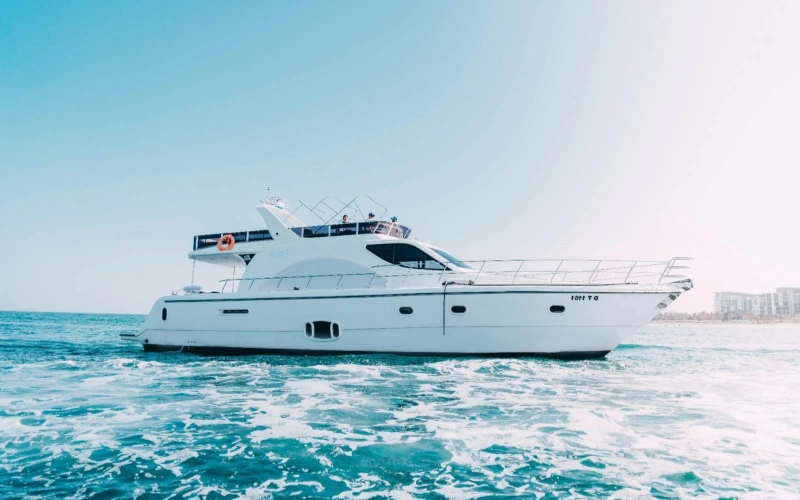
1. Is a 10-Year-Old Yacht Still Worth Buying?
For a yacht that's been in use for about 10 years, I typically assess it this way:
• Sturdy Hull Structure: As long as there's been no major accidents or prolonged neglect, the hull remains seaworthy.
• Equipment in Good Condition: Engines, electrical systems, and navigation gear are mostly still within their effective service life.
• Moderate Maintenance Costs: Routine upkeep and part replacements can keep the yacht operational for at least another 10–15 years.
In my view, a 10-year-old used yacht with complete maintenance records and timely refurbishments remains a worthwhile purchase—a solid option for quickly acquiring a high-quality yacht.
2. Is a 20–30 Year Old Yacht Safe to Buy?
When evaluating 20-30-year-old second-hand yachts nearing the end of their service life, I typically exercise greater caution:
• Hulls May Need Significant Overhaul: Particularly steel or wooden hulls face increased risks of corrosion, fatigue, or structural deterioration.
• High Equipment Replacement Costs: Engines, electrical systems, air conditioning, and navigation equipment may require comprehensive upgrades.
• Economic Lifespan Considerations: Ongoing maintenance costs may approach or even exceed the purchase price of a new vessel.
In my view, 20-30-year-old yachts suit buyers with a budget for maintenance and a willingness to undertake refurbishment and modifications. For those seeking long-term investment or commercial operation, careful cost-benefit analysis is essential.
3. Key Inspection Items for Determining the Lifespan of Used Yachts
When buying a used yacht, I focus on the following items to assess its remaining lifespan and investment value:
• Hull Structure: Cracks, corrosion, welds, and rust prevention
• Engine Hours: Operating hours and maintenance records
• Electrical System: Navigation, lighting, and batteries
• Date of Last Major Overhaul or Refurbishment
💡Summary
• Short-to-medium Term Yacht Purchase: Pre-owned yachts under 10 years old offer excellent value for money if well-maintained, making them a worthwhile investment.
• Long-Term Investment or Older Yachts: Yachts over 20 years old require careful budgeting for repairs and a renovation plan. A comprehensive inspection is essential before purchase.
The remaining lifespan and value of a pre-owned yacht are far more important than its age in years. Professional marine surveyors will assist you in making an informed purchasing decision based on SAMS' 7 Elements of The Marine Survey, combined with a comprehensive assessment of maintenance records, refurbishment history, and operating conditions.
New Yacht vs Used Yacht: 5–10 Year True Ownership Cost Comparison
In the long run, which is more cost-effective: new or used, yachts? Judging solely by purchase price often leads to seriously misguided decisions. Therefore, my evaluation system always compares the actual total cost of ownership (TCO) over 5–10 years, rather than focusing solely on the initial purchase price.
The following data is compiled from my experience with actual transactions, surveys, and refurbishment projects involving 60–70-foot yachts, reflecting the true cost structure of the current international used yacht market:
| Cost Item | New Yacht (0–2 Years) | High-Quality Used Yacht (10–15 Years) | Key Difference Explained |
|---|---|---|---|
| Purchase Price | $1,000,000 | $450,000 – $600,000 | Used yacht purchase cost is approximately 40%–55% lower. |
| Depreciation in First 5 Years | -$400,000 to -$500,000 | -$80,000 to -$150,000 | New yachts suffer the steepest depreciation in early years. |
| Engine & System Overhaul | $0 – $50,000 | $100,000 – $250,000 | Used yachts require a refit and overhaul budget. |
| Average Annual Maintenance | 8%–10% of purchase price | 0%–14% of purchase price | Used yachts have a slightly higher maintenance ratio. |
| Electronics & Navigation Upgrades | Usually not required | $30,000 – $80,000 | Technology generation gap between new and older yachts. |
| Insurance Cost | Higher | Lower | Insurance is directly linked to vessel value. |
| Resale Value After 5–10 Years | Approx. 45%–55% remaining | Approx. 55%–70% remaining | Used yachts offer stronger value stability. |
| Total Real Ownership Cost (5–10 Years) | Very High | More controllable & cost-efficient | Used yachts deliver significantly higher capital efficiency. |
Core Findings Based on SAMS Ship Inspection and Trading Practices
Based on my long-term experience conducting yacht investment calculations for clients, under comparable conditions of class, usage intensity, and maintenance standards:
✅ The true total cost of ownership for a new yacht over a 5–10 year cycle is typically 30%–60% higher than that of a high-quality pre-owned yacht.
This gap primarily stems from three core factors:
• Rapid depreciation during the first five years
• Higher insurance costs
• “Sunk costs” associated with initial custom configurations
While high-quality used yachts require initial investment in refit and system upgrades, completing systematic refurbishment at the outset typically results in a rapid stabilization of operating costs over the subsequent 8–12 years. Moreover, their residual resale value becomes more predictable.
This is why among my clients:
• Buyers seeking personal use + prioritizing asset efficiency typically opt for premium pre-owned yachts;
• Clients engaged in high-frequency commercial operations or ultra-long-term holdings (20+ years) are better suited to purchasing new vessels outright.
How to Maximize Yacht Lifespan
I've noticed that many boat owners overlook critical steps in extending their yacht lifespan. In reality, a yacht's longevity depends not only on hull materials but also heavily on daily maintenance, operational management, and storage methods. Scientific management and regular upkeep not only extend service life but also enhance safety and cruising comfort.
1. Regular Inspections and Professional Maintenance
• Regular Inspections: Routine checks of all yacht systems enable the early detection and resolution of minor issues before they escalate into major problems. I once accompanied a client in identifying a minor water seepage crack, whose timely repair prevented tens of thousands of dollars in structural damage.
• Professional Maintenance: Engage specialized technical teams for maintenance and repairs to ensure your yacht receives expert care, particularly for engines, electrical systems, and navigation equipment.
Regular inspections and professional maintenance are the most direct and effective methods for extending your yacht's lifespan.
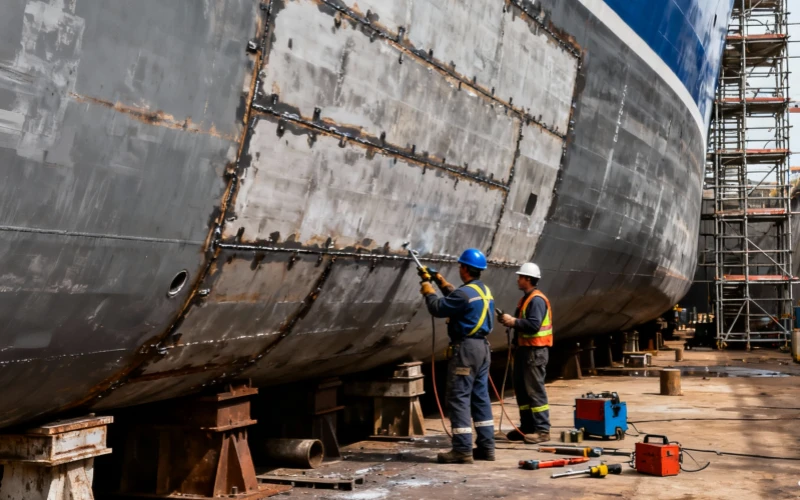
2. Regular Dry Dock Maintenance
• Every 2–5 years, haul the yacht out of the water for a comprehensive inspection, including the hull bottom, anti-fouling coating, propulsion system, and steering gear.
• Check for cracks, corrosion, leaks, and aging issues, and repair them promptly.
I once saw a 10-year-old yacht whose hull condition was nearly like new due to regular dry dock maintenance, with significantly extended structural lifespan. Thus, regular dry dock inspections not only prolong structural life but also reduce long-term maintenance costs.
3. Engine Maintenance Schedule
The engine serves as the yacht's core propulsion system, and its condition directly impacts navigational safety.
•Regularly replace engine oil, filters, and coolant according to manufacturer recommendations, while inspecting belts and the transmission system.
• Engines subjected to high-frequency use should undergo major overhauls or refurbishment in advance.
I always tell clients that proper engine maintenance can extend the power system's lifespan by over 10 years while improving fuel efficiency.
4. Anti-Corrosion and Anti-Fouling Treatment
• The marine environment is highly corrosive to hulls and metal components, requiring regular anti-corrosion treatment.
• Apply anti-fouling paint to the hull bottom to prevent shellfish attachment and algae growth.
• For aluminum alloy or steel hulls, inspect the anode protection system and replace promptly.
Regular anti-corrosion and anti-fouling treatments can restore the hull performance of a 15-year-old steel yacht to near-new levels.
5. Professional Crew Operation Management
• Employ a professional captain and technical team to ensure equipment is used according to specifications and minimize human-induced wear.
• Adhere to safe operating procedures to avoid overloading during navigation or improper operation of engines and electrical systems.
• Conduct regular crew training to standardize and scientifically optimize operations and maintenance.
Professional management serves as the “soft power” for extending a yacht's lifespan, significantly impacting its long-term investment value.
6. Proper Mooring and Storage Methods
• For long-term mooring, select sheltered ports or dry docks that offer protection from wind and moisture.
• Storing in freshwater environments reduces saltwater corrosion. Additionally, use boat covers or protective tarps to prevent UV aging.
• During winter or extended periods of non-use, shut down water and electrical systems and implement freeze and moisture protection measures.
Relocating older yachts to freshwater ports for storage typically extends hull and interior lifespan by over 5 years.
7. Invest in Premium Materials and Technological Upgrades
• During repairs or refurbishments, select high-quality materials such as premium anti-corrosion coatings and durable interior finishes.
• Technological upgrades—including installing newer engines, advanced navigation systems, or cutting-edge electronics—enhance functionality while ensuring safety and reliability.
Regular technological upgrades maintain an older yacht's competitive performance within the industry while extending its operational lifespan.
💡Summary
Through years of practical experience, I have distilled the core principles for extending a yacht's lifespan:
- Regular Maintenance: Includes daily inspections, dry dock overhauls, and engine servicing.
- Scientific Operation: Professional crew management and reasonable usage frequency.
- Proper Storage: Shelter from wind, moisture protection, freshwater storage, and protective measures.
- High-Quality Materials and Technological Upgrades: Ensuring long-term stability of structural, propulsion, and auxiliary systems.
Through these measures, yachts made of fiberglass, aluminum alloy, or steel can achieve 20–50 years of long-term service life while maintaining safety and comfort.
Yacht Lifespan vs Resale Value
I've noticed that many clients focus solely on a yacht's age and brand when purchasing, overlooking the relationship between lifespan, maintenance standards, and resale value. Understanding this relationship is crucial for buyers to select the right model, establish a maintenance plan, and ensure future resale potential.
1. Yacht Depreciation
• Fastest Depreciation in the First 5–10 Years: According to YATCO's yacht depreciation analysis, new vessels typically lose approximately 40%–50% of their value within the first five years after purchase, with depreciation stabilizing by the tenth year.
• Slower Depreciation with Age: Yachts that undergo regular maintenance and refurbishment experience a significantly reduced rate of value decline.
• Accelerating depreciation factors: Depreciation significantly increases when equipment is severely aged, maintenance is inadequate, or the vessel exceeds its economic lifespan.
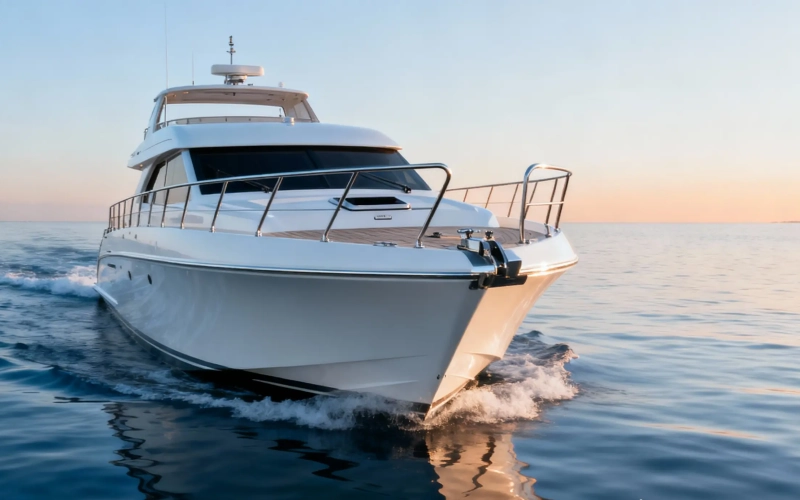
I once assisted a client in appraising an 8-year-old fiberglass yacht originally priced at $1 million. Through refurbishment and maintenance, its resale value remained around $850,000—approximately 40% higher than similarly aged, poorly maintained yachts.
2. Brand Resale Value
• Premium Brands or Renowned Manufacturers: Even with significant age, resale prices maintain a high percentage of the original value.
• Mid-to-Low-End Brands: Depreciate rapidly, especially used yachts lacking maintenance records, experiencing marked declines in market value.
• Purchase Recommendation: Understanding a brand's resale value before buying helps secure higher returns upon future resale.
I consistently advise clients to prioritize premium or well-established brands. While the initial investment may be slightly higher, the long-term economic returns from ownership and resale are markedly superior to those of mid-to-low-end models.
3. Maintenance Impact
• For yachts of the same age, the resale price gap between well-maintained and poorly maintained vessels can reach 30%–50%.
• Value Proposition: Yachts with comprehensive maintenance records not only enjoy extended lifespans but also command higher resale values.
A well-maintained 15-year-old steel yacht commands a market price approximately 50% higher than an unmaintained vessel of the same age, directly demonstrating the impact of maintenance on economic lifespan and value.
4. Which Boats Are More Suitable for Long-Term Holding
• Sturdy Construction and Premium Materials: Hulls made of steel or aluminum alloy are better suited for long-term ownership.
• Well-Maintained and Regularly Refurbished: Extends economic lifespan while preserving comfort and safety.
• Premium Brands or Superyachts: High refurbishment value and a flatter depreciation curve make them ideal for long-term investment.
If you plan to hold long-term or resell in the future, selecting a yacht with premium materials, excellent maintenance, and a high-end brand represents the most prudent strategy.
💡Summary
A yacht's lifespan, maintenance standards, and brand directly impact its resale value:
1. Regular maintenance and refurbishment not only extend longevity but also boost second-hand prices.
2. Premium brands and structurally robust hulls retain value more effectively.
3. Understanding the distinction between economic lifespan and structural lifespan empowers owners to make informed decisions during purchase, upkeep, and resale.
For yacht investors, focusing on lifespan and maintenance standards is far more crucial than merely examining the vessel's age. This directly impacts future economic returns and the overall boating experience.
FAQ
1. What is the maximum lifespan of a yacht?
Fiberglass private yachts typically last 20–40 years, while aluminum alloy or steel yachts can exceed 50 years. Superyachts may surpass 50 years with proper refurbishment.
2. Is a 30-year-old yacht safe?
A 30-year-old yacht is typically still structurally sound, especially those with steel or aluminum hulls. As long as the hull shows no severe corrosion, cracks, or structural damage, it remains seaworthy. The true determinants of safety lie in the level of routine maintenance and whether critical systems—such as the engine, steering gear, electrical systems, and navigation equipment—receive standardized upkeep and regular inspections.
3. How often does an engine typically need to be replaced?
The replacement cycle for an engine primarily depends on usage frequency and maintenance standards: Generally, engines in private yachts require major overhauls or replacement after 8–12 years of operation. In contrast, engines in commercially chartered yachts operating at high frequencies—due to heavier workloads and greater wear—often necessitate overhauls or replacement sooner to ensure reliable power and navigational safety.
Summary and Recommendations
- Understand Materials and Lifespan: Different materials determine the upper limit of lifespan.
- Pay Attention to Maintenance Records: Well-maintained used yachts hold higher value.
- Proper Use and Storage: Scientific operation and storage extend lifespan.
- Consider Economic Lifespan: Look beyond age; factor in maintenance costs and resale value.
- Brand and Refurbishment Value: Premium brands and regularly refurbished yachts are better suited for long-term investment.
By mastering the above principles, every yacht owner can better understand what is the lifespan of a yacht and make informed, rational purchasing and investment decisions. Whether for private use or commercial operation, these methods ensure your yacht remains safe, durable, and retains its high value.
About the Author
Luna Rossi, SAMS Certified Marine Surveyor (License No.: SAMS-66562), possesses over 15 years of experience in yacht sales, appraisals, and navigation. She has participated in the selection, maintenance, and refurbishment of diverse yachts worldwide, providing professional assessments and navigational safety guidance to both private and commercial clients.
Disclaimer
The content herein is provided for general informational and educational purposes only and does not constitute legal, investment, or professional advice. The lifespan, maintenance costs, refurbishment requirements, and resale value of yachts vary based on hull materials, operating environment, maintenance records, usage patterns, and market conditions. Consult certified professionals before purchasing or maintaining a vessel to obtain specialized assessments and recommendations tailored to the specific craft. The author assumes no liability for any direct or indirect losses arising from the use of this information.