Quick Answer
For most buyers, the ideal yacht size ranges from 40 to 60 ft.
First-time buyers: 40–50 ft
Family use: 50–70 ft
Socializing/parties: 70 ft and up
Limited budget or infrequent use: 40–50 ft is the most economical
High net worth or long-distance cruising: 60–90 ft
This article will provide you with clear, actionable guidance on choosing the right size by considering your yacht budget, intended use, and future resale value, ensuring you make an informed purchase and enjoy peace of mind.
As a broker and transaction advisor with extensive experience in the yacht industry, as well as a contributing writer for several yacht magazines, I have been involved in hundreds of transactions and have also owned multiple yachts myself. These experiences have given me a deep understanding that the biggest pain point in buying a yacht isn’t the price—it’s choosing the wrong size.
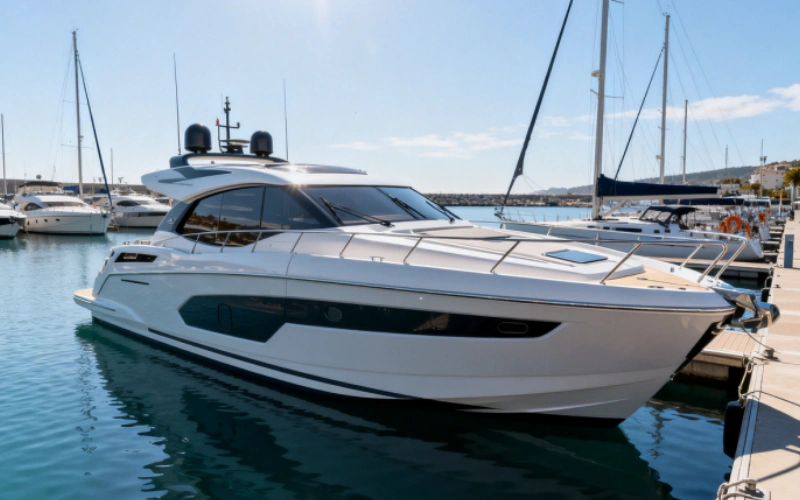
How to Calculate the Right Yacht Size for You?
To help simplify the decision-making process, here’s a basic Yacht Size Calculator logic:
Number of People: How many people will typically be on board?
Usage Frequency: Will you use the yacht frequently or just on weekends?
Budget: How much are you willing to spend on the yacht and its upkeep?
Recommended Size
1-3 people, Weekend Use, Budget <$500K: 40–50 ft
4-6 people, Frequent Use, Budget $500K–$2M: 50–70 ft
7+ people, Business Use, Budget $2M+: 70 ft and up
My Real-Life Case Studies
Client buys a small yacht → Upgrades after two years
One of my clients initially chose a 45 foot motor yacht for family weekend getaways. As the family grew and their cruising needs expanded, they upgraded to a 60 foot yacht two years later. While this met their needs, it also added extra costs and complexity.
Client Buys a Large Yacht → Low Utilization + High Costs
Another owner purchased an 85 foot luxury yacht, originally intended for socializing and parties, but only went out to sea five times a year. As a result, mooring, fuel, and maintenance costs were excessively high, with utilization rates below 30%.
Precise Size Selection → No Need to Upgrade for 5 Years
Another client chose a 55 foot yacht, which is suitable for family use and convenient for long-distance cruising. After five years, there has been no need to upgrade; utilization is high and costs are manageable.
Summary: Size selection directly impacts the user experience, costs, and resale value. Choosing the right size will not only save you money in the long run but also allow you to fully enjoy yachting life.
Yacht Size Categories Explained
| Size Range | Common Uses | Handing Requirements | Crew Requirements |
| 30–40 ft | Beginner, short weekend trips | Simple | No crew required |
| 40–50 ft | Novice, family boat | Easy to handle | Part-time or no crew required |
| 50–70 ft | Family use, weekend gatherings | Moderate | Part-time crew optional |
| 70–100 ft | Social events, parties, business hospitality | Experience required | Full-time crew recommended |
| 100+ ft | Ultra-luxury, transoceanic | Advanced | Professional crew required |
By understanding these yacht size ranges, you can quickly narrow down suitable models based on your usage scenarios and experience level.
How to Choose a Size Based on Budget?
Budget is the key factor in determining yacht size. Optimal choices vary significantly across different budget ranges:
Low Budget (<$500K) → 40–50-foot pre-owned yachts offer the best value for money, are easy to get started with, and are suitable for infrequent use.
Medium Budget ($500K–$2M) → 50–70-foot new or high-quality pre-owned yachts, offering a balance of comfort and functionality, ideal for family weekend getaways.
High Budget ($2M+) → 70–100-foot new or high-end pre-owned yachts, suitable for social events, business, or long-distance cruising.
YachtWorld notes that for every 20-foot increase in yacht size, costs nearly double—including mooring, fuel, insurance, and maintenance.
By understanding the relationship between budget and size, you’ll avoid regretting a decision driven solely by the desire for a larger yacht.
👉 Compare yacht prices by size and budget → Click here!
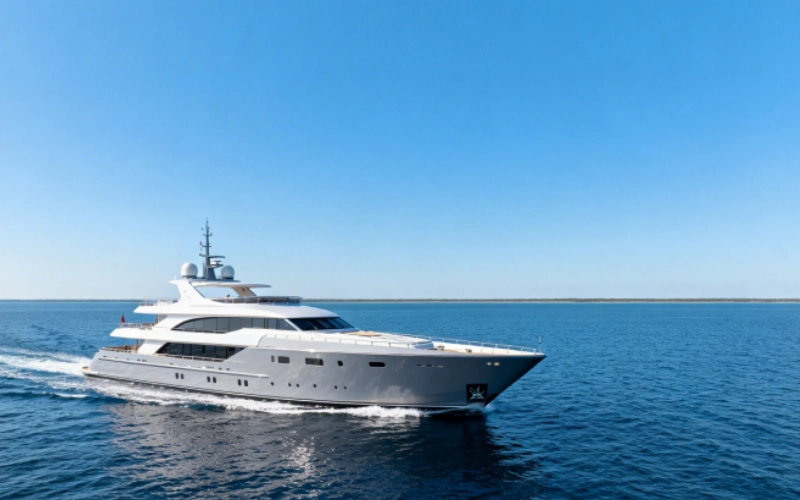
What Size Yacht Should I Buy?
To help you make a direct decision, I’ll provide clear yacht size recommendations based on different usage scenarios and target groups, along with explanations of the rationale, advantages, and suitable applications.
Best Choice for Beginners: 40–50 Ft
Why this size: Easy to handle, low maintenance costs, simple operation, and ideal for short trips and weekend getaways.
Recommended Models: Azimut Atlantis 45, Sunseeker Predator 50
Model Features:
Azimut Atlantis 45: Balanced performance, spacious flybridge, perfect for small gatherings with family and friends.
Sunseeker Predator 50: Distinctively sporty style and responsive handling, ideal for owners experiencing high-speed cruising for the first time.
Use Cases: Short-distance cruising, weekend family outings, and practice for beginners.
Yacht Size for Family Use
If you’re looking to purchase a yacht for your family, I recommend a size between 50 and 70 ft.
Why this size: Ample cabin space and high comfort, suitable for both weekend family gatherings and long-distance cruising.
Recommended models: Princess 60, Ferretti 670
Model features:
Princess 60: Well-designed layout with three guest cabins, suitable for group cruising; excellent stability, ideal for long-distance voyages.
Ferretti 670: Luxurious interior, spacious deck, and comprehensive entertainment facilities, making it perfect for families and small parties.
Use Cases: Long weekend cruises, family gatherings, and entertaining friends and relatives.
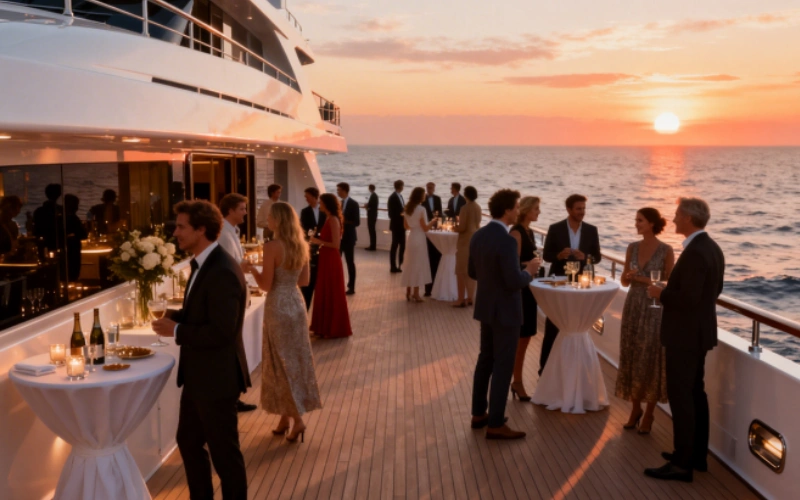
Social/Party Use: 70–100 ft
Why this size: Ample space on the flybridge and main deck for hosting guests, with full functionality.
Recommended Models: Sunseeker 88, Sanlorenzo SL86
Model Features:
Sunseeker 88: Powerful engine suitable for high-speed cruising; luxurious cabins and spacious decks facilitate hosting gatherings.
Sanlorenzo SL86: Modern design with ample social areas, suitable for business entertaining and large parties.
Use Cases: Business entertaining, large gatherings, party entertainment.
Long-Range/Ocean-Going Yachts: 60–90 ft
Why this size: Large fuel tanks and excellent stability make them ideal for transoceanic voyages and exploration.
Recommended Models: Riva 88, Mangusta 108
Model Features:
Riva 88: High stability and luxurious interiors make it suitable for long-distance cruising; fully equipped to support extended life at sea.
Mangusta 108: Fast speed and strong range, suitable for long-distance maritime exploration.
Use Cases: Transoceanic cruising, long-distance exploration, and high-end travel.
By comparing the use cases of different sizes across different user groups, you can quickly narrow down your options and avoid unnecessary detours.
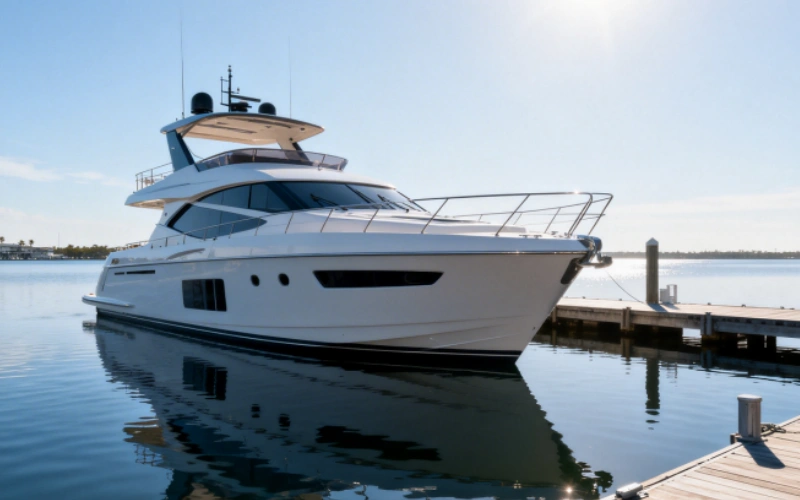
Best Yachts by Size (40ft / 50ft / 60ft)
| Yacht Size | Best Boat Type |
| 40 ft | Azimut Atlantis 45 |
| Beneteau Gran Turismo 45 | |
| 50 ft | Sunseeker Predator 50 |
| Azimut Fly 53 | |
| 60 ft | Princess 60 |
| Ferretti 670 |
👉 Browse yachts by size (40–60 ft) available for sale → Click here!
Docking and Maintenance Considerations for Yachts of Different Sizes
When selecting a yacht size, docking and maintenance costs are often overlooked, but in reality, these directly impact your user experience and long-term expenses. If the yacht size exceeds the marina’s capacity or your maintenance capabilities, even the largest yacht can become a burden.
Docking Considerations
Confirm that the marina’s length and width are compatible
Docking fees and availability during peak season
Maintenance Costs
Routine maintenance, hull cleaning, mechanical inspections
Crew wages (if applicable)
Yacht Cost vs Size Curv
| Size | Annual Mooring Fee | Annual Maintenance Cost | Additional Expenses |
| 40 ft | $8K–$15K | $10K–$20K | Fuel $3K |
| 60 ft | $20K–$40K | $30K–$60K | Fuel $6K |
| 80 ft | $50K+ | $100K+ | Fuel $10K+ |
Understanding the mooring and maintenance costs of a yacht in advance ensures that the size you choose meets your needs without causing financial strain.
Yacht Resale Value by Size
A yacht’s size not only affects daily use but also directly impacts resale value and liquidity:
Small yachts (30–50 ft): High liquidity, easy to resell, and convenient for upgrading or trading in; suitable for short-term owners.
Medium yachts (50–70 ft): Active second-hand market with stable value retention; suitable for families and regular cruisers.
Large Yachts (70+ ft): Targeted at high-net-worth individuals; small market but high appreciation potential; long resale cycle requiring patience.
Key Recommendation: Choosing a yacht size that matches your actual usage needs often preserves value better than blindly pursuing a larger yacht.
Common Mistakes in Yacht Size Selection and How to Avoid Them
Understanding common pitfalls can help you avoid regret:
Blindly pursuing a large yacht → High costs and low utilization, with significant pressure regarding mooring and maintenance.
Focusing only on price, not purpose → Insufficient or wasted space, resulting in a poor experience.
Ignoring marina conditions and maintenance capabilities → Unable to moor the yacht or facing difficulties with maintenance.
How to Avoid These Pitfalls:
Select a size tailored to your budget and sailing frequency;
Consider usage scenarios, mooring conditions, and future resale value;
Consult a professional broker to access first-hand market data!
| Size | Pros | Cons | Recommended for |
| 30–40 ft | Low cost | Limited space | Beginners |
| 40–60 ft | Best balance | No major drawbacks | Beginners/Families |
| 60–80 ft | Comfortable | High cost | High-end families/Ocean cruising |
| 80 ft+ | Luxurious | Extremely expensive | High-net-worth individuals/Socialites |
This table helps you quickly compare the pros and cons of different sizes so you can choose a yacht that meets your actual needs.
Summary
The core principles for choosing a yacht size: usage needs + budget + long-term planning.
Beginners or those on a limited budget → 40–50 ft
Family use → 50–70 ft
Socializing or offshore cruising → 70–90 ft
Choosing the right yacht size not only saves you money and hassle but also allows you to fully enjoy the yachting lifestyle. The sizing logic, case studies, and authoritative data provided in this article can directly help you make an informed decision.
👉 Get a personalized yacht size recommendation based on your budget and usage → Click here!
About the Author
Emery
Yacht Broker / Yacht Transaction Consultant / Contributing Writer for Yachting Magazine
SAMS Certified Surveyor ID: AMS #2458
Selected as one of “Asia’s Top 10 Yacht Industry Experts” and recipient of the “Yacht Broker Outstanding Service Award,” among others
Last Updated: March 2026
Target Audience: First-time buyers, families, buyers with varying budgets, and those concerned with cost and resale value
Disclaimer
The content of this article is based on the author’s years of experience in yacht transactions, publicly available industry information, and standard market data. It is provided for reference and informational purposes only and does not constitute any purchase advice, investment advice, or legal opinion. Yacht size selection is influenced by multiple factors, including budget, frequency of use, mooring conditions, cruising areas, and personal preferences; actual circumstances may vary. The price ranges, cost estimates, and model examples mentioned in this article are provided solely as market references; specific details are subject to actual transactions, the condition of the vessel, and local policies. It is recommended to consult professional brokers, surveyors, and relevant authorities before purchasing a yacht to conduct a comprehensive assessment and on-site inspection to ensure the accuracy and safety of your decision.
FAQ
Q1: What size yacht should I buy for a family of 4?
A: A 50–60-foot yacht is sufficient; these offer comfortable accommodations and are suitable for both weekend getaways and extended voyages.
Q2: Is a bigger yacht always better?
A: No, cost and utilization are the key factors. A yacht that is too large may result in unnecessary waste.
Q3: What is the best yacht size for beginners?
A: A 40–50-foot yacht is ideal for beginners—it’s easy to handle, low-maintenance, and cost-effective.