



Quick Answer
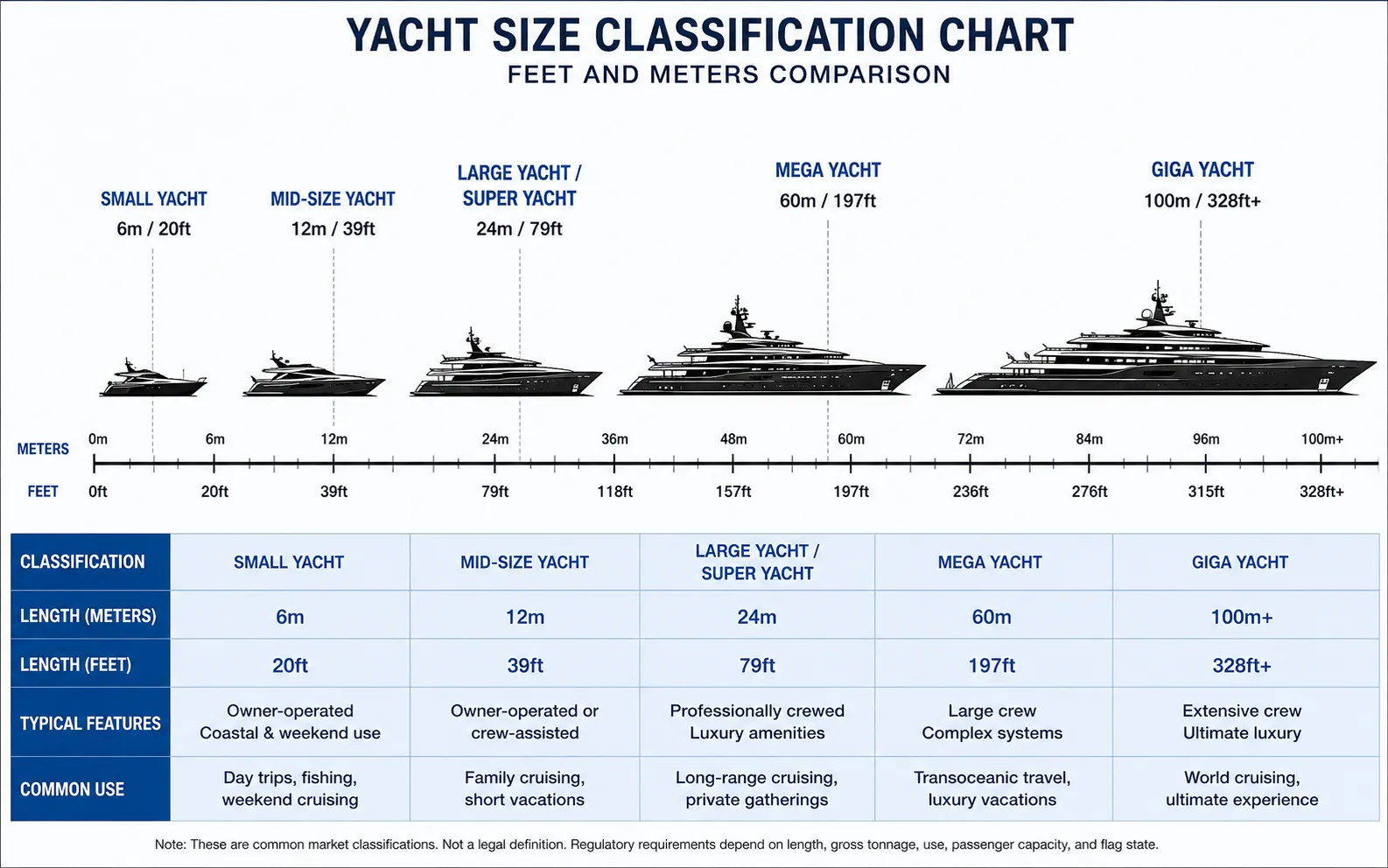
There is no single worldwide legal yacht size classification. In common industry usage, yachts under approximately 12 metres are often described as small yachts, 12–24 metre vessels as midsize or large yachts, 24–60 metre vessels as superyachts, and yachts over approximately 60 metres as megayachts. Yachts over 100 metres may be called gigayachts. These are informal market labels rather than universal legal definitions. Regulatory requirements depend on certified length, gross tonnage, use, passenger capacity and flag state.
Yacht Size Classification Chart
| Common market class | Length in meters | Length in feet | Typical operating profile |
|---|---|---|---|
| Small yacht / recreational yacht | 6–12m | 20–39ft | Often owner-operated; coastal and weekend cruising |
| Midsize or large yacht | 12–24m | 39–79ft | Owner-operated or crew-assisted depending on complexity |
| Superyacht | 24–60m | 79–197ft | Commonly professionally crewed and formally managed |
| Megayacht | 60–100m | 197–328ft | Large full-time crew with complex technical departments |
| Gigayacht | 100m+ | 328ft+ | Departmental crew structure and extensive shore support |
These ranges describe common market usage, not a universal legal classification. Some publications use 30 metres instead of 24 metres as the lower threshold for superyachts.
How Is Yacht Size Measured?
| Measurement | Meaning | Why it matters |
|---|---|---|
| LOA | Length Overall, from the furthest forward to aft points | Listings, berthing and size comparison |
| LWL | Length at the waterline | Hull performance and design calculations |
| Load line length | Certified regulatory measurement | Used by certain large-yacht regulations |
| Beam | Widest point of the yacht | Berth width, stability and interior volume |
| Draft | Depth below the waterline | Marina and shallow-water access |
| Gross Tonnage | Index based on enclosed internal volume | Regulatory and operational thresholds |
One of the most common mistakes among yacht buyers is assuming that LOA alone determines regulatory requirements. In reality, different regulations may reference different measurements, including load line length and gross tonnage.
Yacht Size Classification by Buyer Type
Which yacht size is best for you? Buyer type, experience, and intended use heavily influence the optimal yacht size.
- First-time buyers: Often choose smaller yachts (6–12m) for ease of handling, lower maintenance, and minimal crew requirements.
- Family or recreational owners: Typically prefer mid-sized yachts (12–24m) for comfort, multiple cabins, and moderate operating costs.
- Luxury buyers: Focus on larger yachts (24–60m+) with professional crew, extensive amenities, and higher compliance obligations.
Gross tonnage (GT) often dictates operational and regulatory requirements more than length alone.
- For example, a high-volume 24-meter expedition yacht exceeding 200 GT may require the same safety systems and crew qualifications as a 30-meter lightweight yacht.
- Annual costs—including maintenance, insurance, and marina fees—rise significantly with GT, sometimes more than with LOA.
- Understanding both LOA and GT helps buyers evaluate value for money and plan budgets before purchase.
Yacht Size vs Operating Cost
Operating cost cannot be estimated reliably from length alone. Purchase value, age, construction material, engine hours, cruising region, crew, fuel use, berth, insurance and refit requirements can produce very different budgets for yachts of similar length.
Small Yacht Size Category
Small yachts (6–12m) are the most practical starting point for first-time private owners.
- Typically owner-operated with no professional crew required
- Lower purchase and operating costs compared to midsize yachts
- Best suited for coastal cruising and weekend use
Based on industry practice and brokerage experience, small yachts typically refer to vessels ranging from 6 to 12 meters in length. For first-time owners deciding what size yacht should I buy, this category offers the lowest operational barrier while still providing hands-on sailing experience.
At the operational level, small yachts can usually be handled by one to two people, allowing new owners to learn seamanship, route planning, and basic safety regulations in a controlled environment. From a cost perspective, purchase prices typically range from $15,000 to $40,000, with annual operating expenses often remaining under $5,000 to $8,000.
While small yachts excel in affordability and maneuverability, limited interior volume and cruising range make them unsuitable for long-distance voyages or extended liveaboard use.

Mid-Size and Luxury Yacht Classes (12–30 meters)
Based on my experience, midsize and luxury yachts typically refer to vessels ranging from 12 to 30 meters in length, representing the most popular segment within this category. This size range offers both comfortable cruising and manageable handling, making it an ideal choice for family vacations and private gatherings.
Configuration and Purpose
Midsize yachts between 12 and 18 metres typically focus on efficient cruising, comfortable accommodation and practical onboard living spaces. Depending on the model, they may offer multiple cabins, a flybridge, outdoor entertaining areas and modern navigation systems.
Yachts between 18 and 30 metres generally provide larger interior volumes, additional guest cabins, expanded social areas, improved storage capacity and, on some models, dedicated crew accommodation.

Princess F45
- Length47.40 ft
- Cabins2
- Top speed31 kn
- TypeFlybridge yacht
The Princess F45 flybridge yacht has an excellent design, with outstanding space, quality and flexibility, and is able to create an extraordinary water experience. The Princess F45 is equipped with technological innovations to ensure that this compact yacht is as spacious on the deck as it is below the deck.
Sunseeker Manhattan 68
- Length69.59 ft
- Cabins3
- Top speed30 kn
- TypeFlybridge yacht
The 2025 Sunseeker Manhattan 68 represents an evolution of the Manhattan series, featuring comprehensive enhancements to exterior lines, flybridge functionality, and interior flexibility.

2024 Azimut Fly 78
- Build Year2024
- Length77.56 ft
- Cabins5
- Top speed33 kn
- TypeFlybridge yacht
The 2024 Azimut Fly 78 epitomises the “modern Italian luxury flybridge yacht”. Rather than pursuing extreme dimensions or performance, it is precisely positioned within the golden range for high-end family cruising and business hospitality under 30 metres.
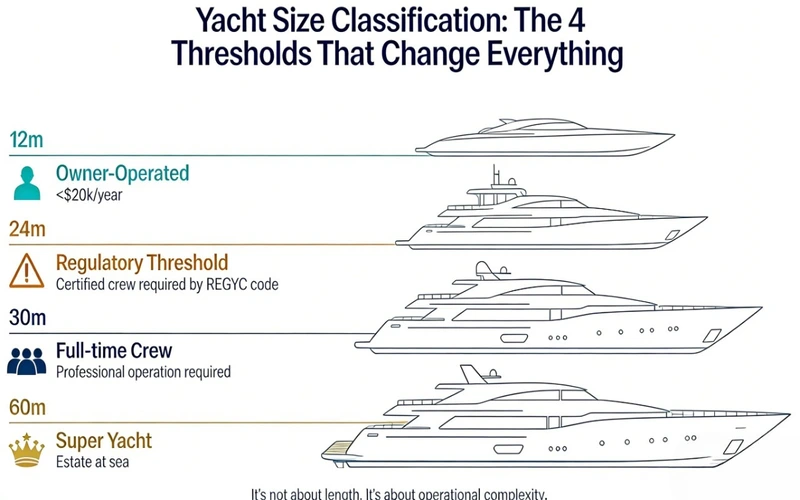
24-meter regulation line
The widely cited 24-metre threshold should not be assessed from LOA alone. Under the REG Yacht Code, the relevant measurement is load line length, and the rule applies to covered commercially operated yachts rather than every private yacht worldwide. Buyers should verify the yacht’s certified measurements, flag, intended use and passenger capacity before drawing regulatory conclusions.
30-meter operational line
Unlike the 24-metre regulatory threshold, the 30-metre point is not a universal legal boundary. Instead, it is a practical management threshold commonly used within parts of the superyacht industry. Around this size, many yachts transition from owner-managed operations to professionally managed programs, often involving a full-time captain, engineering support and dedicated crew members. However, actual crew requirements depend on factors such as gross tonnage, flag-state regulations, commercial status, vessel complexity and onboard facilities.
Tonnage and Length
Regulatory thresholds are not solely determined by length. A high-volume 24-meter expedition yacht exceeding 200 GT may face compliance requirements equivalent to those for longer vessels, while lightweight racing yachts exceeding 30 meters may be subject to different regulations. It is advisable to verify both LOA (Length Overall) and GT (Gross Tonnage) when purchasing a yacht.
The following table presents key metrics for mid-sized and luxury yachts, helping owners make informed choices between budget and usage requirements:
| Type | Length | Number of Cabins | Crew Requirement | Facilities | Annual Operating Cost (USD) |
| Mid-sized Yacht | 12–18 meters | 2–4 | 1–3 people (Autonomous) | Basic Living Facilities | 20,000–100,000 |
| Luxury Yacht | 18–30 meters | 3–5 | 1–3 people (Autonomous) | High-end Facilities | 80,000–150,000 |
| 24–30 meters | 3–5 | 2–5 people (Certification Required) | Full Set of Facilities | 150,000–300,000+ |
Note: The 24-meter threshold under REGYC regulations significantly increases crew requirements.
As yachts approach the upper end of the 30-meter range, operational considerations begin to outweigh design and purchase price factors, setting the stage for the superyacht category.
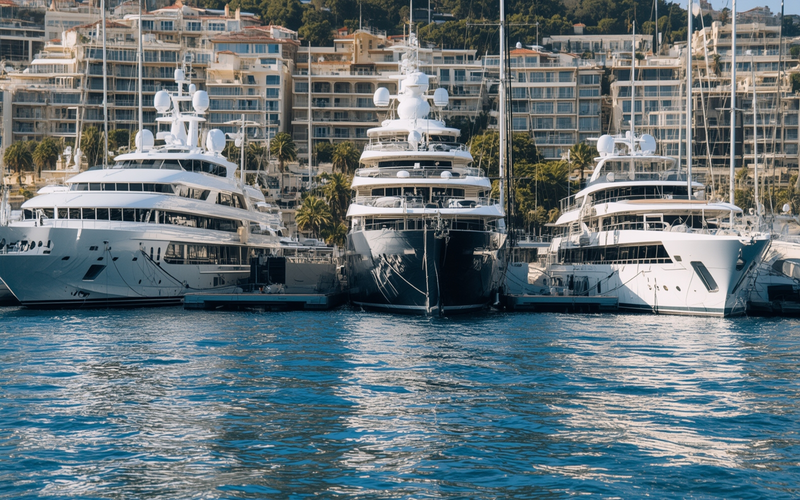
As yachts enter the larger superyacht segment, generally around 30 metres and above in common industry usage, operational complexity increases significantly. Larger vessels typically require more structured crew management, maintenance planning and compliance oversight.
Superyacht and Mega Yacht Size Definitions
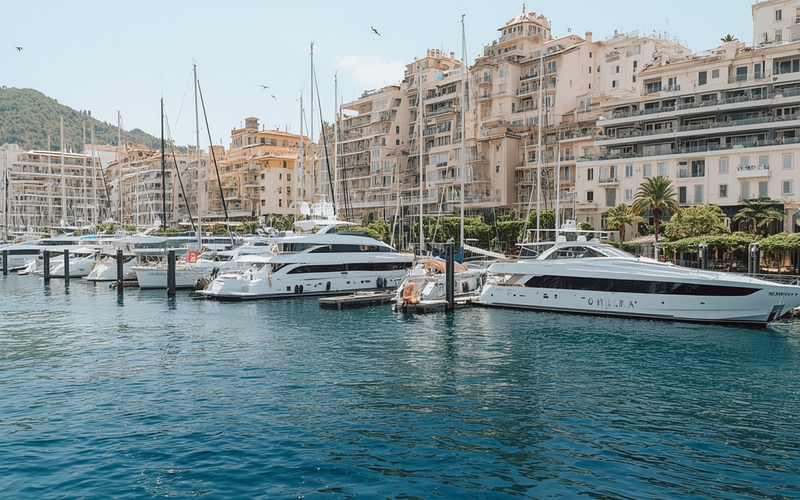
In common industry usage, the term superyacht often begins at approximately 24 metres, although some databases and publications use 30 metres as their reporting threshold. Megayacht commonly refers to yachts around 60 metres and above, but the terminology remains informal.
Vessels over 30 meters generally require full-time crew and structured operational oversight. According to the Monaco Yacht Show Market Report, which uses SuperYacht Times global fleet data, there were over 6,000 yachts longer than 30 m in operation in 2025, with the majority between 30–40 m.
For buyers browsing luxury yachts for sale, these operational, compliance, and management requirements should guide vessel selection and long-term planning.To illustrate the concrete differences in crew requirements and operating costs, we have compiled the following comparison:
| Yacht Type | Length Range | Crew Requirement | Core Facilities | Annual Operating Cost (USD) | Suitable Uses |
| Super Yacht | 30–60 meters | Full-time crew | Multi-deck cabins, entertainment facilities, helipad | 300,000–1,000,000 | Luxury vacations, transoceanic cruising, private gatherings |
| Mega Yacht | Over 60 meters | Full-time professional team | Custom luxury facilities, ultimate entertainment experience | 1,000,000+ | Ultimate luxury experience, transoceanic travel, private customization |
Additionally, superyachts and mega yachts face stricter legal and regulatory requirements. Many ports and marinas impose additional restrictions on vessels exceeding certain lengths, including berthing applications, entry procedures, waste discharge protocols, and safety inspections.
Therefore, when planning superyacht or megayacht projects, comprehensive crew staffing, long-term maintenance budgets, and compliance management arrangements often warrant greater scrutiny than the hull itself.
Understanding the classification criteria for superyachts and megayachts within yacht size classes helps buyers make more rational decisions regarding purchase budgets, vessel selection, and long-term operational strategies.
Yacht Size Classification Chart
To provide a clearer understanding of yacht size classifications and the characteristics of different yacht types, we have compiled a detailed size classification chart. This chart integrates common market vessel types, intended uses, and operational costs to help prospective buyers quickly identify the most suitable yacht category for their needs.
| Yacht Type | Length Range (meters) | Suitable Uses | Crew Requirement | Annual Operating Cost Reference (USD) |
| Small Yacht | 6–12 meters | Coastal cruising, weekend leisure | 1–2 people | 5,000–20,000 |
| Mid-sized Yacht | 12–18 meters | Family outings, short vacations | 1–3 people | 20,000–100,000 |
| Luxury Yacht | 18–30 meters | Long-distance cruising, private gatherings | 2–5 people | 100,000–300,000 |
| Super Yacht | 30–60 meters | Luxury vacations, transoceanic cruising | Full-time crew | 300,000–1,000,000 |
| Mega Yacht | Over 60 meters | Custom luxury, ultimate experience | Full-time professional team | 1,000,000+ |
The table demonstrates that each key length category of yachts is accompanied by significant changes in operating costs, crew requirements, and usage scenarios. For instance, the gap between small yachts and superyachts extends beyond purchase price to encompass dockage fees, insurance, fuel, and maintenance expenditures. Understanding these differences helps prospective buyers strike a reasonable balance between budget and requirements.
Across these size ranges, buyers can select the most suitable vessel based on sailing frequency, intended use, and budget. For instance, occasional recreational sailors may opt for smaller yachts, while those seeking extended transoceanic voyages or luxury vacations should consider superyachts or mega yachts.
Yacht Length vs Gross Tonnage: Which Matters More?
Length determines where you dock. Tonnage determines what you must comply with.
| Decision Scenario | Prioritize Length | Prioritize Tonnage |
| Marina selection / dockage fees | ✓ | |
| Insurance / crew qualifications / safety certifications | ✓ |
Pre-Purchase Check: Request both LOA and GT from the classification certificate. Never rely on brochure specifications alone.
Common Mistakes When Choosing Yacht Size
Many yacht buyers focus too heavily on purchase price, overlooking operational and regulatory implications. Common mistakes include:
- Ignoring Gross Tonnage (GT): Buyers often look at length alone, but GT can dictate safety equipment, crew qualifications, and compliance costs. For example, a 24-meter yacht exceeding 200 GT may require the same crew and certifications as a 30-meter lightweight vessel.
- Underestimating Annual Operating Costs: First-time buyers frequently overlook maintenance, insurance, marina fees, and crew salaries, which can far exceed the initial purchase price, especially for mid-size, luxury, or superyachts.
- Overlooking Marina and Berthing Constraints: Some buyers select yachts that cannot fit available marinas or require custom berths, leading to additional costs or limited cruising options.
- Choosing Size Without Considering Usage: A yacht that’s too small may restrict comfort or cruising range, while a yacht that’s too large may require unnecessary full-time crew and management infrastructure.
- Neglecting Future Growth: Buyers sometimes fail to consider whether their yacht choice accommodates future plans, such as extended cruising, entertaining, or upgrading to a larger vessel.
Tip: Align yacht size with your actual usage patterns, crew budget, and operational readiness to avoid unexpected expenses and logistical challenges.
Summary
Based on industry practice and brokerage experience, yacht size classification defines far more than length—it determines the entire operating model, from regulatory exposure and crew requirements to cost structure and daily usability. Small yachts offer a low-barrier entry for new owners, while mid-size and luxury yachts balance comfort with manageable operations.
Beyond 30 meters, ownership shifts into a professionally managed asset, with yachts over 60 meters requiring full shore-based support. The most common mistake is focusing on purchase price while overlooking these operational thresholds. Aligning yacht size with real usage patterns before committing is key to avoiding costly long-term missteps.
Still deciding? The question "what size yacht should I buy" depends on more than length—your sailing frequency, crew budget, and home marina constraints matter equally. Use this guide to match specifications to reality.
Quick Selection Guide:What Size Yacht Should I Buy?
Start with your usage pattern, not your budget.
If you're asking "what size yacht should I buy," match these three decision factors to your actual lifestyle—not your aspirational one:
Sailing Purpose and Usage Profile
Annual usage frequency alone does not determine the ideal yacht size. A yacht used only a few weeks per year may still be a large luxury yacht if the owner prioritizes space, privacy and onboard services, while some long-term cruising owners may prefer smaller vessels designed for efficient operation.When choosing yacht size, buyers should evaluate:
- Number of guests and required cabin space;
- Cruising distance and operating area;
- Crew requirements;
- Maintenance and ownership budget;
- Marina accessibility and vessel management complexity.
Crew Budget Tolerance
- No professional crew preferred → Stay under 24 meters
- Can accommodate $50,000–$150,000/year labor costs → 24–30 meter range viable
- $150,000+/year crew budget available → 30+ meter class opens up
Marina and Cruising Area Considerations
The suitability of a yacht size depends on the specific marina, cruising area and vessel specifications rather than geographic region alone.
Before purchasing a yacht, owners should evaluate:
- LOA (Length Overall) restrictions;
- Beam limitations;
- Draft requirements;
- Available berth infrastructure;
- Seasonal availability and reservation requirements.
A 30-meter yacht may have excellent access in one marina but face limitations in another location. Therefore, buyers should confirm intended cruising areas and marina availability before selecting yacht size.
About the Author
Brian G. Stetler
Yacht Broker
Last Updated: January 2026
Disclaimer
This content is for reference only and does not constitute investment advice. This article has not received sponsorship from any shipyard, financing institution, or brand; the author has not participated in brokerage transactions involving the vessels cited herein. Yacht specifications are based on publicly available information as of 2026; actual prices may vary due to regional and market fluctuations. Actual configurations shall be subject to classification society certificates. Prior to purchase, it is imperative to hire an independent surveyor (not affiliated with the seller) to conduct sea trials and verify certificates. Neither the author nor this platform is responsible for any losses incurred as a result of reliance on the information provided herein. Regulations and fees are subject to change; always check current requirements.
FAQ
Q1: Is there an official yacht size classification?
A: No. Yacht size categories are informal industry terms. Regulations depend on length, gross tonnage, use, and flag-state requirements.
Q2: What size is considered a yacht?
A: There is no universal minimum length at which a boat legally becomes a yacht. In recreational and brokerage usage, vessels around 10–12 metres and above are commonly marketed as yachts, but design, purpose, accommodation and market convention matter as much as length.
Q3: What is considered a small yacht?
A: Small yachts are typically around 6–12 metres (20–39ft), suitable for coastal cruising, weekend use, and owner operation.
Q4: At what size does a yacht become a superyacht?
A: A yacht is commonly called a superyacht from around 24 metres, although some industry sources use 30 metres.
Q5: What is the difference between a superyacht and a megayacht?
A: Superyachts are generally 24–60m, while megayachts usually refer to vessels over 60m with larger crews and facilities.
Q6: What is the 24-metre rule for yachts?
A: The 24-metre threshold applies in some regulations, but measurements and requirements vary by flag, use, and certification.
Q7: Is yacht size measured by LOA or waterline length?
A: Yachts are usually compared by LOA, but regulations may use other measurements such as load line length or gross tonnage.
Q8: What is the difference between yacht length and gross tonnage?
A: Length measures physical size, while gross tonnage measures internal volume and often affects regulatory requirements.