Over the past decade, I have assisted dozens of yacht owners in configuring insurance, negotiating policy terms, and handling claims. I recall a recent case last summer when a client cruising the Mediterranean was forced to halt operations off the coast of Croatia due to mechanical failure. Thanks to the Hull & Machinery coverage and emergency towing protection we secured during underwriting, they ultimately received approximately 80% reimbursement for repair costs (including towing and repair logistics). This hands-on experience inspired me to write this guide: How to quickly configure a practical yacht insurance plan in 2025 that saves money while minimizing operational risks.
After reading this guide, you will be able to:
Quickly identify and select essential coverage and critical riders;
Estimate annual premiums using standardized approaches (based on vessel type/purpose/sailing area);
Obtain a practical risk mitigation checklist (measures beyond insurance that genuinely reduce premiums and claims risks);
Access my go-to checklist for quote comparisons and contract reviews, empowering you to take the lead during negotiations with brokers/insurers.
Table of Contents:
1. Yacht Insurance Fundamentals
2. Types of Yacht Insurance Coverage
3. Yacht Insurance Costs
4. Risk Mitigation Strategies
5. Implementation Guide: How to Quickly Configure Yacht Insurance
6. Conclusion
1. Yacht Insurance Fundamentals
Below are common yacht insurance industry terms with concise explanations:
Hull Insurance (Hull & Machinery): Covers physical damage or repair costs to the yacht's hull and machinery caused by collision, fire, water ingress, sinking, storms, or mechanical failure.
Liability Insurance (Third-party Liability): Covers legal liability for bodily injury or property damage caused by the yacht to third parties (including incidents at ports, marinas, or during navigation).
P&I (Protection & Indemnity): Primarily focuses on maritime liability and claims management, covering substantial liability claims arising during navigation (e.g., environmental pollution, salvage costs), typically underwritten/managed by P&I clubs.
Crew & Passenger Insurance: Covers injuries, illnesses, medical expenses, and emergency rescue costs for crew members and passengers onboard.
Endorsements / Riders: Optional add-ons like theft coverage, delay insurance, lightning/natural disaster protection, on-board property insurance, and salvage/towing guarantees.
The International Union of Marine Insurance (IUMI) provides global marine insurance market statistics and trends, serving as a key reference for assessing premium and claims patterns.
2. Types of Yacht Insurance Coverage
1). Hull & Machinery Insurance
Coverage Scope: Physical losses and repair costs resulting from collisions, fire, sinking, storms, mechanical failure, grounding, etc.
In a Mediterranean storm case I handled last year, Hull & Machinery insurance covered the bulk (approximately 80%) of the yacht repair costs. The remainder comprised the deductible and non-covered incidental losses (e.g., communication fees, alternative transportation costs).
Special Note: New materials (carbon fiber, composites) or hybrid propulsion systems (electric/diesel hybrid) affect pricing and exclusions. Always disclose hull materials and propulsion type to underwriters before purchasing and obtain tailored policy terms.
2). Third-Party Liability Insurance
Coverage Scope: Compensation and cleanup costs for third-party bodily injury, property damage, port area liability, and environmental pollution.
I recommend setting minimum coverage at least sufficient to cover typical personal injury claims in the operating region. For most European/Mediterranean routes, I suggest starting with at least €1M per occurrence. Increase coverage for high-risk areas or vessels with high passenger counts. When selecting coverage, verify inclusion of “pollution liability / wreck removal / uninsured/underinsured third party” endorsements.
Reports from IUMI and multiple insurers indicate rising environmental pollution claims (approximately 10–20% increase in some statistical periods), making pollution liability coverage and limit setting particularly critical.
3). Crew and Passenger Insurance
Coverage Scope: Medical treatment, emergency medical evacuation, disability compensation, and repatriation/burial expenses.
Practical Tip: Crew qualification and insurance requirements vary significantly by country (e.g., EU ports and Caribbean coasts impose stricter commercial operation standards). Verify port-of-call laws and terminal requirements before sailing, and establish annual health checkups and qualification records for long-term crew members.
4). Additional Coverage & Optional Extensions
Examples: Marine theft, delay/loss of hire, lightning/natural disaster coverage, diving equipment insurance, electronics insurance, etc.
If your yacht requires frequent cross-border travel or commercial charter operations, consider add-ons covering “loss of hire/charterers' liability” and salvage/recovery. Private recreational yachts may optionally purchase theft insurance and navigation system damage coverage to mitigate low-probability, high-value risks.
3. Yacht Insurance Costs
Average premium ranges vary across sources; common market estimates fall between approximately 1% to 5% of the yacht's value, depending on vessel type, usage, and sailing area.
Basic Premium Reference (Example, for Budget Estimation Only)
Recreational Yachts (<20 meters): Annual premiums generally range from 0.5%–2% of the yacht's value.
Large Yachts (20–40 meters): Annual premiums may range from 1%–3% of the yacht's value.
Superyachts (>40 meters): Typically employs hedging and negotiation mechanisms, with rates varying significantly. Common ranges are 0.5%–2%, but these come with high coverage limits and complex policy terms.
Why such wide variations? Key influencing factors include:
Vessel Age and Maintenance Records: The older the vessel and the less comprehensive the maintenance records, the higher the insurance premiums. Therefore, Methods to Extend Lifespan of your yacht are essential skills every owner must master.
Hull material and propulsion type: Composite materials/high-speed propulsion/high-powered engines indicate higher risk.
Sailing Area: Transatlantic routes, the Caribbean, and high-claim zones like certain coastal waters incur higher premiums
Usage Frequency: Occasional private use vs. year-round charter/commercial operation
Claims History: No-claims records qualify for “preferential history” discounts
Risk Mitigation Measures: Installing AIS, automatic fire suppression, dual rudders, redundant power supplies, etc., may qualify for rate reductions
Market reports and analyses from brokers/insurers indicate premiums fluctuate based on these factors. For overall market and rate trends, refer to Marsh and IUMI publications/statistics.
Sample Comparison Table
| Yacht Type | Value | Annual Premium | Notes |
| Small Yacht | $200,000 | $2,000–$6,000 | Private use, no claims history |
| 20-30M Yacht | $2,000,000 | $20,000–$60,000 | Mediterranean cruising & seasonal charter |
| 40M+ Superyacht | $20,000,000 | Custom quote | High-frequency commercial use |
4. Risk Mitigation Strategies
Insurance is a vital tool for “risk sharing and transfer,” but the most cost-effective measure is often reducing the probability of loss. Below are the most frequently used and premium-impacting measures from my years of experience:
Yacht Safety
Allianz Commercial's “Safety and Shipping Review 2025” states:
Yachts must maintain detailed records of maintenance, repairs, and part replacements, which are critical for claims processing.
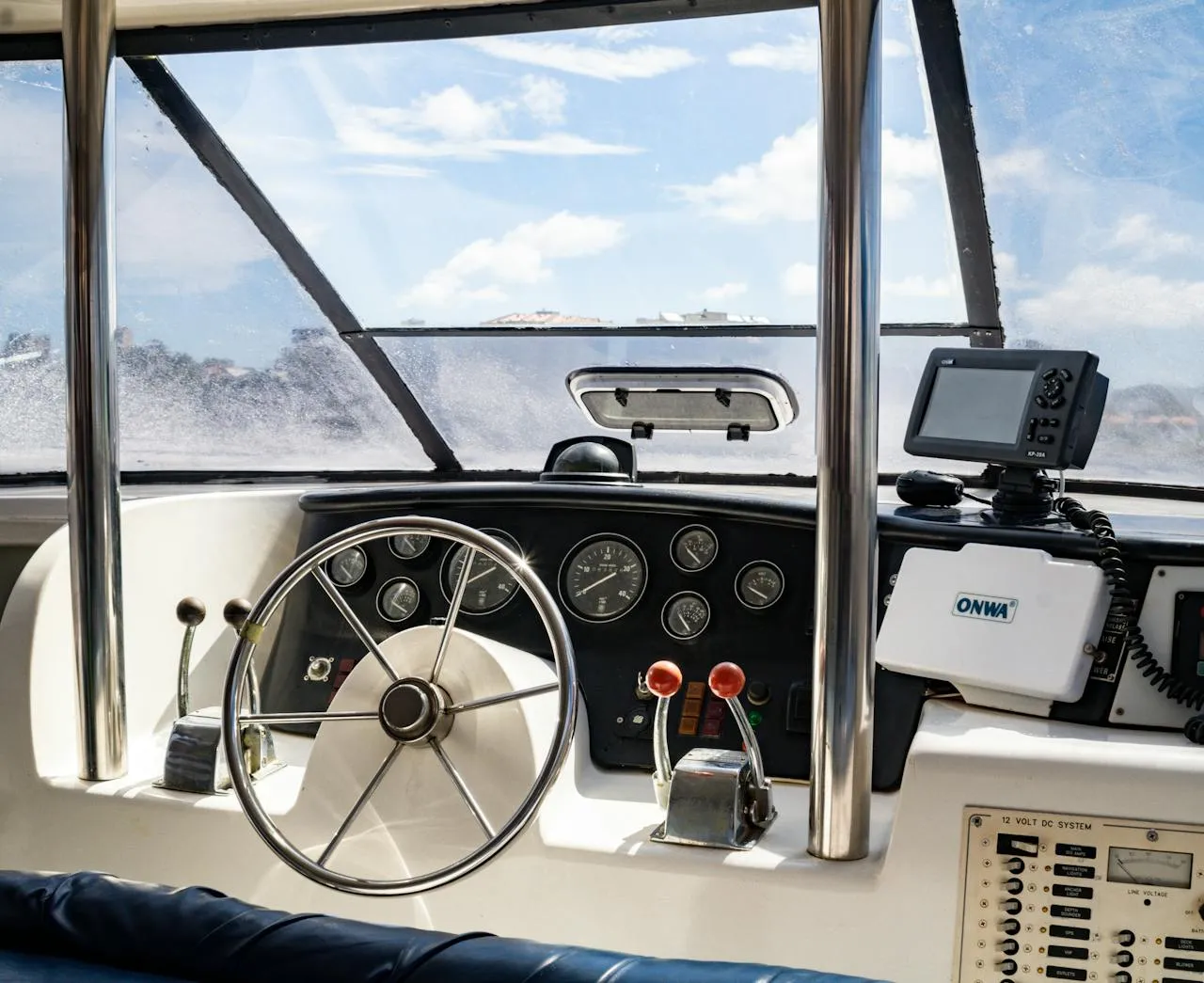
Yachts must be equipped with AIS, GPS, dual navigation backup, automatic fire suppression systems, liferafts, and EPIRBs.
Retrofitting older yachts with modern fire bulkheads, electrical protection, and propulsion system redundancy can significantly reduce premiums during renewal.
After assisting a client in installing an automatic fire suppression system, I negotiated with the insurer and secured an approximately 8–12% premium reduction (as insurers recognize this as a significant loss-mitigation measure). The exact reduction depends on the insurer and other risk factors.
Crew Management
Training and Certification: Maintain internationally recognized certificates (e.g., STCW) for key positions (engineer, captain) and retain training records.
Health and Medical Examinations: Conduct regular health checkups and drug screenings, especially critical for commercially operated yachts.
Operating Manuals & Emergency Drills: Conduct and document regular lifesaving, firefighting, and medical emergency drills.
Voyage Planning
Avoid High-Risk Periods & Areas: Such as hurricane seasons, certain coastal high-wind zones, and high-piracy waters. If entry is necessary, consider purchasing additional War/STRIKE or Kidnap & Ransom coverage.
Utilize Professional Route Planning Services: Develop shelter-from-the-storm and fuel/supply plans well in advance for extended voyages.
Insurance Optimization
Secure Safety Discounts: Provide insurers with installation certificates and third-party test reports (fire suppression systems, AIS, etc.) to request inclusion of “safety measures discounts” or “annually decreasing premium rebate clauses” in policy terms.
Leverage insurer-recommended risk assessment tools: Some major underwriters or brokers offer SaaS risk assessment tools or on-site evaluation services. Qualifying assessments may yield preferential terms.
5. Implementation Guide: How to Quickly Configure Yacht Insurance
Below is a copy-and-paste checklist for step-by-step execution:
a. Prepare foundational documentation
Vessel name, model, year of construction, hull material, captain and key crew certification records, annual usage days, typical sailing areas, charter status, photos of berthing ports, maintenance records and claims history for the past three years. All used yachts listed on the Yachttrading platform require owners to provide these documents.
b. List Essential Coverage and Optional Add-ons
Mandatory: Hull & Machinery, Third-party Liability or P&I
Strongly Recommended: Crew & Passenger Medical, Salvage/Rescue, Pollution Liability Extension
Optional: Theft, Loss-of-Hire (commercial operation), Lightning/Earthquake (based on sailing area)
c. Obtain Quotes: Within T-0 to T+7 days
Simultaneously request quotes from at least three reputable brokers/insurers (I maintain long-term partnerships with multiple insurers and can secure comparable terms within 7–14 days). Request a Coverage Matrix for item-by-item comparison of exclusions, deductibles, and claims procedures.
d. Evaluate and negotiate terms: T+7 to T+21
Focus on: deductible, coverage limits, concurrent losses and exclusions, salvage/salvage liability, pollution liability scope, claim deadlines, and dispute resolution clauses (applicable law).
e. Submit application and establish annual review
Recommend setting an annual review date, e.g., commencing 45 days prior to the policy renewal date. Immediately notify the insurer of significant vessel modifications or changes in usage to avoid exclusions.
f. Document and Retain All Communications and Evidence
The most common claim denial reasons are “incomplete information” or “failure to disclose pre-failure indications.” Safely store maintenance records, logbooks, repair invoices, and communication logs.
6. Conclusion
As a professional working in yacht transactions and insurance placement, my experience confirms: a judicious combination of insurance products + proactive risk mitigation = optimal cost/coverage ratio. Insurance isn't merely “purchasing peace of mind on paper”; it's an integrated strategy of “policy terms + evidence + operational practices” to keep risks within manageable limits. The 2025 market experienced fluctuations in underwriting standards, premiums, and reinsurance costs—making advance preparation and communication with professional brokers/underwriters critically important.
About the Author
Emery
Yacht Broker / Yacht Transaction Advisor / Contributing Writer for Yachting Magazine
SAMS Certified Surveyor #2458
Honored as one of “Asia's Top Ten Yachting Industry Experts” and recipient of the “Outstanding Yacht Broker Service Award”
Last Updated: October 2025
Applicable Audience: Yacht owners and prospective owners planning insurance coverage, including recreational yacht, large yacht, and superyacht owners; as well as yacht brokers, insurance advisors, and other professionals involved in yacht transactions and insurance arrangements.
Disclaimer
The 2025 Yacht Insurance Guide content provided herein is compiled based on the author's past experience, industry knowledge, and publicly available information. Market data, rate ranges, coverage types, and other information contained herein are for general reference only and do not constitute any professional insurance advice or commitment. Due to dynamic market changes, regional regulatory differences, and varying individual circumstances, actual insurance arrangements must be tailored to specific needs through detailed consultation with professional insurance brokers or underwriters. The author and related parties assume no legal liability for any decisions or actions taken based on the content herein.