As a yacht broker with 15 years of experience, I often hear clients say, “I've decided to buy a catamaran!” I can relate every time because I know it means entering a nautical world of possibilities. Catamarans are favored by sailing enthusiasts for their spacious decks, superior stability and luxurious living experience. However, I've also seen many buyers go over budget or buy the wrong type of boat by overlooking key details. Today, I'm sharing 7 key points you must know before buying a catamaran to help you make an informed choice.
Table of Contents
I. Clarify Your Voyage Requirements
II. Understanding the Seakeeping Performance and Stability of Catamarans
III. Evaluation of Hull Dimensions and Spatial Layout
IV. Selection of Hull Materials and Durability
V. Ensuring the Safety and Technical Configuration of Catamarans
VI. Rational Budget Planning and Boat Purchase Costs
VII. Understanding Legal Provisions
I. Clarify Your Voyage Requirements
Before purchasing a catamaran, you must first clarify: “What is my primary purpose for buying a yacht?” Different sailing needs not only determine the direction of your vessel selection but also influence multiple aspects such as sailing performance and space requirements. Below are two primary hull designs to help you understand your requirements.
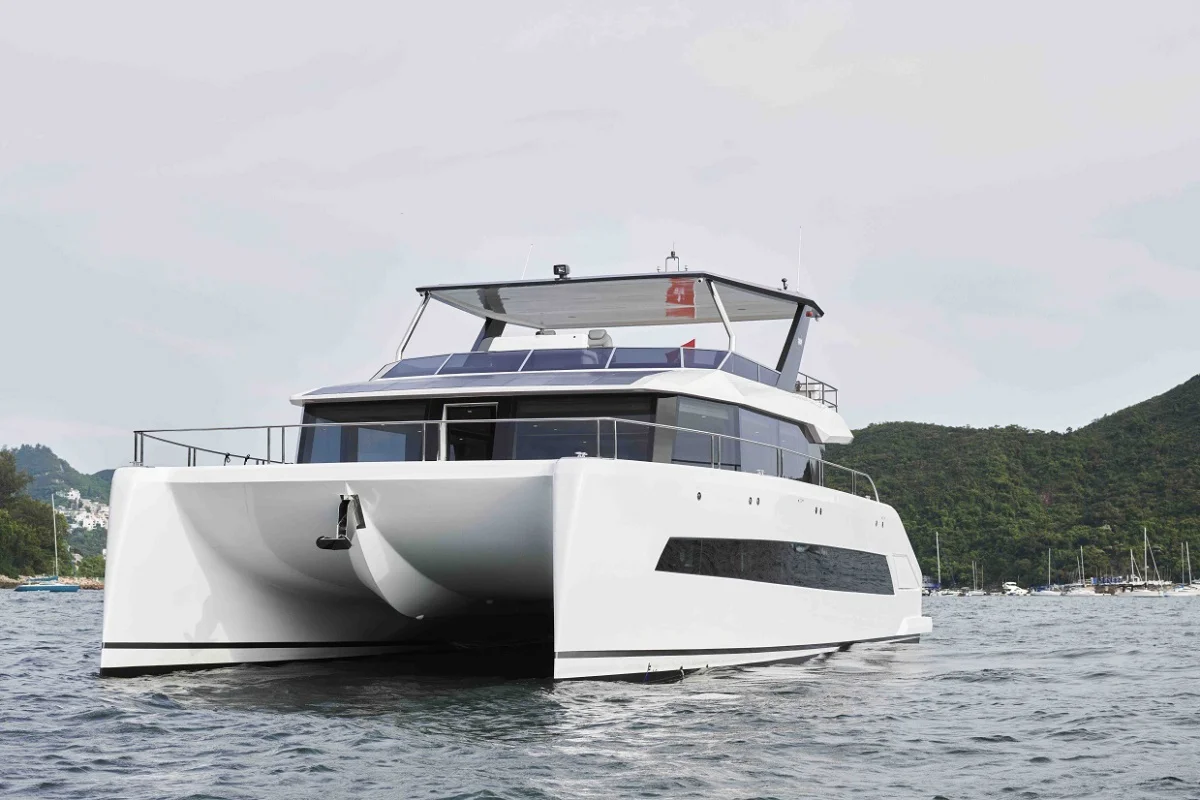
1. Comfortable Cruising & Family Life
If you plan to undertake long-distance voyages or live aboard for extended periods, a cruising catamaran is your best choice. I once recommended the Lagoon 50 to a client, whose oversized flybridge and comprehensive amenities provided them with exceptional comfort during their transoceanic journey.
Features of the Cruiser Catamaran:
- Expanded Space: Spacious decks and cabins provide an ideal environment for extended stays and recreational activities.
- Flybridge Design: Offers an ideal social area for enjoying sailing time with family and friends.
- Self-Sufficiency: Equipped with ample storage space and kitchen facilities, suitable for extended ocean voyages.
When selecting this type of catamaran, consider whether you require additional space to accommodate a large family, whether you plan to undertake frequent extended voyages, and whether you have sufficient resources and facilities to support prolonged life at sea.
2. Pursuing Speed and the Joy of Sailing
If you prioritize sailing speed and maneuverability, a performance catamaran is a better fit. I once recommended the Outremer 51 to an experienced sailor client, who chose this model for its superior handling and cruising speed.
Performance Catamaran Features:
- High-Efficiency sail plan: Enhances sailing performance, ideal for high-speed cruising.
- Slim Hull Design: Reduces water resistance, improves sailing efficiency.
- Compact Interior: Prioritizes sailing experience despite limited space.
Defining your boating needs is the first step in selecting a yacht. Determining whether you prioritize comfortable cruising or speed and performance will help you make the most suitable choice. Throughout my discussions with clients, I consistently emphasize the importance of clarifying their needs to avoid blindly pursuing boat models that are unsuitable for them.
II. Understanding the Seakeeping Performance and Stability of Catamarans
As a seasoned yacht broker, I frequently encounter clients inquiring about the sailing performance and stability of catamarans. Understanding these performance metrics helps ensure comfortable and safe voyages, particularly during extended cruises.
1. The Sailing Performance of Catamarans
The design of catamarans results in significant differences in their sailing performance compared to monohulls, particularly in terms of speed, maneuverability, and adaptability to varying water conditions.
Speed Advantage
Catamaran hull designs are typically lighter and feature lower water resistance, enabling them to achieve higher speeds during navigation. Compared to monohulls of the same size, catamarans often boast superior speed. I once recommended a high-performance catamaran to a client, who found it significantly reduced travel time, allowing him more leisure to enjoy his destination.
Navigation Stability
The IMO emphasizes in its guidelines on ship design and stability how different designs ensure the stability and safety of vessels. The unique design of catamarans, featuring two hulls side by side, provides greater stability than monohulls during navigation. This configuration effectively distributes pressure on the water surface, delivering a more stable sailing experience. I once arranged a sea trial for a client, and amidst heavy swells, he experienced the catamaran's exceptional stability, concluding it was ideally suited for extended voyages.
Maneuverability
The catamaran's two independent hulls and wider design enable effortless handling in narrow and complex waterways. I once took a client on a test run in a confined harbor, where they were amazed by the vessel's agility and precise docking capabilities.
2. Adaptability to Varying Water Conditions
The catamaran's design enables it to perform exceptionally well in diverse water conditions, making it particularly well-suited for the ever-changing marine environment.
Calm Waters
When navigating calm waters or coastal areas, catamarans typically offer superior efficiency and enhanced comfort. I once recommended a catamaran to a client planning a family vacation, and they later reported that the vessel performed exceptionally well and comfortably on lakes and near the coast.
High Winds and Rough Seas
The stability of catamarans is particularly evident in harsh sea conditions, delivering a smoother sailing experience. I recall one test sail with a client when we encountered heavy swells. The client was deeply impressed by the catamaran's steadiness in wind and waves, ultimately deciding to purchase it.
Shallow Water Areas
Catamarans typically have a shallower draft than monohulls, enabling them to navigate in shallower waters. This makes them particularly suitable for owners who enjoy exploring shoals or coastal islands. However, due to their greater width, catamarans may be less maneuverable than monohulls in some narrow waterways. Selecting appropriate sailing waters is crucial.
By understanding the sailing performance and stability of catamarans, you can select the vessel best suited to your needs, ensuring voyages that are both swift and efficient, as well as safe and comfortable.
III. Evaluation of Hull Dimensions and Spatial Layout
As a seasoned yacht broker, I understand the critical importance of hull dimensions and spatial layout when selecting a catamaran. Whether you seek a luxurious sailing experience or plan efficient cruising for a small group or family, understanding how these factors shape your boating lifestyle is essential.
1. The Importance of Hull Dimensions
When selecting a catamaran, hull dimensions directly impact sailing performance, stability, and cabin space. The right dimensions ensure optimal comfort during voyages while accommodating your living needs.
Smaller Catamarans (Approximately 30-40 feet)
Small catamarans are ideal for short trips or family vacations. They offer superior maneuverability and flexibility, making them perfect for coastal or inland waters. These vessels feature compact spaces suited for short-term use or swift cruising. I once assisted a client in selecting a 35-foot catamaran, which accommodated their family of four for weekend getaways while delivering excellent agility for fast sailing.
Midsize Catamarans (Approximately 40-50 feet)
Midsize catamarans offer more spacious decks and cabin areas, making them ideal for owners who enjoy extended voyages. They handle larger bodies of water and rougher seas with ease, delivering stable sailing performance. I once selected a 45-foot catamaran for a client, which provided comfortable bedrooms, a spacious living area, and a kitchen for their family vacations—perfectly meeting their needs.
Large Catamarans (Approximately 50 feet and above)
For owners seeking a luxurious sailing experience or planning extended expeditions, large catamarans are the ideal choice. They offer exceptionally spacious accommodations, typically featuring multiple bedrooms, bathrooms, kitchens, and lounge areas, providing the comfort needed for extended voyages. Three years ago, I assisted a client in selecting a 56-foot catamaran, perfect for their family's round-the-world adventure.
2. Spatial Layout Design
Catamaran designs differ significantly from monohulls, typically offering more living space. They are particularly suited for owners planning extended voyages or seeking comfortable cruising experiences. Below are common spatial layout features found in catamarans:

Deck Space
The spacious deck of a catamaran is ideal for hosting parties, sunbathing, or water activities. I once recommended a 50-foot catamaran to clients featuring multiple seating areas, sun loungers, and a separate lounge section—perfect for their social gatherings.
Cabin Layout
Catamaran cabins are typically distributed across two hulls, offering more living space. Each hull features a bedroom, bathroom, and kitchen, making them ideal for families or small groups seeking extended stays. During one selection process, I helped a client choose a catamaran that perfectly met their needs. Its cabin layout was exceptionally well-designed, providing the entire family with private, independent spaces while also boasting a spacious living room and kitchen.
Entertainment Facilities and Accessories
Modern catamarans often come equipped with luxurious entertainment features such as sound systems, large-screen TVs, and outdoor barbecue grills—perfect for hosting gatherings at sea. I once assisted a client in purchasing a catamaran featuring a swimming pool and large-screen TV, which perfectly met their needs for hosting parties on the water.
Storage Space
Catamarans typically offer more storage space, making them well-suited for storing gear, provisions, and water sports equipment during extended voyages. I advise clients to pay particular attention to the number and capacity of cabin storage lockers when purchasing, especially for long-distance cruising where ample storage is essential.
By carefully evaluating the dimensions and spatial layout of catamarans, you will be able to select the vessel best suited to your needs, ensuring not only outstanding performance during navigation but also sufficient comfort and convenience to meet your daily living requirements.
IV. Selection of Hull Materials and Durability
When selecting a catamaran, hull material is a critical factor that influences the vessel's durability, weight, maintenance requirements, and sailing performance. Understanding the advantages and disadvantages of different hull materials can help you make a more informed decision, thereby extending the boat's lifespan and enhancing your sailing experience.
1. The Importance of Hull Materials
According to the YATC Yacht Hull Materials Guide, selecting the appropriate hull material directly impacts a vessel's durability, weight, maintenance requirements, and sailing performance.
Below are common catamaran hull materials and their respective advantages and disadvantages:
| Materials | Advantages | Disadvantages |
|---|---|---|
| Fiberglass | Lightweight, corrosion-resistant, easy to maintain, and moderately priced. | Prolonged exposure to seawater may cause fading or deterioration. |
| Aluminum Alloy | High strength, corrosion resistance, suitable for harsh environments, low maintenance. | Prone to scratches and dents, relatively heavy. |
| Composite Materials | High strength, lightweight, durable, and excellent performance. | Higher costs, with some materials being difficult to repair. |
2. How to Select the Right Hull Material
When selecting hull materials, you need to consider multiple factors comprehensively:
Sailing Environment
If you plan to sail in tropical waters or warm regions, fiberglass and composite materials may be a better choice due to their superior corrosion resistance in seawater. However, if you intend to sail in harsh environments, the strength and impact resistance of aluminum alloy become crucial factors.
Budget
The cost of different hull materials varies significantly. Fiberglass hulls are relatively affordable and suitable for most recreational sailors. If your budget allows and you have higher performance requirements, consider aluminum alloy or composite hulls.
Boat Purpose
If your primary cruising area consists of warm coastal waters or extended voyages, composite materials may be the optimal choice due to their exceptional performance and durability. For shorter trips, fiberglass or aluminum hulls prove more practical.
Maintenance Requirements
Different materials have varying maintenance needs. Fiberglass and aluminum alloy hulls typically require minimal upkeep, needing only regular cleaning and inspection. Wooden hulls, however, necessitate periodic anti-corrosion treatment to prevent rot and insect infestation, resulting in higher maintenance costs. Selecting materials that align with your maintenance capabilities and available time is crucial.
3. Durability and Long-Term Maintenance
The durability and maintenance requirements of each material differ, directly impacting the vessel's long-term service life. Below are the maintenance cycles and care needs for different materials:
Fiberglass Hull
Fiberglass hulls typically require periodic coating maintenance, especially in environments with intense ultraviolet radiation, to preserve optimal performance and appearance. I once recommended a fiberglass catamaran to a client who performs annual coating maintenance to ensure the hull remains in peak condition.
Aluminum Alloy Hull
Aluminum alloy hulls offer strong corrosion resistance but still require regular cleaning and anti-corrosion treatment. Primary maintenance focuses on preventing scratches and dents. For customers engaged in long-term navigation, aluminum alloy hulls provide lower maintenance costs and higher durability.
Composite Hulls
Composite hulls require relatively simple maintenance, but their higher cost may necessitate professional technical support during repairs. Certain composite materials are difficult to repair, so the feasibility of maintenance should be considered when purchasing a composite hull.
Selecting the appropriate hull material is a critical decision when purchasing a catamaran. Understanding the advantages and disadvantages of different materials based on your sailing requirements, budget, and maintenance capabilities will help you make the best choice.
V. Ensuring the Safety and Technical Configuration of Catamarans
When selecting a vessel for purchase, safety is the paramount consideration for all boat owners. As a yacht broker, I consistently prioritize vessel safety, providing clients with the most suitable safety configurations to ensure worry-free navigation. Catamarans, due to their unique structure, offer distinct advantages in stability and safety compared to monohulls. However, beyond the hull design itself, attention must also be paid to other safety features and technical systems.
1. Common Security Configurations
- Automatic Stability Monitoring System: Continuously tracks the vessel's tilt angle to prevent risks from excessive inclination, particularly valuable in unstable waters.
- Marine Positioning System: Provides real-time location tracking and facilitates communication between vessels to avoid collision risks. I once assisted a client in selecting a catamaran equipped with AIS, which helped them avoid potential collisions during severe weather.
- Life-Saving Equipment: Includes liferafts, life jackets, and emergency signaling devices to ensure navigational safety. I consistently advise clients to verify equipment compliance with international safety standards and conduct regular inspections.
- Fire Protection System: Equipped with fire extinguishers and smoke detectors to enable rapid response in case of fire, ensuring crew and passenger safety.
- Vessel Communication Systems: VHF radios and satellite phones maintain contact with shore-based stations, particularly essential for offshore voyages or areas with unstable signals.
2. How to Choose the Right Security Configuration
When selecting a catamaran, you need to choose the appropriate safety configuration based on your sailing requirements. Here are some key factors to help you make an informed decision:
Navigation Zones and Environment
If your sailing primarily occurs in coastal waters, basic safety equipment such as life jackets and fire extinguishers will suffice. However, for extended voyages—particularly in open waters far from shore—it is advisable to choose a catamaran equipped with advanced safety technologies like automatic tilt monitoring systems and high-precision GPS systems.
Number of Crew Members and Activity Type
Based on the number of passengers aboard and the type of activities planned, you can select appropriate lifesaving equipment and recreational facilities. For instance, if you intend to host parties or extended family vacations, ensure sufficient life jackets and spare liferafts are available in the cabin to handle emergencies.
Budget and Priorities
High-end safety configurations and advanced technological systems undoubtedly increase the purchase cost of a vessel, but these investments are crucial for ensuring safety and comfort. When the budget allows, I would recommend clients opt for catamarans equipped with the latest safety technology to guarantee maximum security during navigation.
3. Future Development of Security and Technical Configuration
With technological advancements, the safety features of catamarans will become increasingly intelligent. For instance, autonomous navigation, smart navigation systems, and weather monitoring technologies will further enhance sailing safety and efficiency. I remain committed to staying abreast of these emerging technologies to ensure clients enjoy the safest and most intelligent sailing experience possible.
By selecting the appropriate safety configurations and technological systems, you can ensure safe, comfortable, and stable sailing in any environment.
VI. Rational Budget Planning and Boat Purchase Costs
As a seasoned yacht broker, one of my core responsibilities is helping clients select the most suitable catamaran within their budget. Throughout the yacht-buying process, budget is often one of their primary concerns. Through strategic planning and budget allocation, I assist clients in acquiring a catamaran that meets their sailing needs while managing financial risks.
1. Purchase Cost of Catamarans
The cost of purchasing a catamaran varies based on several factors. Size, design, brand, materials, as well as the vessel's interior and technical specifications all directly influence the price. Choosing between a new or used boat also significantly impacts the overall acquisition cost.
Differences Between New and Used Boats
New boats command higher prices but offer the latest technology and amenities, typically ranging from hundreds of thousands to millions of dollars. Used boats are more affordable, suitable for clients with tighter budgets, but require careful inspection of the hull's condition. I once helped a client select a used Lagoon 39, saving them $150,000 while still meeting their sailing needs.
Price Factors
- Vessel Size and Design: The dimensions of a vessel directly influence its price. Smaller boats are relatively more affordable, while larger, structurally complex vessels command higher costs.
- Materials and Construction Techniques: The hull materials used in catamarans also significantly impact pricing. Materials like aluminum alloy, composite materials, and high-end fiberglass typically command higher costs. Additionally, custom vessels with intricate construction techniques, particularly those featuring luxury designs, often see significantly elevated prices.
- Interior Fit-Out and Equipment: The level of luxury in the interior and the variety of onboard amenities influence pricing. Modern catamarans are typically equipped with advanced electronics, luxurious kitchen and bedroom designs, sound systems, and other features that contribute to the overall cost.
2. Maintenance Costs for Catamarans
Maintenance costs for catamarans constitute a regular expense for owners. Compared to monohulls, catamarans incur higher maintenance expenses due to their complex structure and the need to maintain two hulls.
Regular Maintenance
- Propulsion System: Catamarans typically feature two engines, resulting in relatively higher maintenance costs for the propulsion system. Annually, owners must spend thousands of dollars on routine engine oil changes, cooling system inspections, fuel system cleaning, and propeller repairs.
- Hull Inspection and Repair: Due to seawater corrosion, hull inspection and maintenance are critical for catamarans. Annual checks for corrosion, cracks, and damage, along with anti-fouling treatments and repairs, typically cost several thousand dollars. One client who frequently sails in tropical waters opted for regular hull inspections and anti-fouling protection at approximately $3,500—an investment that effectively extended the vessel's lifespan.
Seasonal Maintenance
For boat owners in cold regions, winter maintenance is crucial. This typically involves hauling out the vessel for freeze protection, inspecting batteries and fuel systems, and other tasks, often costing several thousand dollars. Last year, I handled winter maintenance for a client in Northern Europe at a cost of approximately $4,000, ensuring the boat remained undamaged throughout the cold season.
Equipment Upgrades and Repairs
Catamarans are typically equipped with advanced navigation, communication, and entertainment systems. As technology advances, repairing or upgrading these systems can cost anywhere from several hundred to several thousand dollars. Two years ago, I upgraded a client's onboard GPS system and audio equipment for approximately $2,500, significantly enhancing their cruising experience.
Routine Inspections and Maintenance
Regularly inspect safety equipment, communication devices, and other systems to ensure the vessel remains in good condition. Frequently used facilities may require more frequent maintenance and updates. For customers who sail year-round, I recommend scheduling a comprehensive inspection once a year.
3. Possible Additional Costs
In addition to the initial purchase price and routine maintenance costs, boat owners must also factor in additional expenses that may vary depending on the frequency and location of use.
- Insurance Costs: Depending on the vessel's value and sailing region, insurance premiums range from several thousand to tens of thousands of dollars.
- Port and Mooring fees: Costs can reach tens of thousands of dollars, depending on the vessel's size and mooring location.
- Fuel Expenses: Catamarans consume fuel at a higher rate, with fuel costs typically constituting a significant portion of overall expenses.
- Maintenance and Incident Costs: A budget must be allocated for repairs due to equipment failure or damage.
4. How to Assess Whether a Catamaran Fits Within the Budget
When considering purchasing a yacht, evaluating whether it fits within your budget is crucial. Below are some key assessment points to help you better manage your budget:
- Initial Purchase Cost: Ensure total expenses stay within budget to avoid overspending.
- Long-Term Operating Costs: Include maintenance, insurance, port fees, etc., and plan budgets accordingly.
- Additional Contingency Budget: Reserve funds for equipment repairs or unexpected expenses.
- Cost-Effectiveness: Select brands and models that meet requirements at reasonable prices.
By conducting a comprehensive assessment and budget planning for yacht acquisition costs, you can ensure not only a high-quality sailing experience but also maintain financial sustainability.
Budget and purchase costs are critical considerations for every boat owner when selecting a catamaran. As an experienced yacht broker, I am committed to providing clients with the most comprehensive purchasing advice, helping them make rational choices within their budget.
VII. Understanding Legal Provisions
When purchasing a catamaran, you need to understand the relevant legal regulations, including registration, taxation, maritime safety, and other related matters.
1. Registration and Transfer of Ownership
Vessel Registration
Purchased catamarans must be registered to ensure legal compliance. The choice of registration jurisdiction impacts tax policies, insurance requirements, and navigation restrictions. I assisted a client in registering his Lagoon 52 catamaran in the Cayman Islands to benefit from lower registration fees and favorable tax policies, making it suitable for international voyages.
Transfer of Vessel Ownership
During the yacht purchase process, ensuring the lawful transfer of ownership is crucial. Throughout this procedure, I advise clients to engage a licensed yacht broker or attorney to assist with the legal formalities of ownership transfer. Typically, transferring vessel ownership involves formal contract execution, vessel inspection, and registration procedures. Handling these processes through professionals ensures the owner obtains legitimate title to the vessel, thereby avoiding unnecessary disputes.
Types of Vessel Registration
Vessel registration encompasses different categories, primarily including temporary registration and permanent registration. Temporary registration is suitable for vessel owners planning short-term use or extended overseas voyages, while permanent registration typically applies to vessels intended for long-term operation. If you plan to navigate international waters frequently, understanding each country's vessel registration requirements and selecting the appropriate type ensures your voyages proceed without restrictions.
2. Taxation and Vessel Fees
Yacht Purchase Taxation
Tax policies for yacht purchases vary significantly across countries, making it crucial to understand these differences. I once assisted a client in purchasing a catamaran in Monaco, where the VAT exemption resulted in substantial savings.
Annual Registration Fees
Beyond the initial purchase cost of a yacht, owners must also bear the expense of annual or biennial registration fees. These fees typically cover vessel inspections, updates, and maintenance records. Registration costs vary significantly by region. For instance, annual fees are relatively low in the United States, whereas premium port cities like Hong Kong impose higher harbor and registration charges. Therefore, considering long-term annual expenses is essential when selecting a yacht purchase location.
Insurance Costs
After purchasing a catamaran, owners typically need to insure the vessel. Insurance costs vary based on the boat's value, sailing area, and frequency of use. I generally advise my clients to purchase comprehensive coverage, including protection for the hull, engines, and crew safety. Additionally, third-party liability insurance is crucial, particularly when navigation may cause damage to others' property or endanger lives. Since insurance companies and policies vary significantly, I assist clients in finding the most suitable insurance plan tailored to their specific needs.
Understanding and complying with legal regulations is crucial to ensuring the legality and safety of your vessel.
By thoroughly understanding these seven key points, you can make a more informed choice when selecting the right catamaran for you, ensuring both safe and comfortable sailing. If you're ready to purchase a catamaran, feel free to contact me. I'll provide you with expert guidance throughout the process, helping you choose the vessel that best suits your needs and ensuring your sailing dreams come true.
About the Author
Luna Rossi, a seasoned yacht broker certified by SAMS (Certificate No.: SAMS-66562), brings 15 years of experience in yacht sales, appraisals, and navigation. She is dedicated to helping clients make informed decisions in the global yacht market, balancing value for money, sailing experience, and investment potential. Whether for new yacht customization or pre-owned yacht selection, she provides expert guidance and full-process accompaniment services, ensuring every owner enjoys a safe and seamless sailing experience.
Disclaimer
The information provided herein is for reference only. Specific yacht purchasing decisions should be made based on individual needs, budget, and sailing environment. For further professional advice, please consult a yacht broker or relevant expert.