Quick Answer
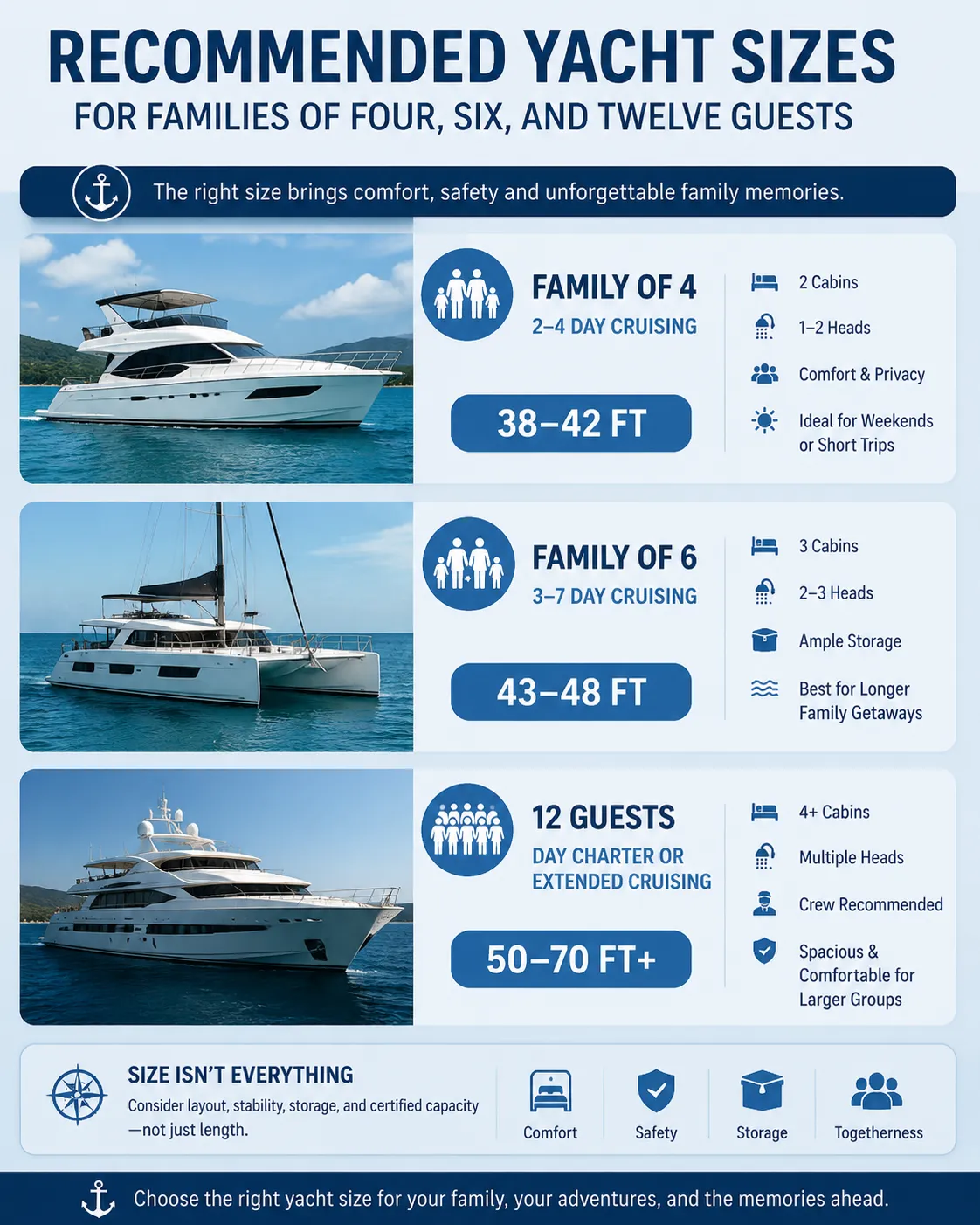
For a family of four planning weekend or 2–4 day coastal trips, start by comparing 38–42 ft monohulls or flybridge yachts and 40–45 ft catamarans. Families of five or six, or those planning longer trips, will usually benefit from 42–48 ft and at least three practical sleeping areas. However, length alone is not enough—beam, hull type, cabins, passenger certification and onboard layout matter just as much.
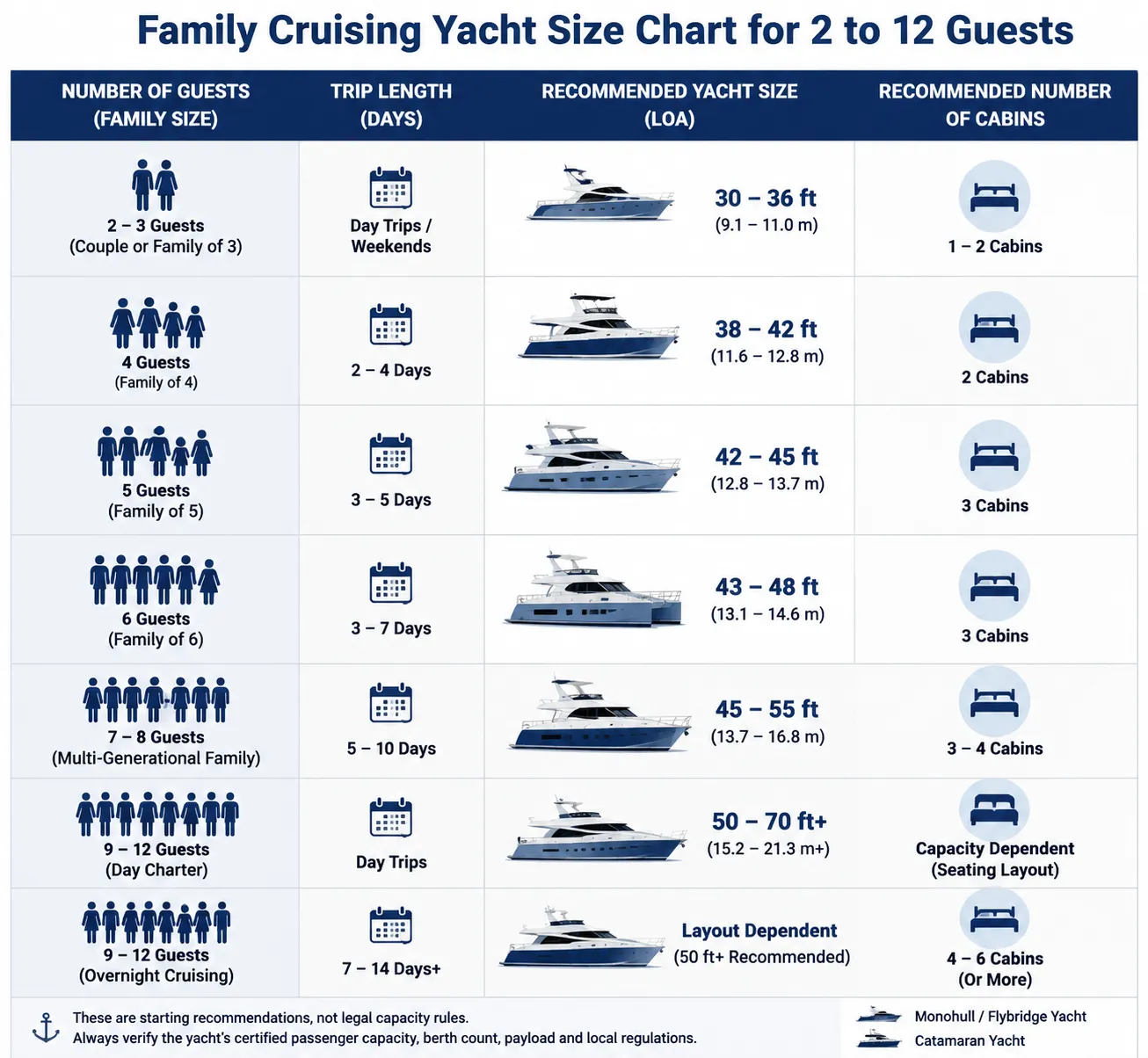
Family Cruising Yacht Size Chart
| Family or Group | Typical Use | Starting Size Range | Cabin Target | Suitable Types |
|---|---|---|---|---|
| Couple or family of 3 | Day trips/weekends | 30–36 ft | 1–2 | Sport cruiser, sailboat |
| Family of 4 | 2–4 day cruising | 38–42 ft | 2 | Flybridge, monohull, catamaran |
| Family of 5–6 | 3–7 day trips | 42–48 ft | 3 | Flybridge, motor/sailing catamaran |
| Multi-generational 6–8 | Longer holidays | 45–55 ft | 3–4 | Catamaran, larger motor yacht |
| 9–12 day guests | Day charter | 50–70 ft+ | Capacity dependent | Crewed motor yacht/catamaran |
| 9–12 overnight guests | Extended cruising | Layout dependent | 4–6 | Professionally crewed yacht |
These are starting ranges, not legal capacity rules. Always verify the vessel’s certified passenger capacity, berth count, payload and local operating requirements.
 What Size Boat for a Family of 4, 5, 6 or 12?
What size yacht for a family of four?
A 38–42 ft yacht is the most balanced choice. It typically allows two cabins, a functional saloon, and enough storage for 2–4 day trips. Catamarans in the 40–45 ft range provide significantly more stability and privacy.
What size yacht for five people?
A family of five usually needs at least 42–45 ft, especially if one cabin must be shared. Look for layouts with convertible saloon berths or a third cabin option.
What size yacht for six people?
For six people, 43–48 ft yachts or 40–45 ft catamarans are more realistic. You’ll need:
- At least 3 cabins
- Adequate storage for luggage and provisions
- Multiple bathrooms (heads)
What size yacht for 12 guests?
For 12 guests, size becomes less important than certified capacity and layout design. You typically need:
- 50–70 ft+ vessels
- Crew support or charter configuration
- Multiple cabins or day-use seating layouts
Does Yacht Type Change the Size You Need?
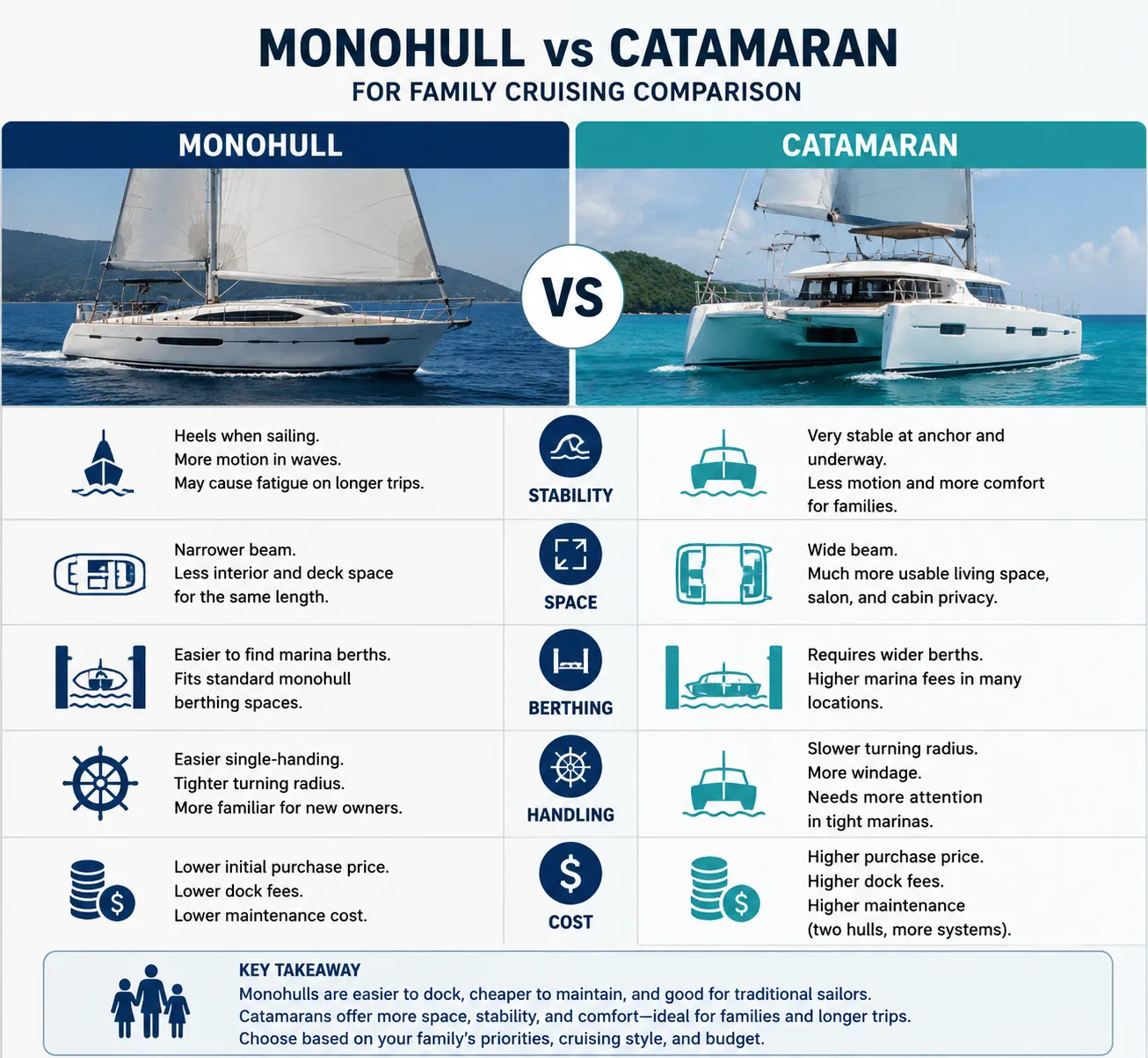
Absolutely. Two yachts with the same overall length (LOA) can feel completely different once you step aboard.For example, a 40 ft sailing catamaran can provide almost twice the usable living space of a 40 ft monohull sailboat, while a 40 ft sport cruiser may have less overnight space than either despite having the same advertised length.
That's why experienced buyers compare beam, cabin layout, heads, and usable living area—not just LOA.
| Yacht Type | Beam | Typical Cabins | Typical Heads | Usable Living Area | Best For |
|---|---|---|---|---|---|
| Monohull sailing yacht | Narrow | 2–3 | 1–2 | Moderate | Traditional cruising |
| Flybridge motor yacht | Medium | 2–3 | 2 | Large | Family comfort |
| Sport cruiser | Narrow–Medium | 1–2 | 1 | Compact | Weekend trips |
| Sailing catamaran | Very wide | 3–4 | 2–4 | Excellent | Family cruising |
| Power catamaran | Very wide | 3–4 | 2–4 | Excellent | Long-distance comfort |
The wider the beam and the better the interior layout, the less overall length you may need.
Choose Yacht Size by Trip Length
- Day trip → 28–35 ft sufficient
- Weekend → 30–40 ft preferred
- 3–7 days → 38–48 ft recommended
- Two weeks → 45–55 ft or catamaran preferred
- Full-time liveaboard → 50 ft+ with optimized storage and systems
- storage space
- freshwater capacity
- sleeping separation
- refrigeration and galley size
Cabins, Heads and Privacy Requirements
Choosing a family yacht is not just about how many people can sleep onboard, but whether the layout supports privacy, comfort, and daily living space over several days.Children sharing a cabin
Younger children usually can share a cabin safely, especially in bunk setups. This works well for short cruises and helps reduce the total cabin requirement.
Teenagers
Teenagers generally need more privacy. On yachts under 45 ft, they may use a separate cabin or convertible saloon berth, but longer trips require a dedicated sleeping space.
Elderly parents
Elderly guests benefit from easy-access, stable, and quiet cabins. Lower-motion areas and proximity to bathrooms are important, making catamarans or midship cabins ideal.
Multi-generational families
For mixed-age groups, the key is separation. Ideally:
- 3–4 cabins
- 2–3 bathrooms (heads)
- Clear division between sleeping areas
- Convertible saloon berths
Crew accommodation
For longer or assisted trips, separate crew space improves privacy and reduces onboard disruption. On smaller yachts, this is often limited or shared.
Storage and water capacity
Longer trips require more than sleeping space:
- Adequate storage for luggage
- Sufficient freshwater for showers and galley use
- Larger yachts (60 ft+) handle this significantly better
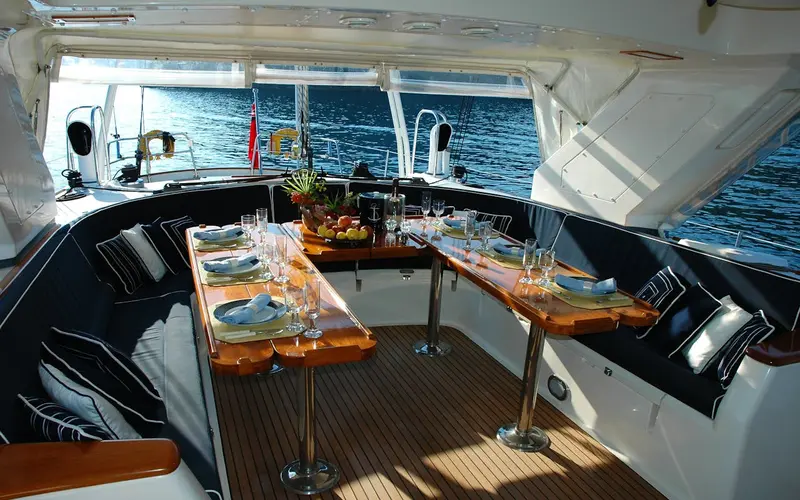
Family-Friendly Features That Matter More Than Length
In family cruising, yacht size only sets the baseline. What truly defines onboard comfort and safety is how well the yacht is designed for daily movement, shared living, and risk reduction at sea.Instead of focusing only on LOA, experienced buyers usually evaluate whether the yacht supports three core needs: safe movement, easy living, and low-stress operation.
Below is a practical breakdown of the most important family-friendly features and why they matter in real cruising conditions.
Family-Friendly Yacht Features Checklist
| Feature | Why It Matters | Family Benefit |
|---|---|---|
| Enclosed side rails | Prevent accidental falls while moving on deck | Safer for children and elderly guests |
| Non-slip deck surfaces | Reduces slipping in wet or moving conditions | Improves onboard safety during cruising & swimming |
| Easy boarding platform | Stable transition between dock/sea and yacht | Safer boarding and water access |
| Shaded cockpit | Protects from sun and heat exposure | More comfortable long cruising days |
| Separate shower compartment | Dry/wet separation improves hygiene | Better comfort for multi-day trips |
| Ventilation & air-conditioning | Controls temperature and airflow onboard | Better sleep quality and livability |
| Low steps & wide walkways | Reduces trip hazards and improves mobility | Easier movement for all age groups |
| Secure galley layout | Prevents accidents while cooking underway | Safer food preparation at sea |
| Child-safe cabin access | Limits access to restricted areas | Improves onboard safety control |
| Adequate water & refrigeration | Supports longer time onboard without resupply | Enables 2–7 day cruising comfort |
Key Takeaway
A family-friendly yacht is not defined by length alone, but by how safely and intuitively people can move and live onboard.
In practice, yachts in the 38–42 ft range (monohulls) or 40–45 ft catamarans often outperform larger yachts that lack thoughtful safety and layout design—especially for families with children or multi-generational groups.
When Does a Larger Yacht Require Crew?
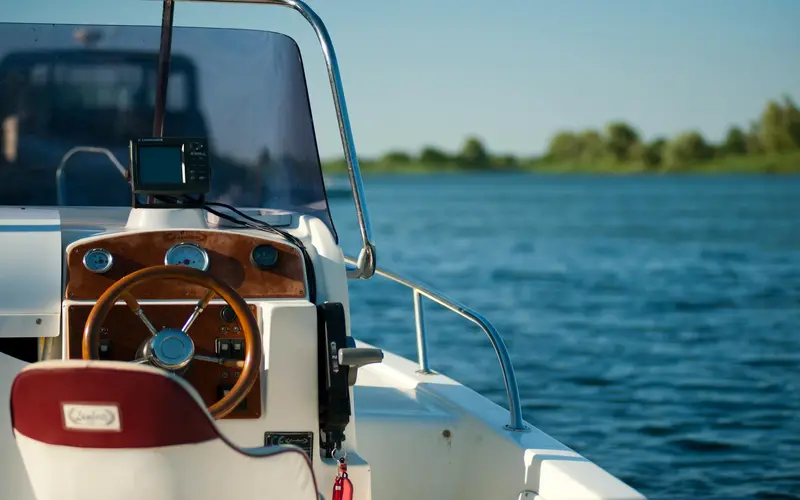
Whether a yacht requires crew is not determined by length alone. In practice, the need for crew depends on a combination of operational complexity, legal constraints, and how the yacht is used.A useful way to judge is to look at these key factors:
- Yacht type: Motor yachts with advanced systems or large catamarans with wide beams are often more challenging to handle than their size suggests.
- Licensing and regulations: Some regions require a licensed skipper or certified operator depending on vessel category or usage (especially charter or offshore operation).
- Insurance requirements: Many insurers require qualified crew for offshore cruising, night passages, or higher-value vessels.
- Navigation conditions: Night sailing, busy shipping lanes, or offshore passages significantly increase operational demands.
- Cruising area: Coastal cruising is usually manageable for experienced owners, while open-sea or long-distance routes often require support.
- System complexity: Stabilizers, watermakers, advanced electronics, and integrated control systems increase workload underway.
- Docking difficulty: Strong currents, tight marinas, or high-wind conditions can make maneuvering unsafe for solo handling.
- Owner experience: Experience level often matters more than yacht size—first-time owners tend to benefit most from crew assistance.
Crew is not a “size threshold” issue. It becomes necessary when the yacht’s systems, operating environment, and handling demands exceed what the owner can safely and comfortably manage alone.
Budget and Running Costs by Size
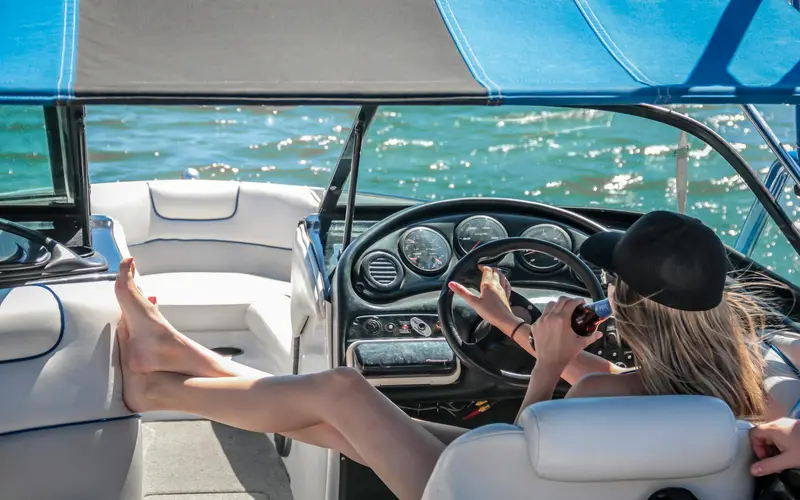
When evaluating yacht ownership costs, length is one of the most reliable indicators of long-term expenses. Unlike market-share statistics or abstract industry reports, real ownership costs scale in a very practical way with docking space, maintenance surface area, fuel consumption, and handling complexity.Below is a realistic breakdown based on common 30–55 ft cruising yachts used by families.
Budget & Running Cost Comparison by Yacht Size
| Size | Berthing | Maintenance | Fuel | Handling |
|---|---|---|---|---|
| 30–35 ft | Lower | Lower | Lower | Usually manageable |
| 38–42 ft | Moderate | Moderate | Type-dependent | Owner-operated possible |
| 43–50 ft | Higher | Higher | Higher for power yachts | Experience recommended |
| 50–55 ft+ | Significantly higher | More complex | High | Crew/support may be practical |
Try Before You Buy (Sea Trial Checklist)
Choosing a family yacht should be based on real onboard experience, not brochure specifications. Before buying, it’s important to test how the yacht actually works for your family in real conditions.Charter a Similar-Sized Yacht
Test a yacht in the same size range (e.g. 38–42 ft or 40–45 ft catamaran) to understand real space, motion, and comfort.Bring Your Family Onboard
Include everyone who will cruise regularly. Observe how children, teens, and elderly passengers feel during movement and daily use.Test Sleeping Arrangements
Check:- Who sleeps where in real life
- Night access to bathrooms
- Cabin noise and privacy
- Comfort of bunk or convertible berths
Simulate Real Storage Needs
Bring actual luggage and groceries to test:- Storage space
- Fridge and galley capacity
- Space during multi-day trips
Use the Galley in Practice
Cook a simple meal onboard to evaluate workflow, safety, and available counter space.Check Boarding & Safety Access
Test movement for all ages:- Dock boarding
- Deck safety and handrails
- Cabin and bathroom access
Do a Proper Sea Trial
Evaluate:- Stability and comfort at cruising speed
- Turning behavior
- Noise and vibration
- Helm visibility
Check Berth Availability
Confirm marina availability, mooring costs, and size restrictions before purchase.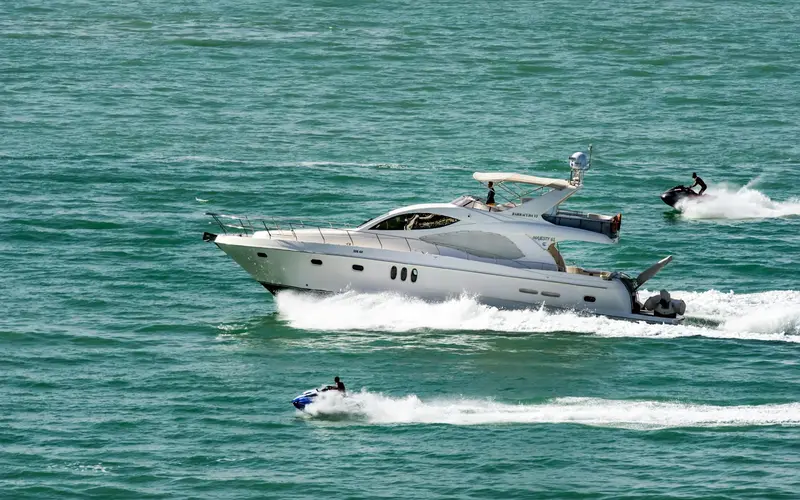
Next Step: Compare Family Yacht Types and Listings
If you’re moving from size planning to actual selection, the next step is to compare real yacht options by layout, stability, and usage style rather than focusing only on length.At this stage, it’s more effective to narrow down by category (monohull vs catamaran) and ownership type (new vs used), then review available listings that match your cruising needs.
Recommended next actions:
● Compare the Best Family Yachts Under 50 Feet
● Browse Used Catamaran Yachts for Sale
● View Used Yachts for Sale
These entry points help you transition from “what size do I need?” to “which specific yachts actually fit my family and budget,” especially when evaluating comfort, cabin layout, and long-term cruising practicality.
Riley Miller
Riley Miller is the owner of the “Serendipity” yacht, a contributing columnist for “Yachting Monthly,” and has published 17 in-depth analyses on yacht cost management. He also serves as an advisory committee member for the European Second-Hand Yacht Association (ESYA) and holds the International Yachting Certificate ICC-UK-2019C-17429, with certified cruising areas covering the Mediterranean and the western coast of the Atlantic.
Disclaimer
The content herein is for informational purposes only and is intended to share the author's personal experiences and perspectives. It does not constitute legal, tax, or investment advice. Yacht transactions involve complex legal, financial, and technical matters. Actual purchasing processes may vary due to regional regulations, vessel type differences, or individual circumstances. Before making any yacht purchase decisions, readers are advised to consult licensed professionals (such as attorneys, tax advisors, licensed yacht brokers, or surveyors) for personalized guidance tailored to their specific situation. Neither the author nor the publisher shall be liable for any direct or indirect losses arising from reliance on the information provided herein.
FAQ
Q1: What size yacht is best for a family of four?
A: 38–42 ft is the most balanced range for comfort, storage, and 2–4 day cruising.
Q2: What size boat do I need for a family of five?
A: Typically 40–45 ft catamarans or 42–48 ft monohulls with three sleeping zones.
Q3: What size yacht is comfortable for six people?
A: Around 43–50 ft, with layout efficiency and beam width becoming critical.
Q4: What size yacht do I need for 12 guests?
A: 50–70 ft+ crewed yachts designed for charter or professional operation.
Q5: Is a catamaran better than a monohull for children?
A: Yes—catamarans offer higher stability and more usable deck space.
Q6: How many cabins does a family cruising yacht need?
A: At least 2 cabins for a small family, 3+ for multi-generational cruising.
Q7: What size yacht is suitable for multi-generational cruising?
A: Typically 45–55 ft with flexible sleeping arrangements and larger beam.
Q8: What size yacht can be operated without a permanent crew?
A: Many owners operate up to ~45 ft depending on systems and experience.