Owning a yacht is a dream for most people, but veteran yachtsmen know that the cost of owning a yacht goes far beyond the initial purchase price. People who are interested in buying a yacht usually focus on the sticker price when choosing their first yacht and ignore the many expenses that follow. In this article, we delve into all the costs that will be involved in owning a yacht to help you understand the financial burden of owning a yacht.
1. Maintenance and repair costs
The marine environment is corrosive and even the finest yachts are not immune to damage. Maintenance and repair costs are a definite part of owning a yacht and need to be budgeted for from the outset. Routine maintenance includes regular cleaning, anti-fouling, engine maintenance and external repairs. Neglecting yacht maintenance can easily lead to more serious problems, resulting in a significant increase in costs. Moreover, in addition to routine maintenance, you may also face unexpected repairs to parts such as the engine, electrical system and hull. Therefore, planning a good budget for unforeseen repairs is the only way to ensure that you have enough money to deal with the problems without affecting your yacht experience.
2. Fuel and operating costs
Fuel costs can be a significant expense when sailing a yacht on open water, especially over long distances. Fuel costs are determined by the size of the yacht, the distance traveled and the speed. In addition to fuel costs, the operating costs of the yacht's navigation, communication, safety and other equipment add to the overall cost of owning a yacht. Fuel efficiency needs to be a key consideration when choosing a yacht, and most modern yachts have energy-saving technology. Proper planning of routes and maintaining the right speed for traveling can effectively reduce the fuel cost of a yacht. At the same time, regular maintenance of operating equipment can avoid high expenses due to unexpected breakdowns.
3. Depreciation
Yachts depreciate in value over time, even for a well-maintained and popular model. Depreciation, while not directly incurring out-of-pocket expenses, is a factor that needs to be taken into account if there is a subsequent intention to sell the yacht. To mitigate depreciation, you need to maintain and care for your yacht well and clean it regularly. Good routine maintenance and timely repairs can slow down depreciation.
4. Mooring and docking fees
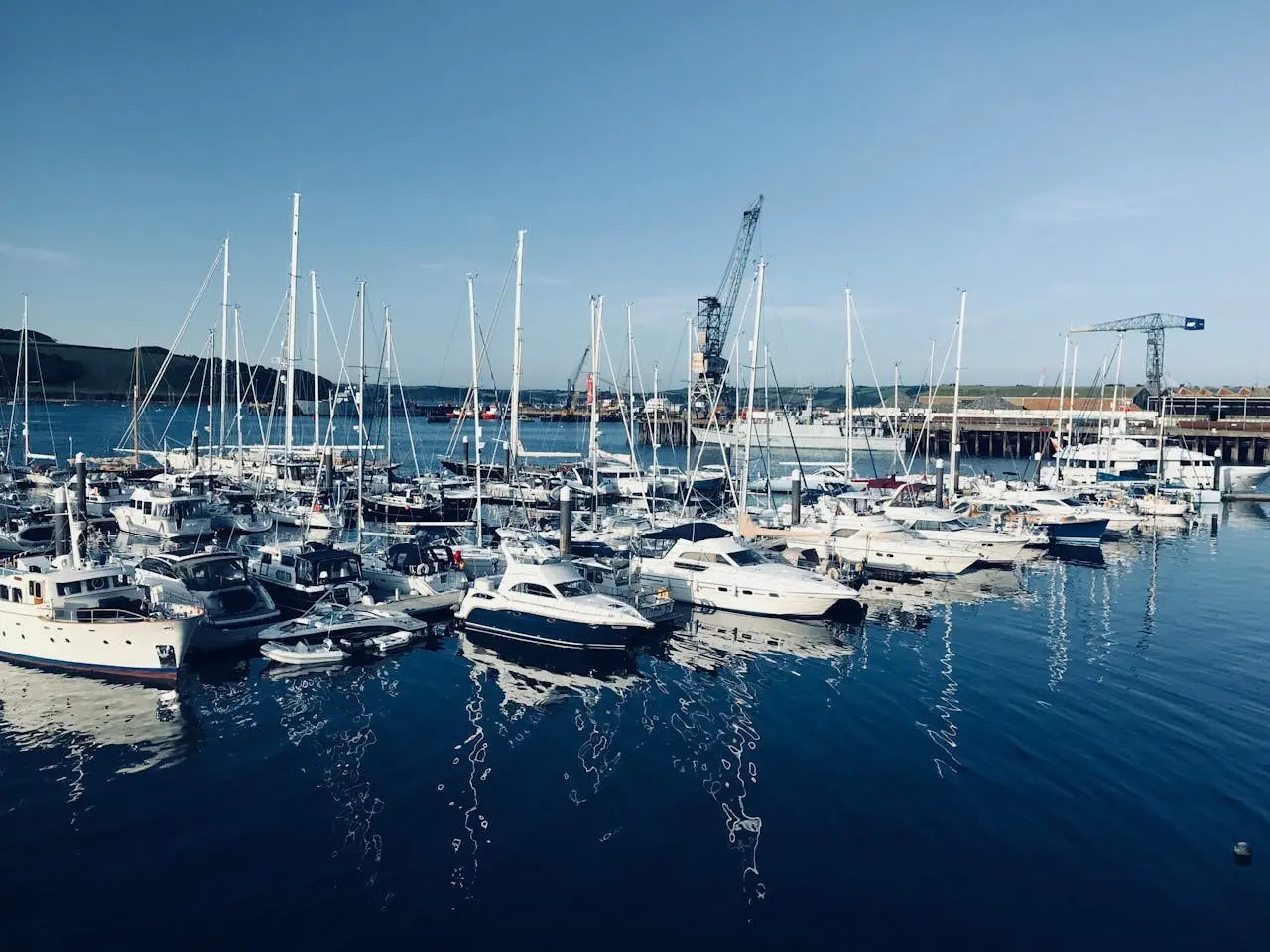
Mooring and docking is an ongoing cost of owning a yacht and is influenced by a number of factors, of which location is a key one. In popular tourist areas or city center marinas, mooring locations are in high demand and fees tend to be higher. The size of the yacht also affects mooring and docking fees, with the larger the yacht, the more mooring space required and the higher the fees. In addition, membership of a yacht club or marina affiliate may result in considerable savings. When choosing a mooring location for your yacht, learn more about the different options so that you can plan your spending in this area.
5. Insurance
After owning a yacht, it is essential to have insurance for the yacht. Insurance is an ongoing expense that provides financial protection in the event of an accident, damage or unforeseen event, and is affected by factors such as the value of the yacht, its use, the area in which it is sailing, and the experience of the owner. Yacht insurance includes liability, hull insurance and personal injury protection. Generally speaking, the insurance premium will be higher when the yacht sails in areas prone to natural disasters such as hurricanes.
6. Crew wages
Large yachts or yachts used for long trips need to hire professional crew members such as captains, sailors, engineers, chefs, and so on. A crew in the boating industry ensures the proper functioning of the yacht and enhances the experience of the owner and guests. However, the salary of the crew is an ongoing large expense, which is affected by experience, qualifications, crew size and other factors. Captains with extensive responsibilities and specialized competencies usually command higher salaries. In addition, crew members will require benefits such as accommodation, meals and insurance. Therefore, budgeting well and offering a competitive salary is critical to attracting and retaining the right crew and ensuring the yacht operates properly.
7. Storage and winterization costs
At the end of the yachting season, proper storage and winterization can be effective in protecting the yacht. Storing indoors or in a climate-controlled space may cost money, but will keep the yacht in good condition. The choice of indoor or outdoor storage depends on the climate and facilities available in your area. Indoor storage protects the yacht from weather, UV rays and vandalism. Winterization includes tasks such as flushing engines, treating water systems, and protecting hull surfaces. Doing this will extend the life of the yacht and reduce maintenance expenses.
8. Regulatory and licensing fees
There are many regulations and licensing requirements for yacht sailing, and you will incur regulatory and licensing fees when sailing, which include yacht registration, safety inspections, and so on. Failure to comply with these regulations can result in fines and penalties, so it is important to plan ahead for this expense. Different regions and different waters have different costs associated with the regulations. After selecting a yacht sailing destination, it is important to understand the local regulatory situation and you can avoid a lot of legal trouble.
9. Upgrades and customization costs
Yacht owners often customize or upgrade their yachts to meet their specific needs according to their personal preferences. Installing advanced navigation, upgrading entertainment, adding luxury features, etc. can significantly enhance the yachting experience. However, the cost of these upgrades can be a significant expense. Before going ahead with the upgrades, you need to prioritize the upgrades according to your preferences and purpose of use. Learn more about the latest technology and design trends so that you can make informed decisions that will make your yacht work better and increase its resale value.
10. Miscellaneous expenses
In addition to the major expenses, there are a number of incidental but necessary miscellaneous costs that can add up over the course of a yacht's life, such as communications, trip preparation, cleaning supplies, and updating safety equipment. It is important to budget for miscellaneous expenses and to carefully plan and record expenditures. Dedicating a fund for miscellaneous expenses can cover a wide range of situations during a yacht trip. Keeping track of these expenses will also help you find areas where you can make reasonable savings without compromising safety and the yachting experience.