Power yachts are best suited for three types of buyers:First, those who value efficiency and want a “ready-to-go” boating experience;Second, high-net-worth individuals with a stable budget who can handle long-term ownership costs;Third, buyers with clear usage needs, such as family vacations, business entertainment, or long-distance cruising.
If you prioritize time efficiency, privacy, and a high-quality lifestyle, a power yacht is an excellent choice.
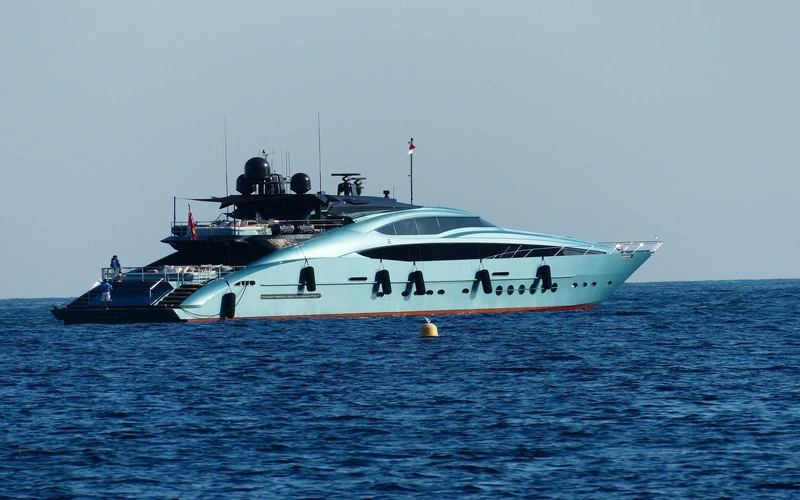
Your Usage Scenario Determines Your Buying Strategy
One of the most overlooked—but most critical—factors when choosing a power yacht is how you plan to use it. Your usage scenario directly determines the type, size, and configuration you should buy.
Weekend Leisure Users
These users typically operate in coastal waters near cities, enjoying activities like fishing, sunbathing, or social gatherings. Their core needs are “low barrier to entry + frequent use.”
For this group, 30–45 ft power yachts are ideal. The focus should be on ease of handling, lower maintenance costs, and open entertainment spaces rather than complex onboard living features.
Family Vacation Users
Family-oriented buyers prioritize space and comfort. They often stay onboard for 2–5 days or longer, requiring full living amenities such as cabins, a galley, bathrooms, and reliable power systems.
For these users, 50–70 ft flybridge yachts are recommended, with particular attention to storage capacity and onboard flow (layout efficiency).
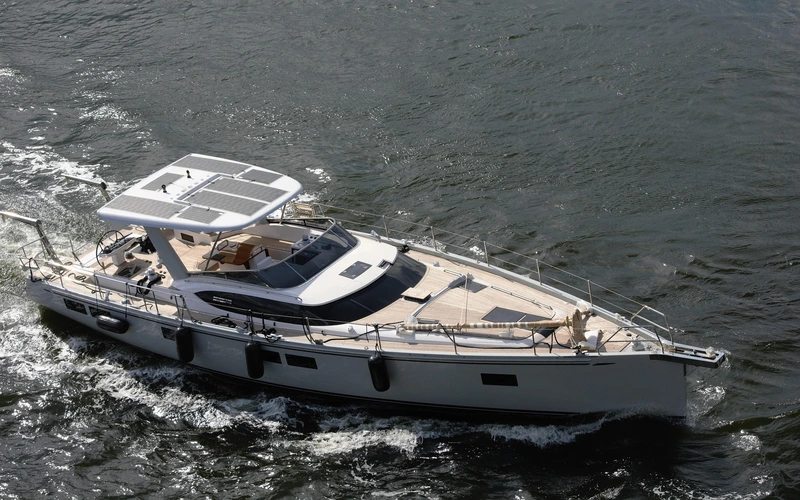
Business & Social Users
For business and social purposes, a yacht is more than transportation—it represents status and lifestyle. Design, brand, and layout become critical factors.
Typically, yachts over 80 ft are recommended, along with professional crew to ensure service quality and safety.
Long-Range Cruising Users
These are true boating enthusiasts who prioritize fuel efficiency, range, and hull stability.Explorer or trawler-style yachts are the best fit, as they are designed for long-distance cruising and extended time at sea.
How to Choose the Right Type of Power Yacht?
The key to choosing the right type is understanding your priorities: speed vs comfort, short trips vs long cruising. Each type of power yacht is designed with a different purpose.
Below is a comparison of the main types:
| Type | Best For | Usage Scenario | Advantages | Limitations |
| Flybridge Yacht | Families, social buyers | Weekend trips, gatherings | Multi-level space, great views, strong social features | Higher wind resistance, slightly less efficient at high speed |
| Sport Yacht | Younger users, driving enthusiasts | Short, fast trips | High speed, sleek design, excellent handling | Limited space, less comfort |
| Explorer / Trawler Yacht | Long-range users | Long-distance cruising | Excellent range, fuel efficiency, high stability | Slower speed, more functional design |
| Open Yacht | Entertainment-focused users | Day parties, water activities | Large open spaces, highly interactive | Weather dependent, not suitable for long stays |
In practice, flybridge yachts offer the most balanced solution for family and social use. Sport yachts are ideal for speed and excitement, while explorer yachts are best for long-term cruising and offshore adventures.
Size Selection Guide
Choosing the right yacht size is about matching your usage frequency, number of guests, and budget—not simply going bigger.
Smaller yachts are ideal for frequent, light use; mid-size yachts suit families and multi-purpose needs; larger yachts cater to luxury socializing and long-distance cruising.
For most first-time buyers, 40–60 ft is the “sweet spot,” offering a balance between onboard comfort and manageable ownership costs.
Size Comparison:
| Size Range | Best For | Usage Scenario | Key Advantages | Considerations |
| 25–40 ft | Beginners, individuals | Day trips, short outings | Easy handling, low purchase & maintenance cost | Limited space, not ideal for overnight stays |
| 40–60 ft | Families, first-time buyers | Weekend trips, short cruises | Full features (cabins, galley, bathrooms), good value | Requires moderate maintenance budget |
| 60–80 ft | Premium users | Multi-day cruising, social + family use | Spacious, high comfort, accommodates more guests | Often requires crew, more complex management |
| 80+ ft | Ultra-high-net-worth buyers | Business, long voyages | Luxury features, strong brand value, long range | Very high purchase and operating costs |
In summary, larger yachts offer a “floating villa” experience—but also significantly higher costs and complexity. The best choice is not the biggest yacht, but the one that fits your needs perfectly.
Budget Planning
A proper budget plan should focus on the total cost of ownership, not just the purchase price.
First is the acquisition cost. If you are looking to buy a new power yacht, you must consider not only the base price but also upgrades, taxes, and delivery costs. New yachts offer perfect condition and customization but come at a premium.
Second is annual maintenance. Typically, yearly expenses range from 8%–12% of the yacht’s value, including marina fees, insurance, maintenance, and crew salaries. These are recurring costs that must be planned in advance.
Third is operational cost. Fuel expenses vary depending on usage frequency and cruising distance—long-range cruising significantly increases costs.
If you have a limited budget but still want to enter the market, consider a used power yacht for sale. Used yachts are more affordable and often already past the initial break-in period, making them more stable. However, a professional survey is essential to avoid hidden risks.
Popular Power Yacht Models
Across different budgets and use cases, the following yachts are highly representative:
First, Feadship TASIA is a fully custom superyacht that represents the pinnacle of Dutch craftsmanship. Its key advantage is complete personalization—from layout to interior design—making it ideal for buyers seeking exclusivity and prestige.
👉 See Feadship TASIA

Feadship TASIA
- Build Year1997
- Length146 ft
- Cabins5
- Top speed14 kn
- TypePower yacht
Feadship TASIA is a large ocean-going luxury displacement superyacht that combines Dutch top-tier custom shipbuilding craftsmanship with stable and efficient long-range engineering design. It is specifically crafted for owners seeking global cruising capability and a prestigious maritime lifestyle experience.
Next, Chris-Craft Catalina 26 is an excellent entry-level power yacht. It offers simple operation, low maintenance costs, and strong brand reputation, making it perfect for first-time buyers.
👉 Browse ChrisCraft Catalina 26
ChrisCraft Catalina 26
- Build Year2015
- Length26.50 ft
- Top speed35 kn
- TypePower yacht
The 2015 Chris-Craft Catalina 26 is an exceptional center console boat that masterfully blends classic design with modern performance features. With a length of 26.5 feet and twin Yamaha engines delivering 400 horsepower, this meticulously maintained vessel offers both exhilarating performance and comfortable cruising.
Finally, Sunseeker 90 Ocean Enclosed stands out for its exceptional space utilization and comfort. Its enclosed flybridge design adapts well to various climates, and its interior rivals superyachts. It’s a well-balanced choice for both family use and business entertainment in the 80–100 ft range.
👉 View Sunseeker yacht for sale

Sunseeker 90 Ocean Enclosed
- Length90 ft
- Cabins4
- Top speed27 kn
- TypePower yacht
The Sunseeker 90 Ocean Enclosed is a brand-new luxury power yacht, 90 feet long, with an enclosed flybridge and four spacious staterooms, combining comfort and performance. Powered by twin MAN V12 engines, it reaches 27 knots top speed and 12-knot cruising, with a range of 1,800 nautical miles. Ideal for long-range cruising, family vacations, and social gatherings, featuring high-end entertainment and a deck configured for a tender and water toys. Operating costs include fuel, crew, and maintenance. With strong brand value and customization options, it meets the needs of private leisure and offshore adventures.
Step-by-Step Buying Process
Buying a power yacht involves multiple professional steps:
• Define your needs: Budget, usage frequency, cruising area, and whether you need crew
• Market research: Explore options through brokers, boat shows, and online platforms
• Inspection & sea trial: Essential for evaluating handling, noise, and comfort
• Negotiation: Prices are often flexible, especially in the used market
• Survey & legal checks: Ensure structural integrity and verify ownership and contracts
• Closing & delivery: Registration, insurance, and necessary training
• Operation & management: Self-manage or hire a professional management company
Conclusion
A power yacht is ultimately a lifestyle investment centered on time, space, and experience. It suits those who value privacy, efficiency, and a high-quality way of life, with clear usage needs.
From size selection to budget planning, and from yacht type to specific models, every decision should be based on rational analysis.
If you only go out occasionally, chartering may be more cost-effective. But if you want a consistent, flexible, and fully controlled life at sea, choosing to buy a power yacht is a decision worth serious consideration.
FAQ
Q1: Can a power yacht be used for long-term living?
A: Yes, but it is recommended to choose a yacht over 60 ft with full living facilities.
Q2: Should first-time buyers go for a large yacht?
A: No. It is better to start with a mid-size yacht and upgrade later.
Q3: Do power yachts hold their value?
A: They generally depreciate, but strong brands and proper maintenance can reduce depreciation.
Q4: Can I charter out my yacht to offset costs?
A: Yes, but it must comply with local regulations and requires professional management.
Q5: What professional support is needed when buying a yacht?
A: Typically includes a broker, surveyor, and maritime lawyer.