



If you go fishing at sea every month, plan to engage in inshore or deep-sea fishing over the long term, and wish to arrange your sailing schedule freely, then purchasing a fishing yacht is usually worthwhile. Compared to frequent boat hire, owning your own yacht offers greater flexibility and allows you to customise fish-finding equipment, live-wells and specialist fishing facilities to suit your personal needs.
Conversely, if you only plan to go sea fishing a few times a year, or are still at the exploratory stage, chartering a yacht is usually the more economical option. Before deciding to buy, you should carefully weigh up your frequency of trips, budget, maintenance costs and future usage requirements, rather than basing your decision solely on the yacht’s size or price.
What types of fishing yachts are suitable for different types of anglers?
Every angler’s target species, fishing grounds and style of fishing differ, so the most suitable fishing yacht will vary significantly. Some enjoy relaxing fishing trips in coastal waters at the weekend, whilst others seek the challenge of catching large tuna or swordfish; still others prioritise family outings and want a yacht that can serve both fishing and leisure holiday purposes. Rather than selecting a boat based on brand or price, it is better to first identify which category of angler you fall into and then make a choice based on your actual needs.
Weekend Leisure Anglers
For those who go sea fishing at weekends or on public holidays, the greatest value of a yacht lies in convenience and ease, rather than the pursuit of extreme performance. This group typically chooses waters close to the shore, with short trips each time, and is more concerned with ease of handling, convenience of mooring, and hassle-free maintenance.
Generally speaking, fishing yachts of around 20 to 30 feet are sufficient to meet most of the needs of this group. Yachts in this class not only have a relatively low purchase price, but their fuel consumption and routine maintenance costs are also easier to manage. For first-time yacht buyers, this size avoids the difficulty of handling an overly large hull, whilst still providing sufficient deck space for sea fishing trips for two to four people.
If the frequency of trips out to sea gradually increases in the future, upgrading to a larger model later on is a more sensible option than purchasing a large yacht from the outset.
Family Leisure Anglers
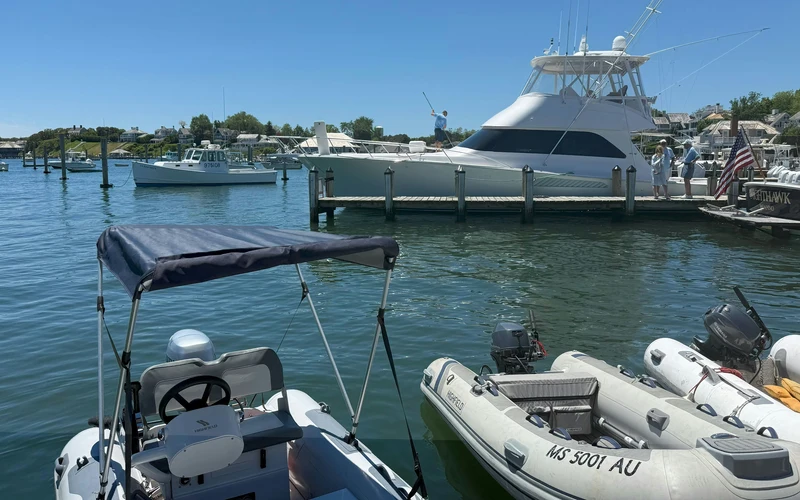
In recent years, an increasing number of families have taken up sea fishing as a weekend leisure activity; consequently, their requirements for a yacht are no longer limited to fishing alone. For this group of users, a yacht must not only offer excellent fishing capabilities but also provide a comfortable living space, allowing family members who are not fishing to enjoy their time at sea.
Yachts measuring around 30 to 40 feet typically strike a good balance between these two requirements. Compared to entry-level models, this class features a more spacious aft deck, better-equipped cabins, as well as separate toilets and a small galley, providing a more comfortable experience whether for a day’s sea fishing or a short weekend cruise.
The Touche is a model well worth considering. Not only does it feature an open-deck design that facilitates leisurely sea fishing for the owner, but it also offers comfortable living quarters suitable for a variety of scenarios, including family gatherings, inshore cruising and light fishing. For families seeking a yacht capable of serving multiple purposes, such versatile models generally offer greater value for money.
👉 View Touche for sale

Touche
- Length93.40 ft
- Cabins4
- Top speed37 kn
- TypeFishing yacht
Touche is a 28.42 meter (93.24 foot) fishing motor yacht built by Viking Yachts, launched for the first time in 2016.
Deep-sea and offshore fishing enthusiasts
If your primary targets are large species such as tuna, marlin and barracuda, standard small fishing yachts often fail to meet your needs. Deep-sea fishing typically involves longer voyages, more challenging sea conditions and extended periods of continuous sailing; consequently, the yacht must possess greater stability, a larger fuel capacity and more specialised navigation equipment.
Professional fishing yachts over 40 feet in length usually feature a deeper V-shaped hull design, enabling better performance in wind and waves whilst offering greater storage space and capacity for refrigerating the catch. These yachts are not only suitable for extended periods of sea fishing but can also carry more spare equipment and supplies, ensuring support for multi-day offshore expeditions.
When selecting a yacht in this class, owners should also fully understand the characteristics of different types of fishing boats. For example, Convertible Sportfish models are better suited to competitive trolling, whilst Centre Console models place greater emphasis on open decks and flexibility. Choosing the right hull type based on target species and frequently visited waters is often more important than simply focusing on the brand.
Competitive Anglers
Users taking part in professional sea fishing competitions typically have far higher demands on a yacht’s performance than ordinary recreational anglers. In addition to the need to reach target fishing grounds quickly, they require a yacht with excellent manoeuvrability, a well-designed deck layout and reliable electronic equipment, enabling them to adjust their course rapidly and improve operational efficiency during the competition.
The Bertram 61 has long been one of the most iconic models in the world of competitive sea fishing. It is recognised by many seasoned anglers for its robust hull structure, excellent stability on the open sea and spacious working areas. For those who regularly take part in major sea fishing competitions, or who wish to tackle large deep-sea species, this type of professional sport fishing yacht offers more reliable performance.
👉 See Bertram 61
Bertram 61
- Length61.10 ft
- Cabins4
- Top speed38 kn
- TypeFishing yacht
The Bertram 61 yacht is custom-made for open waters and cleverly combines seaworthiness, luxury, and sport fishing capabilities. The spacious and elegant space allows a large number of family, friends, and crew to join you in your efforts on the high seas. Each Bertram is designed and built by skilled craftsmen who are themselves boaters, so even the smallest details are taken into account.
Commercial Sea Fishing Charter Operators
For those running a sea fishing charter business, purchasing a yacht is more of a long-term investment. In addition to meeting professional fishing requirements, it is also necessary to balance client comfort, safety and operational efficiency.
Consequently, such operators typically opt for larger yachts featuring more spacious cabins, more comprehensive living facilities and higher brand recognition. Onboard lounge areas, galleys, bathrooms and entertainment facilities all directly impact customer satisfaction, whilst stable seakeeping performance also helps to enhance the overall quality of service.
For operators positioning themselves as providers of high-end, bespoke sea fishing experiences, the Ferretti 780 1400 is a choice worth considering. Although it is primarily a luxury motor yacht, its spacious deck areas, comfortable living arrangements and excellent seagoing qualities enable it to meet the needs of high-end clients seeking a combination of sea fishing, leisure and business hospitality, whilst also serving as an ideal platform for delivering high-quality maritime experiences.
👉 Browse the Ferretti 780 1400
Ferretti 780 1400
- Length78.90 ft
- Top speed28 kn
- TypeFishing yacht
This flybridge yacht, with its streamlined design, smooth contours, and distinctive silhouette, fulfills every wish of its owner in terms of comfort, style, seaworthiness, and maritime safety. Following a recent major refit, the hull of the Ferretti 780 yacht features extensive glass surfaces, enhancing the sportiness of its sleek and streamlined exterior. It not only comes with new furniture but also boasts an enlarged bar at the center of its standard layout, along with a redesigned interior that offers a choice between two styles: classic or modern.
Who are fishing yachts of different sizes best suited for?
When selecting a fishing yacht, many people’s first instinct is that ‘the bigger the better’. In reality, whilst larger yachts do offer greater comfort and range, they also entail higher purchase costs, mooring fees, fuel expenses and maintenance costs. For most private buyers, the truly suitable size should be based on their actual usage needs, rather than a blind pursuit of a larger hull.
Before deciding on a size, it is worth considering a few questions: How many people usually go out to sea together? Will you be operating mainly in coastal or offshore waters? Do you plan to spend the night on board? Will you be going out to sea more frequently in the coming years? The answers to these questions often play a greater role in determining which type of yacht to purchase than the budget itself.
20–30 feet: Ideal for novice sea anglers
The 20–30-foot range is the starting point for many first-time boat buyers and is currently one of the most popular sizes on the market. Yachts in this class typically accommodate two to four people on a trip, offering a satisfying experience whether for inshore lure fishing, boat fishing or light trolling.
Compared to larger yachts, the greatest advantage of smaller vessels lies in their ease of handling. For owners who have only recently obtained their licence or have limited experience, manoeuvring, turning and carrying out routine maintenance are much simpler. Furthermore, as the hull is lighter, fuel consumption is generally lower, making long-term ownership costs relatively easier to manage.
For those living in coastal cities who take to the water at weekends or on public holidays to unwind, this size strikes a good balance between budget and practicality. Should your fishing range expand in the future, upgrading to a larger model based on actual needs would be a more sensible approach than purchasing a large yacht outright.
30–40 feet: Combining family leisure with professional sea fishing
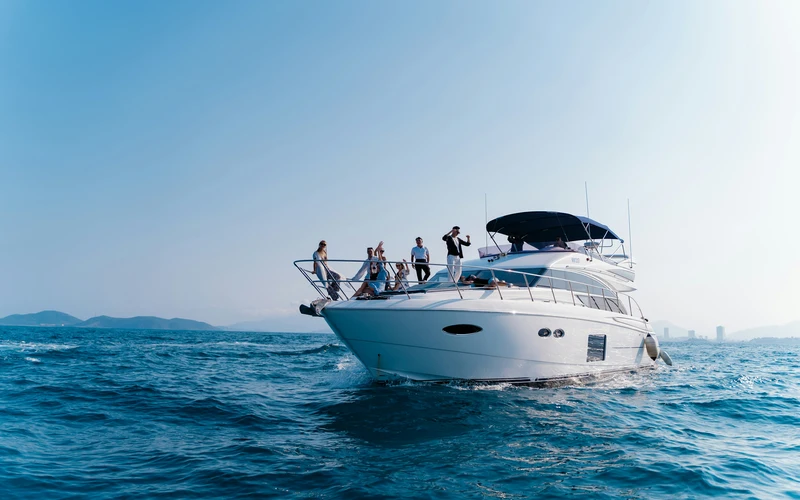
If you wish to use your yacht not only for fishing but also for family holidays, gatherings with friends and short cruises, then a 30- to 40-foot vessel is usually a more balanced choice.
The key feature of this size is a significant improvement in space utilisation. In addition to a more spacious stern fishing area, the vessel is usually equipped with a separate cabin, a toilet and a basic galley, allowing the owner to easily organise one- or two-day trips at sea. For those travelling with children or family members, even those not taking part in the fishing can rest in the cabin or enjoy the sea views, making for a more comfortable overall experience.
In terms of sailing performance, 30- to 40-foot yachts demonstrate greater stability in moderate sea conditions. Not only can they venture further from the shore in search of fish, but they also minimise the choppy ride caused by wind and waves, enhancing comfort during extended voyages.
40–50 feet: Ideal for deep-sea and multi-day fishing trips
As the size increases, a yacht becomes more than just a fishing vessel; it is more like a mobile offshore base.
The 40–50-foot class typically features larger fuel and fresh-water tanks, enabling longer-range cruising. At the same time, the vessel is equipped with additional storage space for fishing tackle, spare equipment, diving gear and provisions for several days.
For anglers who frequently target deep-sea species, this class offers distinct advantages. When cruising distances reach tens or even hundreds of nautical miles, the larger hull not only improves range but also enhances resistance to wind and waves, ensuring the crew maintains a good level of comfort and safety even in challenging sea conditions.
Furthermore, vessels in this class can typically accommodate several friends on a joint fishing trip. The spacious deck allows multiple people to fish simultaneously without compromising efficiency due to lack of space, making them highly popular amongst experienced sea fishing teams.
50 feet and above: Suitable for high-end enthusiasts and commercial operations
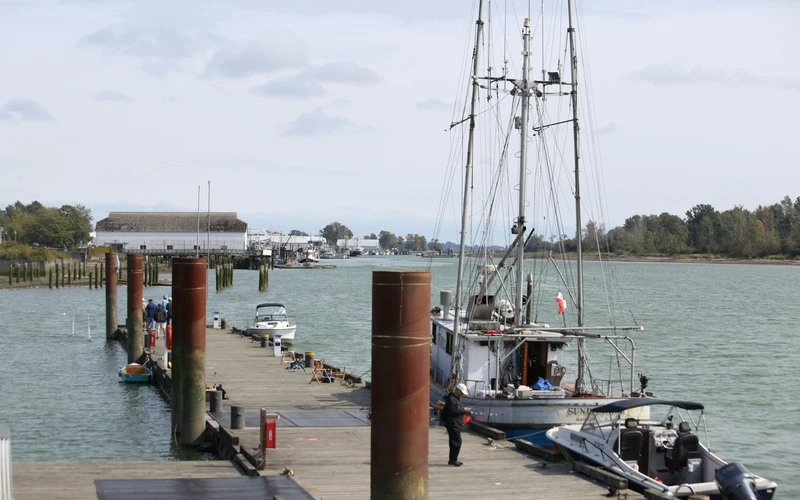
Fishing yachts measuring 50 feet or more have entered the high-end market; they are better suited to those with ample budgets, frequent users, or those planning to operate commercial sea fishing businesses.
Compared to standard yachts, large fishing yachts generally feature more comprehensive living facilities, including multiple guest cabins, en-suite bathrooms, a full-sized galley and spacious leisure areas. This ensures a high level of comfort even when living on board for several consecutive days.
For those running charter businesses specialising in sea fishing, large yachts not only accommodate more clients but also offer a more premium service experience, thereby enhancing market competitiveness. However, yachts in this category usually incur higher mooring fees, insurance costs and maintenance expenses, and some models require professional crew to assist with management. Therefore, before deciding to purchase, one should thoroughly assess the long-term operating budget rather than focusing solely on the purchase price.
What type of fishing yacht should you buy for different budgets?
Budget is a key factor influencing purchasing decisions, but many buyers tend to focus entirely on the purchase price whilst overlooking the running costs over the coming years. In fact, a yacht with a lower purchase price but high maintenance costs may not necessarily have a lower long-term ownership cost than a slightly more expensive but more reliable model.
It is therefore advisable to divide your budget into two parts: one for the purchase of the yacht itself, and the other set aside for insurance, mooring, fuel, annual maintenance and equipment upgrades. Only by taking the total cost of ownership into account can you make a more rational choice.
| Total Budget | Recommended Size | Recommended Boat Type | Suitable for |
| US$100,000–300,000 | 20–30 feet | Centre Console, Walkaround | Beginners and weekend recreational anglers |
| US$300,000–US$800,000 | 30–40 feet | Express Fishing Yacht, Sport Fishing Boat | Families and frequent sea anglers |
| US$800,000–US$2 million | 40–50 feet | Convertible Sportfish | Deep-sea and offshore anglers |
| Over US$2 million | 50 feet and above | Luxury Sport Fishing Yacht | Commercial operators and high-end enthusiasts |
If your budget is limited, prioritise reliability
For first-time yacht buyers, there is no need to stretch your budget for the sake of a larger vessel. A smaller yacht with consistent performance and a full maintenance history is often a better investment than a large vessel with luxurious fittings but difficult maintenance requirements.
Within this budget range, it is advisable to allocate funds to features that enhance the actual user experience, such as high-quality fishfinders, GPS navigation systems, autopilot equipment or upgraded rod holders. These features prove their worth on every trip out to sea, rather than merely appearing on a spec sheet.
With a moderate budget, you can balance comfort and performance
As the budget increases, buyers gain access to a wider range of yachts that combine living space with professional-grade performance. At this stage, in addition to comparing brands, greater attention should be paid to the hull structure, engine maintenance records and the configuration of electronic equipment.
Many experienced yacht owners note that a well-designed yacht that handles smoothly often provides greater long-term satisfaction than one that merely pursues luxurious fittings. Particularly for those who go out to sea every month, spacious decks, ample storage space and convenient working layouts offer greater practical value than expensive decorations.
With a high budget, long-term value is even more important
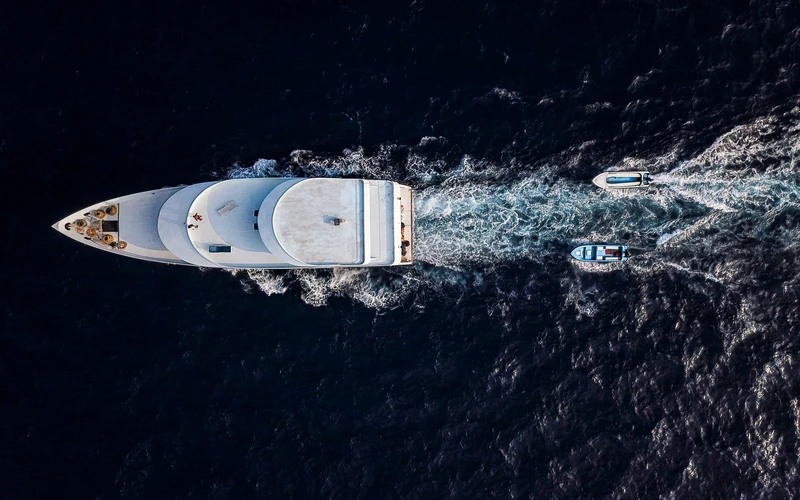
When the budget exceeds one million US dollars, buyers have more options, but they also need to pay closer attention to a brand’s resale value, after-sales service and future performance on the second-hand market.
Although luxury yachts come with extensive specifications, they also demand higher maintenance standards. From engine servicing to hull anti-fouling treatments and electronic system upgrades, each aspect requires ongoing investment. Therefore, a luxury yacht truly worth purchasing must not only meet current needs but also offer sound long-term value and stable market recognition.
For those planning to hold onto a yacht for the long term, choosing a model from a well-established brand with a comprehensive repair network and ample spare parts supply can usually effectively minimise future maintenance risks, whilst also helping to maximise its resale value.
What factors should be considered before purchasing a fishing yacht?
When selecting a fishing yacht, many people spend a great deal of time comparing brands, sizes and prices, yet overlook the factors that truly influence the user experience. If you are looking for a comprehensive guide to buying a fishing yacht, then in addition to considering the brand and your budget, you should conduct a comprehensive assessment that takes into account your frequency of use, fishing style and long-term ownership costs. In fact, whether a yacht is right for you does not depend entirely on how luxurious its specifications are, but rather on whether it can truly meet your usage needs over the coming years.
Clarify Your Usage Needs
Before purchasing a fishing yacht, you must first clarify your primary future usage scenarios. For example, will you mainly be engaged in recreational inshore fishing, or will you frequently venture into deep-sea waters? Will you be sailing with just two or three people, or will you often take family and friends along? Different usage requirements place varying demands on the yacht’s size, propulsion, range and on-board specifications. Clarifying your needs before selecting a yacht model can help you avoid issues such as insufficient space or excessive features after purchase.
Assessing Long-Term Ownership Costs
A yacht is a long-term investment. In addition to the purchase price, you must also consider ongoing expenses such as mooring fees, insurance, fuel, engine servicing and hull maintenance. Generally speaking, the larger the yacht, the higher the operating costs. Therefore, when drawing up your budget, you should factor in the ownership costs for the coming years, rather than focusing solely on the one-off investment required at the time of purchase.
Checking the Boat’s Condition and Equipment
Whether purchasing a new boat or a second-hand yacht, you should carefully inspect the hull structure, the condition of the engine and ensure that the electronic equipment is in good working order. If you are planning to buy a used fishing yacht, it is particularly important to review the full maintenance and service records and commission a professional survey organisation to carry out an inspection, in order to gain a comprehensive understanding of the vessel’s condition. At the same time, you should also confirm that the equipment—such as the fish finder, GPS navigation and livewell—meets your actual fishing requirements.
Consider Future Usage Plans
Many yacht owners, after using their vessel for several years, tend to add new electronic equipment or venture into more distant waters. Therefore, when purchasing, you should also consider future development needs—for example, whether the yacht has space for equipment upgrades, whether it is capable of longer-distance voyages, and whether there are plans to resell it or operate a sea fishing charter business in the future. Choosing a yacht with good expandability and the ability to retain its value typically results in a longer service life and higher investment value.
When is it not advisable to purchase a fishing yacht?
Whilst owning your own yacht certainly offers a more liberating sea fishing experience, it is not suitable for everyone to purchase immediately. For some consumers, chartering a yacht or joining a yacht club may actually offer better value for money, whilst avoiding the burden of long-term maintenance.
If any of the following situations apply to you, it is advisable to carefully assess your actual needs before making a purchase.
Very limited number of trips per year
If you only plan to go sea fishing a few times a year, purchasing a yacht is generally not the most economical option.
A yacht continues to incur costs even whilst moored. Whether you’re out at sea or not, you’ll still need to pay for mooring fees, insurance and routine maintenance. If you only use it for a few days on average each year, the actual cost per trip will be far higher than renting.
For those still developing their interest in the hobby, trying out different sizes and types of yachts through charter services first will help you better understand your true needs and reduce the risks associated with making a hasty investment.
Lack of Stable Mooring Arrangements
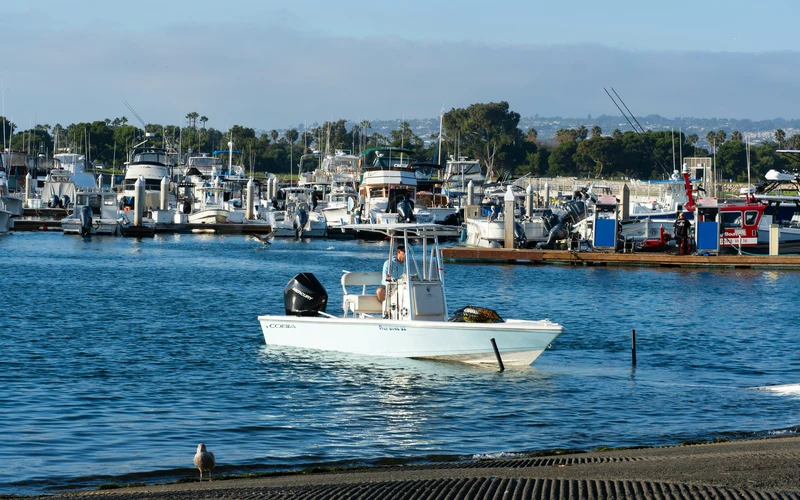
Many new boat owners focus all their attention on selecting a yacht, whilst overlooking the importance of marina resources.
In some popular harbours, berths are chronically in short supply; even after purchasing a yacht, you may have to wait a considerable time to secure a suitable berth. If the mooring location is far from your usual sailing grounds, you will need to arrange additional transport for every trip, which may also affect how frequently you use the yacht in the future.
Therefore, before deciding to purchase a yacht, it is advisable to confirm in advance whether there are available berths at local marinas and to factor the associated costs into your overall budget. Good mooring conditions not only affect convenience of use but also directly impact the quality of yacht maintenance and its long-term resale value.
Lack of sailing experience and no plans to learn in the near future
As the size of a yacht increases, the difficulty of sailing it also rises significantly. In addition to the navigation itself, this includes mooring, collision avoidance, route planning and safety management at sea, all of which require a certain amount of practical experience.
If you have absolutely no sailing experience and no plans to undertake professional training, it is not advisable to purchase a large fishing yacht straight away. Rather than rushing into a purchase, completing relevant training courses, obtaining the appropriate qualifications and gaining practical sailing experience through chartering will make owning your own yacht in the future much easier and safer.
Fishing Is Not the Primary Purpose
Another fairly common scenario is where consumers wish to purchase a yacht, but the actual purpose of use is family holidays, parties at sea, business entertainment or island cruising, with sea fishing being only an occasional activity.
Specialised fishing yachts allocate a significant amount of space to fish holds, livewells, working platforms and professional equipment; consequently, their living and entertainment areas are typically less extensive than those on cruising yachts or flybridge yachts. If sea fishing is merely a secondary consideration, then opting for a versatile motor yacht may better suit long-term usage habits, whilst also offering greater comfort and space utilisation.
Summary
There is no such thing as the ‘best choice’ when it comes to fishing yachts; what truly matters is finding the model that best suits your specific needs.
For those who frequently head out to sea, are passionate about sea fishing, and wish to have greater autonomy over their time, purchasing a fishing yacht can significantly enhance the overall experience. From selecting fishing spots to planning routes, right through to configuring specialist equipment, owning your own yacht means greater freedom and the ability to continually optimise how you use it as you gain experience.
However, if you go out to sea infrequently, have a limited budget, or are still in the exploratory phase, there is no need to rush into becoming a boat owner. By chartering yachts, trying out different models, and then formulating a purchase plan based on your own fishing habits, you can usually make a more rational decision.
When selecting a yacht, it is advisable not to focus solely on brand and price, but to take a holistic view of factors such as size, seaworthiness, maintenance costs, marina facilities and your usage plans for the coming years. Only a yacht that truly aligns with your lifestyle and fishing requirements will deliver long-term value, ensuring that every trip out at sea is more relaxed, safer and full of enjoyment.
Naturally embedded keywords in the text: ‘guide to buying a fishing yacht’, ‘buy a used fishing yacht’
FAQ
Q1: How much does it cost to maintain a fishing yacht each year?
A: Annual maintenance costs are typically dependent on the yacht’s size, frequency of use and mooring location. Generally speaking, the total annual cost of ownership amounts to approximately 8–15 per cent of the yacht’s purchase price, primarily comprising expenses such as mooring fees, insurance, fuel, engine servicing, hull maintenance and the upkeep of electronic equipment.
Q2: Do I need to obtain a licence to operate a fishing yacht after purchase?
A: Regulations vary between different countries and regions. Many jurisdictions require that operators of yachts above a certain size hold the appropriate certificate or have completed professional training. Before purchasing, it is advisable to familiarise yourself with local regulations in advance and undertake formal navigation and safety training; this not only ensures lawful navigation but also enhances safety whilst at sea.
Q3: Is it better value for money to buy a new or a second-hand yacht?
A: If you have a sufficient budget and wish to benefit from the manufacturer’s warranty and the latest specifications, a new yacht is a good choice; if you are more concerned with value for money and can find a vessel with a complete maintenance history and in good condition, a second-hand yacht also offers excellent value. Whichever option you choose, it is advisable to have a professional survey carried out before the transaction.
Q4: What is the main difference between a fishing yacht and a standard motor yacht?
A: The main difference lies in the design focus. Fishing yachts prioritise specialist fishing features, such as a spacious stern working platform, livewells, storage for the catch and fish-finding equipment; standard motor yachts, on the other hand, place greater emphasis on cabin comfort, entertainment facilities and the cruising experience, making them more suitable for family holidays or business hospitality.
Q5: As a first-time buyer of a fishing yacht, what size is most suitable?
A: For most first-time buyers, a 20- to 30-foot yacht is usually an ideal entry-level choice. This size strikes a balance between purchase cost, ease of handling and maintenance expenses, and is well-suited to recreational inshore fishing and short weekend trips. Should you find yourself heading out to sea more frequently in the future, it would be more sensible to upgrade to a larger model based on your actual needs.