Panga boat is a small multi-purpose vessel originating from Central America, featuring a slender hull, deep-V bow and open deck structure, and it is a type of fishing boat. Widely used in fishing, transportation, tourism and other scenarios, it is regarded as one of the most "pragmatic" ship types in the world.
Is the Panga boat suitable for fishing?
It is very suitable for fishing, but whether it is the “best choice” depends on the specific situation.
The design of the Pangá boat was initially driven by government and international initiatives, such as fisheries development projects involving the World Bank, which led to its widespread adoption in developing countries worldwide. According to Seamagazine, the Pangá boat is renowned for its “stability, durability, and fuel efficiency,” making it suitable for a variety of sea conditions and applications.
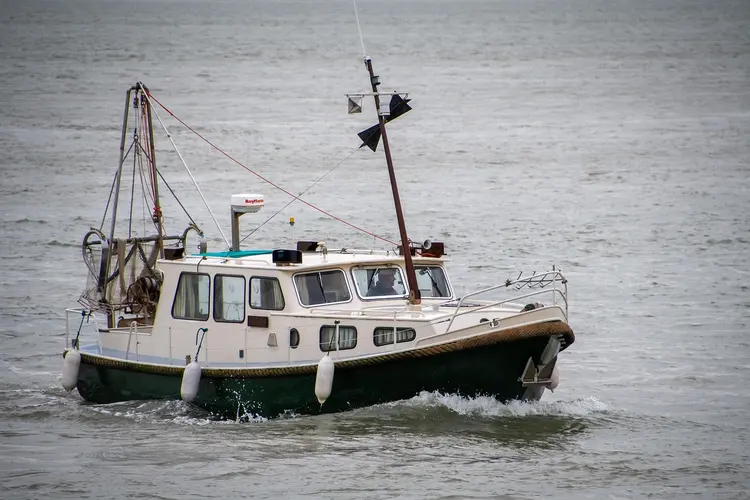
Why It’s Ideal for Fishing
Based on its structure and performance, as well as my experience taking clients out for test runs, it offers the following key advantages:
High Fuel Efficiency
Compared to traditional fiberglass speedboats, the Panga is lighter, narrower, and offers lower drag. I once conducted a real-world fuel consumption test for a client: for the same distance at sea, the Panga achieved approximately 30%–40% lower fuel consumption. Over the long term, this difference is very noticeable.
Lightweight Design for Easier Towing and Launching
Many anglers do not keep their boats permanently docked but instead opt for trailer transport. The Panga’s light weight places lower demands on both the trailer and the vehicle, making it very user-friendly for individual boaters.
Stable cruising speed
In practical use, this speed range is ideal for fishing: it allows you to reach fishing spots quickly without compromising maneuverability due to excessive speed. When I took clients out for test runs in Southeast Asia, this speed range was the most commonly used cruising setting.
Open deck design with ample workspace
The absence of complex cabin structures means there’s more room for fishing gear, a cooler, and fish boxes, resulting in higher operational efficiency.
Applications
Overall, the Pangachuan performs best in coastal and reef fishing scenarios. Thanks to its fuel efficiency, stability, and shallow draft, it can efficiently navigate complex waters; however, in deep-sea and offshore environments, its applicability is relatively limited due to size and structural constraints, making it more suitable for short-distance rather than long-distance voyages. Specific details are shown in the table below:
| Scenario | Suitability |
|---|---|
| Inshore fishing | Highly suitable, stable, fuel-efficient and high-efficiency, serving as the best application scenario |
| Reef fishing | Highly suitable, with obvious shallow draft advantages to approach complex terrain |
| Deep-sea ocean cruising | Moderately suitable; limited by size and structure, long-distance offshore navigation is not recommended |
How Much Does a Panga Boat Cost?
Based on my extensive experience communicating with clients and closing actual deals, “price” is almost always one of the top concerns for everyone. Compared to yachts, which often require investments of hundreds of thousands or even millions of dollars, the entry barrier for panga boats is much lower. However, there is still a significant range in prices, which primarily depends on size, specifications, and intended use. Simply put, panga boats offer a low entry cost but can be flexibly upgraded to meet specific needs, making them an excellent choice for users across a wide range of budgets.
Based on current market conditions and the actual sales cases I’ve encountered, panga boat prices can generally be categorized into the following ranges:
| Type | Size | Price |
| Entry-level | 16–18 ft | $8,000 – $12,000 |
| Mid-range | 20–22 ft | $14,000 – $19,000 |
| High-end | 24 ft+ | $20,000 – $25,000+ |
Key Factors Affecting Price
The price of a Pangar boat is not fixed and is primarily influenced by the following key factors:
Material: Aluminum boats are lighter and more durable, making them suitable for frequent use; fiberglass boats have a better appearance but come with slightly higher maintenance costs.
Engine Power: The engine is one of the components that contributes most significantly to price variations. Higher power means greater speed and load capacity, but it also increases fuel consumption and operating costs.
Customization Options Include:
Increased fuel tank capacity (extended range)
Fish finder/radar installation
Fishing rod holders and livewells
Sunshade system
👉 These features are very common among anglers and are the primary reasons for price variations.
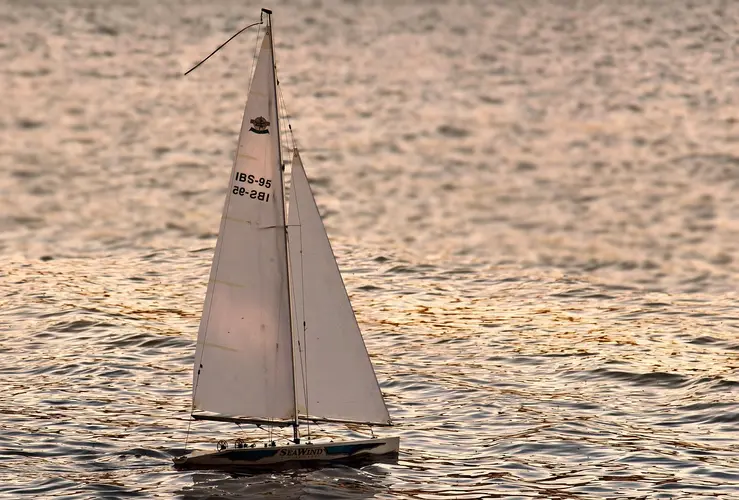
Panga Boat vs Center Console Boat
When it comes to actually choosing a boat, this is the comparison I’m asked about most often—and it’s also the most critical one. Many customers aren’t initially clear on the differences between the two; they simply have a vague notion that “both can be used for fishing and going out to sea.” However, from the perspective of design logic to long-term user experience, these two types of boats serve entirely different purposes.
Simply put: Panga boats prioritize efficiency and cost control, while center console boats emphasize comfort and overall performance. Below is a table highlighting the key differences:
| Comparison Dimension | Panga Boat | Center Console Speedboat |
| Price | Overall low price with a friendly entry threshold, ideal for budget-limited users | Generally higher prices with obvious premium for brand and configuration |
| Fuel Efficiency | Excellent performance with lightweight hull and low resistance, suitable for frequent use | Relatively lower; heavier hull and higher horsepower lead to greater fuel consumption |
| Comfort | Basic functionality first, lacking rest and sunshade space | More comfortable with seats and sunshade facilities, suitable for long-distance offshore trips |
| Seakeeping Capacity | Moderate, suitable for inshore and mild offshore conditions | Strong performance; deep-V hull adapts to complex open sea conditions |
| Entertainment Value | Low, mainly tool-oriented | High, perfect for family recreation and social activities |
Panga Sports notes that Panga boats are widely used because their low-drag hull design delivers greater fuel efficiency and longer range. In contrast, center-console speedboats have heavier hulls and more powerful engines. This is why, in the global fishing and commercial sectors, Panga boats are regarded as “high-efficiency workboats” rather than recreational vessels.
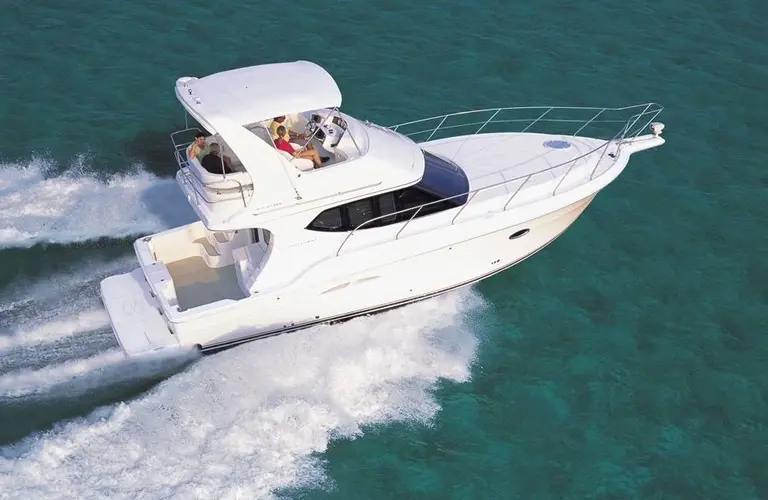
Who Should Buy a Panga Boat?
In my years of helping clients select and inspect boats, this question is actually more important than “how much does it cost?” Because the cost of choosing the wrong boat type far exceeds the cost of paying a little more. A Panga boat isn’t suitable for everyone, but for a certain type of user, it’s practically the “optimal solution.”
Simply put: Panga boats are ideal for users who “go out frequently, prioritize efficiency, and have a realistic budget.”
Who Should Buy a Panga Boat
Frequent Anglers
If you’re an angler who heads out to sea every week, a Panga boat is practically the top choice.
• Low fuel consumption, keeping long-term operating costs manageable
• Open deck with ample maneuvering space
• Simple maintenance that doesn’t interfere with fishing frequency
Beginners on a Limited Budget
For those just starting out, the Pangá boat is a very sensible choice.
• Low entry barrier
• Easy to operate with a low learning curve
• Plenty of room for future upgrades
Commercial Users
In the real world, Pangas are widely used in commercial settings:
• Fishing operations
• Short-distance island transportation
• Dive transfers
The reasons are simple: durability, fuel efficiency, and high productivity.
Value-Conscious Buyers
There is a category of customers who are not constrained by budget but are very rational:
• Do not seek brand premium
• Place greater emphasis on practical value
• Seek a higher return on investment
Overall, Pangas are best suited for users who go out to sea frequently, primarily for fishing or practical purposes, and who also prioritize cost control; whereas for those seeking a comfortable experience, family recreation, or luxury features, a yacht is a more suitable choice.
Should You Buy a Panga Boat or a Yacht?
When actually selecting a boat, many customers ask, “Should I buy a panga boat, or just go straight for a yacht?”
Essentially, this is a choice between utility and experience. Pangas are designed for practical operations, such as transporting passengers and cargo in coastal waters; they are built to withstand rough seas and are robust, with a focus on production and utility. In contrast, small, medium, and even luxury yachts are centered around leisure, comfort, private vacations, business networking, and luxurious experiences. They feature refined interiors, elegant spaces, and comprehensive recreational amenities, catering more to personal enjoyment. The positioning and intended uses of the two are entirely different.
Key Differences and Model Recommendations
Panga boats are a type of fishing vessel known for their fuel efficiency and durability, making them ideal for coastal passenger transport; Small yachts are geared toward basic recreational outings, while medium-sized yachts balance space and comfort, making them suitable for everyday sailing trips; luxury yachts, on the other hand, offer top-tier interior features and a premium onboard experience, focusing more on high-end vacations and luxurious social gatherings. These four vessel types have distinct positioning, catering to different sailing needs: essential operational requirements, leisure and entertainment, and high-end luxury. Details are shown in the table below:
| Comparison Dimension | Panga Boat | Small Yacht (20–30 ft) | Mid-Size Yacht (30–50 ft) | Luxury Yacht (80 ft+) |
|---|---|---|---|---|
| Price | High cost-performance, lowest purchase and ownership cost | Lower cost, overall affordable | Moderate pricing, balanced value | High cost, positioned as luxury segment |
| Comfort | Basic functionality, average ride comfort | Moderate comfort, meets basic outing needs | Good comfort, well-equipped interior | Extremely comfortable, fully equipped for premium experience |
| Fuel Efficiency | Very fuel-efficient, best cruising economy | Low fuel consumption, suitable for daily use | متوسط fuel efficiency, moderate power consumption | High fuel consumption, strong power demand |
| Space & Layout | Compact space, basic configuration | Moderate space, suitable for daily leisure | Spacious, fully functional layout | Expansive and luxurious, top-tier configuration |
| Usage Scenarios | Highly practical, ideal for nearshore work and short-distance transport | Leisure-focused, suitable for short trips | All-around use: leisure, parties, cruising | Luxury-focused: high-end social events, long-distance leisure travel |
| Maintenance Cost | Easy to maintain, lowest daily maintenance cost | Low maintenance cost, easy upkeep | Moderate maintenance, requires regular servicing | High maintenance requirements, expensive upkeep |
How to choose from the perspective of application scenarios
👉 Pangá Boats
Recommended Model:

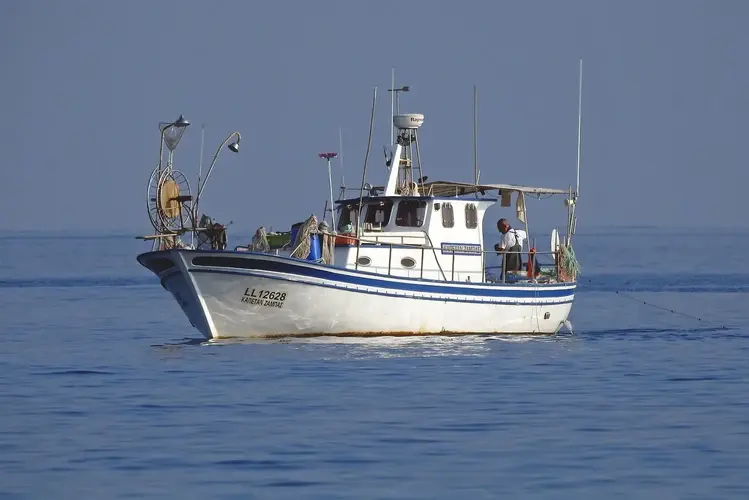
Silverton 36C
- Length37.60 ft
- Cabins2
- TypeFishing yacht
The Silverton 36 Convertible yacht pays attention to details, with an unusually spacious owner's suite and a large amount of entertainment space. The Silverton 36C truly gives a feeling of a luxurious Miami or New York penthouse. The Silverton 36C yacht has a stylish appearance and is equipped with the famous Silverton command bridge, with stairs and an efficient helmsman station.
If your priority is functionality, a Pangá boat is a highly practical choice. Originating from fishing and transport applications, these boats’ greatest strengths lie in their durability, affordability, and ability to handle challenging sea conditions.
Key Features: Offshore operations, passenger transport, fishing and deep-sea angling
Ideal for: Island operators, commercial passenger transport users, fishing industry professionals
Structurally, Pangas typically feature a deep-V hull design that effectively cuts through waves, maintaining stability even in rough coastal waters. The slender hull reduces drag and keeps fuel consumption relatively low, which is why many island regions choose them as their “workboat” of choice.
Additionally, the Pangá’s interior layout is highly “practical,” featuring an open deck and simple seating that can be flexibly adapted for passengers, cargo, or fishing gear. For commercial applications, this “highly customizable” feature is particularly valuable.
However, it’s important to note that Pangás offer limited comfort and recreational amenities. If your primary needs involve leisure experiences or social activities, they may not be the best choice.
👉 Small Yachts
Recommended Model:
Bayliner Trophy T25 Explorer
- Length25 ft
- Cabins2
- Top speed32 kn
- TypePower yacht
Bayliner Trophy T25 Explorer is a 25-foot explorer powerboat designed for both fishing and cruising. Its enclosed pilothouse ensures all-weather usability, while the dual-cabin layout supports weekend stays and family outings. Powered by a 225hp outboard, it offers reliable performance and good fuel efficiency. Positioned as an entry-level multifunctional boat, it balances practicality, cost, and ease of handling.
If you’re new to yachting and looking to enjoy a relaxing weekend on the water, a small yacht is an excellent entry-level choice.
Key Features: Short-distance cruising, recreational fishing, family gatherings
Ideal for: Yachting beginners, families, and casual recreational users
Small yachts typically range from 20 to 30 feet in length and feature a basic cockpit, lounge area, and even simple cabins. Compared to pontoon boats, they offer significantly enhanced comfort—such as padded seats, shade structures, and sound systems—making them better suited for recreational use.
In practice, these boats are ideal for day trips: head out fishing in the morning, enjoy a simple lunch, and return to port in the afternoon. They are also relatively easy to operate, making them a great choice for beginners.
However, it’s important to note that small yachts have limited range and seakeeping ability, so they are not suitable for long-distance or extended voyages.
👉 Mid-Size Yachts
Recommended Model:
Schaefer V44
- Length44 ft
- Top speed50 kn
- TypeSupercar - inspired yacht
The Schaefer V44 is an all-new luxury yacht inspired by sports cars, crafted for owners who seek the thrill of speed, the feel of control, and the ultimate visual impact. With its lightweight triple-engine configuration, the Schaefer V44 seamlessly blends the exhilaration of high-speed cruising with the comfort of everyday socialising.
When your needs evolve from simply “being able to go out to sea” to “wanting to go out to sea in comfort,” a mid-size yacht becomes the more suitable choice.
Key Features: Medium- to long-range cruising, comfortable cabin, business hospitality
Target Audience: High-budget users, business purposes, advanced enthusiasts
Medium-sized yachts are typically around 40 feet in length and begin to offer full living amenities: bedrooms, kitchens, bathrooms, and indoor and outdoor leisure areas. These vessels not only meet cruising needs but also emphasize the “experience.”
For example, in a business setting, you can host clients and host simple receptions on board; in a family setting, you can arrange overnight cruises or even short vacations.
Additionally, mid-sized yachts offer greater stability, enabling them to handle more challenging sea conditions and explore a wider range of waters. However, this comes with higher maintenance costs and mooring fees.
👉 Luxury Yachts
Recommended Model:
Chairman
- Length80 ft
- Cabins3
- TypeFishing yacht
Chairman is a luxury fishing yacht built by Palmer Johnson Yachts, measuring 24.38 meters in length.
If your aspirations have evolved from simply “going out to sea” to embracing a “lifestyle,” then a luxury yacht is the perfect choice.
Key Features: High-end socializing, onboard parties, vacation experiences
Target Audience: High-net-worth individuals, business owners, members of exclusive social circles
A luxury yacht is not merely a mode of transportation; it is a status symbol. Typically, these vessels feature multiple decks, luxurious cabins, bars, audiovisual entertainment systems, and even water toys.
In practice, these yachts are primarily used for social events, such as business entertaining, gatherings with friends, and private parties. They are also ideal for extended vacations, such as transoceanic voyages or multi-day cruises.
However, it’s important to approach this with a realistic perspective: the purchase cost of a luxury yacht is merely the “entry point”; ongoing expenses—including maintenance, crew, insurance, and mooring fees—constitute the bulk of long-term costs.
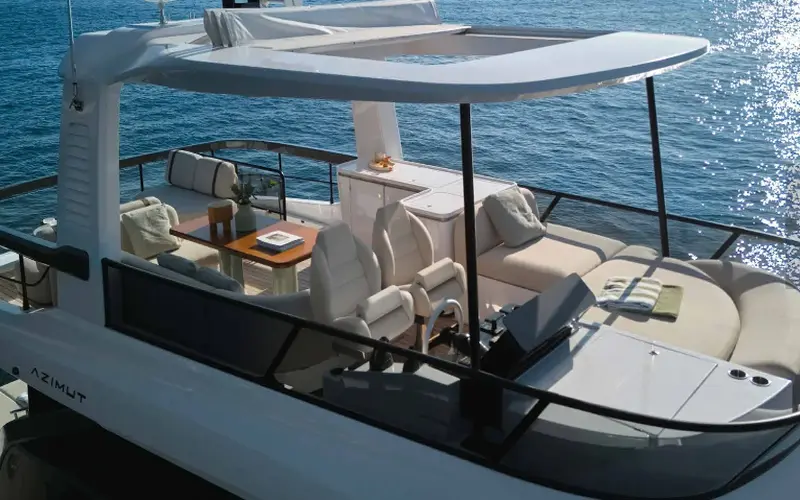
Conclusion:
From a practical standpoint, if you prioritize functionality, have a limited budget, or plan to use the boat frequently, a motorboat is usually the wiser choice. However, if you value lifestyle, social interaction, or a luxury experience, a yacht is the better option.
Ultimately, choosing between these two types of boats isn’t about which is “better,” but rather whether it aligns with your intended use and long-term cost expectations. It’s easy to make mistakes without experience—which is why I usually recommend that beginners prioritize reliable sources of information or seek professional help when inspecting a boat 👉 Get professional yacht recommendations now.
Disclaimer:
The content of this article is for reference only and does not constitute investment advice. This article has not received sponsorship from any shipyard, financial institution, or brand; the author has not been involved in any yacht brokerage transactions mentioned herein. Yacht specifications are based on publicly available information as of 2026. Actual prices may vary depending on region and market fluctuations. Actual configurations are subject to classification society certificates. Before purchasing, be sure to engage an independent surveyor, unaffiliated with the seller, to conduct a sea trial and verify the relevant certificates. Neither the author nor this platform shall be liable for any losses incurred as a result of reliance on the information provided herein. Relevant regulations and fees are subject to change; please be sure to consult the latest regulations.
About the Author:
Andrew Rogers is an experienced yacht broker specializing in the procurement and appraisal of high-end yachts and offshore fishing vessels. With extensive industry experience, he offers unique insights into offshore fishing operations and vessel configurations. Through professional services and in-depth market analysis, Andrew assists clients in making informed vessel selection decisions.
A panga is a small, multipurpose vessel originating from Central America, characterized by a slender hull, a deep-V bow, and an open-deck design. It is a type of fishing boat widely used for fishing, transportation, and tourism, and is considered one of the most “practical” boat designs in the world.
FAQ
Q1: What is a panga boat used for?
A: Panga boats are mainly used for coastal fishing, transport, and short sightseeing trips due to their lightweight design, fuel efficiency, and low maintenance.
Q2: Are panga boats safe offshore?
A: Panga boats are generally safe in calm, nearshore conditions with proper handling, but they are not suitable for rough seas or long offshore voyages.
Q3: How much does a panga boat cost?
A: Prices typically range from a few thousand to tens of thousands of dollars, depending on size, features, and brand.
Q4: Is a panga better than a yacht?
A: Neither is inherently better—panga boats are more practical and economical, while yachts focus on comfort and leisure experience.