



For most buyers, there is no definitive ‘better’ or ‘worse’ between fishing boats and sports boats; it all depends on your primary usage requirements.
If you spend most of the year out at sea fishing and are looking for a more spacious working area, better stability and professional fishing equipment, then a fishing boat would be the better choice.
If you prefer high-speed cruising, family gatherings, water sports or weekend getaways, and wish to enjoy the thrill of driving and a comfortable recreational space, then a sports boat is usually the better buy.
Below are the most obvious differences between the two:
| Comparison Criteria | Fishing Yacht | Sports Yacht |
| Primary Use | Sea fishing, inshore cruising | High-speed cruising, recreation, water sports |
| Speed Performance | Moderate | Quite fast |
| Stability | ★★★★★ | ★★★★☆ |
| Handling | Smooth and easy to control | Agile, with greater driving pleasure |
| Deck Space | Very spacious | Greater emphasis on leisure layout |
| Entertainment | Facilities | Average Extensive |
| Family Leisure | Good | Excellent |
| Professional Fishing | Excellent | Average |
In short:
• If you fish frequently, choose a fishing boat.
• If you enjoy driving and leisure activities, choose a sports boat.
• If you wish to balance family leisure, you’ll need to weigh up your budget and frequency of use.
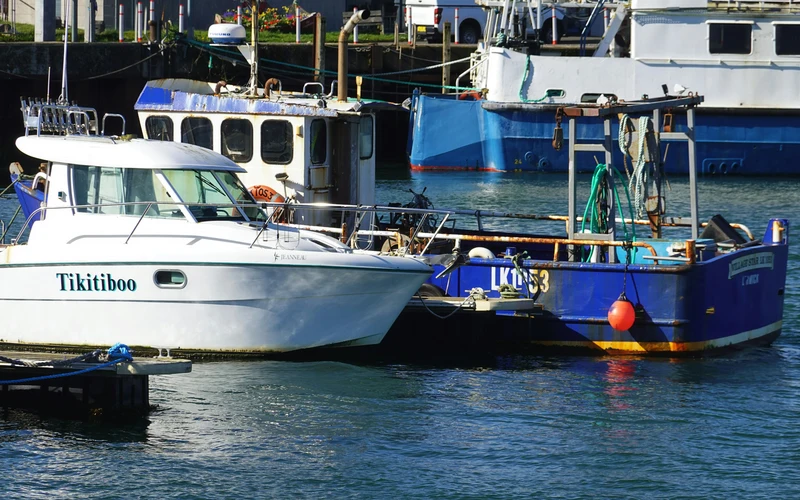
What is a fishing yacht?
A fishing boat is a vessel specifically designed for fishing activities. Its core objective is not to achieve top speed, but to provide a stable, safe and efficient fishing experience in all sea conditions.
As well as meeting the needs of serious anglers, modern fishing boats are increasingly geared towards family leisure, meaning many models are suitable not only for sea fishing but also for weekend cruises along the coast.
What are the characteristics of a fishing boat?
Compared to standard leisure yachts, fishing boats typically feature a more open deck design. This open space not only allows several people to fish at the same time but also facilitates movement and the storage of equipment.
Common features include:
• A large, open stern deck
• A livewell
• A chilled fish hold
• A rod storage system
• Fishfinders and navigation equipment
• Non-slip decking
• Multiple bait storage compartments
• Optional T-top or hardtop sunshade
These features are all designed to enhance fishing efficiency rather than to add recreational functions.
Why are fishing boats more stable?
When sea fishing, boats do not spend most of their time travelling at high speed; instead, they are usually at anchor, drifting slowly or cruising at a leisurely pace. Consequently, fishing boats typically feature a wider hull, greater buoyancy and a more stable hull design.
This design offers several distinct advantages:
• Less rocking when at anchor
• Greater stability when several people are moving on the same side of the boat
• Easier casting
• Easier to maintain balance when a large fish is hooked
• A greater sense of security in offshore winds and waves
For those who frequently go out to sea, this stability is more important than top speed.
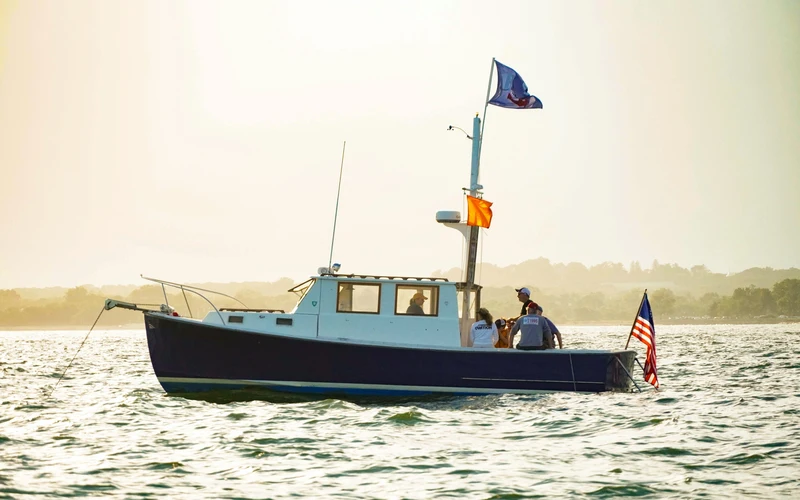
What scenarios are fishing boats suitable for?
Fishing boats are not only suitable for professional sea fishing but also for a wide range of outdoor activities. For example:
- Sea fishing: This is the primary use of a fishing boat. The open deck and specialist equipment significantly enhance fishing efficiency.
- Inshore cruising: Many families use fishing boats to visit nearby islands, bays or sandbanks. Whilst not as comfortable as larger cruisers, they are perfectly adequate for a day’s leisurely trip.
- Group outdoor activities: Thanks to their spacious stern area, fishing boats are also well-suited to gatherings with friends, snorkelling, photography and simple camping trips. If your lifestyle revolves primarily around outdoor activities, a fishing boat is generally more practical than a sports boat.
Recommended Fishing Boat Examples
For those looking to purchase a fishing boat, in addition to understanding the different types of fishing boats, referring to specific models can help narrow down your choices. The following models are suitable for different budgets and usage requirements:
The Lamplighter is ideal for those wishing to combine family leisure with inshore fishing. With a practical deck layout and ample space for activities, it offers a comfortable experience whether for weekend sea fishing or short cruises, making it a worthwhile option for beginners and families.
👉 See Lamplighter

Lamplighter
- Length80.50 ft
- Cabins3
- Top speed40 kn
- TypeFishing yacht
The Lamplighter fishing yacht is a luxury motor yacht built by Viking Yachts, specifically designed to deliver an unparalleled fishing experience.
The Catch is a more practical fishing boat; its open deck facilitates fishing by multiple people simultaneously and offers ample storage space for tackle, making it suitable for owners who frequently engage in inshore or offshore fishing. If you prioritise fishing efficiency over luxury features, this type of boat typically offers better value for money.
👉 View Catch for sale
Catch
- Length87 ft
- Cabins4
- Top speed26 kn
- TypeFishing yacht
Catch is a 26.6 meter motor fishing yacht built by renowned Dutch shipbuilder Feadship, first launched in 1984. Combining elegant design with high performance, this yacht is ideal for both fishing and luxury cruising.
The Silverton 36C is a classic flybridge fishing yacht that strikes a fine balance between professional fishing capabilities and cruising comfort. Equipped with a spacious cockpit, comfortable interior living quarters and stable handling, it is not only suitable for sea fishing but also meets the needs of family weekend cruises and short sea voyages.
👉 Browse the Silverton 36C yacht
Silverton 36C
- Length37.60 ft
- Cabins2
- TypeFishing yacht
The Silverton 36 Convertible yacht pays attention to details, with an unusually spacious owner's suite and a large amount of entertainment space. The Silverton 36C truly gives a feeling of a luxurious Miami or New York penthouse. The Silverton 36C yacht has a stylish appearance and is equipped with the famous Silverton command bridge, with stairs and an efficient helmsman station.
Whichever fishing boat you choose, it is advisable to make a comprehensive assessment based on your budget, sailing area, number of passengers and frequency of use, rather than simply pursuing larger dimensions or higher-end specifications. For first-time boat buyers, selecting a model that best meets your practical needs is usually more important than choosing the one with the most features.
What is a sport yacht?
Sport boats place greater emphasis on speed, manoeuvrability and the recreational experience. Compared to fishing boats, they are more akin to high-performance sports cars, prioritising the joy of driving and social interaction over professional operational capabilities.
In recent years, sport boats have become one of the fastest-growing boat types in the family leisure market; many buyers purchase them not for long-distance cruising, but to enjoy leisure time at sea at the weekend.
What are the characteristics of sports boats?
Sports boats typically feature a more streamlined design, a more powerful propulsion system and a more luxurious cabin environment.
Common features include:
• High-powered inboard or outboard engines
• Luxury seating
• Sunbathing platform
• Bluetooth audio system
• Wet bar
• Swimming platform
• Bow lounge seating
• Sun awning
These designs are geared more towards comfort and entertainment than professional fishing.
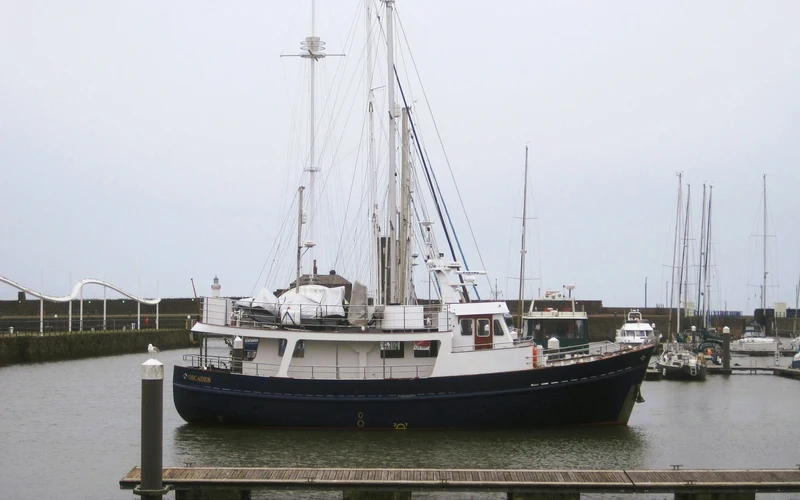
Why are sports boats faster?
Sports boats typically feature a lighter hull paired with a higher-horsepower engine.
Consequently, they offer:
• Faster planing speed
• Higher top speed
• More responsive steering
• a more exhilarating driving experience
Many sport boats around 30 feet in length can reach top speeds of 40 to 60 knots, whilst some high-performance models can go even faster. If you enjoy driving a boat at high speed across the water, this is precisely the greatest appeal of a sport boat.
What are sport boats suitable for?
- Family weekend getaways: Spacious, comfortable seating and a wealth of entertainment features make sport boats ideal for taking the whole family out to sea.
- Water sports: Whether it’s towing a water ski, wake surfing or using inflatable toys, performance boats usually provide ample power.
- Beach parties: Many boat owners moor their performance boats in a bay to swim, chat, have a barbecue and enjoy the sunset with friends.
If your aim is to enhance your leisure experience at sea rather than focusing on fishing, then a performance boat will generally better suit your needs.
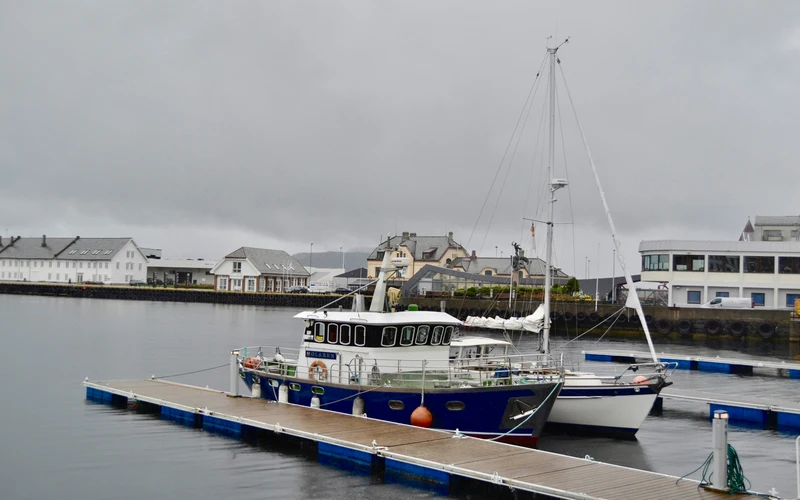
Fishing Boats vs Sports Boats: A Comparison of Core Performance
For those looking to purchase a yacht, performance is often one of the most important factors to consider. However, ‘performance’ does not simply mean top speed; it also encompasses stability, manoeuvrability, fuel efficiency, range and performance in varying sea conditions.
Although both fishing boats and sports boats are motorboats, their differing design objectives result in distinct differences in the actual sailing experience.
Speed Performance: Sports Boats Have the Edge
When comparing top speeds alone, sports boats generally have a clear advantage over fishing boats. Sports boats feature a more streamlined hull design and are fitted with more powerful engines, enabling them to reach planing speed quickly and offering faster cruising speeds and better acceleration on calm waters.
For those who enjoy high-speed cruising, this provides a more exhilarating experience and reduces the time taken to reach and return from destinations.
In contrast, fishing boats prioritise cruising efficiency over top speed. They typically cruise at speeds of 20 to 35 knots, which is more than sufficient for most inshore activities.
Who should choose a sports boat:
• Those who enjoy high-speed cruising
• Those who frequently undertake short cruises
• Those seeking responsive handling
• Those who enjoy water sports and towing activities
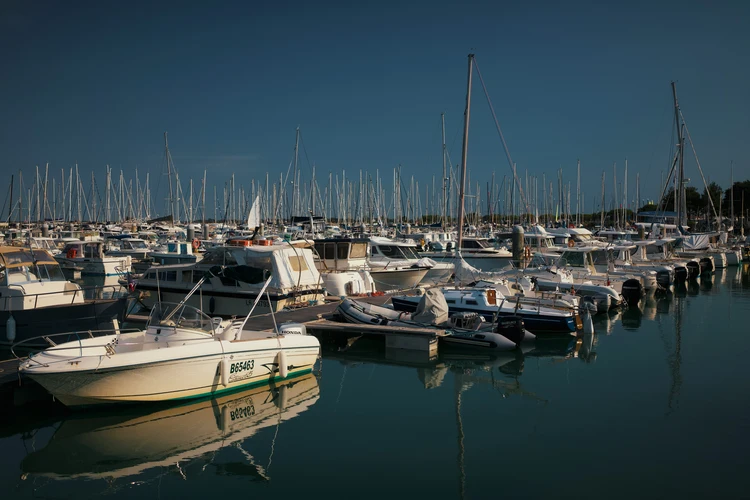
Stability: Fishing boats are better suited to challenging sea conditions
Stability is one of the greatest advantages of fishing boats. During sea fishing, the vessel often needs to come to a halt, drift at low speed or move slowly. If the hull sways excessively from side to side, it not only affects the fishing experience but may also compromise safety.
Consequently, most fishing boats feature wider beams, deeper V-shaped hulls or specially optimised hull structures to enhance stability whilst stationary or travelling at low speeds.
Sport boats, on the other hand, are geared more towards high-speed performance. Whilst they maintain good stability at high speeds, their side-to-side roll is typically more pronounced than that of fishing boats when the vessel is moored or drifting.
If you plan to frequently anchor for fishing in coastal or offshore waters, a fishing boat will provide a more comfortable and safer experience.
Handling Experience: Each Has Its Own Characteristics
Both fishing boats and sports boats offer good handling performance, but the driving experience is entirely different.
Fishing boats handle more smoothly and can maintain a steady course even in light winds and waves. This characteristic is ideal for long-distance cruising and carrying multiple passengers.
Sport boats, on the other hand, emphasise agility and responsiveness. They respond more quickly to steering inputs, typically have a tighter turning circle, and offer greater driving pleasure at high speeds.
If you prioritise the driving experience, a sport boat is generally the more appealing choice; if you value a relaxed, hassle-free cruising experience, a fishing boat is more suitable.
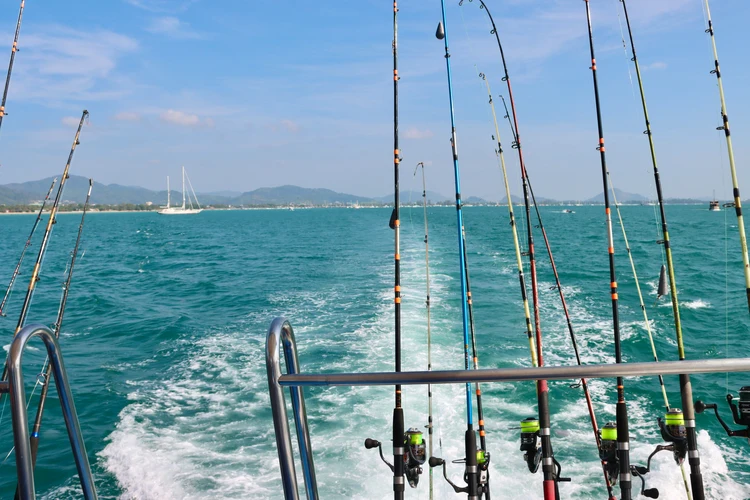
Fuel Efficiency: Cruising Style Determines Actual Fuel Consumption
Many buyers assume that sports boats are inevitably more fuel-hungry than fishing boats, but the reality is not quite so straightforward. Fuel consumption is primarily influenced by the following factors:
• Number of engines and horsepower
• Cruising speed
• Hull weight
• Sea conditions
• Distance travelled
For boats of the same size, if both are operated at an economical cruising speed, the difference in fuel consumption is usually not particularly significant. However, as sports boats are better suited to maintaining high cruising speeds for extended periods, annual fuel costs in actual use are often higher than those of fishing boats.
For boat owners who frequently undertake long-distance voyages, managing cruising speed sensibly is more effective at reducing fuel costs than simply comparing boat types.
Comparison of Comfort and On-Board Experience
Aside from performance, comfort is also a key factor influencing purchasing decisions. Many people are initially drawn to luxurious seating or a stylish exterior when boarding a boat for the first time, but what truly determines the long-term user experience is often the layout, ease of movement and comfort in different scenarios.
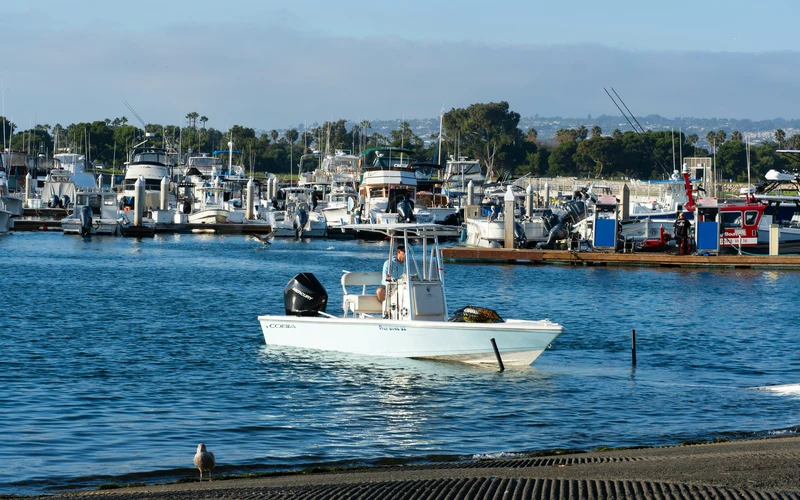
Deck Space: Fishing Boats Are More Spacious and Practical
Fishing boats typically feature larger open decks, as their design prioritises group fishing and the handling of equipment. The spacious stern not only facilitates casting, reeling in and moving about, but also ensures that the boat does not feel cramped when several people are on board at the same time.
If you need to stow cool boxes, diving gear, camping equipment or other bulky items, fishing boats generally offer superior storage capacity.
For those who enjoy outdoor activities, this practical layout offers greater efficiency of use.
Seating and Leisure Areas: Sport Boats Offer Greater Comfort
Sport boats, on the other hand, dedicate more space to enhancing the passenger experience. Common features include:
• Surrounding sofas
• Adjustable luxury seats
• Bow sunbathing mats
• Wet bar and drinks area
• Bluetooth entertainment system
• Sun awnings
• Swimming platforms
These design features transform a sports boat into a mobile maritime lounge, making it ideal for family gatherings and outings with friends. If your main activities involve socialising, sunbathing, swimming or enjoying the sea views, a sports boat will generally offer a higher level of comfort.
Family Day Out Experiences
For families with children, both types of boat are suitable for weekend trips out to sea, though the experiences differ.
Fishing boats are ideal for families who enjoy exploring nature, fishing and snorkelling; children can take part in a wider range of outdoor activities, whilst adults have ample space to man the boat. Sport boats, on the other hand, are better suited to families prioritising leisure and entertainment. Spacious, comfortable seating, convenient boarding platforms and a wide range of entertainment facilities ensure that both the elderly and children can easily enjoy their time at sea.
If family holidays make up the majority of the year, sport boats are generally more likely to be favoured by the whole family.
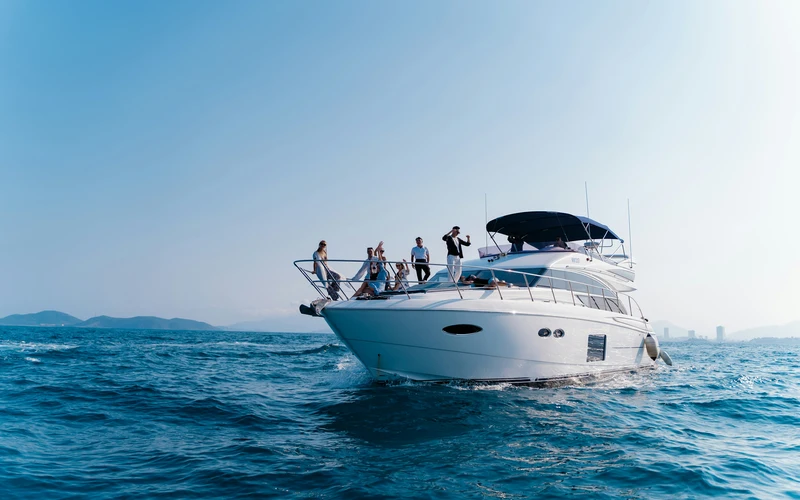
Social Experiences for Groups
For those who enjoy inviting friends out to sea, sport boats usually offer greater advantages.
Open-plan leisure areas, sound systems and comfortable seating create a relaxed and enjoyable social atmosphere, making them ideal for birthday parties, sunset cruises or bay parties. Whilst fishing boats can also accommodate multiple people, more space is allocated to specialist equipment and working areas, resulting in a relatively less convivial atmosphere.
Best Uses: How to Choose Based on Your Needs
Although both fishing boats and pleasure craft can meet everyday recreational cruising needs, they each have their own advantages in different usage scenarios. Before purchasing, rather than agonising over which type of boat is ‘better’, it is better to first clarify the maritime activities you engage in most frequently throughout the year.
Below, we analyse which type of boat is a better choice based on several common usage scenarios.
Sea Fishing and Offshore Fishing: Choosing a Fishing Boat
If your primary aim is sea fishing, then a fishing boat is almost undoubtedly the best choice.
Professional fishing boats not only feature spacious, open decks, but are also equipped with livewells, rod racks, fish holds, bait storage areas and specialist electronic equipment, making the entire fishing process more efficient.
Furthermore, fishing boats offer superior stability when at anchor or drifting at low speed; even when several people are gathered at the stern, the boat does not list excessively. This stability enhances comfort and contributes to greater safety.
If you plan to go sea fishing regularly, or make monthly trips to fish in coastal waters, purchasing a fishing boat will better suit your long-term needs than a sports boat.
High-Speed Cruising and Driving Pleasure: Choose a Sports Boat
For those who enjoy driving, a sports boat offers a completely different cruising experience.
Thanks to their lightweight hulls and high-performance engines, sports boats typically boast faster acceleration, higher top speeds and more responsive handling.
In good weather, high-speed cruising can significantly reduce journey times and make the experience far more enjoyable.
If you enjoy the thrill of speed, or wish to explore different bays, islands and harbours, a sports boat will better meet your expectations.
Family Weekend Leisure: Choose According to Your Activities
Family users are one of the largest consumer groups in the yachting market, and both fishing boats and sports boats can meet the needs of weekend outings at sea.
If your family enjoys:
• Sunbathing
• Swimming
• Water toys
• Dining and socialising
• Sunset cruises
then a sports boat will generally offer a more comfortable experience.
If your family activities lean more towards:
• Sea fishing
• Snorkelling
• Exploring the coastline
• Outdoor camping
• Extended mooring
then a fishing boat will be more practical.
For families who wish to enjoy both leisure and the occasional spot of fishing, there are multi-purpose boat models available that combine both recreational and fishing features; however, you should still weigh up your priorities based on your primary use before making a purchase.
Socialising with Friends: Sport Boats Have the Edge
If you frequently invite friends out on the water, a sport boat generally fosters a more relaxed social atmosphere.
Larger leisure seating, open entertainment areas, swim platforms and sound systems make sports boats better suited to hosting parties at sea, birthday celebrations or holiday outings.
By comparison, whilst fishing boats can also carry multiple passengers, more space is devoted to specialist equipment and open decks, so the entertainment experience is relatively basic.
Extended Outings: Fishing Boats Are More Practical
For those planning to spend extended periods at sea, practicality is often more important than luxurious features.
Fishing boats offer greater storage space, allowing you to carry more fuel, drinking water, chilled food and various outdoor equipment. At the same time, the spacious deck facilitates movement and the placement of equipment.
Therefore, whether it’s a full day of sea fishing, diving or exploring secluded coves, fishing boats generally provide a more convenient experience.
Recommended Boat Types for Different Needs
| Usage Needs | Recommended Boat Type | Reasons for Recommendation |
| Sea fishing | Fishing boat | Fully equipped for professional use, with better stability |
| Inshore fishing | Fishing boat | Open deck and storage space are more practical |
| High-speed cruising | Sports boat | Faster speed, better driving experience |
| Water sports | Sports boat | Ample power, superior recreational performance |
| Family holidays | Sports boat | Comfortable seating and a wide range of entertainment facilities |
| Diving and outdoor exploration | Fishing boat | Spacious interior and greater capacity for carrying equipment |
| Boat parties | Sports boat | Better social spaces and a more enjoyable leisure experience |
Buying Advice: Who is better suited to a fishing boat, and who to a sports boat?
Before setting your budget, it is advisable to first consider your boating habits, rather than focusing solely on the brand or appearance.
The following users are better suited to purchasing a fishing boat
If any of the following apply to you, a fishing boat will generally be a better investment:
• You go sea fishing several times a year.
• You prioritise stability over top speed.
• You frequently carry fishing, diving or camping equipment.
• You would like a larger, open deck.
• You enjoy exploring offshore islands and the natural environment.
• You prioritise the boat’s practicality and durability.
For users in this category, specialist fishing specifications will deliver long-term value and better meet your actual needs.
The following users are better suited to purchasing a sports boat
If your time on the water is primarily focused on leisure and entertainment, then a sports boat is usually a better option. For example:
• Taking the family out on the water at weekends to relax.
• Enjoying high-speed cruising and the handling experience.
• Frequently socialising with friends.
• Being keen on water sports such as water skiing and wake surfing.
• Wanting more comfortable seating and entertainment facilities.
• Placing greater emphasis on exterior design and the on-board experience.
For recreational boat owners, sports boats offer a richer lifestyle at sea. If you are still unsure which brands to explore first, you might want to start by looking at rankings such as ‘best fishing boat brands in 2026’. These rankings typically assess a range of factors, including brand reputation, hull quality, specifications, after-sales service and resale value, helping first-time buyers to quickly narrow down their options to find the right boat for them.
How to choose when on a limited budget?
If your budget is limited, it is not advisable to purchase an overly large boat simply to pursue more features.
For first-time boat buyers, a 24- to 30-foot boat is usually a well-balanced choice, capable of meeting everyday leisure needs whilst effectively controlling both purchase and maintenance costs.
If the boat is primarily used for sea fishing, you should prioritise spending your budget on the hull structure, propulsion system and navigation equipment; if it is mainly for leisure, you can focus more on comfort features such as seating arrangements, sunshades, audio systems and swim platforms.
In addition, you should take the following long-term costs into account before purchasing:
• Mooring fees
• Boat insurance
• Fuel costs
• Engine maintenance
• Hull cleaning and anti-fouling
• Winter storage or long-term storage costs (applicable in certain regions)
If you are on a limited budget but wish to purchase a larger vessel, a used fishing yacht is also worth considering. Second-hand fishing yachts with comprehensive maintenance records and in good condition typically offer better value for money, allowing you to secure more space and a wider range of features on a lower budget. However, before purchasing a second-hand yacht, it is advisable to arrange a professional survey and carry out a detailed inspection of the engine, hull structure and maintenance records to minimise the risk of future maintenance issues.
Summary
Fishing yachts and pleasure craft represent two distinct maritime lifestyles; neither type is suitable for everyone.
Before making your final decision, it is worth asking yourself three questions:
- What is my most frequent maritime activity throughout the year?
- Do I prioritise speed or stability?
- Will my passengers mainly be fishing companions, or family and friends?
Once you can clearly answer these questions, the boat type best suited to you will become much clearer.
FAQ
Q1: Can fishing boats be used for family leisure?
A: Yes. Nowadays, many fishing boats incorporate leisure features, equipped with comfortable seating, sunshades and basic entertainment facilities, making them suitable for family coastal cruises, snorkelling and weekend getaways. However, compared to sports boats of the same size, they typically have fewer leisure facilities and are designed with a greater emphasis on practicality.
Q2: Can a sports boat be used for fishing?
A: It is suitable for recreational fishing, but a sports boat is not the best choice for frequent sea fishing. Due to the lack of specialist features such as livewells, rod holders and open working decks, the fishing experience is generally not as good as that offered by a dedicated fishing boat.
Q3: Which type of boat is more fuel-efficient?
A: Fuel consumption for both types depends primarily on the hull size, engine configuration and cruising speed, rather than the boat type itself. For boats of the same size, when cruising at economical speeds, the difference in fuel consumption between the two is usually not significant. However, if you frequently cruise at high speeds, fuel costs for a sports boat will generally be higher.
Q4: Should first-time buyers choose a fishing boat or a sports boat?
A: If your primary purpose is family entertainment and weekend leisure, sports boats are generally easier to handle and better suited to the needs of most families; if you plan to engage in sea fishing or outdoor activities on a long-term basis, then a fishing boat will offer better practicality and higher investment value.
Q5: Which retains its value better: a fishing boat or a sports boat?
A: Retention of value is primarily influenced by factors such as brand, age of the vessel, condition, market demand and specifications. Fishing boats and sports boats from well-known brands, with comprehensive maintenance records and stable market demand, all command good resale value. Therefore, rather than focusing solely on the boat type, it is better to prioritise the quality of the vessel and its long-term maintenance.