As a captain with over a decade of seafaring experience, I have personally operated multiple yachts and witnessed the deployment of yellow flags across diverse navigation scenarios. Whether on family leisure craft or ocean-going expedition vessels, yellow flags serve far more than simple warning functions. They convey critical information about vessel health, quarantine inspections, and navigational advisories, ensuring safe and efficient passage. Today, drawing on my practical experience and authoritative data, this article will delve into the background, regulations, and specific applications of yellow flags across different maritime scenarios.
Table of Contents:
1. Basic Definition and Purpose of Yellow Flags
2. Usage Standards and Regulations for Yellow Flags
3. Practical Applications and Case Studies of Yellow Flags
4. Yellow Flag vs. Other Signals
5. Hoisting and Striking of Yellow Flags
6. Conclusion
7. Frequently Asked Questions

1. Basic Definition and Purpose of Yellow Flags
A yellow flag on a boat—known internationally as the Q flag (Quebec flag)—traditionally means “Requesting Pratique,” indicating a vessel is requesting health clearance before entering port.
In modern practice, it can also signal quarantine status, suspected illness onboard, or a notice for other vessels to keep distance due to special operating conditions or mechanical issues.
1). Origin and International Meaning of Yellow Flags
Yellow flags have a long history in maritime navigation, originally used primarily to convey warnings or specific navigational statuses. This iconic signal is widely used globally, especially when a vessel requires attention from other ships.
According to the International Code of Signals, the yellow “Q” flag indicates a vessel requests free pratique and serves as a signal for health or quarantine attention.
2). Primary Meanings of Yellow Flags
Health or Epidemic Warnings: One of the most recognized uses of yellow flags is for health warnings, especially during disease outbreaks. During the COVID-19 pandemic, yellow flags became a critical signal in global maritime navigation, alerting other vessels to potential health risks aboard. When infectious disease cases occur on a ship, hoisting a yellow flag prompts other vessels to maintain a safe distance and prevent pathogen transmission.
In 2022, I participated in a voyage from the Caribbean to the United States. Upon arrival, our vessel was required to undergo pandemic-related health inspections, making the yellow flag a mandatory signal. Compliance with the U.S. Coast Guard (USCG) quarantine and inspection protocol ensured smooth clearance and completion of isolation procedures.
Quarantine Status: Yellow flags are also commonly used to indicate a vessel is undergoing health inspections or quarantine, particularly when entering certain countries or regions. For instance, many nations require incoming vessels to undergo health checks, with the yellow flag serving as the identifier for such procedures. It informs other vessels and port authorities of the vessel's current status, enabling necessary coordination.
In 2022, I participated in a voyage from the Caribbean to the United States. Upon arrival in the U.S., our vessel was required to undergo pandemic-related health inspections, making the yellow flag a mandatory signal to display during port entry. We complied with all quarantine regulations, ensuring smooth clearance and completion of necessary isolation procedures.
Navigation Notice: Occasionally, the yellow flag also serves as a warning signal indicating that a vessel requires special attention during navigation. For instance, should a yacht encounter difficulties requiring a greater safety distance, the yellow flag serves as a warning to alert other vessels to avoid approaching. During one transoceanic voyage, the vessel I was piloting encountered propulsion system problems necessitating a stop for temporary repairs. To prevent interference from other ships, we hoisted a yellow flag at the stern. All passing vessels complied with this signal, maintaining a safe distance and enabling us to complete repairs without disruption.

2. Usage Standards and Rules for Yellow Flags
Maritime regulations governing yellow flags may vary slightly across countries and regions. For instance, in Europe, yellow flags are typically associated with quarantine procedures and health warnings, whereas in the United States, they are more commonly used to indicate vessel health issues.
1). Regional Applications
In the United States, yellow flags during epidemics primarily indicate potential infectious diseases among crew or passengers. This differs from Europe's quarantine applications, where yellow flags are used more frequently during epidemics. Understanding these rules helps crews avoid misunderstandings during international voyages.
2). International Standards
While specific applications vary regionally, the IMO provides clear guidance on yellow flag usage. For instance, the IMO mandates that vessels undergoing quarantine inspections must display a yellow flag and adhere to relevant safety regulations. Globally, crew members must understand and comply with these standards to ensure safe navigation.
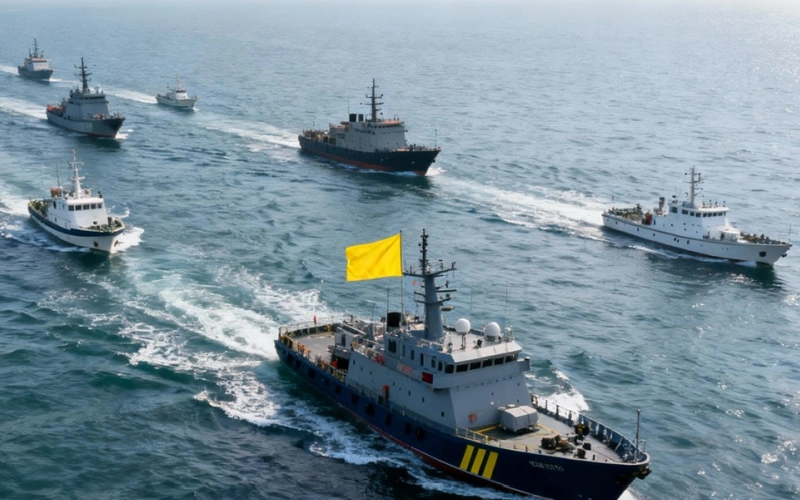
3. Practical Application and Case Studies of Yellow Flags
As an experienced captain, I have personally handled yellow flags during multiple voyages and managed diverse situations. Below are several firsthand cases illustrating the practical application of the yellow flag during actual voyages.
1). Yellow Flag Use During the Pandemic
In early 2020, amid the COVID-19 outbreak, I encountered health risks during a transoceanic voyage. Crew members exhibited mild coughing and fever symptoms, prompting my immediate decision to hoist the yellow flag to alert other vessels to potential health hazards. This action was understood by other vessels, and we successfully completed quarantine procedures, ensuring everyone's safety.
2). Yellow Flag Use During Vessel Malfunction
During a distant-sea voyage, my vessel experienced engine failure. I immediately hoisted the yellow flag to notify other vessels to maintain a safe distance. This measure successfully prevented further hazards and allowed us to repair the vessel smoothly.
Failure and Lessons Learned
However, I also experienced an incident caused by failing to raise the yellow flag promptly. During that voyage, my delay in displaying the flag when the vessel malfunctioned led to another vessel approaching and colliding with us. This experience heightened my awareness of the yellow flag's critical role in navigational safety.

4. Yellow Flag vs. Other Signals
1). Differences from the Red Flag
Yellow and red flags are often confused, yet their purposes are distinct. The yellow flag typically conveys warnings, indicating health or quarantine issues, while the red flag signifies a vessel facing significant safety risks or an emergency.
2). Comparison with Green and Blue Flags
The green flag generally indicates that a vessel is in good order, while the blue flag signifies that the vessel has received port certification or approval. In contrast, the yellow flag serves a unique purpose, functioning both as a health warning and an indicator of quarantine status.
Below are the meanings and applicable scenarios for these four flags:
| Flag | Meaning | Usage Scenario |
| Yellow Flag | Health warning, quarantine status, or special navigation notice | Infectious disease alert, quarantine inspection, malfunction warning |
| Red Flag | Emergency incident or danger | Serious accident or urgent situation |
| Green Flag | All clear | Sailing Clearance, Vessel Ready to Depart |
| Blue Flag | Certified Approval for Port Entry | Port Access Authorization Granted |
5. Hoisting and Striking of Yellow Flags
Timing for Displaying Yellow Flags: The timing of displaying a yellow flag is critical, especially when a vessel faces health issues, infectious disease risks, or requires quarantine. Standard operating procedures mandate prompt display of the yellow flag upon issue occurrence to signal warning.
Timing and Conditions for Lowering the Yellow Flag: The yellow flag should be promptly lowered after the vessel completes necessary health inspections, quarantine procedures, or repairs. When lowering the flag, ensure all issues are resolved and avoid misleading other vessels.
6. Conclusion
As one of the maritime signals, the proper use of the yellow flag is vital for navigational safety. By understanding the multiple purposes of the yellow flag, mariners can not only ensure crew health during epidemics and quarantine periods but also protect other vessels from hazards when a ship experiences malfunctions. In the future, as global maritime regulations evolve, the use of the yellow flag may become more standardized and routine.
Recommendations for Mariners:
Immediately hoist the yellow flag upon identifying health risks or quarantine requirements.
Familiarize yourself with regional yellow flag protocols to avoid misunderstandings during international voyages.
When de-hoisting the yellow flag, ensure all issues have been properly resolved.

7. Frequently Asked Questions
Q: How does a yellow flag differ from a red flag?
A: Yellow flags typically indicate health warnings or quarantine status, while red flags signal major accidents or emergencies.
Q: Does a yellow flag always mean the vessel has health issues?
A: Not necessarily. A yellow flag may indicate health issues, but it could also signify the vessel is undergoing quarantine inspection or facing other special circumstances.
Q: How can I ensure a yellow flag is properly withdrawn?
A: When withdrawing a yellow flag, ensure the vessel has completed necessary health inspections, quarantine procedures, or repairs, and comply with local maritime regulations.
Q: What are the most common situations requiring a yellow flag?
A: Yellow flags are typically flown for health warnings, quarantine inspections, or vessel malfunctions.
About the Author
Jelly
Has published insights in leading yachting and maritime publications including Boat International, Yachting World, and Good Old Boat.
Possesses over a decade of yachting and trading experience, having owned and operated multiple vessels across various types. Familiar with diverse sailing scenarios ranging from family leisure to oceanic exploration.
Last Updated: December 2025
Scope of Application: Provides guidance on yellow flag usage for mariners, vessel managers, and related professionals to ensure compliance with regulations, enhance navigational safety, and maintain operational standards.
Disclaimer
This content serves as a guide for mariners, vessel managers, and related professionals regarding yellow flag usage. The knowledge, experience, and case studies presented are based on the author's personal practice and relevant public resources. While the author strives for accuracy and comprehensiveness, maritime conditions are complex and variable, regional regulations differ, and actual circumstances may change at any time. Consequently, this document cannot guarantee complete applicability to all scenarios. Readers should integrate local maritime regulations, professional agency advice, and practical circumstances when applying this information. The author and publisher assume no liability for any direct or indirect losses arising from the use of this content.