Quick Answer: What questions should one ask before buying a used yacht?
These include: Why is the owner selling? What are the engine hours? Is there a complete maintenance log? Has it been involved in any accidents? Has it undergone any major overhauls? These are the essential survival questions every novice must ask.
Used Yacht Buyer’s Quick Checklist:
- Engine hours
- Maintenance log
- Accident history
- Surveyor findings
- Sea trial performance
- Ownership paperwork
- Operating cost expectations
Table of Contents
Why You Must Ask the Right Questions Before Buying a Used Yacht
Before buying a yacht, ask yourself: What sort of vessel do I actually need?
The first set of questions to ask before contacting sellers
Sea Trial Checklist: Questions to Ask Before Buying a Used Yacht
Essential Questions During Sea Trials
Essential Questions for the Third-Party Survey Stage
Essential Questions to Ask When Negotiating Price and Signing Contracts
In summary
FAQ
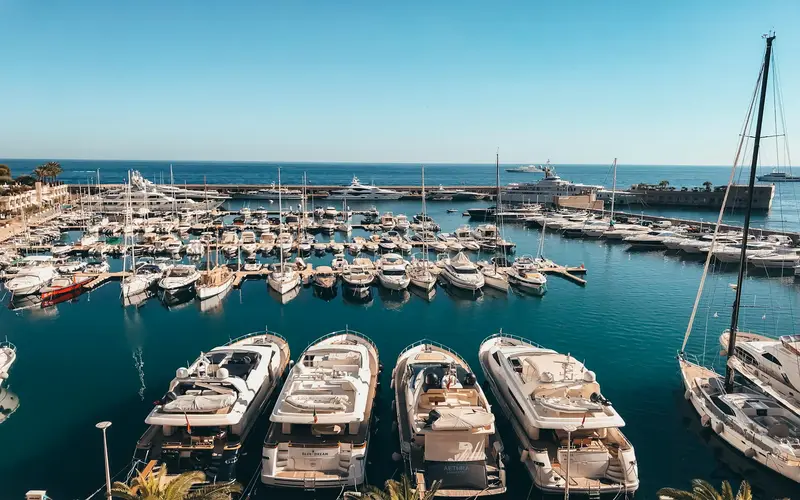
Why You Must Ask the Right Questions Before Buying a Used Yacht
If you're Googling ‘what to ask when buying a used boat’, let me tell you straight: ask the right questions, and most pitfalls can be filtered out during the very first phone call; ask the wrong questions, and even if the seller seems perfectly pleasant, you could still fall into a deep hole.
When I first considered buying a second-hand yacht, three classic novice fears dominated my thoughts: firstly, the dread of acquiring an accident-damaged or problematic vessel; secondly, the anxiety of failing to spot defects or decipher the seller's technical jargon; thirdly, the dread of discovering post-purchase that maintenance costs exceed the boat's purchase price.
Interestingly, you're far from alone as a novice, for the entire market is dominated by second-hand buyers. According to the National Marine Manufacturers Association (NMMA) 2023 Pre-Owned Boat Market Sales Trends Report: second-hand vessels accounted for 78.2% of all boat transactions in the US during 2023, with a total volume of 940,496 units.
In other words, eight out of every ten boats sold were second-hand.
Further analysis of the NMMA's latest 2024 industry report similarly indicates: second-hand boat sales accounted for 78.3% of all boat transactions nationwide in 2024.
This demonstrates:
- The market is dominated by second-hand boats (90%)
- Varying boat conditions present significant disparities
- Novices are more prone to pitfalls
Consequently, this guide is written for beginners — follow these questions and you'll largely avoid making mistakes.
The National Marine Manufacturers Association (NMMA) states in its market report: ‘In 2023, 78.2% of all boats sold in the United States were pre-owned vessels, totalling 940,496 units.’
This translates to eight out of every ten boats sold being second-hand, signifying:
- A vast number of used boats on the market
- Varied and inconsistent vessel conditions
- Novices are more prone to pitfalls
To address this, I shall now provide a comprehensive used boat buyers guide for beginners. By following these questions, you'll largely avoid making a poor purchase.
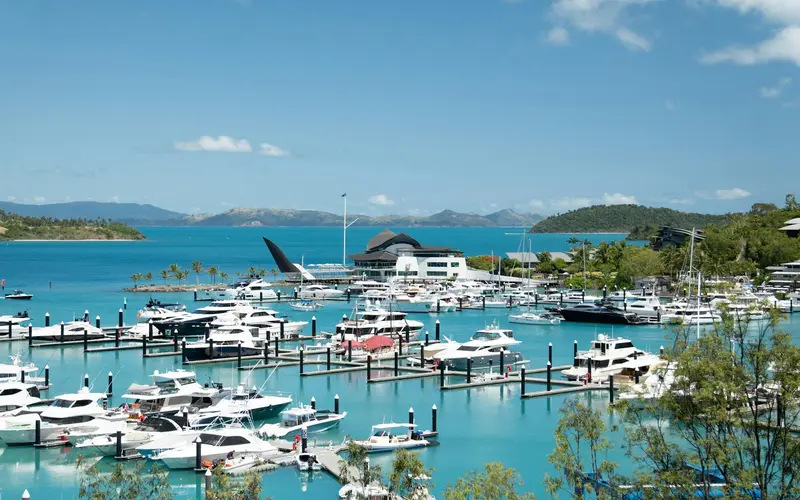
Before buying a yacht, ask yourself: What sort of vessel do I actually need?
Before approaching sellers, I strongly advise posing this simple yet crucial question to yourself: What sort of vessel do I actually need?
This step is often overlooked by novices, leading to confusion. After viewing dozens of boats, they remain uncertain about their requirements. Some even purchase vessels entirely unsuited to their lifestyle, only to find maintenance costs later exceed the purchase price.
For instance: Are you merely seeking occasional recreational outings? Or weekend trips to anchorages? Or do you harbour ambitions for extended voyages? Different purposes demand entirely different dimensions, equipment, and budgets. This is why many articles offering tips for buying a new yacht place "confirming the intended use" as the first step.
Additionally, you must clarify your preferred vessel type: sailing yacht? Motor yacht? Catamaran? Monohull? This essentially boils down to the classic question every novice asks: sailing vs motor yacht? Which suits me better?
The NMMA also notes in its usage expenditure report that American boat owners' annual ‘boat use spending’ (fuel, harbour fees, maintenance, insurance, repairs, and accessories) constitutes a significant cost component for the boating industry. This underscores that purchasing the vessel is not the primary concern—sustaining its ongoing operational costs over the long term is the critical factor!
Quick summary:
Before contacting sellers, I would first sit down and seriously ask myself three questions:
1.How will I use this boat?
Is it for weekend outings, fishing, inshore cruising, or extended cross-regional voyages? Different purposes demand entirely distinct layouts and configurations.
2.What annual maintenance costs am I comfortable with?
Many inquire solely about price, neglecting to ask themselves: Can I truly afford to maintain it?
This is paramount, especially when researching queries like ‘what to do after buying a used boat’ – you'll discover that upkeep, insurance, and mooring fees constitute the true long-term expenses.
3.Do I have preferences regarding brand or hull type?
Monohulls, catamarans, sailboats, powerboats... the differences are vast.
Clarifying these points allows you to eliminate unsuitable vessels outright.
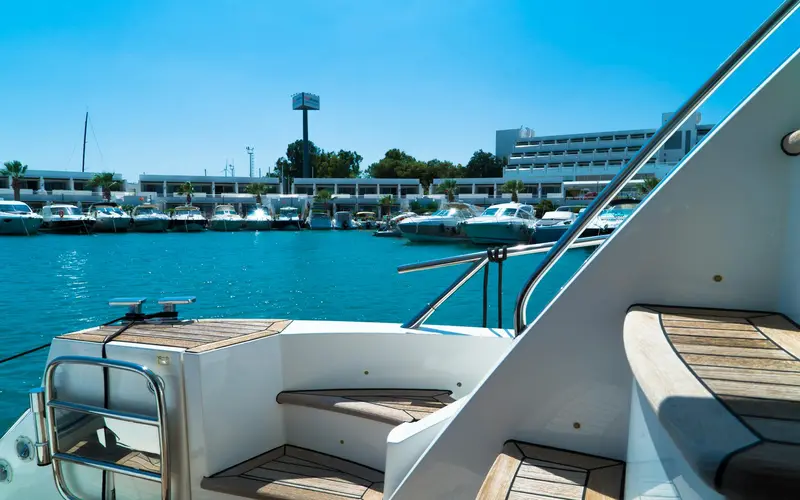
The first set of questions to ask before contacting sellers
I've developed a habit: if a seller responds vaguely, evasively, or dodges key points, I won't even arrange a viewing. Sellers who slip up during initial discussions are generally not worth your time.
I typically start with:
- Are there comprehensive records of the vessel's age and condition?
- What are the engine hours?
- What maintenance or repairs have been carried out in the last three years?
- Is there any history of accidents or major repairs?
- Are all documentation and papers in order?
If the seller readily provides photographs, invoices, and repair logs, that's generally a positive sign.
If they repeatedly respond with ‘I've forgotten,’ ‘I'm not sure,’ ‘It's just been used normally,’ or ‘You'll see when you come to view it,’ I typically eliminate them outright.
You'll be surprised how many problematic vessels this straightforward approach weeds out.
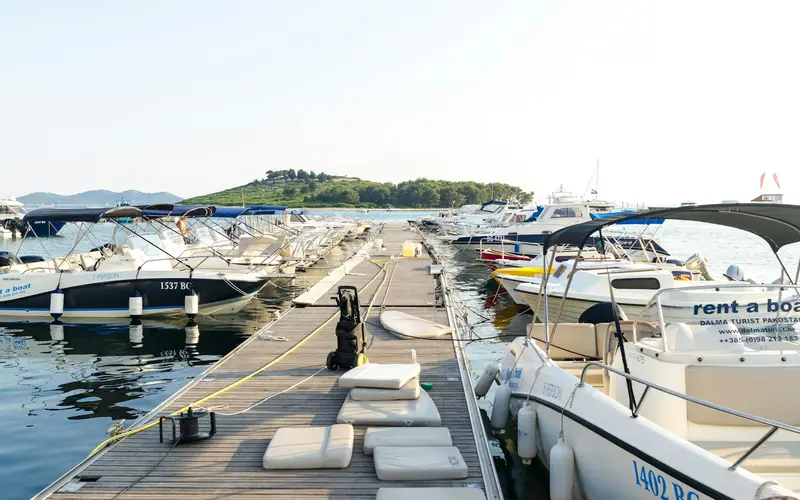
Sea Trial Checklist: Questions to Ask Before Buying a Used Yacht
I shall never forget that sense of novelty when I first stood beside a boat – but do not let appearances cloud your judgement. The most crucial aspect of viewing a vessel is not technical expertise, but keen observation.
I begin by inspecting the hull for signs of repairs, cracks, or areas that have clearly been repainted. This is where many accident-damaged boats reveal their flaws. Upon entering the cabin, I first assess the odours. Mouldy odours typically indicate leaks; oily smells suggest potential engine seepage; musty notes point to possible bilge water accumulation. None of these are trivial matters.
Next, I test every switch, button, and light I can find: lights, air conditioning, navigation equipment, toilet, bilge pump, refrigerator... anything you'll use in the future must be checked. You needn't know if it's high-end; just ensure it ‘works properly’.
I also pay particular attention to missing equipment: anchors, ropes, life jackets, damaged sails... Every item you see represents a future expense.
Don't consider this tedious. Meticulous attention during your first inspection will save you considerable sums later.
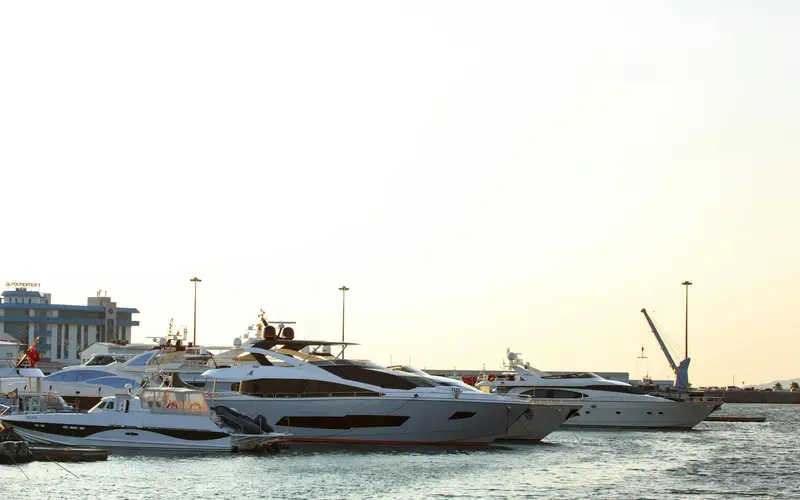
Essential Questions During Sea Trials
Sea trials represent the most critical phase of the entire boat-buying process. Many issues only surface once the vessel is actually moving.
Based on my nearly ten years of experience,I pay particular attention to the engine's sound during a cold start. If it immediately belches thick white or black smoke, I'm usually disheartened on the spot, as this typically indicates internal system problems. Once underway, I assess for abnormal vibrations or unusual noises, which could signal issues with the propeller, bearings, or transmission system – none of which come cheap.
Stable instrument readings are also vital—water temperature, voltage, RPM—erratic fluctuations usually signal underlying warnings. For sailboats, I assess whether hoisting sails is smooth, check for rigging wear, and ensure steering feels natural. Some boats look stunning in the wind, but if the sails jam, you're in real trouble.
In short: during a sea trial, don't get carried away by the “romance of sailing” – keep your eyes fixed on whether the vessel itself is sound.
Essential Questions for the Third-Party Survey Stage
The surveyor is the part of any boat purchase where I'm most willing to spend money. For every survey, I hand over all my concerns, observations, and suspicions to the surveyor, asking them to verify each point. They can spot issues you simply won't see no matter how hard you try.
I instruct surveyors to categorise findings: minor imperfections, urgent repairs, and structural issues. Structural problems typically prompt me to walk away, as they signal a boat requiring perpetual maintenance.
Should a surveyor conclude with ‘I advise caution in proceeding with this purchase,’ I almost invariably respect their judgement and withdraw. Their service saves not merely money, but years of future headaches.
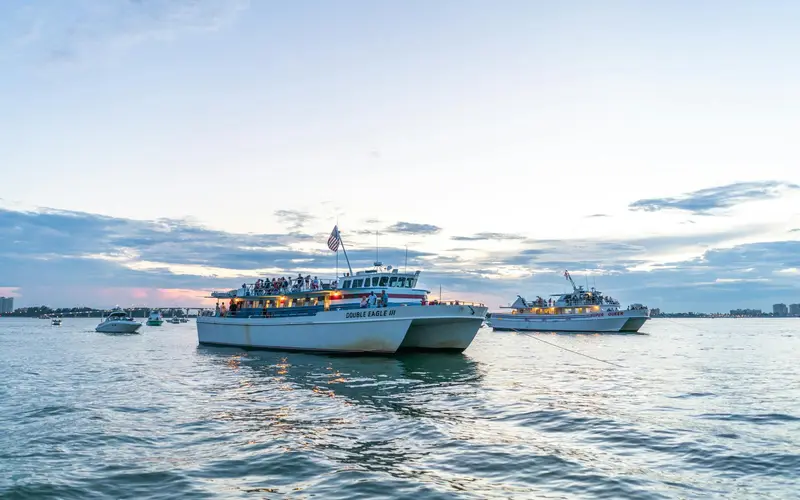
Essential Questions to Ask When Negotiating Price and Signing Contracts
When I decide to purchase a vessel and enter the negotiation phase, I become extremely cautious. I always confirm what is included in the price: the vessel itself, equipment, berthing rights, additional fittings... Everything you assume ‘should be included’ must be explicitly stated in the contract. Otherwise, the seller may attempt to exclude these items upon delivery.
I also ensure the deposit terms are crystal clear, such as:
- Can the deposit be refunded if the vessel fails inspection?
- Can I withdraw if documentation is flawed?
- What recourse exists if the seller reneges?
Additionally, many inquire about the paperwork required to purchase a vessel. Given varying requirements across nations and ports, this typically encompasses:
- Vessel registration documents
- Invoice or proof of ownership
- Maintenance records
- Equipment inventory
- Sales contract
Never rely on verbal agreements. The more comprehensive the documentation, the more secure your purchase. All terms must be clearly stipulated in writing. Only by establishing clarity at this stage can you proceed with confidence.

In summary
Purchasing a second-hand yacht can be both challenging and straightforward. The difficulty lies in navigating overwhelming and often conflicting information, leaving novices unsure whom to trust. The simplicity arises from asking the right questions, which allows you to identify most pitfalls early on. I now firmly believe this maxim: novices lose out through failing to ask the right questions, not through lacking knowledge of boats.
If you're a novice, I recommend thoroughly reading the Used Boat Buyer's Guide. Starting with defining your requirements, through contacting sellers, viewing the vessel, sea trials, surveys, and contract signing – by following this sequence and asking the right questions, you won't be taken for a ride. What you acquire isn't merely a boat, but a genuine maritime life of your own.
FAQ
Q: What should I do first after purchasing a used boat?
I typically conduct a comprehensive basic maintenance immediately: oil change, filter replacement, battery check, verification of all electrical systems, inspection of sails and rigging, and replenishment of safety equipment. Then promptly complete registration, insurance, and harbour formalities, followed by several short voyages to familiarise yourself.
Q: What documentation is required to purchase a boat?
Ensure all registration certificates, proof of ownership, tax documents, and engine records are complete and bear matching serial numbers. Otherwise, you may face significant hurdles in completing the transfer of ownership.
Q: How do I determine if a second-hand boat is worth purchasing?
I assess three key factors: Is the seller's maintenance history transparent? Can I afford the anticipated maintenance costs over the next three years? Does the surveyor deem the price reasonable? If all three criteria are met, it's a worthwhile investment.
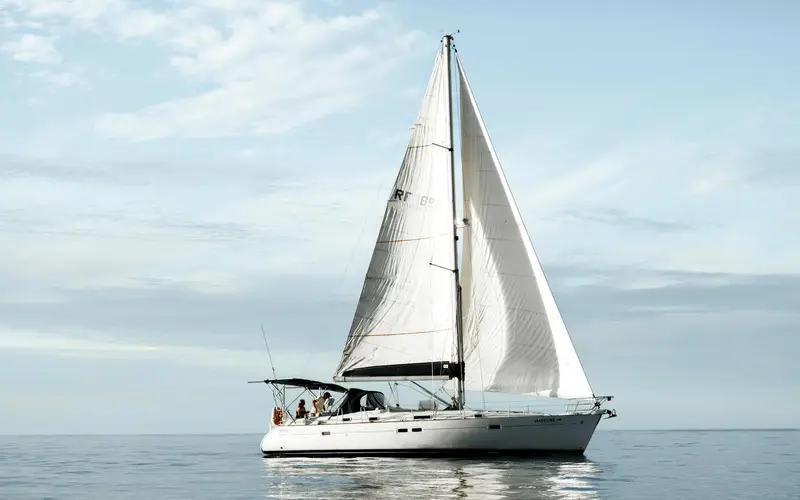
Riley Miller
Riley Miller is the owner of the “Serendipity” yacht, a contributing columnist for “Yachting Monthly,” and has published 17 in-depth analyses on yacht cost management. He also serves as an advisory committee member for the European Second-Hand Yacht Association (ESYA) and holds the International Yachting Certificate ICC-UK-2019C-17429, with certified cruising areas covering the Mediterranean and the western coast of the Atlantic.
Disclaimer
The content herein is for informational purposes only and is intended to share the author's personal experiences and perspectives. It does not constitute legal, tax, or investment advice. Yacht transactions involve complex legal, financial, and technical matters. Actual purchasing processes may vary due to regional regulations, vessel type differences, or individual circumstances. Before making any yacht purchase decisions, readers are advised to consult licensed professionals (such as attorneys, tax advisors, licensed yacht brokers, or surveyors) for personalized guidance tailored to their specific situation. Neither the author nor the publisher shall be liable for any direct or indirect losses arising from reliance on the information provided herein.