Quick Answer: How Much Does a 40-Foot Yacht Cost?
In 2026, the 40 ft yacht price range varies by type, age, and brand: used yachts typically range from $120,000 to $250,000, while new yachts range from around $500,000 up to $1.2M+.
As a seasoned yacht broker with over 15 years of experience, I recommend that anyone considering a 40-foot yacht fully understand its price range and the factors that affect it. In this article, I will provide a detailed analysis of the 2026 40 ft yacht price range, type variations, brand influence, new versus used options, and annual ownership costs to help you make an informed purchasing decision.
1. What Is the Average Price Range for a 40 Ft Yacht in 2026?
The price of a 40-foot yacht varies significantly, primarily depending on the vessel's age, brand, configuration, and condition.
Below are the 2026 market price references:
| Category | Average Price | Notes |
|---|---|---|
| Older Used Yachts (15+ years) | $120,000 – $250,000 | Ideal for buyers on a budget |
| Medium-age Yachts (5–10 years | $250,000 – $450,000 | Best value for money |
| Entry-level New Yachts | $500,000 – $700,000 | Modern configurations |
| High-end Luxury Models | $700,000 – $1.2M+ | Top-tier brands |
💡 Note: Prices are for reference only and largely depend on specific configurations, engine hours, and location.
In my experience, most 40-foot yacht transactions fall within the range of $500,000 to $900,000. At this price point, buyers typically acquire relatively new vessels with comprehensive equipment, excellent condition, and strong resale value.
2. Key Factors Affecting 40 Ft Yacht Prices
Many first-time yacht buyers ask: Why is there such a significant price difference between two identical 40-foot yachts? The main reasons are as follows:
2.1 Brand and Shipyard Reputation
Yacht brand is one of the key factors influencing price, as each brand's design philosophy, construction techniques, and after-sales service directly reflect in the cost.
I once compared two similarly sized yachts for a client:
- One from Sea Ray
- One from Princess Yachts
Despite their close dimensions, the price difference reached nearly 30%. This demonstrates that even for yachts of the same size, brand and shipyard reputation significantly impact pricing.
Generally, brands in the market can be categorized into two types:
- Mass-Production Brands: Sea Ray, Bayliner, Beneteau, Jeanneau, etc. These offer standardized, reliable yachts at controlled costs, often with good resale value.
- Luxury or Semi-Custom Brands: Examples include Sunseeker, Azimut Yachts, and Princess Yachts. These brands prioritize design, craftsmanship, and material quality, resulting in higher price points.
Furthermore, based on my 15 years of yacht resale experience, I've observed that premium yachts incorporating carbon fiber structures or advanced hull technologies command significantly higher prices due to increased material and engineering costs.
2.2 Boat Age and Depreciation
Similar to automobiles, yachts typically experience significant depreciation in their first few years. According to YATCO's yacht depreciation analysis, a new yacht may depreciate by 10%–20% in its first year after delivery, with cumulative depreciation potentially reaching 40%–50% within five years.
I generally advise clients to consider used yachts aged 5–12 years. Depreciation has already occurred, yet they still offer a near-new ownership experience.
2.3 Engine Configuration and Performance
Engine type and power directly impact price, cruising speed, fuel consumption, and maintenance costs.
Key differences include:
- Single engine vs twin engines
- Horsepower rating
- Maximum cruising speed
Two primary propulsion systems exist:
Outboard Engines
- Faster speeds
- Relatively easier maintenance
Inboard Diesel Engines
- Higher fuel efficiency
- Better suited for cruising
When selecting a 40-foot cruising yacht, I find most buyers opt for a twin diesel engine configuration.
2.4 Interior and Luxury Features
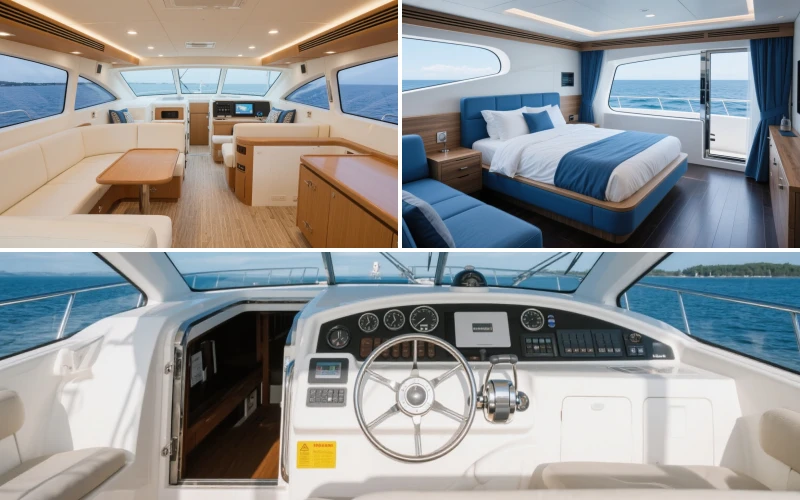
The level of luxury in a yacht's interior also significantly impacts its price. High-end yachts typically feature:
- Premium leather seating
- Custom furniture and lighting systems
- High-end kitchen and bathroom fixtures
- Premium wood or stone countertops
I once assisted a client in purchasing a 40-foot motor yacht where interior upgrades alone added approximately $80,000 to the cost.
2.5 Navigation and Electronic Equipment
Modern yachts are typically equipped with advanced navigation and electronic systems. These devices not only enhance navigational safety but also increase the yacht's overall value.
Common equipment includes:
- GPS navigation systems
- Radar systems
- Autopilot systems
- Integrated digital control panels
More advanced configurations generally command higher yacht prices while positively impacting future resale value.
3. Pricing for Different Types of 40-Foot Yachts
Different types of 40-foot yachts exhibit distinct differences in design, purpose, and configuration, resulting in varying price ranges. The table below summarizes the prices and typical uses for the main types available on the market:
| Yacht Type | Price Range | Primary Use |
|---|---|---|
| Motor Yacht | $400,000 – $1,000,000+ | Luxury cruising & family entertainment |
| Sport Cruiser | $350,000 – $800,000 | Speed & short trips |
| Sailing Yacht | $250,000 – $600,000 | Traditional sailing experience |
| Flybridge Yacht | $500,000 – $1,100,000+ | Socializing & sightseeing |
| Power Catamaran | $600,000 – $1,200,000+ | Long-distance cruising & stability |
| Sportfishing Yacht | $450,000 – $900,000 | Deep-sea fishing |
✅ How to Choose the Right 40-Foot Yacht Type?
Selecting the appropriate yacht type depends not only on price but also on usage scenarios and sailing requirements.
Five years ago, a client of mine planned to purchase a 40 ft yacht for family vacations with a budget of $700,000. Initially leaning toward a sport cruiser, I recommended considering flybridge yachts. He ultimately chose a 6-year-old Princess Yachts V40 for $680,000, perfectly suited for family gatherings and entertaining friends.
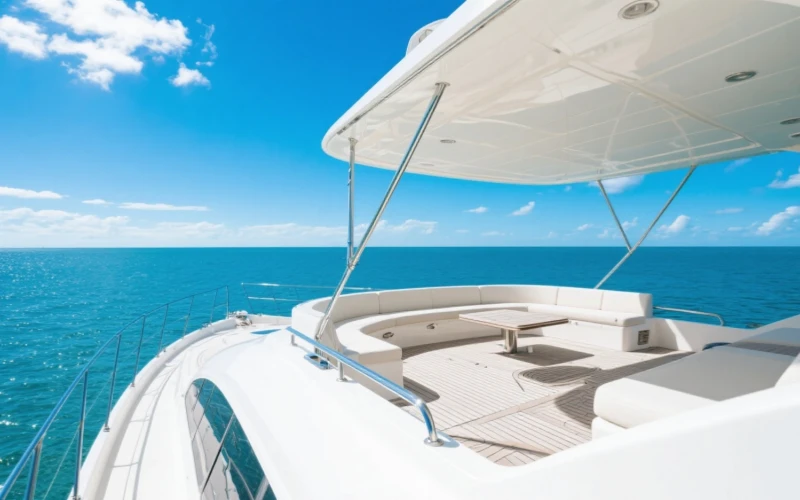
With numerous 40-foot yacht types available, price varies significantly based on intended use. We advise selecting the most suitable yacht type by evaluating your usage scenarios, cruising areas, and budget.
4. Prices of Popular 40 Ft Yacht Brands
Price differences between yacht brands are also significant. European high-end yacht brands typically command higher prices due to superior craftsmanship and brand prestige.
Below are some popular brands in the 40-foot yacht market:
| Brand | Popular Model | Price Reference |
|---|---|---|
| Azimut | Azimut Atlantis 43 | $750,000+ |
| Princess Yachts | Princess V40 | $650,000+ |
| Beneteau | Beneteau Gran Turismo 40 | $500,000+ |
| Sea Ray | Sea Ray Sundancer 400 | $600,000+ |
Luxury brands like Azimut and Princess Yachts typically feature more sophisticated designs, superior engineering quality, and higher resale value.
5. New vs. Used: Which 40-Foot Yacht Is Right for You?
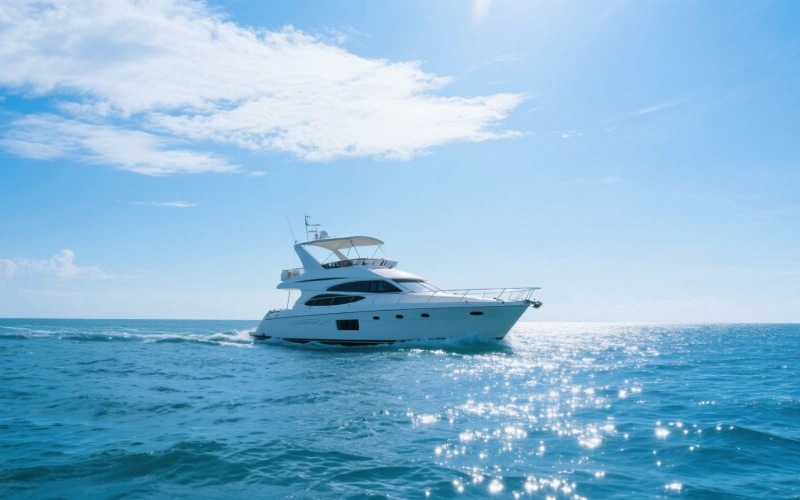
Many buyers ask me: Should I buy a new boat or a used one? This decision affects not only your budget but also future maintenance costs, technical specifications, and resale value.
5.1 Purchasing a New 40-Foot Yacht
Advantages:
- Highly Customizable: Buyers can select interior materials, electronics, and layout designs according to their needs.
- Manufacturer Warranty: New vessels typically come with full factory warranties and after-sales support.
- Latest Technology: Access to cutting-edge hull designs, more efficient engines, and modern navigation systems.
Disadvantages:
- Higher Initial Cost: New vessels typically carry the full brand and technology premium.
- Rapid Depreciation: Significant value loss occurs in the first few years after delivery.
5.2 Purchasing a Used 40-Foot Yacht
Advantages:
- Better Value for Money: With the same budget, you can often purchase a larger yacht or one from a higher-end brand.
- Less Depreciation Pressure: Most of the value decline has already occurred, and future prices are typically more stable.
For example, $500,000 might only buy a new 35-foot yacht, but it could purchase a 40-foot premium flybridge yacht that is about 10 years old.
Disadvantages:
- Potentially Higher Maintenance Costs: As the yacht ages, certain systems may require repairs or upgrades.
- Outdated Technical Features: Some navigation equipment or interior designs may be obsolete.
If you are planning to purchase a used yacht, I recommend allocating part of your budget for a marine survey and sea trial. These essential inspection points before buying a used yacht can help identify potential issues, such as minor oil leaks, aging equipment, or necessary upgrades to electronic systems.
6. Annual Ownership Costs for a 40-Foot Yacht
Purchasing a yacht is only the first step; the subsequent operational and maintenance expenses require careful consideration. Many first-time buyers underestimate these ongoing costs before making their purchase.
According to Yacht World's analysis in “The Real Cost of Owning a Yacht,” the annual ownership costs typically amount to approximately 10%–20% of the yacht's purchase price.
6.1 Common Annual Operating Expenses
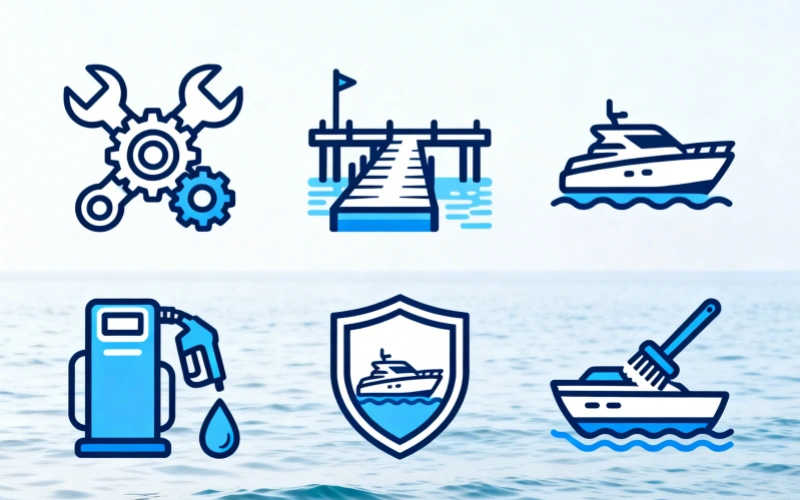
The primary annual expenses for a 40-foot yacht typically include:
- Maintenance and repairs (engine servicing, parts replacement)
- Marina dockage fees
- Fuel costs
- Yacht insurance premiums
- Cleaning and routine upkeep
These expenses collectively constitute the long-term ownership costs of a yacht.
6.2 Example of Annual Cost of Ownership Calculation
Assume you purchase a 40-foot yacht valued at $600,000. Based on the industry standard annual cost rule of 10%–20%, the approximate budget is as follows:
| Expense | Annual Cost (USD) |
|---|---|
| Maintenance & Repairs | $15,000 – $30,000 |
| Dockage | $8,000 – $20,000 |
| Fuel | $5,000 – $15,000 |
| Insurance | $3,000 – $6,000 |
| Cleaning & Upkeep | $2,000 – $5,000 |
| Total | $33,000 – $76,000 |
💡 Note: Fees may increase based on usage frequency, docking location, and luxury features. For long-term budgeting, it is recommended to estimate based on the higher end.
Total Cost Formula:
💰 Total Cost = Purchase Price + (Annual Cost × Years of Ownership)
Example:
- Purchase Price: $600,000
- Ownership: 5 years
- Annual Cost: $50,000
Total Cost: $600,000 + (50,000 × 5) = $850,000
Considering 5-year residual value of $350,000:
Net Cost: $850,000 – $350,000 = $500,000
💡 Tips:
- Allocate at least 10%–20% of annual operating costs before purchasing a yacht
- Consider age and depreciation—pre-owned yachts may offer lower total costs
- Select the model best suited to your budget based on long-term plans and usage frequency
Using this method, you can more accurately calculate yacht running costs per year, enabling you to establish a reasonable budget. This ensures your yacht remains in optimal condition and maximizes the value of your investment.
7. Is a 40-Foot Yacht Suitable for First-Time Buyers?
Based on over a decade of brokerage experience, a 40-foot yacht is highly suitable for first-time buyers.
Its advantages include:
- Easier handling compared to larger yachts
- Lower operating costs
- Adequate interior space for family outings
- Ideal for coastal cruising and weekend getaways
Many beginner buyers upgrade to larger models after owning a 40-foot yacht for several years.
8. Buying Recommendations

If you plan to purchase a yacht overseas, I recommend paying attention to the following points.
Conduct a Professional Survey
A professional maritime survey ensures the yacht's structural integrity and absence of major hidden defects.
Partner with a Yacht Broker
An experienced broker can assist buyers by:
- Identifying suitable yachts
- Negotiating pricing
- Managing transaction documentation
- Arranging surveys and inspections
Understand Import Taxes and Registration Requirements
Regulations vary by country, including:
- Value-added tax (VAT) or import duties
- Yacht registration systems
- Navigation permit requirements
By conducting a thorough survey, working with an experienced broker, and understanding import and registration requirements, you can minimize risks and ensure a smooth, well-informed yacht purchase.
9. Summary
The price range for a 40-foot yacht depends on the brand, age, design, and configuration.
Typical prices are as follows:
- Used 40-foot yachts: $120,000 – $450,000
- New 40-foot yachts: $500,000 – $1.2M+
For many buyers, a 40-foot yacht offers an ideal balance between luxury experience, ease of use, and operating costs. It provides sufficient luxury without the management challenges associated with larger superyachts.
📞 Take Action:
- Book a free consultation for personalized budget and brand recommendations
- Schedule professional surveys and sea trials for peace of mind
- Understand import taxes, registration, and navigation rules to avoid hidden costs
Start your 40-foot yacht journey today—enjoy safe, luxurious, and cost-effective sailing.
About the Author
Luna Rossi, SAMS-certified yacht broker (SAMS-66562), has over 15 years of experience in buying, selling, and evaluating yachts. She helps clients navigate the global yacht market with expertise in budgeting, cruising experience, and investment value—providing full guidance for new builds or used yacht purchases.
Disclaimer
The information in this article is for general informational purposes only and does not constitute financial, legal, or purchasing advice. Yacht prices and ownership costs may vary depending on factors such as brand, model, age, condition, configuration, location, and market conditions. All price estimates are based on industry observations at the time of writing and may change. Buyers are advised to conduct a professional marine survey and consult qualified yacht brokers or maritime professionals before making a purchase decision.
FAQ
Q1: What is the price range for a 40-foot yacht?
A: The price of a 40-foot yacht typically ranges from $120,000 to $1.2 million+, depending on the vessel's age, brand, configuration, and type.
Q2: What factors significantly impact the price of a 40-foot yacht?
A: Brand and reputation, age and depreciation, engine performance, interior luxury, and electronics. High-end brands and luxury upgrades increase the price.
Q3: Is a 40-foot yacht suitable for first-time buyers?
A: Yes. Easy to handle, family-friendly, lower costs than larger yachts, and ideal for coastal cruising and weekend getaways.