Summary Box
What Can $1 Million Actually Buy in 2026?
● 40–60 ft used flybridge yachts
● 35–45 ft brand new sport yachts
● 40–50 ft blue-water sailboats
● Annual ownership cost: $30k–$140k
Quick Answer:
Within a budget of under $1,000,000, you can acquire high-quality used yachts measuring 40–60 ft, or new sport yachts and cruising sailboats ranging from 35–45 feet.
The finest options centre on pre-owned flybridge yachts, sport yachts, and blue-water cruising sailboats from reputable brands—where the critical factors are “condition” and “maintenance history”.
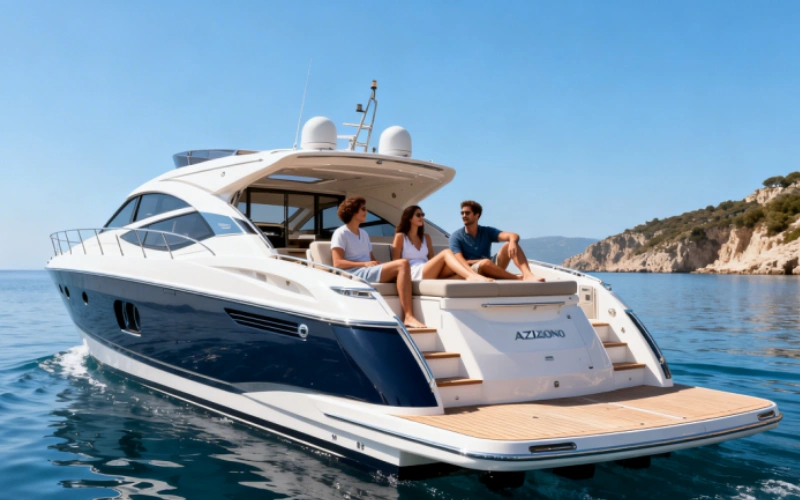
What Can You Expect from a Yacht Under $1 Million?
As a broker with extensive experience cruising the Mediterranean and South Florida while conducting client sea trials, I frequently calibrate clients' “ideal specifications” against market inventory for feasibility. Using a $1M ceiling as an example, common market options and characteristics include:
New Yachts: 35–45 ft sport yachts or cruising sailboats (new, mid-range specification).
Used Yachts: 45–60 ft flybridge motor yachts or higher-spec cruising sailboats (typically 5–12 years old).
Additionally, different vessel types correspond to distinct usage scenarios and cost structures (see table below for typical specifications and quick comparison):
Typical Specs Under $1M
| Type | Length Range | Typical Cruising Speed | Annual Maintenance Cost (Est.) | Typical Age (Used) |
| Sport/Express Yacht | 35–45 ft | 20–32 kn | $15k–$40k | 2–6 years |
| Flybridge Motor Yacht | 40–60 ft | 10–22 kn | $30k–$120k | 5–12 years |
| Monohull Cruising Sailboat | 35–45 ft | 6–9 kn | $8k–$30k | 3–10 years |
Note: Abys Yachting's publication Yacht maintenance and upkeep: costs to consider indicates that conservative annual maintenance costs for yachts typically represent 8–12% of the vessel's purchase price.
Personally Completed Transactions
Case Study: 2024 – South Florida sale of a 48ft flybridge yacht (transaction price $920,000)
Sea Trial Location: Offshore Miami
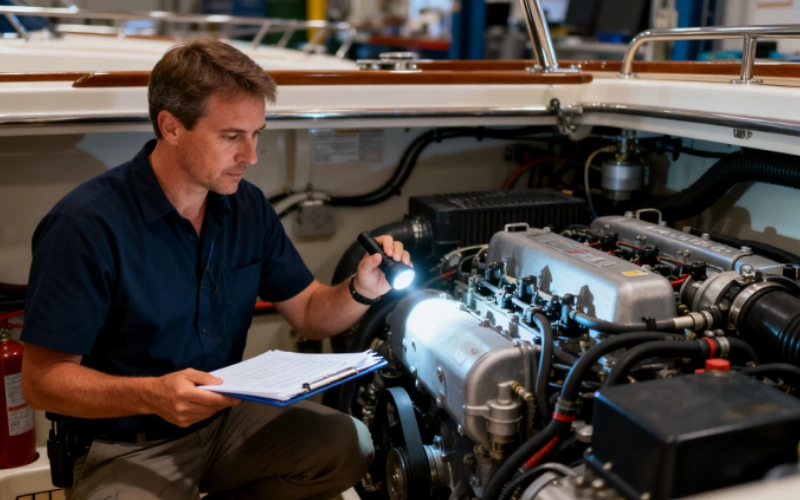
Key Process Points: During sea trials, I personally monitored propulsion system vibration, steering response, and turbocharger temperatures.
Issues identified during inspection: Minor oil seepage (non-critical) from the right main engine's middle cylinder block, likely due to prolonged inadequate sealing. Certain electronic navigation equipment required firmware updates.
Key negotiation points: Based on the inspection report, I successfully negotiated a $18,000 repair fund with the seller and secured a 30-day post-sale support clause within the final contract.
Buyer feedback: With subsequent maintenance and upgrade costs (approximately $36k/year) within budgetary control, the overall value for money was deemed high.
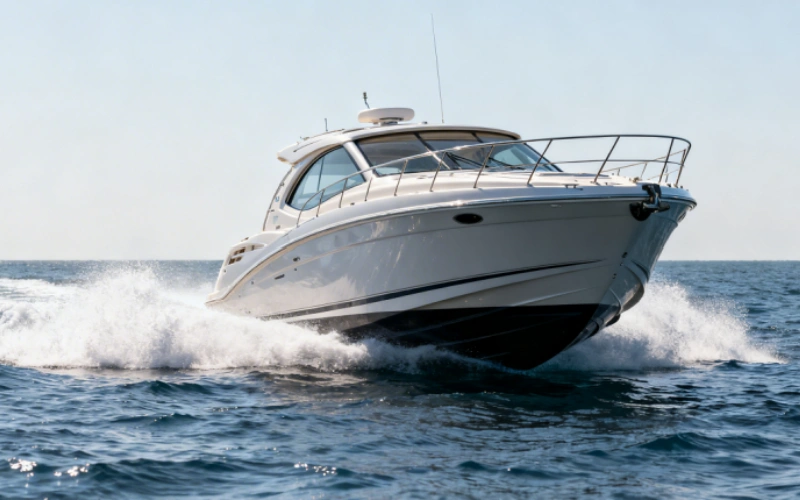
Best Yacht Types Under $1M
Below, I analyse each type, considering ‘who it suits’ and ‘what to watch out for’, while also highlighting common risk points encountered during sea trials/transactions with clients.
Flybridge Motor Yachts
Suitable for: Family outings, social gatherings with multiple guests, and a mix of short trips and extended stays.
Premium used options: Azimut, Sunseeker, Princess, etc.
Advantages: Spacious feel, flexible layouts, family-friendly, ample pre-owned market availability.
Disadvantages: Higher fuel consumption; maintenance costs and mooring fees typically exceed those of comparable sailing yachts; engines and hull consumables pose key risks, particularly for vessels long-term moored ashore.
My experience tip: Inspect flybridge control systems, hydraulic compartments, deck watertight integrity, and air conditioning systems—repair costs for these items are frequently underestimated.
Express / Sport Yachts
Suitable for: Clients with a strong desire for speed, favouring a short-range speedboat lifestyle.
Typical brands: Sea Ray, Regal, etc. Mid-sized models from these brands are highly active in the second-hand market.
Advantages: Agile handling, excellent acceleration, ideal for speedboat enthusiasts;
Disadvantages: Inferior passenger comfort and social deck space compared to flybridge yachts; demanding engine and transmission maintenance at high speeds.
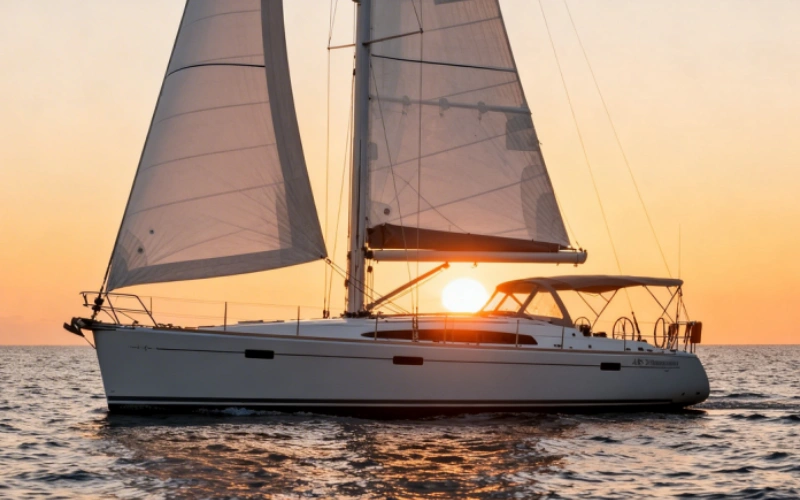
Cruising Sailboats
Suitable for: Clients prioritising fuel efficiency, long-distance voyages, or embracing the philosophy of ‘slow is far’.
Brand examples: Beneteau, Jeanneau, etc.
Advantages: Fuel-efficient, low long-term ownership costs; suitable for transoceanic or extended voyages;
Disadvantages: Requires helmsman/sail handling skills (or crew), alongside significant mooring fees and maintenance (e.g., mast, rigging, hull electrolysis protection).
Best Used Yachts Under $1M
The primary rationale for purchasing a pre-owned yacht is to circumvent the substantial depreciation of a new yacht in its first year. Yatco's Understanding Yacht Depreciation highlights that new yachts experience their greatest value erosion within the first 3–5 years: up to 10–20% in the first year, accumulating to 40–50% over five years, after which the depreciation curve flattens. Opting for vessels aged 5–10 years typically strikes the optimal balance between relatively recent specifications and completed depreciation.
When screening pre-owned yachts for clients, the following five elements are ‘mandatory’ for itemised inspection and decision-making weighting:
● Engine hours and maintenance records: Low hours do not equate to good condition; focus on whether maintenance has been comprehensive over the past three years.
● Hull integrity testing and history: Particularly for older vessels, professional hull repairs significantly impact long-term ownership costs.
● Sea trial metrics: Minor vibrations or overheating detected during trials often signal future high repair expenses.
● Electrical and navigation system condition: Electronic upgrades are costly and impact safety.
● Title and tax chain: Check for liens, appropriate flag state registration, and clarity on tax/VAT status.
To avoid generalisations, below are representative models currently listed on Yachttrading under $1M:
Best Used Yachts Under $1 Million Recommended
| Model | Year | Length | Market Reference Price | Type | Suitable For |
| Sunseeker Manhattan 60 | 2009 | ~60 ft | ~$600,000 | Flybridge Motor Yacht | Family Cruising / Socialising |
| Princess 62 Flybridge | 2000s | ~62 ft | ~$800,000 | Flybridge Motor Yacht | Prioritises luxury space |
| Azimut 46 Flybridge | 2005 | ~46 ft | ~€300,000+ | Flybridge Motor Yacht | Prioritises value for money |
| Lagoon 440 | 2007 | ~44 ft | ~$395,000 | Catamaran Cruising Sailboat | Long-range / Blue Water |
New vs Used Under $1M
| Project | New | Used |
| Size | Smaller | Larger |
| Depreciation | High | Stabilized |
| Risk | Lower mechanical | Higher inspection risk |
| Value | Lower | Higher |
Size Range You Can Afford Under 1 Million
Segmenting the budget further helps align client expectations with feasible vessel types and ownership costs.
● $300k–$500k
Options: 40–45ft used yachts or performance-oriented sports yachts (older/extensively modified)
Suitable for: Owners seeking entry-level yachting experience willing to undertake maintenance themselves
● $500k–$800k
Options: 45–55ft flybridge yachts or high-specification cruising sailboats
Advantages: Enhanced space and comfort, ideal for families and extended short-range cruising
● $800k–$1M
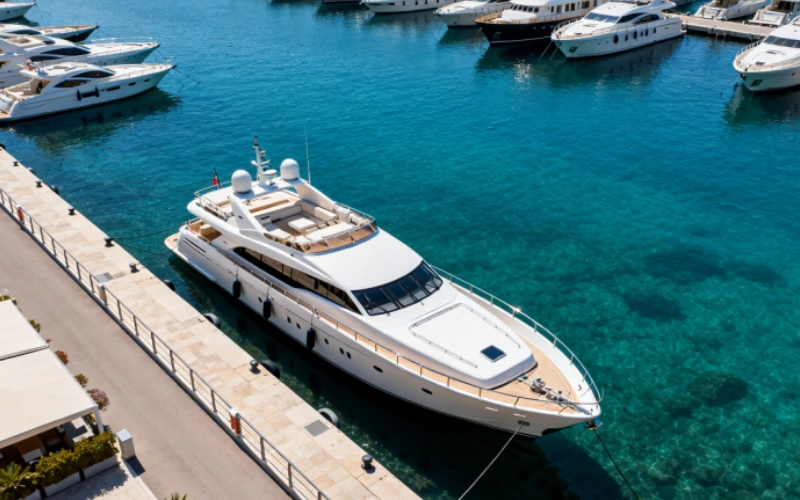
Options: 50–60ft premium second-hand yachts, e.g., higher-spec Sunseeker / Azimut / Princess
Advantages: Greater luxury features, reduced upgrade requirements
Budget vs Size vs Ownership Cost
Note: Annual operating costs below are conservative estimates, inclusive of marina fees/insurance/maintenance/fuel.
| Budget Range | Yacht Size | Estimated Annual Operating Cost |
| $300k–$500k | 40–45ft | $20k–$60k |
| $500k–$800k | 45–55ft | $35k–$100k |
| $800k–$1M | 50–60ft | $60k–$140k |
Pros and Cons of Budget Luxury Yachts
Based on my decade of transaction experience, maintenance costs for luxury yachts typically amount to 8–12% of the vessel's value annually, rather than the fluctuating ‘5%’ figures sometimes cited in the market. For flybridge yachts specifically, fuel consumption and engine maintenance can push this ratio higher.
● Advantages:
Entry into the luxury yachting sphere with a smaller capital outlay often allows acquisition of vessels whose appearance and space are comparable to new models, yet at significantly reduced prices.
Depreciation has already been factored in, leading to more stable prices in the short term.
The second-hand market offers greater choice, facilitating comparison and negotiation.
● Disadvantages:
Maintenance and repair risks, particularly concerning engines, transmission systems, and electronics.
Older configurations may be incompatible with modern electronic/entertainment systems, incurring high upgrade costs.
Additional expenditure is typically required in the first year post-purchase, such as for preparation, dry-docking, and electronic upgrades.
Where to Find Yachts Under $1M?
The global used yacht market is gradually recovering in 2025–2026, with brokerage reports indicating rising transaction volumes, particularly in the mid-sized and mid-to-high-end segments. Below, I outline where to find yachts priced below $1 million.
International brokerage platforms: YachtWorld, Yachttrading, Boats Group, etc., serve as primary selection channels.
Auction/Bank Repossessed Yachts: This channel offers numerous opportunities but carries higher risks, often sold ‘as is’. Thorough inspections and legal due diligence are essential.
Broker Private Networks: Private channels can access ‘off-market’ or newly listed premium vessels. As a broker, I frequently source such opportunities through long-standing owner relationships – an area where my consultancy services deliver added value.
5 Essential Steps Before Purchasing a Yacht Under $1 Million
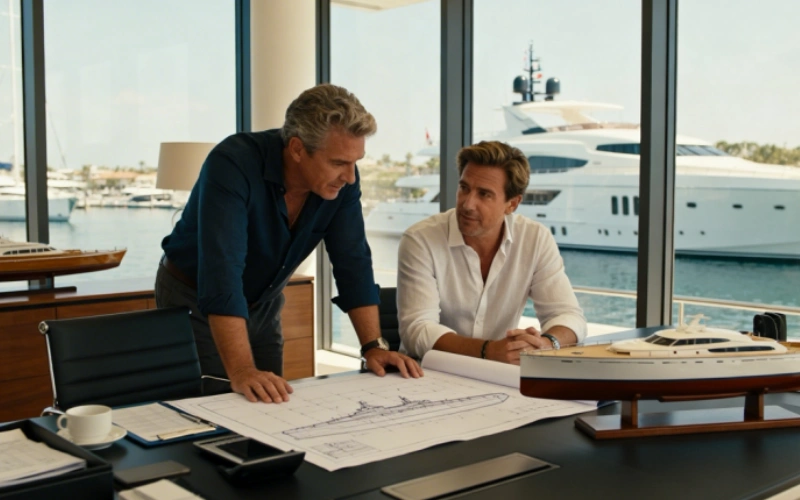
Sea Trial: Always conduct a sea trial aboard the vessel with an independent surveyor present; observe engine and propulsion performance for at least 30–60 minutes during the trial.
Independent Survey: Select a qualified surveying organisation (e.g., SAMS/IIMS/certified marine surveyor) and request a comprehensive written report.
Title Search: Verify absence of liens, tax disputes, or outstanding loans.
Maintenance Budget Provision: Reserve at least 8–12% of the purchase price annually for first-year operational and maintenance costs.
Tax Structure Confirmation: Registration jurisdictions and tax regimes (VAT/consumption tax) significantly impact total costs; consult tax advisors where necessary.
Conclusion
As a broker conducting annual sea trials with clients across the Mediterranean and South Florida, and having participated in numerous transactions and inspections, my recommendations are as follows:
If prioritising family-friendly, social spaces: Consider pre-owned flybridge vessels between 45–60ft (provided they have complete engine records, no structural repair history, and normal sea trial metrics).
If speed and agility are your preference: Opt for 35–45ft Express/Sport models (focus on propulsion system maintenance, verify gearbox/bearings).
If you plan long-distance/ocean crossings: Select professionally refitted and reinforced cruising sailboats or motor yachts with blue-water specifications. Prioritise sailboat mast and rigging records.
Risk management: Retain 8–12% of annual operating and contingency repair budget upon purchase. Require seller to specify major maintenance items (engine overhauls, fuel/electrical systems, dry-docking records) from past three years in contract.
If you’re evaluating specific listings under $1M, feel free to request a feasibility assessment before scheduling a sea trial.
About the Author
Emery
Yacht Broker / Yacht Transaction Consultant / Contributing Writer for Yachting Magazine
SAMS Certified Surveyor No.: AMS #2458
Honoured as one of ‘Asia's Top Ten Yachting Industry Experts’ and recipient of the ‘Outstanding Service Award for Yacht Brokers’
Last Updated: March 2026
Scope of Application: Suitable for prospective owners with budgets under US$1 million, first-time buyers, pre-owned yacht purchasers, and investors prioritising operational costs and value for money.
Disclaimer
This content is for reference only, aiming to assist prospective owners in understanding the market landscape, typical specifications, and operating costs of yachts under one million dollars. Prices, maintenance expenses, and vessel information are based on publicly available data and the author's experience. Actual circumstances may vary due to region, vessel age, configuration, and market fluctuations. Prior to purchase, conduct independent inspections, legal and tax due diligence, and consult professional brokers or advisors. Neither the author nor the platform shall be liable for any losses arising from the use of this information. Yacht ownership carries inherent risks; exercise prudent judgement and maintain a reasonable budget.
FAQ
Q1: Is $1 million sufficient for a quality yacht?
A: Yes, $1M can secure a well-established and comfortable 45–60 ft yacht on the pre-owned market, particularly when prioritising maintenance records and recent overhaul history.
Q2: Are used yachts under $1M reliable?
A: Reliability hinges entirely on inspection and maintenance records. Vessels within 5–10 years of age with comprehensive upkeep logs typically represent trustworthy choices. Key considerations include engine maintenance, electronic systems, and hull history.
Q3: What is the maintenance cost of a $1M yacht?
A: Annualised operating costs for yachts under $1 million commonly range from $60k to $140k, closely tied to geographical location, usage frequency, and vessel type.