Among the many types of boats that sail the seas, catamarans and yachts each have a unique design and function. While they both fulfil the needs of water recreation and cruising, there are significant differences between the two, from their construction to their uses. As a platform specialising in online yacht pricing consultancy, trading, shipping and maintenance, Yachttrading is here to discuss the topic ‘What's the difference between a catamaran and a yacht?’ in detail. Today, Yachttrading will explore the topic ‘What's the difference between a catamaran and a yacht?’ to help you get a clearer understanding of both types of vessels.
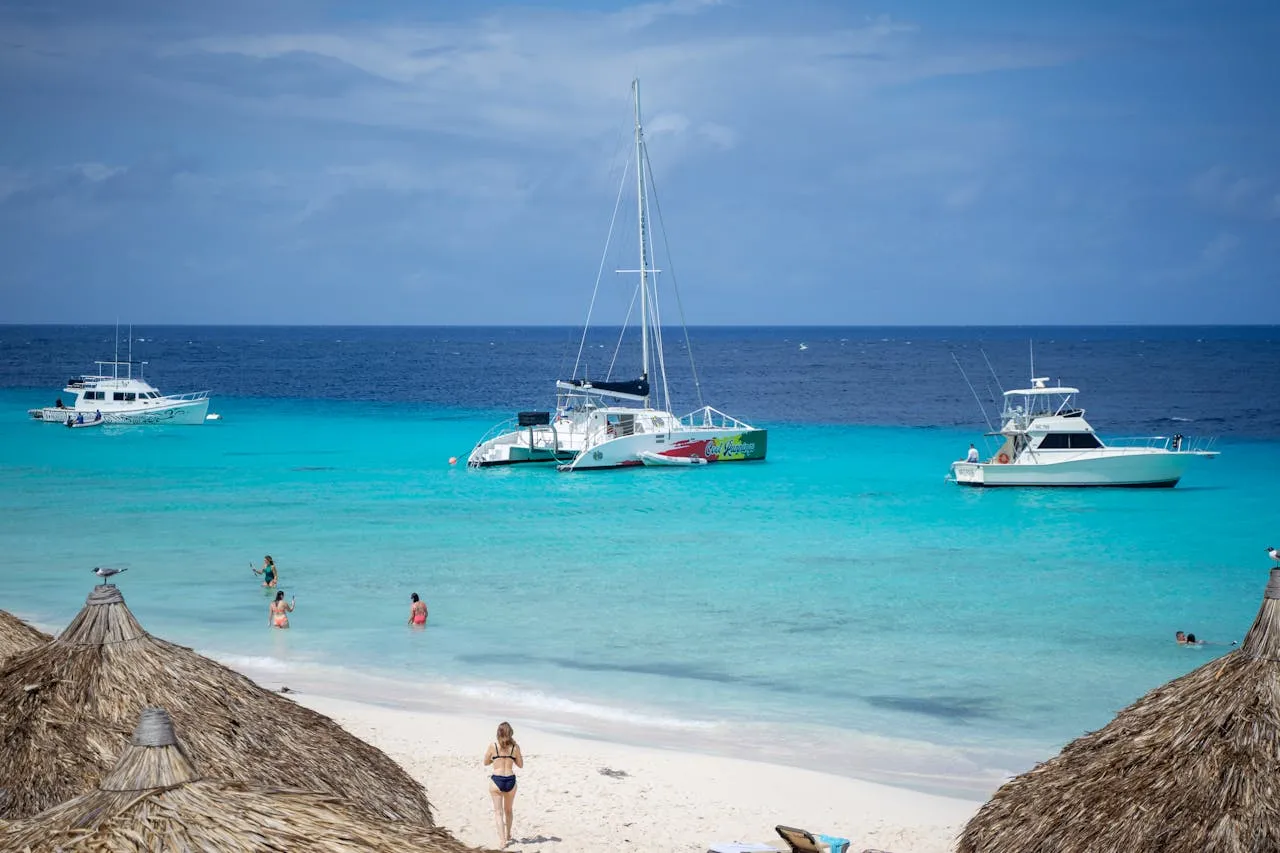
What's the Difference Between a Catamaran and a Yacht?
1. Structural Design
The most obvious difference between a catamaran and a yacht is the number of hulls. Yachts generally have a monohull design, which means that they have only one hull, whereas catamarans have two parallel hulls connected by a deck bridge in the middle. This design affects the appearance of the boat, and also directly determines their performance and feeling of use.
2. Yacht Classification
Luxury yachts have become synonymous with a privileged life at sea with their elegant monohull structure and complete facilities. Common yachts are usually between 50ft and 101ft in length, with spacious interiors, well-equipped, comfortable cabins and relaxation areas, suitable for long-distance cruising and recreational use.
When a yacht exceeds 220 feet in length, it becomes a superyacht. Superyachts have up to six decks, luxurious facilities and a full-time crew to provide the ultimate cruising experience, and Yachttrading has a wide range of yachts available for charter to meet the needs of different clients.
3. Catamaran Advantages and Applications
Catamarans have a long history and were originally invented by South Islanders for navigation and transport. Modern catamarans, on the other hand, incorporate advanced technology and have been upgraded both in terms of power plant and materials. Thanks to the reduced hydrodynamic drag between the two hulls, catamarans are more fuel efficient and can easily navigate in shallow waters. The structural design makes the boat more stable and comfortable to ride, and provides ample deck space, ideal for relaxation and parties.
In addition, catamarans are 25 per cent faster than traditional monohull yachts due to their lightness and structural advantages, reaching speeds of up to 15 knots, which explains their popularity in rowing. However, catamarans are more sensitive to load, and the number of passengers and the amount of equipment they are equipped with can directly affect their performance.
The Two Main Types of Catamarans
Depending on the source of power, catamarans can be divided into two main categories: power catamarans and sailing catamarans:
Power catamarans: also known as multihull power boats, these catamarans are equipped with powerful engines, no sails and masts, with a balanced power output and weight design, suitable for users with high requirements for speed and stability.
Sailing catamarans: These are smaller catamarans, made of lightweight fibreglass material. They are usually fitted with two small engines, combining the flexibility of a sailboat with the convenience of a powerboat.
While both catamarans and yachts can be used for cruising, they differ in the uses for which they are best suited. Catamarans, especially sailing catamarans, are often used for racing and short distances due to their speed and stability. Yachts, on the other hand, are more oriented towards long-distance cruising and luxury experiences for family leisure and social events.
There are also differences in the number of deck levels and cabin space. Yachts with multiple decks are designed to allow for a more three-dimensional space, while catamarans focus on a horizontal and spacious layout for a different on-board experience.
If you are interested in knowing more about yacht size, type and related charter or purchase information, please feel free to contact us, Yachttrading will provide you with professional yacht one-stop solution.