For many yachting enthusiasts, ‘Can a yacht travel around the world?’ is an intriguing and aspirational question. The answer is yes: yachts are fully capable of sailing around the world. However, such a voyage is not just a trip, but a large-scale sailing project that requires all-round preparation. Every step of the way, from the required sailing permits and professional crew to the equipment needed for the long voyage, needs to be planned meticulously.
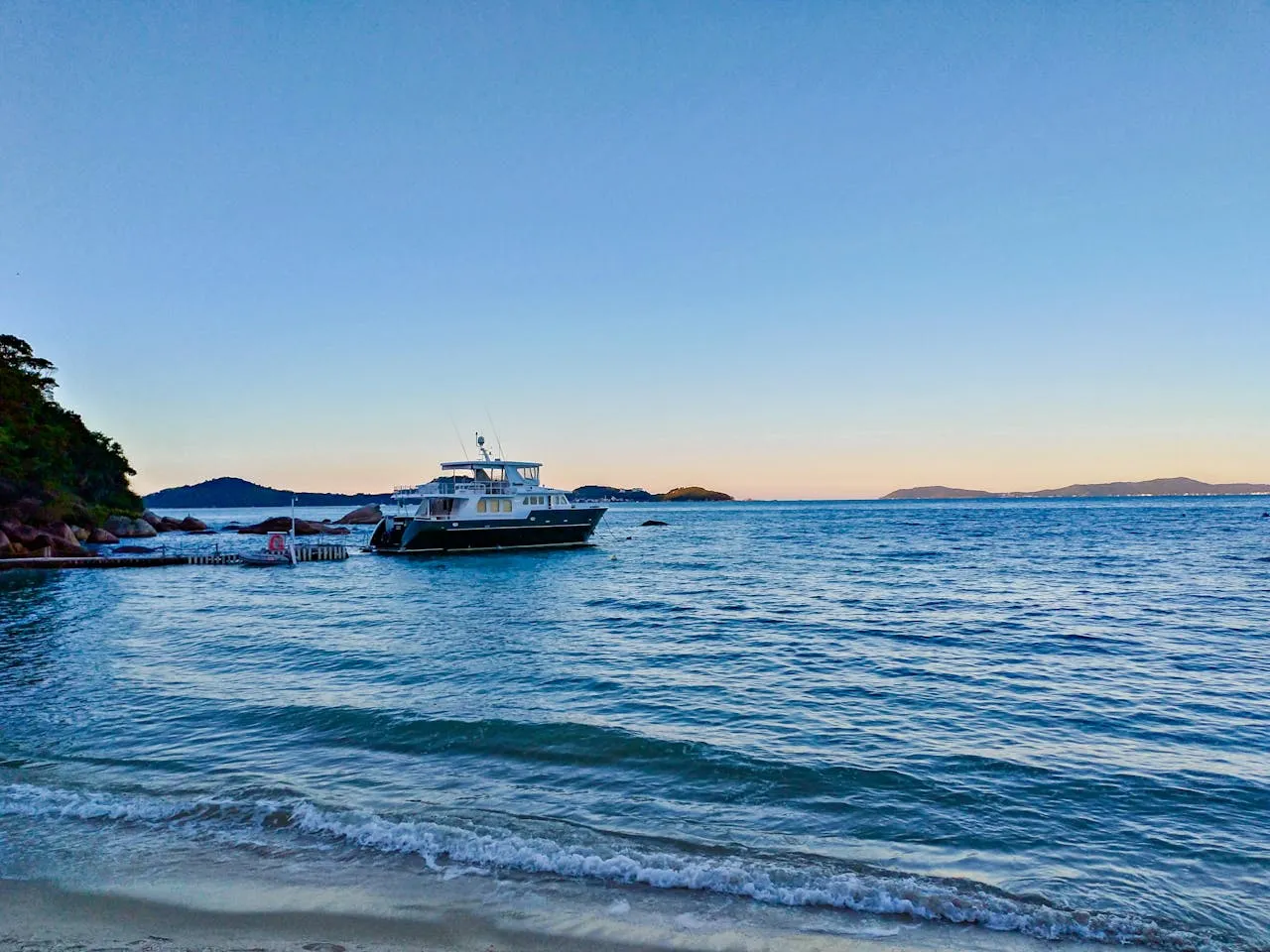
Can a Yacht Travel Around the World?
In terms of construction and performance, yachts on the market range from small yachts of less than 40 feet to superyachts of more than 300 feet. Generally speaking, larger yachts have greater navigational stability, are equipped with more advanced navigation and communication systems, and are better able to cope with the complexities of the maritime environment. In particular, some of the luxury yachts designed for ocean voyages are not only powerful, but also comparable to a villa on the sea - cinemas, gyms, wine cellars, helipads and so on, making long-distance voyages full of comfort and coziness.
To sail across the seas, a yacht needs to be self-sufficient. A 75-foot expedition yacht, for example, has a range of around 1,500 nautical miles. At the same time, high fuel and water reserves, an independent power supply, reliable communication equipment and comprehensive navigation instruments are all indispensable for the voyage. The hull design also pays more attention to wave resistance and structural stability to cope with the complex and changing marine climate environment.
Today's yachting technology is also constantly evolving to improve efficiency and comfort over long distances. For example:
Gyroscopic stabilisers significantly reduce hull rocking and improve the riding experience
Lightweight, high-strength materials such as aluminium alloys reduce drag, increasing speed and fuel efficiency.
Electric and hybrid power systems reduce energy consumption and emissions
Maritime Internet enables global high-speed network coverage
AI intelligent navigation and dynamic positioning system to enhance navigation safety
Hydrogen fuel cells, augmented reality display systems and other emerging technologies are gradually being applied to high-end yachts.
The application of these technologies makes sailing around the world more environmentally friendly, smarter and more comfortable.
What Are the Challenges of Sailing Around the World?
Of course, a round-the-world trip is never smooth sailing. The greatest uncertainty in sailing at sea comes from the weather. Storms, swells and sudden climatic changes can have a direct impact on the trip. Therefore, it is important to check the weather data in detail before sailing and to plan the route taking into account the tides and currents.
In addition, stocking up on supplies for the voyage is also a top priority. From fuel, food and drinking water to medicines and spare equipment, they all need to be scientifically configured according to the length of the journey and the number of crew members. The crew of a round-the-world yacht is not only ‘able to drive a boat’, but also need to master basic medical, navigation, maintenance, communication and other skills to ensure that they have the ability to cope with emergencies that occur in remote areas of the sea.
What Type of Yacht is Suitable for Round-the-World Cruising?
Different types of yachts have their own advantages and disadvantages in terms of sailing ability:
Power yachts: fast and well-equipped for quick transits, but require frequent refuelling;
Sailing yachts: environmentally friendly, quiet, relies on wind power to sail, experienced people are more able to experience the true beauty of sailing;
Luxury yachts: spacious and comfortable, with professional crews, they are the first choice for high-end customised voyages;
Catamarans: known for their stability and shallow draft, suitable for exploring shallow bays and islands.
What kind of yacht to choose should also be combined with the route characteristics, budget, operating experience and expected experience for comprehensive consideration.
Recommendations for Popular Yacht Sailing Routes in the World
If you are planning a yacht trip around the world, you may refer to the following popular routes:
Mediterranean Sea Circuit: shuttling through the Greek Islands, Croatian bays, Italy's Amalfi Coast and the south of France, combining history, cuisine and seascape.
Caribbean: sunshine, beach and coral reefs coexist, suitable for relaxation and short distance sailing, can be linked to St. Lucia, the British Virgin Islands and other islands.
Transatlantic Route: Sailing from Europe to the Caribbean via the Canary Islands, the voyage lasts around three weeks and is a real oceanic challenge to test the ship and crew.
Pacific Northwest Route: Starting from the west coast of Canada, explore the San Juan Islands and the pristine coast of Oregon along the coast, suitable for explorers who enjoy natural beauty.
South Pacific cruising: French Polynesia, Tonga, Fiji and other exotic islands are ideal for experiencing island culture and natural ecology.
Can a yacht travel around the world? The answer is undoubtedly. As long as you have the right type of boat, adequate sailing preparation and a heart that loves to explore, this journey can become a reality. Behind every voyaging yacht is the crystallisation of technology and experience, and every departure from the harbour is a new chapter in the world.
As a one-stop platform dedicated to providing yacht trading, transport, maintenance and customisation consultancy services, Yachttrading encourages every nautical dreamer to put ideas into practice.