To estimate yacht ownership cost, add the purchase price, acquisition fees, operating expenses over your holding period, financing interest and selling costs, then subtract the expected resale price. Keep annual running costs separate from depreciation and loan principal. Use itemised quotes and more than one resale scenario to compare the cash needed to buy a yacht with its long-term cost.
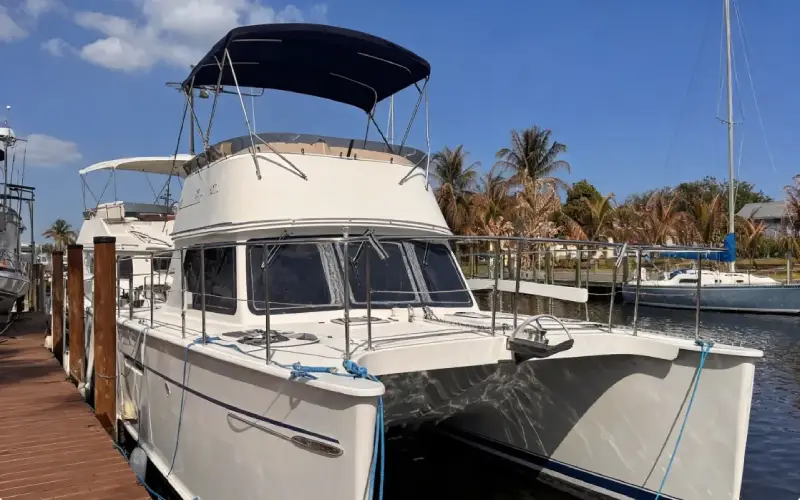
Annual Running Costs vs Upfront Budget vs Total Ownership Cost
Before calculating the cost of owning a yacht, it helps to separate three different budget views. They describe the same ownership scenario but answer different questions.
| Budget View | Main Costs Included | What It Answers |
|---|---|---|
| Initial Cash Needed | Purchase price + acquisition costs + initial work + first-year operating budget/reserve | How much cash may be needed to buy and start using the yacht? |
| Annual Operating Budget | Berthing + insurance + fuel + maintenance/repairs + cleaning/management + applicable recurring costs | How much may the yacht cost to operate each year? |
| Five-year Total Ownership Cost | Purchase price + acquisition costs + operating costs during ownership + financing costs + selling costs − resale price | How much may ownership cost over five years after resale? |
These figures should not be added together. They represent different views of the same ownership scenario.
For example, a yacht may require substantial cash at purchase because the buyer must cover the purchase price, transaction costs and the first year's budget. Its annual operating expenditure may then be much lower than the initial cash requirement. The five-year total ownership cost is a separate measure because it accounts for the yacht's expected resale value.
This distinction is particularly important when comparing a new yacht with a used yacht. A lower purchase price does not automatically mean a lower total cost of ownership (TCO), while a higher purchase price does not necessarily mean a higher annual operating budget.
How to Estimate Yacht Ownership Costs: Formula and Cost Categories
To estimate the total cost of owning a yacht over several years, use:Five-Year TCO = Purchase Price + Acquisition Costs + Operating Costs During Ownership + Financing Interest and Fees + Selling Costs − Expected Resale Price
This calculation separates the cash required to buy and operate the yacht from the economic cost of owning it over the full holding period.
In this example, financing costs mean interest and finance fees, not principal repayments. Resale value is the expected selling price before loan payoff; selling costs are listed separately. Do not add depreciation again, because the purchase-to-resale value change is already included.
Annual Operating Costs Are a Separate Calculation
Annual operating costs are the cash expenses required to keep the yacht running during ownership. A simple estimate is:
Annual Operating Expenses = Berth/Storage + Insurance + Fuel + Routine Maintenance/Repairs + Crew + Recurring Fees and Other Operating Costs
For help estimating each annual expense, see our annual yacht running cost calculation guide; use cash operating costs excluding depreciation in the multi-year ownership example.
The purchase-to-resale value change captures the economic effect of depreciation in this simplified TCO model.
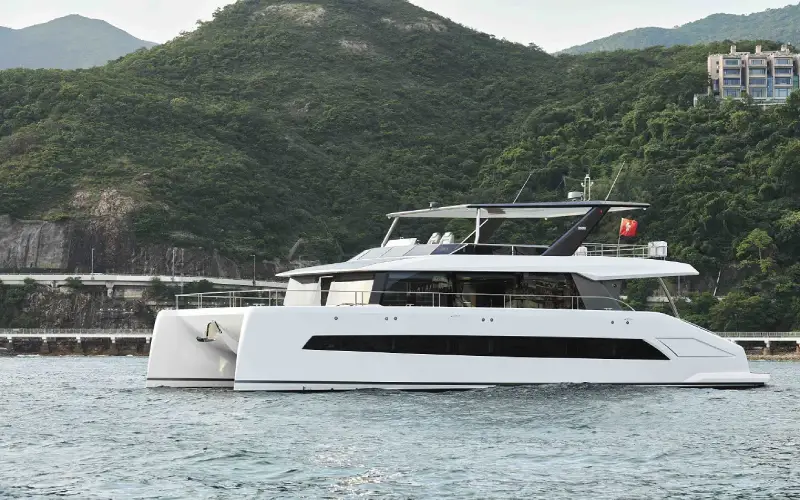
Worked Example: A 45-Foot Yacht Owned for Five Years
To provide a clearer picture of the annual operating costs of a yacht, the following budget estimate is based on a 45-foot family motor yacht.This is an illustrative assumption, not a market-cost or resale-value forecast.
For this example, assume:
- Yacht Size: 45 feet
- Purchase Price: $600,000
- Purchase Method: Cash purchase
- One-off Acquisition Costs: $30,000
- Ownership Period: 5 years
- Expected Resale Price After Five Years: $420,000
- Selling Costs: $20,000
- Loan Interest and Financing Fees: $0
- Additional Actual Modifications: $0
- Crew Arrangement: Owner-operated, without full-time crew
The operating figures below are illustrative assumptions rather than universal costs for every 45-foot yacht.
For demonstration, periodic costs that are not listed are temporarily set to zero. In an actual ownership budget, applicable storage, registration renewals, haul-out, management and other recurring costs should be added. Haul-out and similar expenses should not be counted twice if they are already included in the maintenance or service estimate.
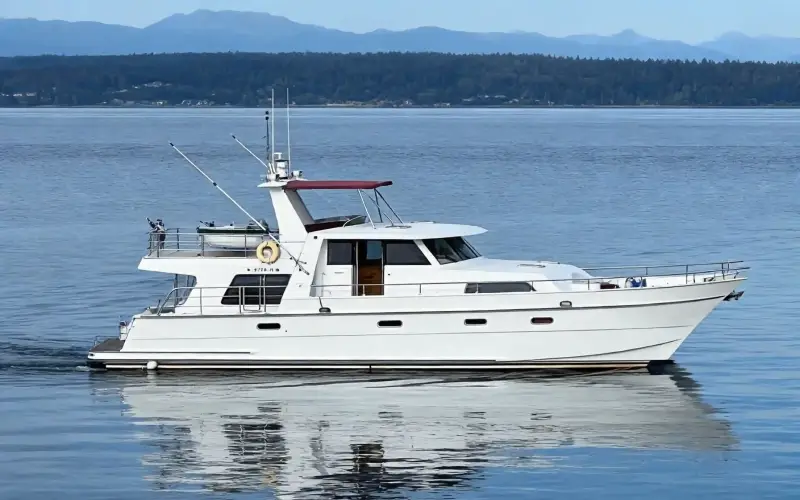
Illustrative Annual Yacht Ownership Budget
| Cost Item | Annual Expense |
| Berthing | $18,000 |
| Insurance | $6,000 |
| Maintenance and Repairs | $24,000 |
| Fuel | $15,000 |
| Cleaning and Management | $8,000 |
| Operating Costs Subtotal | $71,000 |
| Separate Repair Contingency Reserve | $10,000 |
| Budget Preparation Total | $81,000 |
The $71,000 subtotal represents estimated annual operating expenditure. The additional $10,000 is a separate contingency reserve for unexpected repairs and is not automatically counted as a TCO expense unless it is actually spent.
The $81,000 figure therefore represents annual budget preparation, not necessarily the amount that will actually be spent.
The equivalent monthly preparation amount is: $81,000 ÷ 12 = $6,750 per month
Five-Year Ownership Cost
Using the simplified TCO formula:TCO = Purchase Price + Acquisition Costs + Operating Costs + Selling Costs − Resale Price
The estimated five-year total cost of ownership is therefore:
- $600,000 + $30,000 + ($71,000 × 5) + $20,000 − $420,000 = $585,000
- $585,000 ÷ 5 = $117,000 per year
Assuming all other factors remain unchanged, the selling costs remain at $20,000.
| Expected Resale Price | Five-Year TCO |
|---|---|
| $320,000 | $685,000 |
| $420,000 | $585,000 |
| $520,000 | $485,000 |
Illustrative scenario, not a resale-value forecast.
Initial Cash Preparation
The amount needed to purchase and begin operating the yacht is different from the five-year TCO.Using the same assumptions:
- $600,000 purchase price
- $30,000 acquisition costs
- $71,000 first-year operating budget
- $10,000 repair contingency
The three figures answer different questions:
| Measure | Example Result | Meaning |
|---|---|---|
| Annual Operating Budget | $71,000 | Estimated annual operating expenditure |
| Annual Budget Preparation | $81,000 | Operating budget plus separate contingency reserve |
| Initial Cash Preparation | $711,000 | Purchase plus acquisition costs and first-year reserves |
| Five-year TCO | $585,000 | Estimated economic cost after resale |
| Average Five-year Cost | $117,000/year | Five-year TCO divided by five |
These figures should not be added together. They represent different views of the same ownership scenario.
Compare Yachts Within Your Budget
Compare new and used yachts based on purchase price, condition and long-term ownership costs.
👉 Compare Yachts for Sale
What Changes Your Budget? Crew, Condition, Usage and Location
Two yachts of similar length can have very different annual budgets depending on crew requirements, condition, usage, location, engine configuration and berth requirements.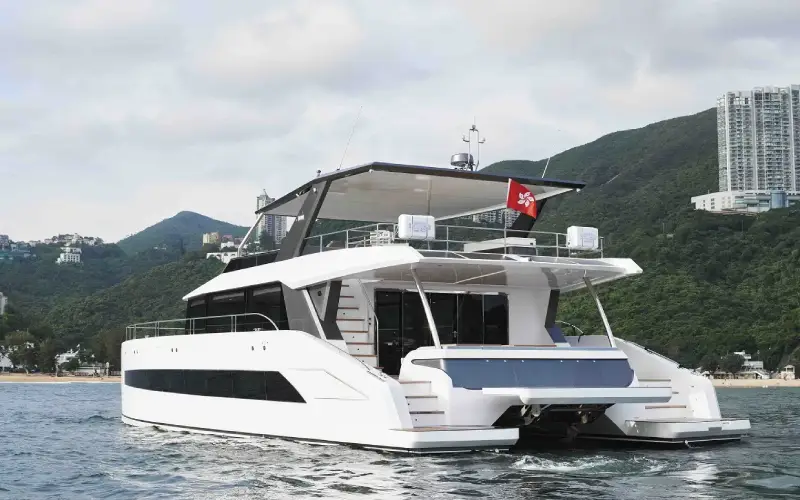
Crew Requirements
Crew can be one of the largest differences between yacht ownership budgets.A smaller yacht that is designed for owner operation may not require permanent crew, while a larger or more complex yacht may need a captain, engineer or additional crew. Crew costs can therefore change the annual budget much more than a simple percentage based on purchase price would suggest.
When estimating ownership costs, determine whether the yacht will be:
- Owner-operated, with no permanent crew
- Part-time crewed, using a captain or crew when needed
- Professionally managed and crewed, with recurring crew and management costs
Yacht Condition and Age
Purchase price does not tell you how much a yacht will cost to own.A lower-priced used yacht may require significant spending after purchase on engines, generators, electronics, air-conditioning, plumbing, electrical systems, hull maintenance or other equipment. Conversely, a well-maintained older yacht may require less immediate expenditure.
For a used yacht, the ownership budget should therefore consider:
- Recent maintenance and service history
- Engine and generator condition
- Age of major onboard systems
- Survey findings
- Upcoming replacement or refit requirements
- Availability and cost of spare parts
Usage and Cruising Hours
How often you use the yacht can have a direct effect on annual operating costs.Fuel is the clearest example. A yacht used for 300 cruising hours per year can have a very different fuel budget from the same yacht used for 50 hours, even if the two boats are identical.
Usage can also affect:
- Engine and generator servicing
- Consumables and cleaning
- Wear on equipment
- Haul-outs and maintenance
- Marina and cruising-related expenses
Location and Berthing
Where the yacht is kept can significantly change ownership costs.Marina fees vary by location and are often affected by both length and beam. A wider yacht may require a larger or more expensive berth even when its length is similar to another vessel.
Location can also affect:
- Marina and storage fees
- Haul-out and yard rates
- Insurance requirements
- Local taxes or registration costs
- Access to qualified technicians and spare parts
- Seasonal storage and transportation requirements
See our guide to yacht berthing costs for current fee details.
Yacht Size and Type
Larger yachts generally have more systems, larger engines and higher berthing requirements. However, length alone does not determine the final budget. A heavily used 40-foot performance yacht can have higher fuel and maintenance costs than a lightly used 50-foot cruising yacht.| Yacht Type | Main Ownership Cost Drivers |
| Power Yacht | Fuel consumption, engine maintenance, berthing |
| Flybridge Yacht | Larger berthing footprint, cleaning, systems maintenance |
| Sport / Performance Yacht | Engine use, fuel, performance-system maintenance |
| Power Catamaran | Twin engines, wider beam, berthing, systems |
| Monohull Sailboat | Rigging, sails, engine maintenance, antifouling |
| Catamaran Sailboat | Two engines, larger beam, rigging and sail maintenance |
Yacht type affects ownership costs through factors such as fuel consumption, engine count, beam, rigging, systems complexity, maintenance requirements and berth size. These categories should not be treated as fixed cost rankings because actual expenses vary with the yacht's age, condition, usage, location and service level.
A Practical Budget Check
Before finalizing an ownership budget, check these variables against the yacht you are considering:- Crew: Owner-operated, part-time or permanent crew
- Condition: Survey findings and upcoming maintenance
- Usage: Expected cruising and engine hours per year
- Location: Marina, storage and local service costs
- Size: Length, beam and berth requirements
- Configuration: Engines, generators and onboard systems
- Age: Likely replacement and refit requirements
Treat percentage-of-value estimates as an initial cross-check, not a substitute for quotes. A lower-priced used yacht can still need substantial maintenance, while crew arrangements, berth size and cruising hours can change the budget significantly.
Overlooked Yacht Ownership Costs: Upfront, Recurring and Exit Costs
The purchase price is only one part of the total cost of buying and owning a yacht. Some expenses occur before or at delivery, others continue throughout ownership, and additional costs may arise when the yacht is eventually sold. For first-time buyers, these costs are often the most easily overlooked. If not factored into the budget in advance, it is easy to find oneself short of funds at the handover stage.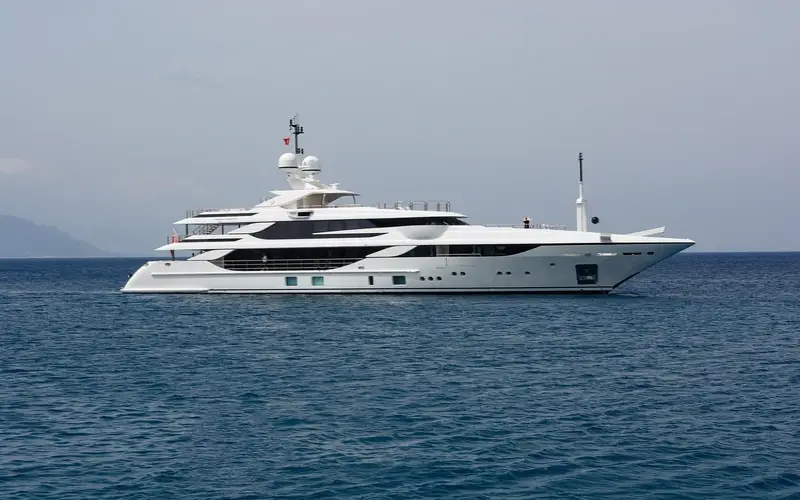
Upfront Costs
These are costs that may arise during the purchase, delivery or initial setup of the yacht:- Marine Survey and Sea Trial: An independent survey and sea trial can help identify structural, mechanical and systems issues before closing
- Taxes and Purchase-Related Fees: Depending on the transaction location and the yacht's status, buyers may need to account for applicable VAT, sales tax, customs duties or other transaction charges
- Initial Registration: Registration, documentation and flag-related fees may apply depending on the chosen registration and ownership structure.
- Delivery and Transportation: Moving a yacht from the seller's location to its new home port may involve road transport, specialist delivery, insurance, port charges or other logistics costs
- Initial Repairs and Upgrades: Buyers may choose to address survey findings or make modifications immediately after purchase, such as replacing equipment, upgrading electronics or improving onboard systems
For a fuller acquisition checklist covering surveys, taxes, legal fees, escrow and delivery, see our yacht closing costs guide.
Recurring Costs
Some expenses begin with the purchase but are not one-time costs. Insurance is a common example: the initial policy may be paid when the yacht is acquired, but coverage normally needs to be renewed during subsequent years.Recurring ownership costs can include:
- Insurance renewals
- Marina and berthing fees
- Routine maintenance and servicing
- Haul-outs, storage and winterization where applicable
- Crew and yacht management
- Annual registration, inspection or other recurring charges where applicable
- Fuel and consumables based on actual usage
For current insurance cost details, see the cost of boat insurance in 2026.
Exit Costs
Ownership costs do not necessarily end when the yacht is listed for sale. Selling a yacht can involve its own expenses, particularly if the owner wants to prepare the vessel for the market.Potential exit costs include:
- Brokerage commission and transaction fees
- Pre-sale repairs or cosmetic work
- Survey and preparation costs requested by a buyer
- Continued berthing, insurance and maintenance while the yacht is on the market
- Transportation or delivery costs associated with the sale
Why These Costs Matter
The easiest way to underestimate yacht ownership costs is to budget only for the purchase price and recurring operating expenses. A more complete calculation should separate upfront acquisition costs, recurring ownership costs and eventual exit costs.This structure also helps prevent the same expense from being counted twice and provides a clearer basis for calculating both the first-year cash requirement and the longer-term total cost of ownership.
New vs Used and Ownership vs Charter: Compare the Same Assumptions
The purchase price alone does not show which yacht option is more economical. A meaningful comparison should use the same assumptions for yacht size, location, condition, usage, service level and ownership period.Comparing a new yacht with a heavily used yacht, or a fully crewed charter with an owner-operated yacht, can produce misleading results.
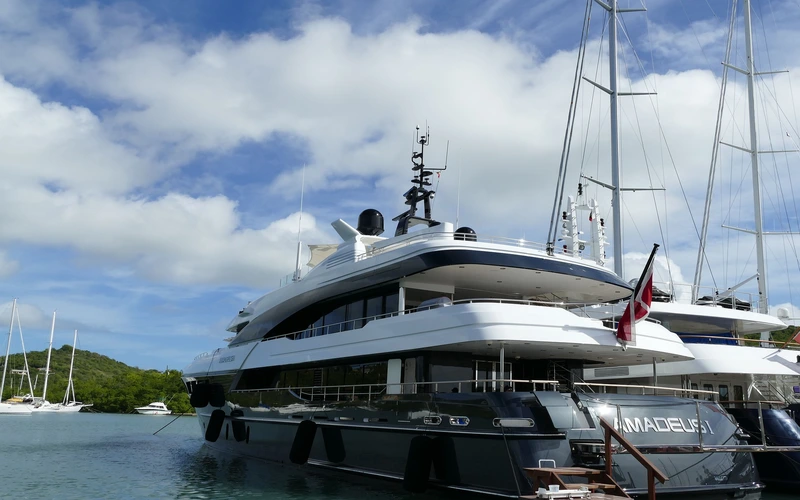
New vs. Used: Compare the Total Cost, Not Just the Purchase Price
A used yacht may have a lower entry price, but its condition and upcoming maintenance can materially change the first-year and long-term budget. A new yacht usually requires more upfront capital but may have lower immediate repair and replacement requirements.
| Cost Factor | New Yacht | Used Yacht |
|---|---|---|
| Purchase Price | Generally higher | Generally lower |
| Initial Repairs | Usually limited, depending on specification and commissioning | May be significant depending on survey findings |
| Warranty | Often provides manufacturer coverage | May have limited or no remaining warranty |
| Maintenance | Predictable at first, but routine servicing still applies | Can be higher if major systems are approaching replacement |
| Upgrades | Often optional equipment or owner customisation | May require upgrades to meet the owner's requirements |
| Resale Value | Depends on depreciation and market conditions | Depends heavily on age, condition and maintenance history |
The right comparison is therefore not simply new purchase price vs. used purchase price. For a used yacht, include survey findings, deferred maintenance, upcoming equipment replacement and planned upgrades when estimating the initial cash requirement and five-year TCO.
Ownership vs. Charter: Use the Same Usage Assumptions
There is no universal number of cruising days that makes ownership cheaper than chartering. Compare annualised ownership cost with charter quotes for a similar yacht, location and level of service, using the same usage assumptions.| Cost Factor | Yacht Ownership | Yacht Charter |
|---|---|---|
| Initial Cash Requirement | Purchase price plus acquisition and setup costs | Usually limited to charter payments and required deposits |
| Annual Cost | Operating costs such as insurance, berthing, maintenance and crew where applicable | Charter fees plus costs excluded from the quotation |
| Location | Same market or region as the charter comparison | Same market or region as the ownership comparison |
| Fuel & Crew | Included in the operating budget where applicable | Add separately if not included |
| Asset Value | Yacht retains potential resale value, subject to market conditions and selling costs | No ownership asset |
| Availability | High control over when and how the yacht is used | Depends on availability and booking terms |
| Long-Term Cost | Depends on annualised ownership cost after operating expenses, financing costs and expected resale value | Depends on cumulative charter spending, including applicable excluded costs |
For ownership, do not add fuel, crew or other operating costs twice if they are already included in the annual operating budget. For charter, use the actual quotation and add only the costs excluded from the quoted price.
Resale value should be treated as a scenario rather than a guaranteed recovery amount. A higher or lower resale price can materially change the annualised ownership cost.
To compare equivalent usage and test your own break-even assumptions, see our guide to buying a yacht vs chartering.
Assumptions, Sources and Review Information
The 45-foot yacht example in Section 3 is illustrative and is not a market-cost or resale forecast. The $71,000 annual operating cost, $30,000 acquisition cost, $420,000 resale value and other figures are example assumptions used to demonstrate how yacht ownership costs can be calculated.
Sources
The following sources provide supporting context for boat standards, insurance, certification, and yacht ownership-cost calculations. They do not establish the illustrative dollar amounts used in the 45-foot yacht example.
- American Boat & Yacht Council (ABYC) Standards - Boat standards and technical context
- BoatUS Boat Insurance - Insurance-related context
- National Marine Manufacturers Association (NMMA) Boat & Yacht Certification Standard - Boat certification and standards context
- Yacht Ownership Cost Calculator - General ownership-cost calculation reference
This guide was prepared by the YachtTrading editorial team and reviewed against publicly available brokerage listings, yacht valuation references, brand model information and common ownership-cost benchmarks. Because yacht prices vary by condition, location, engine hours, specification and market demand, all price ranges should be treated as general guidance rather than fixed offers.
Disclaimer
The content herein is for informational purposes only and is intended to share the author's personal experiences and perspectives. It does not constitute legal, tax, or investment advice. Yacht transactions involve complex legal, financial, and technical matters. Actual purchasing processes may vary due to regional regulations, vessel type differences, or individual circumstances.
Before making any yacht purchase decisions, readers are advised to consult licensed professionals (such as attorneys, tax advisors, licensed yacht brokers, or surveyors) for personalized guidance tailored to their specific situation. Neither the author nor the publisher shall be liable for any direct or indirect losses arising from reliance on the information provided herein.
FAQ
Q1: How do I calculate the total cost of owning a yacht?
A: Calculate yacht ownership cost by adding the purchase price, acquisition costs, operating expenses during the ownership period, financing interest and fees, and selling costs, then subtracting the expected resale price. For a multi-year comparison, divide the resulting TCO by the number of ownership years to estimate the average annual economic cost.
Q2: Is the 10% rule enough for a yacht ownership budget?
A: The 10% rule can be used as a rough screening benchmark, but it is not sufficient for a detailed ownership budget. Actual costs depend on berthing, insurance, maintenance, fuel, crew, usage, condition and location.
Q3: Does yacht ownership cost include depreciation and resale value?
A: Yes. If you subtract the expected resale price from the purchase price, the yacht's value change is already reflected. Do not add depreciation again.
Q4: How should I include a boat loan?
A: Include loan interest and finance fees in TCO, but do not add principal repayments again when the full purchase price is already included.
Q5: Which costs do first-time yacht buyers often overlook?
A: Commonly overlooked costs include surveys, taxes, registration, delivery, initial repairs, refits and selling costs.
Q6: Does a used yacht always cost less to own?
A: No. A lower purchase price can be offset by higher maintenance, repairs and refit costs.