Quick Answer:
Most yacht owners should budget 8%–12% of the yacht’s market value per year for maintenance.
For older yachts or high-usage vessels, annual maintenance can reach 15% or more.
For example, maintaining a $1 million yacht typically costs $80,000–$120,000 annually.
Table of Contents:
1. Key Factors Affecting Yacht Maintenance Costs
2. Yacht Maintenance Costs: How to Plan Your Budget?
3. 7 Practical Strategies to Reduce Yacht Maintenance Costs
4. Summary
5. FAQ
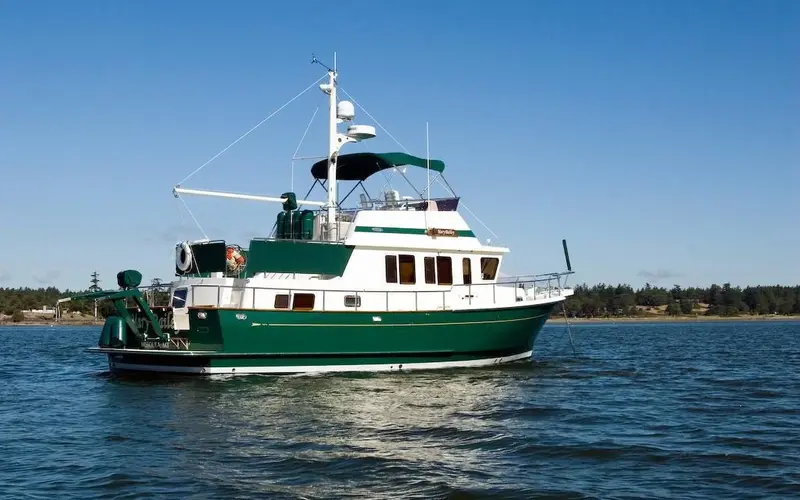
Buying a yacht is a dream for many people. Owning a yacht is not only a luxurious indulgence but also entails managing ever-changing maintenance costs. From the initial purchase to years of use, every yacht buyer faces the challenge of managing these expenses. Over time, maintenance demands often increase, particularly when the yacht is used frequently. Understanding the factors driving these costs and implementing effective budget planning can help owners enjoy their voyages while avoiding costly maintenance expenses.
In the following sections, we will analyze several key factors influencing yacht maintenance costs and propose practical strategies to help you plan your budget wisely, extend your yacht's lifespan, and enhance its resale value.
1.Key Factors Affecting Yacht Maintenance Costs
Yacht maintenance costs are a reality every yacht owner must confront. Whether newly acquired or in service for years, understanding the factors influencing these costs is crucial for budget planning. Below are key factors affecting yacht maintenance expenses:
1).Yacht Size and Type
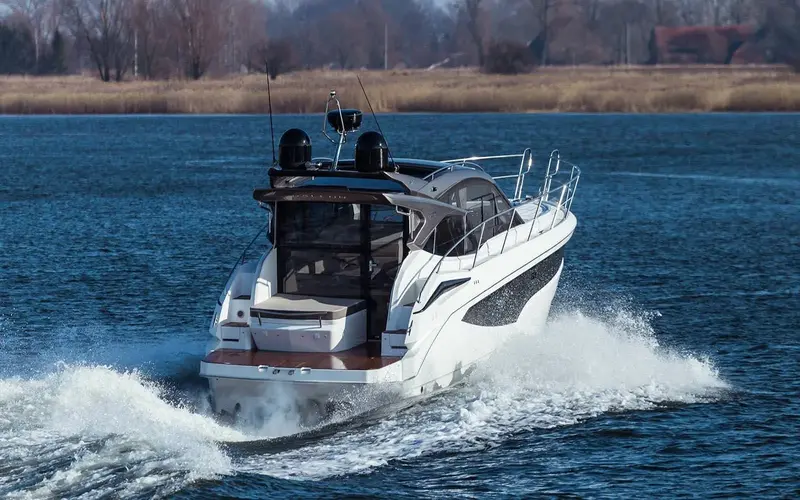
Larger yachts typically require more maintenance and incur higher yacht maintenance cost. As noted in the article “Superyacht vs Standard Yacht,” increased size brings greater structural complexity and more extensive facilities, leading to higher maintenance expenses. The yacht's classification—such as sport, leisure, luxury, or superyacht—also influences maintenance requirements, with varying frequencies and costs across different categories.
2). Age and Usage Frequency
Maintenance costs for newer yachts are typically lower, while older vessels or those used frequently tend to drive up annual expenses. In one budget assessment, a three-year-old yacht with high usage incurred approximately 20% higher maintenance costs than a new yacht of the same model, with the most significant differences observed in engine maintenance and consumable usage.
3). Storage Conditions and Climate
Storage methods and climatic environments also impact maintenance expenses. For instance, operating yachts in highly corrosive seawater environments or prolonged exposure to harsh weather necessitates additional anti-corrosion and rust prevention measures, which elevate maintenance costs.
4). Professional Labor and Repair Costs
Yacht maintenance relies heavily on skilled technicians. I once arranged an engine service for a client in Miami where labor costs were nearly double those for a comparable service in North Carolina. Significant regional variations in labor expenses exist, with repair costs typically higher in high-end vacation destinations or popular ports—a factor that directly impacts annual maintenance budgets.
5). Hull and Engine Technology Levels
While modern equipment elevates initial yacht costs, it represents a strategic investment in reducing long-term maintenance expenses. For instance, digital engine monitoring enables precise early warnings to prevent issues before they arise. The article “Sailing vs Motor Yacht” notes that although the system complexity of motor yachts leads to higher maintenance costs, the introduction of such technologies helps control the rapid escalation of maintenance expenses.
The reason yacht maintenance costs vary so widely is due to differences in size, age, usage frequency, and storage environment—these factors essentially determine how much you'll spend annually.
2. Yacht Maintenance Costs: How to Plan Your Budget?
After understanding the key factors affecting yacht maintenance costs, the most pressing issue for yacht owners is how to transform these “variables” into a “manageable budget.” The table below clearly outlines estimated expenditures for each category, helping you intuitively answer two questions: Where does the money primarily go? How much should be allocated for each item?
| Budget Planning Factors | Content Description | Budget Recommendations |
| Regular Maintenance | Routine maintenance including daily inspections, cleaning, and engine servicing. | It is recommended to allocate approximately 30%-40% of the total maintenance budget annually to ensure the normal operation of basic equipment and extend its service life. |
| Hull and Mechanical Repairs | Hull anti-corrosion treatment, mechanical component repairs, and engine maintenance. | A reserve of 10%-20% should be set aside within the annual budget for timely repairs addressing potential hull damage and mechanical component replacements. |
| Equipment Upgrades and Replacements | Upgrades or replacements of high-end equipment such as navigation systems and communication devices. | Equipment upgrades should be conducted every 3-5 years. It is advisable to allocate 5%-10% of the annual budget for this purpose to address technological advancements and facility aging. |
| Storage and Climate Protection | Berthing fees, hull protection, and additional costs incurred during adverse weather conditions. | Based on geographical location and climatic conditions, it is recommended to allocate 10%-15% of the budget to ensure protective measures for the yacht in extreme environments. |
| Insurance Costs | Includes comprehensive insurance and liability coverage. | Insurance costs typically account for 1%-2% of the yacht's value. It is advisable to assess appropriate coverage based on the yacht's market value and usage frequency. |
| Professional Personnel and Services | Covers expenses for crew members, maintenance engineers, and related personnel. | It is recommended to set aside 15%-20% of the annual budget for technical services and crew wages to ensure timely maintenance by professionals. |
| Contingency Expenses | Contingencies for unexpected breakdowns and unforeseen expenditures. | It is advisable to establish a contingency reserve of 5%-10% to cover unforeseen expenses such as sudden mechanical failures or accidental damage. |
In short, by pre-allocating maintenance costs by category, your yacht annual budget can remain both manageable and within limits.
⚠️ Budget Alert:
1.Ratios are not fixed: For older vessels/high-frequency use, increase “Unforeseen Expenses” to 15% and “Scheduled Maintenance” to 45% to avoid copying gaps.
2.Upgrade Based on Age: Prioritize mechanical repairs for vessels over 10 years old; avoid blindly upgrading equipment.
3.Insurance Documentation: Retain maintenance records as per “How Much is Boat Insurance for a $20,000 Vessel?” requirements to prevent “improper maintenance” claim denials.

3.7 Practical Strategies to Reduce Yacht Maintenance Costs
Throughout my yachting career, I've encountered numerous owners who purchased identical models yet faced vastly different yacht upkeep cost. On one occasion, two clients purchased yachts with nearly identical initial prices, yet one incurred significantly higher maintenance expenses due to equipment complexity and inadequate upkeep. This experience highlighted that yacht maintenance costs are not solely tied to the initial purchase price but are also closely linked to factors like the propulsion system and equipment management. Drawing from these insights, I've developed the following strategies to help owners plan budgets effectively and reduce long-term maintenance expenses.
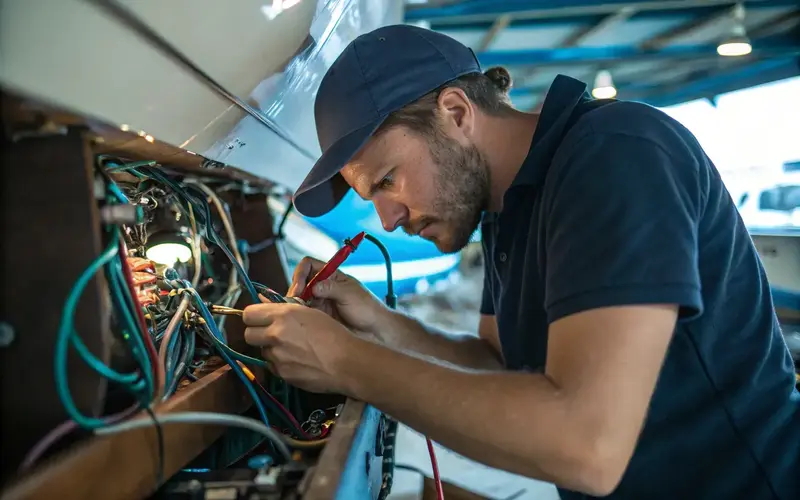
1). Conduct Regular Inspections of Electrical and Navigation Systems
Regular checks of electrical and navigation systems help identify issues early, preventing failures that could disrupt voyages.
Key inspection items:
- Battery performance and charging systems
- Wiring and circuit integrity
- Navigation system updates and calibration
2). Use High-Quality Materials and Components
Premium materials and parts extend service life, reduce failures, and lower long-term maintenance costs.
Optimal Choices:
- Corrosion-resistant materials
- Wear-resistant components
- High-efficiency batteries and power generation systems
3). Implement Regular Preventive Maintenance
Routine inspections and upkeep prevent potential issues, minimizing costly repairs from sudden failures.
Implementation Recommendations:
- Regular cleaning and visual inspections
- Comprehensive overhauls of power systems and mechanical equipment
- Scheduled replacement of worn components
4). Optimize Storage Conditions and Climate Protection
Proper storage minimizes weather damage to the yacht and reduces repair expenses.
Storage and Protection Measures:
- Provide a dry, temperature-controlled storage environment
- Apply rust and corrosion prevention treatments
- Implement moisture protection and protective covers
5). Enhance Energy Efficiency and Fuel Economy
Efficient energy management lowers operating costs and extends engine lifespan.
Optimize fuel systems:
- Regularly inspect engines and fuel systems
- Adjust sailing patterns to optimize fuel consumption
- Utilize high-efficiency propulsion systems
6). Select Appropriate Repair and Maintenance Services
Choosing professional repair services minimizes unnecessary expenses.
Selection guidelines:
- Verify repair facility qualifications and experience
- Maintain regular communication with service providers to avoid delays
- Compare quotes and service quality from different providers
7). Strategically Plan Insurance Costs
Avoid over- or under-insurance through prudent coverage to ensure effective risk management.
Optimize Insurance Strategy:
- Select insurance tailored to yacht type and usage frequency
- Adjust coverage limits based on actual usage
- Periodically review policies to ensure premiums align with protection
For more detailed information, refer to the article “2025 Yacht Maintenance Guide.” By implementing these strategies, owners can not only effectively reduce maintenance costs but also ensure the long-term healthy operation of their yachts. These methods help owners optimize budgets, minimize unnecessary expenses, extend the yacht's lifespan, and enhance navigational safety. Furthermore, a well-maintained yacht becomes more attractive when selling your yacht, making it easier to find buyers and securing a higher resale value.
4. Summary
Overall, yearly yacht maintenance costs typically range from 8%–12% of the vessel’s value, depending on age, size, and usage frequency.Planning a yacht maintenance budget is a task no boat owner can afford to overlook. Understanding the key factors that influence costs and establishing an annual plan in advance helps reduce long-term expenses while keeping the yacht in excellent condition. From regular maintenance and proper storage conditions to professional repairs and adequate insurance coverage, each choice extends the vessel's lifespan, minimizes unexpected expenses, and enhances future resale value. By implementing these practical strategies, owners can enjoy the pleasures of sailing with greater cost control while ensuring safety and performance.
5. FAQ
Q1: How much should I budget for yacht maintenance cost each year?
A: Plan on 8–12 % of the boat’s value, 15 % for older or heavily-used hulls. That single line in your yacht annual budget covers 90 % of the cost to maintain a yacht before surprises arise.
Q2: Which small chores, if skipped, explode the yacht upkeep cost later?
A: Battery top-ups, anode swaps and cooling-system flushes. Ignore them and you’ll double your yearly yacht maintenance spend when the engine overheats or the running gear pits.
Q3: What maintenance tasks can I handle myself?
A: Cleaning, battery checks, and basic rust prevention can be done yourself. For critical systems like engines and electrical circuits, consult a professional technician.
Q4: Should older boats undergo equipment upgrades?
A: Address mechanical issues first before considering upgrades. Only when the hull is stable and the engine is in good condition should you update navigation or communication systems.
Q5: Are maintenance records truly valuable?
A: Extremely valuable. Comprehensive records enhance resale value and buyer confidence—never discard receipts.
About the Author:
Andrew Rogers is a seasoned yacht broker with extensive experience in maritime transactions and maintenance. He specializes in assisting clients with yacht purchases and evaluations tailored to their individual needs, offering customized acquisition plans and market insights. With years of industry expertise, Andrew has become the preferred advisor for numerous yacht owners and investors, ensuring their yacht investments receive optimal management and returns. He also actively promotes yacht safety and technological innovation, dedicated to enhancing client experiences and maximizing yacht value.
Disclaimer:
The information provided herein is for reference only. Yacht maintenance costs and budget planning vary based on owner requirements, vessel type, usage environment, and regional differences. All recommendations and strategies are based on general experience and industry practices; actual circumstances may differ. When purchasing, maintaining, or budgeting for a yacht, we advise consulting professional yacht brokers, maintenance engineers, or financial advisors to ensure alignment with your specific needs and circumstances. The content herein does not constitute investment advice or financial counsel of any kind. All actions and decisions remain your sole responsibility.