Quick Answer: What a $20,000 Boat Owner Should Budget
For a $20,000 recreational boat, there is no single “standard” insurance premium. The final quote depends on the boat type, horsepower, age, operating waters, storage location, owner experience, claims history and selected coverage. Use this guide as a planning framework, then compare quotes from licensed insurers or brokers in your state.
| Usage Scenario | How Premiums Typically Change | Factors to Confirm With Insurer |
|---|---|---|
| Freshwater lake, seasonal use, lower horsepower | Often falls into a lower pricing range | Boat age, storage method, liability limits |
| Nearshore recreational use, year-round ownership | May cost more due to increased exposure | Navigation area, marina location, towing coverage |
| Hurricane-prone coastal area, high-performance boat, limited owner experience | Can increase significantly | Storm deductibles, navigation restrictions, renewal conditions |
Insurance pricing is not based only on the boat’s purchase value. A $20,000 fishing boat and a $20,000 performance boat can receive very different quotes because insurers evaluate the overall risk profile.
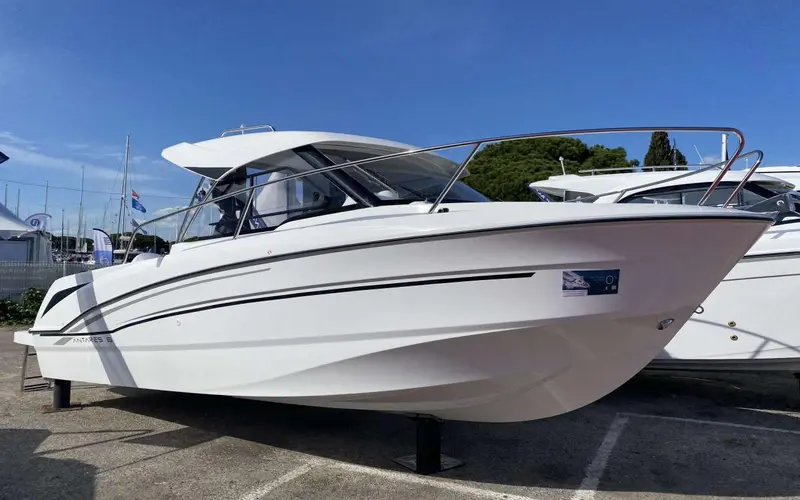
Why a $20,000 Boat Does Not Have One Fixed Premium
Many owners assume a $20,000 boat should have a predictable insurance cost. However, insurers evaluate several factors before producing a quote.
A lower-value boat can still represent a higher insurance risk if it:
- Operates in hurricane-exposed waters
- Has a powerful engine
- Is stored in an exposed marina
- Travels offshore
- Has limited maintenance records
- Is operated by an inexperienced owner
Conversely, a well-maintained freshwater boat stored securely may receive more favorable pricing.
Published insurer data can provide general market context, but it should not be treated as a guaranteed quote. For example, Progressive has published average boat insurance costs based on its own policy data, showing differences between states. These figures reflect Progressive customers and coverage profiles, not every insurer or every $20,000 boat.
The 7 Quote Factors That Matter Most
Whether the boat is worth $20,000 or significantly more, insurers generally consider these core factors:
Boat Type and Engine Power
A small fishing boat, pontoon boat, cruiser and performance boat create different levels of risk.
Higher horsepower vessels or boats designed for speed may have higher premiums because repair costs and accident exposure can increase.
Operating Area
Where the boat is used matters significantly. Freshwater lakes generally have different risk profiles from coastal waters. Coastal regions may involve:
- Storm exposure
- Saltwater corrosion
- Higher traffic density
- Greater towing demand
Boat Age and Condition
Older boats are not automatically expensive to insure, but poor maintenance history may increase underwriting concerns. Documentation such as:
- Maintenance records
- Recent surveys
- Equipment upgrades
can help insurers better understand the vessel condition.
Owner Experience
Insurance companies may consider:
- Boating experience
- Safety training
- Previous claims history
- Operator qualifications
Experienced owners with good safety records may present lower risk.
Storage and Marina Conditions
Storage location affects exposure. Examples include:
- Private dock
- Covered storage
- Yacht club marina
- Trailer storage
The insurer may evaluate theft risk, storm exposure and security conditions.
Coverage Selection
Higher protection levels generally increase premiums. Owners should compare:
- Liability limits
- Hull coverage
- Deductibles
- Additional protection options
rather than choosing based only on price.
Claims History
Previous claims may affect underwriting decisions and renewal pricing.
Insurers review claim frequency, claim severity and the type of incidents involved.
Liability-Only vs Full Coverage for a $20,000 Boat
Choosing insurance for a $20,000 boat is not only about the premium — it is about deciding how much financial risk you are comfortable taking.
Some owners choose liability-only coverage to protect against costs caused to others, while others prefer full coverage to protect the boat itself from unexpected losses. The right choice depends on how you use the boat, where it is stored, and whether you could afford major repair or replacement costs.
Liability Coverage
Liability insurance is designed to protect you if your boat causes injury or property damage to another person or vessel.
It may help cover:
- Third-party bodily injury claims
- Damage to another boat, dock, or marina property
- Legal defense costs related to covered claims
Physical Damage / Hull Coverage
Physical damage coverage protects your own boat against certain losses.
Depending on the policy, it may include:
- Collision damage
- Theft
- Fire
- Storm-related damage
- Other covered physical losses
For a $20,000 boat, owners should consider whether replacing the vessel after a major loss would create a significant financial burden.
Additional Coverage Options
Many insurers also offer optional protections that can be added based on your boating habits, such as:
- Medical payments coverage
- Emergency towing and assistance
- Uninsured or underinsured boater coverage
- Pollution liability coverage
Before choosing a policy, compare the coverage limits, deductibles, exclusions and navigation restrictions — not just the annual premium. A lower-cost policy may leave important risks uncovered, while broader coverage can provide greater financial protection.
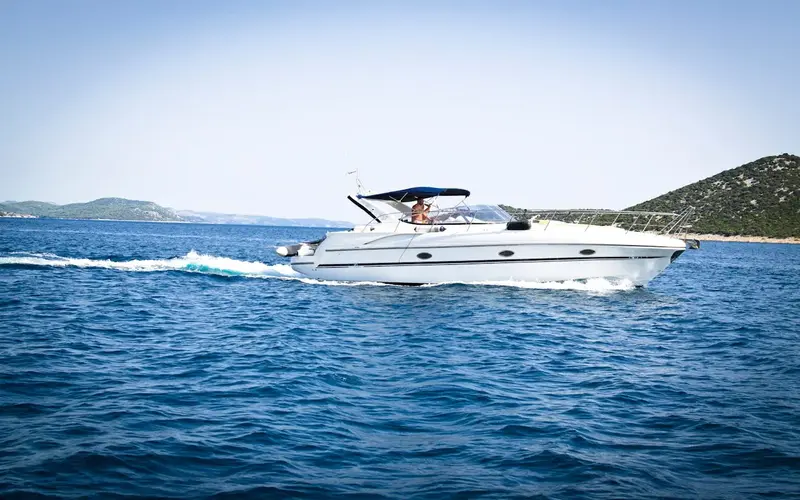
How Deductibles Change Your Out-of-Pocket Risk
A deductible is the amount the owner pays before insurance coverage applies.
Generally:
- Higher deductibles may reduce premium costs
- Lower deductibles usually increase premiums
However, the best deductible is not always the highest available option.
A $1,000 deductible may feel manageable for one owner but create financial stress for another.
When comparing policies, consider:
- Annual premium difference
- Potential repair costs
- Boat value
- Emergency budget
Freshwater, Coastal and Hurricane-Prone Areas
Where you operate and store your boat can have a major impact on insurance pricing. A $20,000 boat used on an inland freshwater lake may receive a very different quote from the same boat kept in a coastal hurricane-prone area.Coastal states such as Florida often face higher insurance considerations because of factors including:
Storm and Hurricane Exposure
Areas exposed to hurricanes, flooding and severe storms may require insurers to account for a greater possibility of weather-related claims. Policies in these regions may also include specific storm deductibles or coverage conditions.Coastal Navigation Risks
Compared with inland freshwater boating, coastal operation may involve:- Higher vessel traffic
- More complex navigation conditions
- Greater towing and emergency assistance needs
- Increased exposure to saltwater-related damage
- Marina and Storage Environment
Longer Boating Seasons
Some coastal areas allow year-round boating, which can increase operating exposure compared with regions where boats are used only during a shorter seasonal period.Regional Underwriting Differences
Insurance availability, pricing and coverage options vary by insurer, location and vessel profile. A coastal boat owner should confirm navigation limits, storm-related coverage terms and storage requirements before purchasing a policy.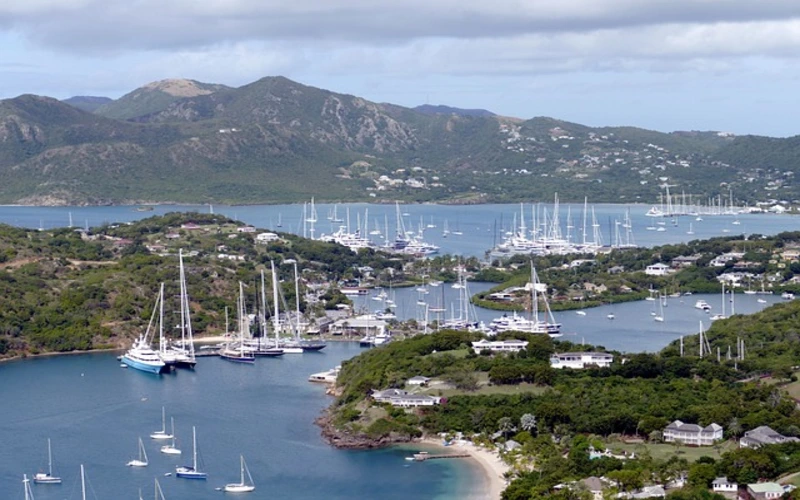
What to Ask Before Comparing Boat Insurance Quotes
Before choosing a boat insurance policy, do not compare prices alone. Ask insurers a few key questions to understand what the policy actually covers and whether it fits your boating needs.Coverage Details
Confirm:- What does the hull and physical damage coverage include?
- Are collision, theft, fire or storm-related losses covered?
- What exclusions should I be aware of?
- What liability limits are available?
Usage and Navigation
Ask whether the policy matches your actual boating habits:- Is my operating area covered?
- Are there offshore or coastal restrictions?
- Are hurricane-prone areas subject to special requirements?
Costs and Deductibles
Understand the real cost of the policy:- What deductible options are available?
- Are payment plans offered?
- Are there discounts for safety equipment or boating experience?
Required Information
Insurers may request:- Boat make, model and year
- Engine details
- Storage location
- Navigation area
- Claims history
- Survey or maintenance records (if required)
Monthly Payments: What to Confirm With the Insurer
Many boat owners prefer monthly payments because they make annual ownership costs easier to manage. However, monthly installments are only a payment option — they do not necessarily change the total cost of the insurance policy.
To estimate your monthly insurance budget:
Annual premium ÷ 12 = estimated monthly cost
Before choosing a payment plan, confirm:
- Whether monthly installments are available
- Whether additional installment fees apply
- When payments are due
- Whether missed payments could affect coverage
Keep in mind that insurance is only one part of boat ownership expenses. A realistic monthly budget should also include:
- Fuel and operating costs
- Storage or marina fees
- Routine maintenance
- Registration and documentation fees
- Unexpected repairs
For a $20,000 boat, understanding the full ownership cost — not just the monthly insurance payment — helps you choose coverage that fits your long-term budget.
When a $20,000 Boat May Need a Survey
A marine survey is not required for every $20,000 boat, especially newer vessels or boats with straightforward ownership histories. However, some insurers may request a survey before providing coverage, particularly when they need more information about the boat’s condition or value.
A survey may be requested when:
- The boat is older or has limited maintenance records
- The insurer needs to verify the vessel’s condition before underwriting
- The boat has major upgrades, repairs or custom modifications
- The owner wants broader coverage or higher insured value
A marine survey typically evaluates:
- Hull and structural condition
- Engine and onboard systems
- Safety equipment
- Estimated market value or replacement considerations
For a lower-value recreational boat, a survey may not always be necessary. However, having updated documentation can make the insurance process smoother and help both the owner and insurer better understand the vessel’s condition.
About the Author:
Reviewed for accuracy by Yacht Trading Editorial Team.
Market references are reviewed periodically and linked to insurer or regulatory sources where available.
This article is for general educational purposes and is not insurance, legal or financial advice.
Disclaimer:
This content is for general informational purposes only and does not constitute legal, financial, or insurance advice. Specific premiums, coverage scope, and claim terms may vary by insurer, state regulations, vessel type, and individual circumstances. Before making any insurance purchase, vessel operation, or financial decisions, consult a licensed insurance broker, legal counsel, or relevant professional. The author and this website assume no liability for any loss or responsibility arising from the use of this information.
FAQ
Q1: How much is boat insurance for a $20,000 boat in 2026?
A: There is no fixed price. Premiums depend on boat type, location, coverage choices, storage method, owner history and insurer underwriting.
Q2: Is full coverage worth it on a $20,000 boat?
A: It depends on the boat’s condition, financing situation, usage and the owner's ability to absorb repair or replacement costs.
Q3: Does a $20,000 boat need liability insurance?
A: Requirements vary by state, lender and marina. Many owners choose liability protection because third-party claims can exceed the boat’s value.
Q4: Why is boat insurance more expensive in coastal areas?
A: Coastal areas may involve higher exposure to storms, hurricanes, saltwater damage, heavier traffic and towing risks.
Q5: Can I pay boat insurance monthly?
A: Many insurers offer installment options, but payment terms vary.
Q6: Does raising the deductible reduce boat insurance premiums?
A: A higher deductible may reduce premiums, but owners should compare the savings against potential out-of-pocket costs.
Q7: Do lenders or marinas require boat insurance?
A: Many lenders and some marinas require insurance before financing or allowing dockage.
Q8: What information do insurers need for a boat insurance quote?
A: Common information includes: the boat’s make and model, year of manufacture, value, engine specifications, mooring location, cruising area, and the owner’s experience.