Painting a boat is a very important task that can make an old boat look like new. Painting a boat is not only about the aesthetics of the boat, the paint on the boat also protects it from damage caused by weather, water, plants and animals. Regardless of the size of your boat, painting your boat is a must-do. In this guide, we will look at the steps and ways to paint your boat.
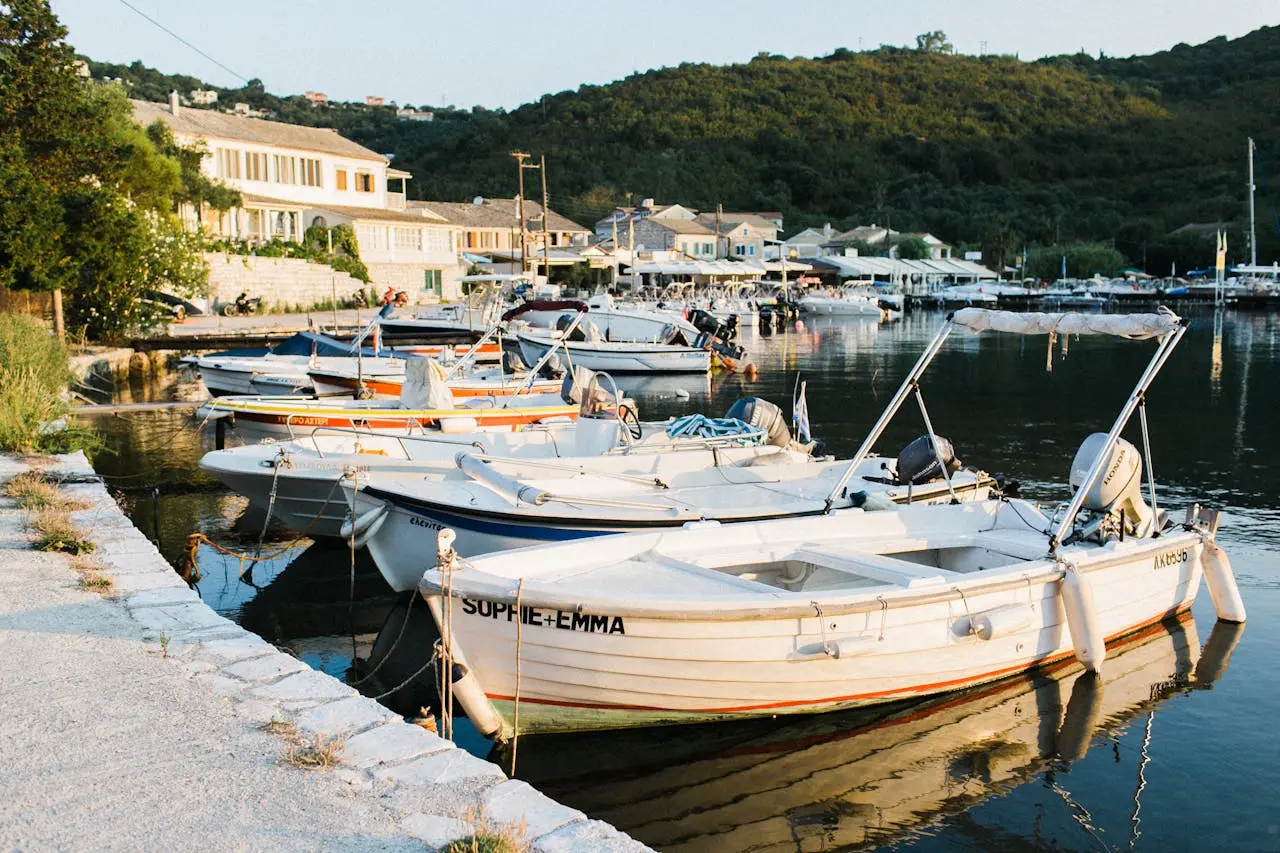
Preparing your boat for painting
Most of the work in creating the perfect paint finish for a boat is in the prep. Any surface damage to the boat has to be filled and sanded until the surface of the hull is absolutely smooth. This is usually a process that needs to be repeated, and each time it is filled and sanded, the results can be made even better. When painting a boat, it is important that any previous layers of the boat are firmly adhered to the substrate and also sanded to ensure that the surface of the boat is flat so that the final finish of the boat does not show brush marks or other imperfections. It is also important that any changes in the thickness of the remaining paint should result in as smooth a transition as possible.
Once prepared, it's time to start applying the thick slurry primer, a step that exposes any remaining smile imperfections and makes it easier to sand them away. The final preparation before painting involves sanding with medium-grit sandpaper to allow the new paint to adhere easily, after which the surface is cleaned and degreased with a rag moistened with methylated spirits.
Removing the old paint coating
When repainting a boat, it is best to remove the previous paint coating completely if it is not in good condition, as this prevents the new paint from being applied to poorly adhering materials and ensures that the new coating adheres firmly. However, many conventional paint strippers are not suitable for fiberglass boats as they not only remove the paint, but also cause serious damage to the gelcoat and substructure. A common method of removing old paint from fiberglass hulls is by mechanical sanding.
However, many non-slips paint coats are difficult to remove by sanding, and if the existing paint coat is in good condition, a thorough cleaning and degreasing is all that is required before applying new paint. However, if the existing paint has poor adhesion on the boat, it is best to remove it. The safest thing to do is to use a suitable stripper and take extra care when removing it to avoid damaging the hull's gelcoat.
Applying more layers of paint
The number of layers of paint that need to be applied to a boat is influenced by a number of factors, especially if the difference between the new paint color and the old paint color is significant. For those who are looking for the best paint job, the boat should look perfect after the primer is applied. When painting a boat, it is possible to apply more than one coat of paint. It may be necessary to start with two coats of primer, followed by three coats of intermediate paint, followed by two to three coats of topcoat. If a better paint finish is sought, two additional coats of topcoat can be applied.
When spray painting a boat, more coats are needed because each coat is much thinner than if applied with a brush or roller. However, sprayed coats of paint dry quickly, so it is best to complete several thin coats within a specific time frame
Spray painting of decks, bilge tops and cockpits
When painting decks, cabin tops and cockpits, however, sufficient time needs to be set aside for completion as there are many small areas that cannot be maneuvered with large applicator tools. Today's vessels are often visually unappealing when the entire deck and cabin tops are painted with non-slip paint. Therefore, in the early stages of planning a painting job, time needs to be spent on which type of paint should be used for locations such as decks, cabin tops and cockpits. Whilst larger deck spaces make it easier to apply paint with a roller, for those areas that are small and difficult to man oeuvre, it's best to apply paint with a brush.
Ways to Paint a Boat
Of the ways to paint a boat, the preferred way for most professionals is spraying. However, for some do-it-yourself boat owners, spraying has many drawbacks. For example, in the UK, spraying is best done in a sheltered environment and requires a high level of expertise so that the paint does not run and sag. In addition, other vessels in the vicinity need to be fully protected with dust sheets to prevent them from being affected by the spray paint.
For amateurs, when painting a boat, it is best done with two people working together. One person applies the paint using a small roller, while the other uses a wide brush to make marks in vertical strokes, which creates a smooth finish. This method is more labor intensive, but if followed up with a polishing process, the final finish can be as perfect as a sprayed finish and avoid a host of problems associated with spraying.