Both catamarans and trimarans are popular choices in the boat trading world, and both have their advantages. Catamarans are spacious and comfortable, while trimarans offer excellent speed and stability. From their design and construction to their performance characteristics, they differ significantly, so as a buyer, how do you choose between these two types of boats? This guide compares the benefits and design and construction differences between these two types of boats and can teach you to make an informed choice.
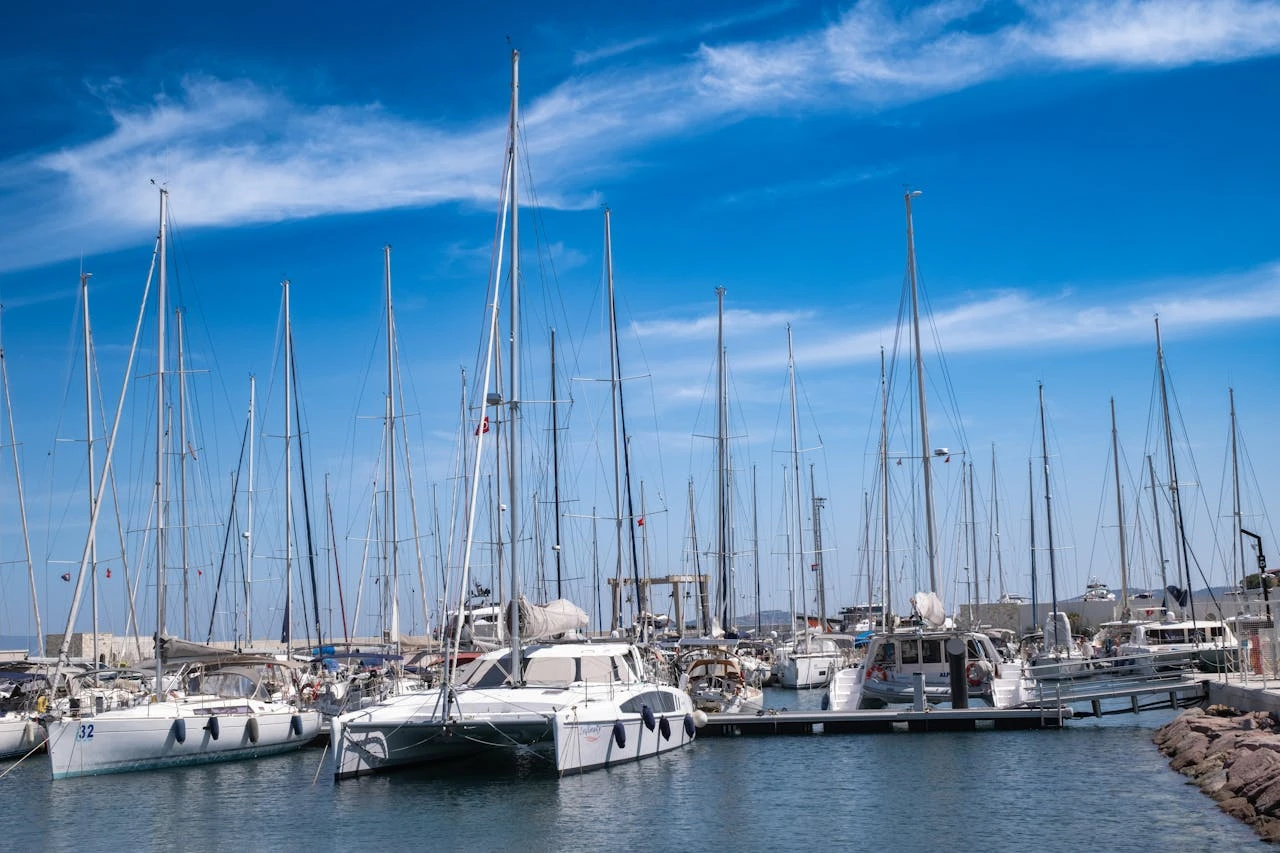
Advantages of Catamarans vs. Trimarans Comparison
If you're thinking of buying a boat, or planning a family holiday on the water, you're likely to buy both a catamaran and a trimaran. Here is a comparison of the benefits of these two types of boats:
Catamaran Advantages
A catamaran is a type of multihull boat that is connected together by a wide beam. This design gives the catamaran stability and speed advantages, making it a very popular choice for both long-distance sailing and racing. Compared to a trimaran, a catamaran has a more spacious interior with larger cabins and more storage space.
Catamarans are popular for their sailing performance due to their speed and agility. Its double hull construction allows it to travel easily on the water and is popular with sailing enthusiasts. Catamarans are stable, fast and spacious and offer a comfortable sailing experience.
Trimaran Advantages
A trimaran is also a type of multihull, but it features three hulls, with two smaller outrigger hulls attached to a larger central hull, which carries most of the boat's functions. This unique design makes a trimaran more stable than a catamaran, making it ideal for those who desire to navigate safely in rough waters.
Trimarans are easy to navigate in rough sea conditions due to their stable hull structure, as they have a smaller turning radius and are easier to man oeuvre in tight spaces. However, trimarans are not as good as catamarans in terms of livability because they have a much lower weight capacity than catamarans, and they sail at a relatively large angle of inclination, which makes it more difficult to man oeuvre around the boat.
Differences in the design and structure of catamarans and trimarans
There are obvious differences in the design and structure of catamarans and trimarans. Below are some of the design and structural differences between the two types of vessels:
Geometry and hydrodynamics
There are significant differences between catamarans and trimarans in terms of shape and hydrodynamics. Geometrically, a catamaran is made up of two parallel hulls connected to a central platform, while a trimaran is made up of a central hull and two outrigger hulls attached to a beam. Catamarans have a unique sense of balance and stability, while trimarans offer good stability and adaptability in a wide range of water conditions.
In terms of hydrodynamics, catamarans have a smaller central hull than trimarans, while trimarans have less resistance when travelling through the water due to a longer and narrower central hull and a smaller wetted surface area. When travelling in bad weather and high winds, trimarans tend to be faster than catamarans.
Performance and speed
Due to their unique hull design and less hydrodynamic drag, trimarans are often faster than catamarans for the same size and weight. However, the catamaran itself is lighter and its sail position is more advantageous when sailing in smooth conditions, in which case the catamaran may be faster than the trimaran.
Weight
Catamarans and trimarans also differ in terms of weight. Catamarans are lighter on average because they have one less hull than a trimaran, require less structure and ballast, and have a higher load capacity for long distance sailing and liveaboard living. The weight of a trimaran is mostly concentrated in the center hull, and this weight distribution gives it better stability and performance in rough seas and headwinds.
Comfort and space
Catamarans usually have larger cabins and more storage space, providing plenty of room for storing gear and personal belongings on long journeys. Trimarans, on the other hand, have smaller cabins and storage space, which tends to make passengers feel constricted when travelling long distances. However, most trimarans have adopted storage solutions such as double lower lockers and overhead storage racks, which provide a substantial increase in space and comfort, sometimes even surpassing that of catamarans.
Sideloading and Capsizing
Both catamarans and trimarans can tip sideways during sailing, but trimarans are more stable with their three hulls and are less prone to capsizing than catamarans. However, in bad sea conditions, if the wave height is more than half of the beam, the trimaran may still capsize, but the trimaran has special buoyancy, even if it capsizes, it will not sink.
How to choose between a catamaran and a trimaran?
When choosing between a catamaran and a trimaran, it is important to consider key factors such as the boat's intended use, performance, available space and budget. Specifically, it's important to be clear about your main sailing goals, such as whether you're looking for speed and comfort, or for cruising and racing. Be clear about the amount of living and storage space you need, and know the stability and performance characteristics you value most, and think about whether you're willing to compromise on space or speed for your preferred boat type. If you want more space when travelling with a companion and are looking for a comfortable and slow sailing experience, go for a catamaran; conversely, if you're more interested in speed and excitement, then a trimaran may be the best choice for you.