As the editor of a platform specialising in providing one-stop service for yacht pricing consulting, trading, transportation and maintenance, today Yachttrading would like to talk to you about an issue that we are often concerned about - how fast does the yacht go? The speed of a yacht is affected by a variety of factors, including the design of the yacht, the hull structure, the length of the hull and the environmental conditions, etc. Therefore, the speed of different types of yachts varies significantly. Below, I will provide a detailed breakdown of the speed performance of various yachts and discuss the key factors affecting speed.
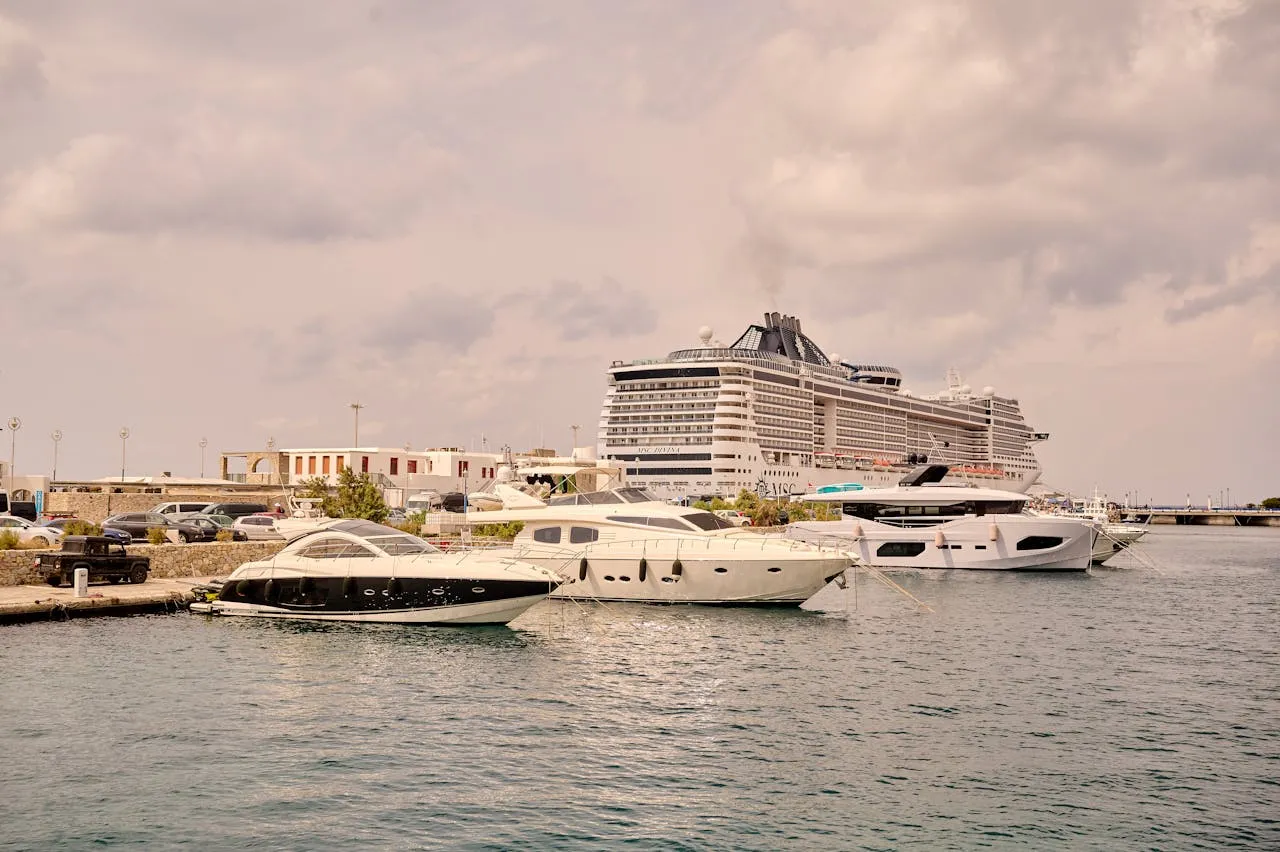
How Fast Does the Yacht Go?
The speed of a yacht is closely related to its size and type. Generally speaking, superyachts and sports yachts can exceed 30mph, while models such as deck boats and cruisers have an average speed of around 23mph. Sailboats and pontoon boats, on the other hand, are relatively slower, averaging around 10 mph. Specifically, the speed ranges for different yacht types are as follows:
Sailing yachts: ranging in length from 20 feet to over 100 feet, with average speeds between 4.5 and 10 mph.
Motor yachts: span a wide range of sizes, from 35 feet to over 200 feet, with an average speed of around 23 mph.
Catamarans: generally between 30 and 80 feet, with speeds between 6.9 and 8 mph.
Trawlers: mostly between 40 and 100 feet in length, with a speed range of about 11 to 13 mph.
Expedition yachts: larger in size, 70 to 400 feet, with speeds between 13 and 15 mph.
Flybridge yachts: sizes start at 50 feet and can reach top speeds of 31 to 35 mph.
Sport fishing yachts: relatively small, 30 to 70 feet, with speeds of up to 34 to 38 mph.
As you can see from the above figures, the design and purpose of different yachts directly affects their speed performance.
So what factors determine the speed of a yacht? The main ones include design and hull type, hull length, wind conditions and sail adjustment balance.
Key Factors Affecting the Speed of a Yacht
1. Design and Hull Type
The design of a yacht directly determines its speed in the water. Yachts with a streamlined design can reduce water resistance and thus increase speed. Motor yachts, for example, use a sliding hull, a flatter structure that allows the hull to partially float at high speeds, reducing frictional resistance and achieving higher speeds.
Sailboats, on the other hand, tend to use displacement hulls, where the entire boat is mainly submerged in the water, which is slightly less fast but more efficient and manoeuvrable. Multihulls (e.g. catamarans) find a balance between speed and stability.
2. Hull Length
Typically, the longer the hull, the higher the yacht's potential top speed. This is due to the fact that the increased waterline length directly increases the ‘submerged speed’ of the yacht, while the longer hull helps to optimise weight distribution and improve stability. Longer hulls can be fitted with more powerful engines or longer masts, resulting in more power and faster sailing speeds.
3. Wind Conditions
The effect of wind on a yacht's speed is particularly noticeable, especially in the sailing sector. Downwind will increase the speed of the yacht, while upwind will limit the speed. Side winds can be challenging, but a properly adjusted rig will allow a sailboat to move at a faster speed. The strength of the wind affects sailboats, but also the speed and fuel efficiency of motor yachts, even if they are not directly propelled by the wind.
4. Sail Balance
The speed of a sailboat cannot be increased without precise sail regulation. A proper balance of forces between the mainsail and the foresail helps to maximise the use of wind energy and reduce drag, while keeping the boat stable and avoiding tilting. Reasonable adjustment of the sail gear not only improves efficiency, but also brings a smoother sailing experience.
The speed of a yacht is not determined by a single factor, but rather by a combination of design concept, hull structure, length and size, wind conditions and the balance of the sail gear. Sleek design and longer hulls contribute to speed, while wind direction and sail trim directly affect a sailboat's performance. Understanding these key factors can help yachtsmen to better choose the right type of boat for them and enjoy both fast and safe sailing.
I hope today's sharing can give you a clear understanding of ‘how fast does the yacht go’. If you want to know more about yachts or need a one-stop yacht service, please feel free to contact our platform, Yachttrading will provide you with professional support and advice.