



To determine whether buying a sailing boat is right for you, start by considering three key questions.
- Do you enjoy the act of sailing itself, rather than just the leisure activities once you reach your destination?
- Are you willing to invest time in learning about sailing and gradually improving your skills?
- Do you have a consistent amount of time available to actually use and maintain the boat?
If you’ve answered ‘yes’ to most of these questions, then a sailing boat may be more than just an investment; it could become a lifestyle that you’ll continue to enjoy for many years to come.
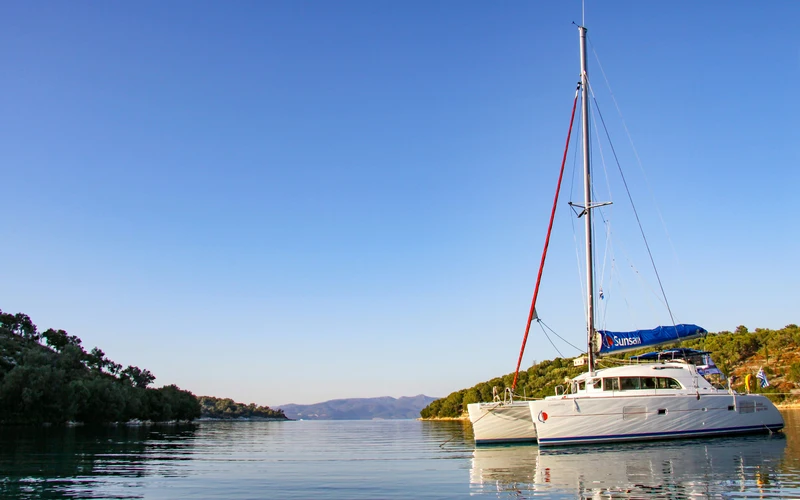
Who is best suited to buying a sailing boat?
Those best suited to buying a sailing yacht are usually not simply those seeking luxury or the largest possible vessel, but rather those who embrace the sailing experience itself and are willing to invest their time in life at sea. The appeal of a sailing yacht lies not merely in its appearance whilst moored at the quay, but in the sense of participation, exploration and achievement that each voyage brings.
Those who enjoy exploration and a challenge
For those who enjoy exploring uncharted territories, sailing offers a truly unique way to travel. Compared to travelling by aeroplane or staying in hotels, sailing offers owners greater freedom; they can adjust their route according to the weather, the season and their personal interests, exploring bays, islands and coastlines that are difficult to reach through conventional means of tourism.
Many sailing enthusiasts are not driven by a desire for speed, but rather by the enjoyment of the ever-changing nature of the voyage. For example, adjusting the sails as the wind shifts or re-planning the route when sea conditions change—these processes all give the skipper a greater sense of involvement. This is why many people with years of sailing experience still consider sailing to be a sport worth continually learning.
If you enjoy outdoor activities, the natural environment and the process of constantly honing your skills, then sailing can usually provide long-term enjoyment.
For those who wish to helm the vessel themselves
One of the greatest features of sailing is that the owner can truly participate in the entire voyage.
When operating a motor yacht, much of the control centres on engine management and steering, whereas sailing requires more comprehensive judgement. For example, the owner must observe changes in wind direction, adjust the angle of the sails, control the boat’s trim according to sea conditions, whilst simultaneously considering the route, safety and weather factors.
This highly engaging sailing experience holds great appeal for those who enjoy mechanics, sport or learning new skills.
Of course, this also means that sailing involves a certain learning curve. Beginners usually need to master basic sailing knowledge, including navigation, knot-tying, safe operating procedures and fundamental maintenance skills. However, as they gain experience, many boat owners discover that sailing itself is one of the greatest joys of owning a yacht.
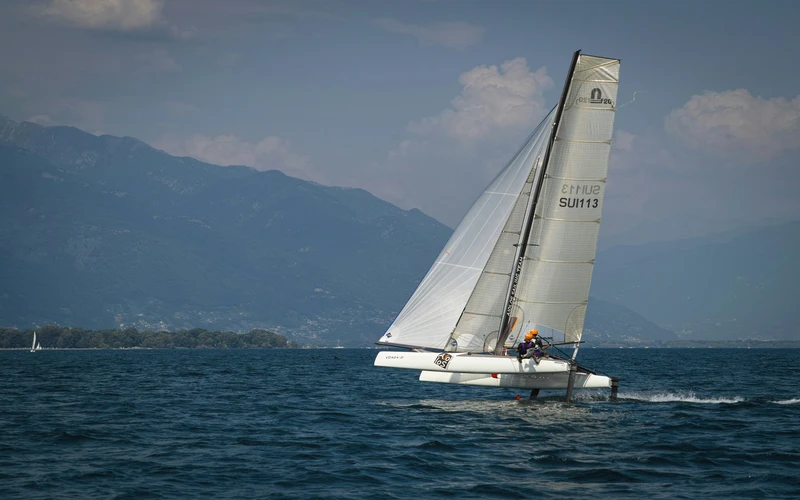
Those with a regular amount of time to enjoy life at sea
Before purchasing a yacht, many people focus solely on the purchase price, whilst overlooking the time commitment required to own one.
A yacht is not like an ordinary consumer good; it requires maintenance even when moored for long periods. Cleaning the hull, checking the engine, maintaining the sails, servicing the electrical system and inspecting safety equipment are all responsibilities that fall to the boat owner.
Consequently, those best suited to owning a sailing boat generally have a relatively stable schedule. For example, retirees, remote workers or those with extended annual holidays are better placed to make the most of their sailing boat.
If you can only go out to sea a few times a year and do not have the time to carry out maintenance, purchasing a large sailing boat may prove rather stressful. In such cases, a small sailing boat, a shared vessel or a charter service may be a more sensible option.
Those wishing to create unique experiences with their families
A sailing boat is also an ideal maritime platform for family use.
Unlike a typical holiday, a family sailing trip allows all members to participate in the entire process. From planning the route and preparing supplies to learning basic sailing skills, everyone can play a part in the voyage.
For families with children, sailing also offers unique educational value. Children can learn about weather changes, maritime knowledge and teamwork in a real-world environment, rather than simply experiencing the trip as tourists.
However, when using a sailing yacht as a family, special attention must be paid to the layout, safety features and living comfort. A sailing yacht suitable for family cruising does not necessarily need to be very large, but it must have adequate berthing space, storage space and good living facilities.
Those planning long-term voyages or round-the-world trips
For those who dream of ocean-going voyages, a sailing yacht may be a vital tool for achieving their goals.
Long-term sailors typically focus not only on comfort, but also on the vessel’s reliability. For example, they consider whether the hull structure is robust, whether there is sufficient water storage capacity, whether the yacht can cope with varying weather conditions, and whether the equipment is easy to maintain.
Ocean-going voyages also place greater demands on a boat owner’s experience. In addition to selecting a suitable boat type, one must also learn about weather analysis, maritime safety, maintenance skills and long-distance route planning.
Consequently, those planning a round-the-world voyage do not typically choose a sailing boat based solely on price, but place greater emphasis on the boat’s design philosophy, build quality and long-term reliability.
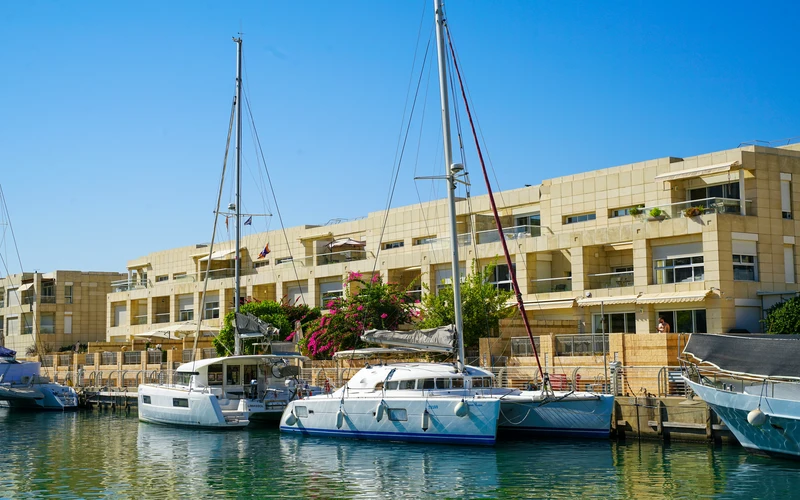
Which types of sailing boats suit different lifestyles?
There is no single ‘best sailboat’ that suits everyone. Different owners purchase sailboats for different purposes, and their requirements regarding size, performance, space and maintenance vary considerably. Choosing the right boat type depends on your actual lifestyle and future sailing plans.
Weekend leisure users: Smaller sailboats are better suited for a relaxed experience
If your main aim is to enjoy time at sea at weekends or during short breaks, a small cruising sailboat is usually a good choice.
Such users generally do not undertake long-distance voyages, but rather wish to relax in nearby waters—for example, on short cruises, for leisurely time at sea, or to spend weekends with friends.
The advantages of small sailing boats lie in their ease of handling, low maintenance demands and relatively manageable mooring costs. For those new to sailing, smaller vessels help them build up sailing experience quickly, without the difficulties associated with handling a larger boat.
The most important consideration for this group is to find a boat that is easy to sail and suits their actual frequency of use, rather than blindly pursuing more space.
Family users: Medium-sized cruising yachts offer a better balance
For those wishing to enjoy life at sea with their families over the long term, medium-sized cruising yachts are generally a more suitable choice.
Compared to small sailing yachts, medium-sized yachts offer a superior living experience, providing separate sleeping quarters, more comprehensive kitchen facilities and greater storage space. At the same time, they generally boast greater stability, enabling them to cope with more challenging sailing conditions.
Many established cruising yacht brands, such as the French brand Beneteau, have launched models specifically designed for family users. These yachts typically emphasise a balance between comfort and ease of handling, making them ideal for families wishing to sail at weekends, go on holiday trips or undertake coastal cruises.
For most families, a sailing yacht of around 30 to 45 feet is generally a sensible choice, as it provides ample space without imposing an excessive maintenance burden.
Ocean-going sailors: Blue-water cruising yachts are better suited to long-term exploration
If your ambitions extend beyond coastal leisure to include transoceanic voyages, extended cruises or even a round-the-world voyage, you will need to prioritise safety and reliability when selecting a sailing yacht.
The conditions for ocean-going voyages are entirely different from those of inshore sailing. A vessel may need to sail continuously for several days or even weeks, facing constantly changing weather, waves and sea conditions. Consequently, a sailboat suitable for ocean-going voyages typically requires a stronger structural design, more stable sailing performance and more comprehensive living systems.
Blue-water cruising yachts generally feature larger water storage capacities, ample storage space, more reliable propulsion systems and interior layouts better suited to long-term living. These features help crew members meet their basic living needs whilst far from land, whilst also minimising the risks associated with long-distance voyages.
For a couple embarking on a long-term voyage, a yacht of around 40 to 50 feet is generally the ideal size. This size provides ample living space without the added difficulty of handling a vessel that is too large. For experienced owners, larger blue-water yachts offer greater comfort and extended range.
It is worth noting that when it comes to blue-water yachts, bigger is not necessarily better. A well-designed and well-maintained medium-sized blue-water cruising yacht is often more suitable for long-term use than a larger vessel that is difficult to manage.
Performance Enthusiasts: Sport Yachts Place Greater Emphasis on the Joy of Sailing
Aside from leisurely cruising and ocean voyages, there is another category of sailors whose primary motivation for purchasing a yacht is to enjoy high-speed sailing and the thrill of the helm.
These sailors typically enjoy taking part in sailing regattas or seek a more intense sense of control when weather conditions are favourable. They pay closer attention to the hull weight, sail area ratio, aerodynamic design and the yacht’s responsiveness.
Sporting yachts generally feature lighter hulls, more responsive handling and greater sailing efficiency. However, these vessels require a higher level of sailing experience and may not offer the same levels of comfort or storage space as cruising yachts.
Therefore, before choosing a sporting yacht, it is important to clarify whether you prioritise sailing performance or everyday convenience. If the yacht is primarily intended for family holidays, a design focused purely on performance may not be the best choice.
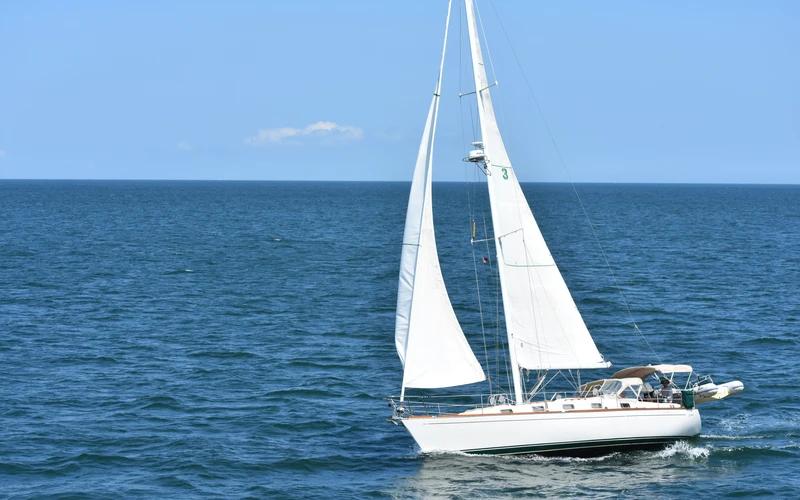
Luxury Lifestyle Owners: Large Custom-Built Yachts Offer a Unique Experience
For some high-end owners, a yacht is not merely a means of transport, but a way of expressing personal taste and a lifestyle philosophy.
Large custom-built yachts typically feature more distinctive design concepts, including premium timber finishes, bespoke layouts, advanced navigation equipment and exceptional ocean-going capabilities. These vessels are often owned by experienced yacht owners who seek a maritime space that fully meets their individual requirements.
However, the barriers to ownership of large sailing yachts are not limited to the purchase price; they also extend to ongoing maintenance, crew management and operating costs. Consequently, such yachts are better suited to owners with extensive sailing experience who are able to commit resources to managing the vessel over the long term.
How to Choose the Right Sailing Yacht for Your Needs?
Selecting a sailing yacht that suits you requires a comprehensive consideration of your sailing objectives, frequency of use, sailing experience, budget and future plans. Many first-time buyers are easily drawn to a yacht’s appearance, size or specifications, but what truly determines the long-term experience is whether the vessel meets their actual needs.
Determining the yacht type based on primary usage scenarios
Before purchasing a yacht, you must first clarify your most common usage scenarios.
If you mainly undertake short weekend trips, a small cruising yacht may well meet your needs. These are easy to handle, have lower maintenance costs, and allow new owners to gain experience quickly.
If you plan to take your family on multi-day trips, you will need to consider more living space, including comfortable berths, a galley area, sanitary facilities and ample storage capacity.
If your goal is long-term cruising, safety must take precedence over mere interior luxury. Ocean-going voyages require a vessel with superior stability and reliability; therefore, selecting a tried-and-tested cruising design is usually of paramount importance.
Choosing the Right Size Based on Sailing Experience
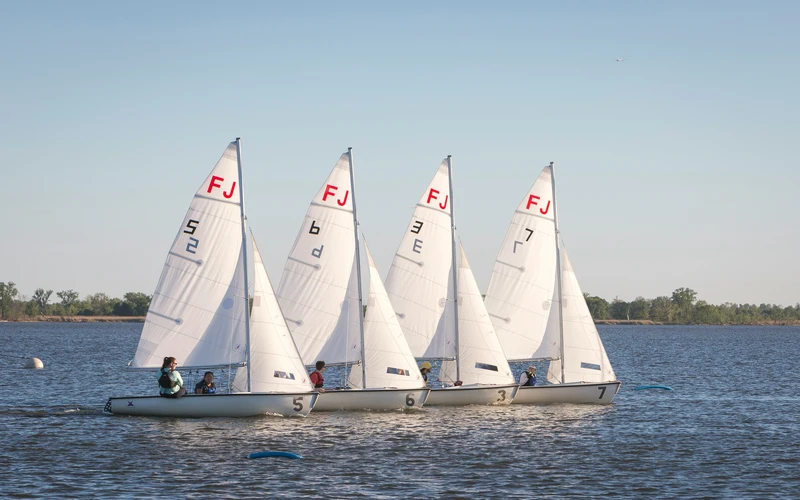
There is a direct correlation between the size of a sailing boat and the difficulty of handling it.
Smaller sailing boats are generally more manoeuvrable and relatively easy to handle solo, making them ideal as a starter boat. However, as the size increases, so do the boat’s weight, sail area and operational complexity, placing greater demands on the sailor’s experience.
For beginners without extensive sailing experience, purchasing a sailboat that is too large may result in it being used less frequently. Many boat owners eventually realise that what truly suits them is not the largest size available, but a boat they can handle proficiently and are willing to use regularly.
Therefore, before making a purchase, it is highly effective to gain an understanding of one’s own needs through chartering, training or short-term trial sailings.
Choosing Between a New or Second-Hand Sailboat Based on Your Budget
Your budget is a key factor in choosing a sailboat, but you should not focus solely on the purchase price.
The actual cost of owning a sailboat also includes maintenance, insurance, mooring, equipment upgrades and day-to-day running costs. Therefore, when comparing different options, it is important to assess the long-term costs comprehensively.
Buying a new sailboat typically means access to the latest designs, more modern specifications and a lower risk of initial maintenance issues. New boats also allow you to choose the interior layout, electronic equipment and features to suit your personal needs, making them ideal for those seeking a bespoke experience.
In contrast, buying a used sailboat often allows you to acquire a larger or higher-specification vessel on a tighter budget. However, with second-hand boats, greater attention must be paid to the boat’s age, maintenance history, structural condition and the state of the equipment.
For those planning to purchase a sailing boat, it is vital to research sailboat prices and ownership costs in advance, as the long-term cost of ownership often has a significant impact on the overall experience.
Choose based on future goals, rather than just current considerations
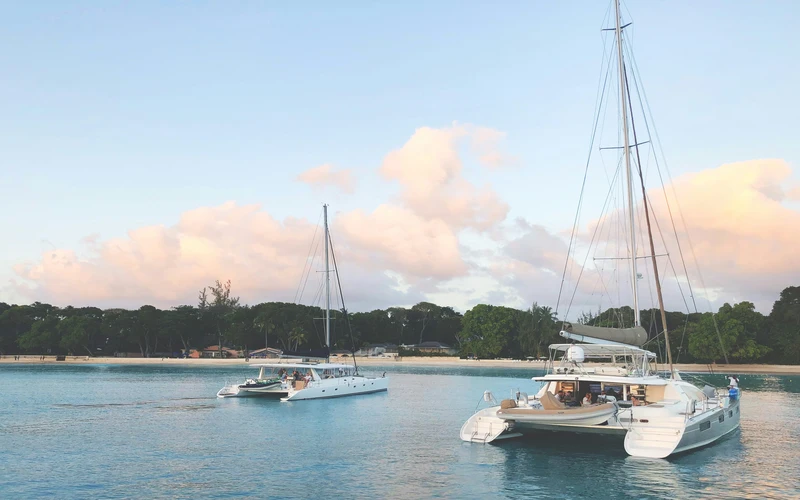
Purchasing a sailing boat is usually a long-term decision, so one must not consider only current needs.
For example, you may currently only be planning short weekend trips, but in a few years’ time you might wish to undertake longer voyages. If your budget allows, you could opt for a model that offers scope for future upgrades.
Similarly, if you are currently busy with work but may have more time for sailing in the coming years, planning ahead for future use can also help you avoid having to change boats frequently.
A sailboat that is truly right for you should continue to provide value as your sailing experience and life circumstances evolve, rather than merely meeting short-term needs.
Recommended Popular Sailing Boats
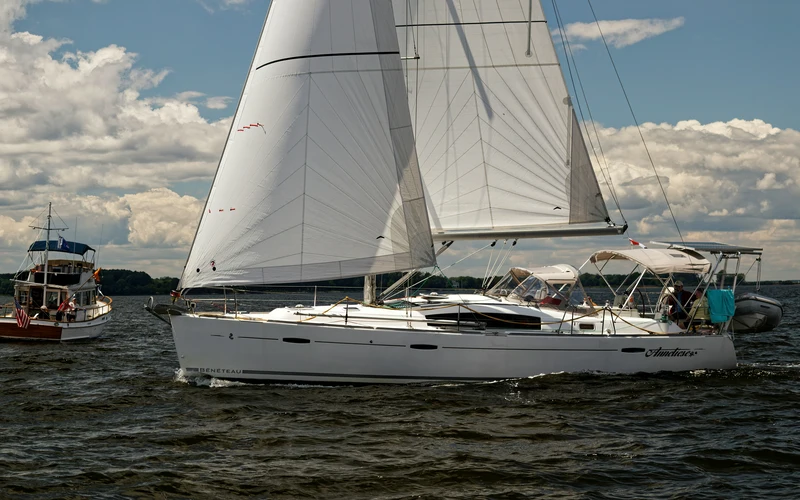
There is a vast array of sailing yacht models on the market, with different designs catering to different purposes. Prospective buyers looking to purchase a new yacht may wish to consider small cruising yachts with mature designs and clearly defined purposes. For example, the 2025 Maxus EVO 24 is an excellent choice for beginners and leisurely cruising; it offers good use of space whilst being relatively simple to handle, making it ideal for new owners who wish to experience sailing life without the burden of excessive maintenance.
👉 See Maxus EVO 24

2025 Maxus EVO 24
- Length24 ft
- Cabins2
- Top speed7 kn
- TypeSailboat
The 2025 Maxus EVO 24 is a small cruising sailboat designed for modern daytime and short-distance cruising needs. Based on the upgraded Maxus 24 Evo platform, it emphasizes space utilization and ease of handling. Its modern hull lines and sharp angles enhance stability while expanding interior space, providing a near-larger boat living experience even at its 24-foot size.
Another model worth noting is the 2025 Saffier 24 Lite, which emphasises refined design and an effortless sailing experience, making it suitable for those who enjoy weekend sailing, short trips and a high-quality leisure experience.
👉 Browse 2025 Saffier 24 Lite
2025 Saffier 24 Lite
- Length24 ft
- Cabins1
- Top speed8 kn
- TypeSailboat
The 2025 Saffier 24 Lite is a day sailboat emphasizing lightweight design and a high-performance sailing experience, continuing Saffier's classic Dutch craftsmanship and minimalist design philosophy. The entire boat utilizes carbon fiber and lightweight composite materials to optimize structural weight, enabling rapid response even in light winds while maintaining stability and precise handling.
For those seeking a higher-specification yacht on the second-hand market, the Royal Huisman Ketch—with its superb craftsmanship, formidable ocean-going capabilities and classic design—is ideal for owners seeking long-term exploration and a high-end sailing experience.
👉 View Royal Huisman Ketch for sale

Royal Huisman Ketch
- Build Year1997
- Length134 ft
- Cabins3
- Top speed12 kn
- TypeSailboat
The Royal Huisman Ketch is a large custom-built luxury ocean-going sailing yacht, blending top-tier marine engineering with exquisite craftsmanship. It is designed for owners seeking both long-range performance and luxurious comfort.
The X-Yachts IMX 70, meanwhile, combines performance with ocean-going cruising capabilities, making it better suited to experienced sailors who wish to balance speed and comfort.
👉 See X-Yachts IMX 70
X-Yachts IMX 70
- Build Year2005
- Length70 ft
- Cabins4
- Top speed11 kn
- TypeSailboat
The X-Yachts IMX 70 is a high-performance ocean-going cruiser that combines Nordic precision boatbuilding with race-grade sailing design technology, crafted for owners seeking peak sailing performance and a comfortable blue-water lifestyle.
When choosing between these different types of sailing yachts, the most important consideration is not which one commands a higher price, but rather determining which design philosophy best aligns with your sailing objectives.
Common Mistakes to Avoid When Buying a Sailboat
Buying a sailboat is a decision that requires long-term planning, and many new owners, caught up in the excitement, tend to overlook certain key issues. As owning a sailboat involves not only the purchase price but also learning to sail, maintenance, mooring and actual use, understanding common mistakes in advance can help you avoid unnecessary future expenses and difficulties.
Focusing solely on the purchase price and overlooking the long-term costs of ownership
When considering buying a sailing yacht for the first time, many people focus primarily on the purchase price; however, in reality, this is only one part of the overall cost of ownership.
From the moment of purchase, a sailing yacht incurs ongoing expenses, including mooring fees, insurance, regular maintenance, sail checks, engine servicing and upgrades to electronic equipment. This is particularly true for larger yachts, where maintenance costs rise significantly as the complexity of the systems increases.
Some lower-priced second-hand sailing yachts may appear to offer good value for money, but if the hull structure, rigging or mechanical systems require extensive repairs, the ultimate outlay may exceed the cost of purchasing a boat in good condition.
Therefore, before deciding to buy, one should not merely ask ‘How much does this boat cost?’, but also consider ‘How much will it cost to own it over the next few years?’. Only by comprehensively assessing the actual running costs can one determine whether the sailing yacht is truly suited to one’s financial circumstances.
Choosing a sailboat that is too large for your actual needs
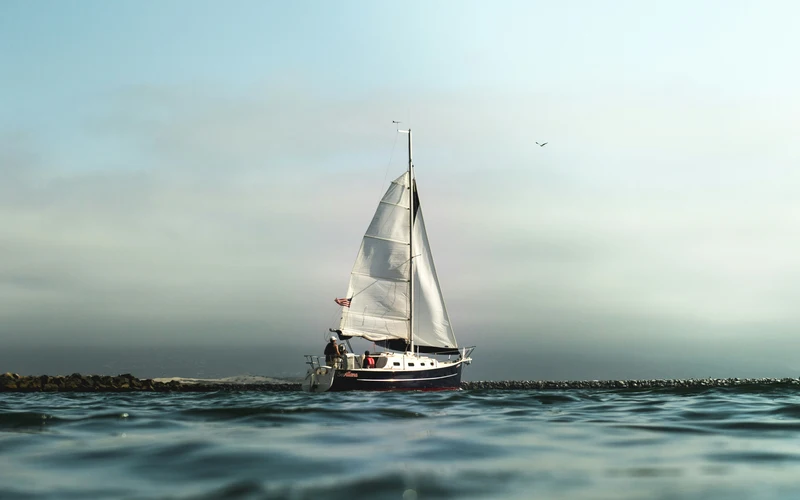
The desire for more space is a natural inclination for many prospective buyers, but when it comes to sailboats, bigger is not necessarily better.
Larger sailboats do indeed offer more spacious living areas, better stability and the ability to sail longer distances, but this also means:
• Higher maintenance costs;
• More complex handling requirements;
• More expensive mooring costs;
• Greater difficulty in handling.
For first-time buyers, an easy-to-handle cruising yacht under 40 feet often offers greater practical value than a large luxury yacht.
Many experienced boat owners advise that beginners should prioritise a size they can handle with confidence, rather than blindly pursuing a larger hull. The right yacht for you is one that allows you to sail frequently, is easy to maintain, and suits your lifestyle.
Focusing solely on appearance and specifications whilst neglecting the boat’s intended use
Modern sailboat design places increasing emphasis on comfort; many new vessels feature attractive interiors, spacious leisure areas and advanced electronic equipment, all of which attract consumers’ attention.
However, when purchasing a sailboat, appearance should not be the sole criterion.
For example, a yacht designed for speed and racing performance may not be suitable for extended family voyages; conversely, a cruising yacht with vast living space may not suit those who prefer a fast sailing experience.
When selecting a yacht, one should prioritise one’s core requirements:
- If primarily used for family holidays, focus on space, safety and comfort
- If planning ocean-going voyages, focus on structural strength, range and reliability
- If you enjoy sporty sailing, focus on performance and handling feedback
Only when a yacht’s characteristics align with your intended use can it truly deliver its full value.
Underestimating the importance of learning and sailing experience
Many people believe that once they have purchased a yacht, they need only familiarise themselves with basic operations to sail freely; however, in reality, sailing requires continuous learning and the accumulation of experience.
In addition to basic handling, yacht owners also need to understand:
• Assessing weather changes;
• chart reading and navigation;
• techniques for entering and leaving harbours;
• handling emergencies;
• maintenance of on-board equipment.
The importance of experience becomes particularly evident when sailing in complex waters or undertaking long-distance voyages.
Therefore, before purchasing a sailing yacht, it is advisable to enhance your practical skills through training courses, charter experiences or by joining a local sailing community. Only by possessing the necessary sailing skills can you truly enjoy the freedom that sailing brings.
Overestimating Frequency of Use
Another common mistake is overestimating how often you will actually use your sailing boat in the future.
Many people assume at the time of purchase that they will be out at sea frequently, but in reality, work, family commitments and weather conditions will all affect the time you can actually spend on the water.
If you can only use it a few times a year, purchasing a large sailing boat may not be the most economical choice, as the vessel will still require maintenance whilst moored for long periods.
Before deciding to buy, it is worth asking yourself:
‘How many times a year will I likely go out to sea?’
‘Am I willing to spend time maintaining it?’
‘Do I genuinely enjoy life on board?’
If the answers are clear, then purchasing a sailing boat will be a more rational decision.
Summary
Whether sailing is right for you ultimately depends on your lifestyle, your sailing goals and the time you are willing to commit.
For those who enjoy exploring, relish the act of sailing and wish to have a unique experience at sea, sailing can become a lifelong passion and way of life. From weekend leisure trips to family cruises and even ocean-going expeditions, different types of sailing boats can cater to a variety of needs.
However, buying a sailing boat is not simply a matter of purchasing a luxury item; it is a long-term commitment. Before making a choice, you need to give careful consideration to how you intend to use the boat, your sailing experience, your budget and your future plans.
The best sailing boat is not necessarily the most expensive or the largest one, but rather the one that truly suits your lifestyle and sailing goals, and which you will be keen to use regularly.
FAQ
Q1: Who is suited to buying a sailing boat?
A: People suited to buying a sailing boat typically love the sea, are keen to learn sailing skills, and are able to devote time to using and maintaining the vessel. They generally enjoy the process of sailing itself, rather than focusing solely on the leisure experience once they reach their destination. If you enjoy exploration, outdoor activities, family trips or plan to undertake long-distance sailing in the future, then a sailing boat may be a perfect fit for your lifestyle.
Q2: What size should a first-time buyer choose?
A: For first-time buyers, a length of 25 to 40 feet is generally a sensible range. Smaller yachts are simple to handle and have lower maintenance costs, making them suitable for learning and short cruises; medium-sized cruising yachts, on the other hand, offer more living space and are better suited to family use. The specific size should still be determined based on your sailing experience, mooring conditions and future sailing goals.
Q3: Is it better to buy a new or a second-hand sailing boat?
A: New sailing boats generally feature more modern designs, lower initial maintenance risks and more customisation options, making them suitable for those seeking a reliable experience. Second-hand sailing boats, on the other hand, offer better value for money, allowing you to purchase a larger or higher-spec model on a lower budget; however, you must carefully inspect the boat’s condition before purchasing, including the hull structure, engine, rigging and maintenance records. The final choice depends on your budget, experience and risk tolerance.
Q4: What is the biggest challenge of owning a sailing yacht?
A: The biggest challenge is usually not the purchase itself, but long-term management. Owners need to invest time in maintenance whilst continually improving their sailing skills. For those without experience, the learning process may take some time, but as experience grows, sailing and managing a yacht gradually become a source of enjoyment.
Q5: Is a sailing yacht suitable for long-term living?
A: Some large cruising yachts can meet the requirements for long-term living, but whether they are suitable for life on board depends on the yacht’s design, layout and personal habits. Long-term living requires attention to water storage capacity, the electrical system, kitchen facilities, storage space and ease of maintenance. For those planning to live on board long-term, a purpose-built cruising yacht is usually a more suitable choice than a standard recreational sailing yacht.