Whether you are buying or selling a yacht, it is important to understand the value of a yacht. This article explores in detail the key factors such as brand, age and location that affect the value of a yacht, and also introduces practical methods of assessing value and yacht valuation tools such as the NADA tool and the Yacht Value Calculator, which will help you to easily assess and keep track of the value of your yacht.
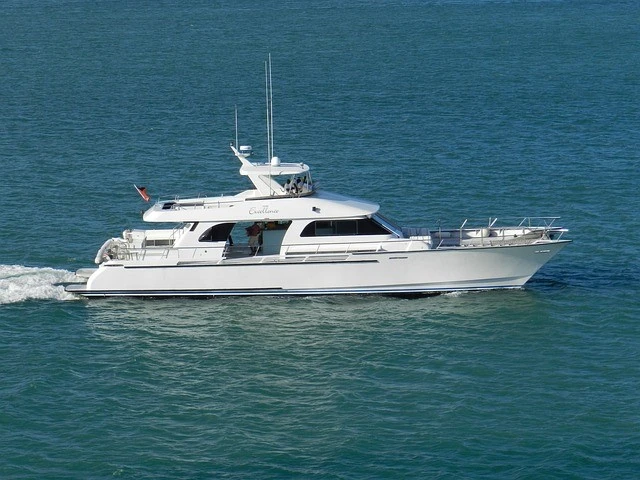
Factors affecting the value of a yacht
Determining the value of a yacht requires a combination of many factors, each of which plays a huge role in determining the final price of a yacht. Here are some of the factors that influence the value of a yacht
Brands and Models
Brands and models have a significant impact on the value of a yacht. As with cars, yachts from some well-known brands are more popular. Well-known manufacturers price their products higher due to their good reputation for quality and reliability, and yachts from well-known brands tend to hold their value better over time compared to yachts from niche brands.
Age and condition
Age is a key factor in the value of a yacht and newer yachts are usually more valuable due to fewer problems and more modern features. But the condition of a yacht is just as important a factor in its value as its age. A well-maintained older yacht may be worth more than a neglected newer yacht, and having a record of regular maintenance and servicing will increase the value of the yacht.
Electronics
Modern electronics can substantially increase the value of a yacht. Modern electronics include navigation equipment, communication equipment and entertainment equipment. New electronic equipment enhances the yachting experience as well as the safety and convenience of travelling on a yacht. However, electronics are updated quickly, and recently upgraded electronics are more helpful in increasing the value of the yacht.
Hours of use
For motor yachts, hours of use reflect the wear and tear on engines and other systems. Lower operating hours mean less use, potentially fewer mechanical problems, a longer service life and a higher value for the yacht. Buyers tend to favor yachts with short operating hours as they feel that they are often in better condition.
Location
The location of a yacht has a big impact on its value. Yachts in popular warm areas such as the South of France and Miami are usually priced higher due to high demand. Conversely, if the yacht is in places that are less popular, or where the weather is colder, the price will be relatively lower. This largely depends on the local market conditions, and the ability to easily get to those popular locations for yachts can also make the price of a yacht higher or lower.
Waters Used
The waters in which a yacht is used (freshwater or saltwater) have a non-negligible impact on the value of a yacht. In saltwater environments, yachts face more challenges of corrosion and wear and tear. Substances such as salt in sea water can damage the yacht and cause its overall condition to deteriorate, thus reducing its value. Freshwater environments tend to be more popular with yachts, and because freshwater contains fewer corrosive substances, the yacht's components suffer less corrosion, which leads to a significant increase in durability, which in turn increases the value of the yacht.
Ways to assess the value of a yacht
When assessing the value of a yacht, it is important to familiarize yourself with the market voyage and to have the most up-to-date sales figures. Here are a few important ways for you to assess the value of a yacht:
1. Understand the market: market knowledge is critical to assessing the value of a yacht. Understanding the trends, popular models and regional demand in the yacht market can give you an advantage in the yacht trading process.
2. Reference selling price: Checking the recent selling price is a reliable way to measure the value of a yacht. You can get the data through relevant databases to understand what buyers are willing to pay at the moment.
3. Compare the asking price: The current asking price of the yacht has a certain reference value, although they may not be the final transaction price. Compare the current asking price with the recent transaction price, you can see the price difference and understand the pricing strategy.
4. Consider transport costs: Transport costs can have an impact on the value of a yacht, especially if it is to be sold off-site. When assessing the overall value of a yacht, transport costs need to be taken into account. Yachts in less-than-ideal locations may need to have their prices adjusted to cover transport costs.
5. Prepare the yacht for sale: The way in which a yacht is prepared for sale can have a significant impact on the value of the yacht. Yacht pre-sale preparation includes cleaning, maintenance and necessary repair work. A well-maintained yacht is more attractive and can fetch a higher price, and showing recent upgrades or refurbishments can also enhance the value of the yacht in the buyer's mind.
6. Consider storage costs: Storage costs refer to the costs of maintaining the yacht in a state of sale, such as docking fees and insurance premiums. These costs accumulate over time and must be taken into account when assessing the value of a yacht. Reducing storage costs can make a yacht more attractive to potential buyers.
7. Provide warranty service: Providing warranty can enhance the value of the yacht. Buyers will feel more secure because of the warranty, as they will be less worried about potential problems. Warranty service can make the yacht more competitive in the market and provide a reasonable basis for increasing the asking price.
Tools for Assessing Yacht Value
In the process of assessing the value of a yacht, the use of the right tools can have a big impact on the accuracy of the valuation. Below you will find some tools to help you value your yacht accurately:
Yacht Value Calculator
Yacht value calculators are an effective tool for achieving customized valuations. These calculators combine a variety of attributes such as size, age, location, and some take into account seasonal trends and regional demand to give a more detailed and comprehensive valuation that reflects the potential market value of the yacht.
NADA Marine Valuation Guide
NADA is a well-known tool in the field of vehicle valuation, and its expertise extends to the marine sector. The NADA Marine Valuation Guide, with its comprehensive database of vessel values, including yachts, is a good starting point for understanding the potential market value of yachts, giving a range of valuations from low to high, depending on the condition and characteristics of the vessel.