In 2026, a 40-foot-class yacht typically costs from around US$300,000 to more than US$2 million, depending on whether it is a used cruiser, a new sport yacht, a flybridge yacht, a power catamaran or a high-spec luxury model.
| Category | Typical Price Range | Best For |
| Older used 40-foot yacht | US$80,000–US$300,000 | Experienced buyers, refit projects |
| Modern used 40-foot yacht | US$300,000–US$900,000 | First-time buyers, better value |
| New 40-foot sport or power yacht | US$500,000–US$1.2 million | Family cruising, weekend use |
| New 40-foot flybridge yacht | US$700,000–US$1.8 million+ | Comfort, resale value, social space |
| 40-foot power catamaran | US$800,000–US$1.5 million+ | Space, stability, long stays aboard |
How much does a new 40-foot yacht cost?
The 40-foot class is considered one of the most popular sizes in the global yacht market.
Compared to smaller yachts under 30 feet, it offers a more complete living space; compared to larger yachts over 50 feet, its purchase and running costs are relatively manageable. Therefore, whether for family weekend cruises, island getaways or short-term live-aboard living, a 40-foot yacht is a very well-balanced choice.
There are significant price differences between different types of 40-foot yachts.
Flybridge Yachts
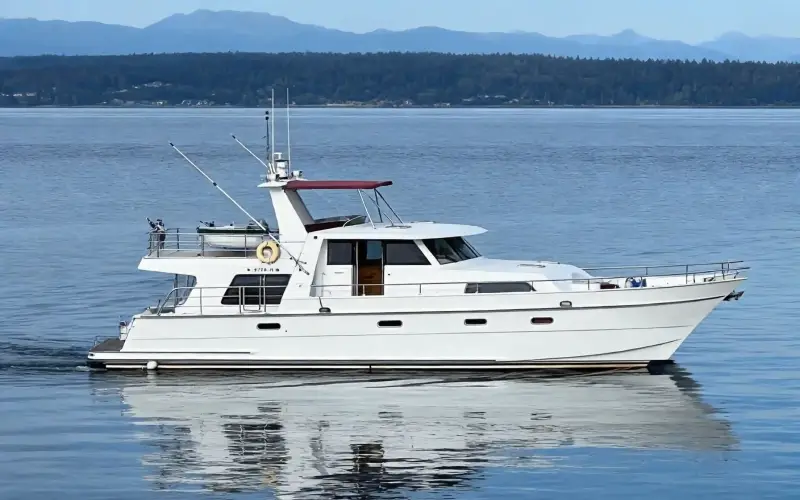
The defining feature of flybridge yachts is the presence of an upper deck helm and additional outdoor entertainment space.
For family owners, the flybridge area is often one of the most popular spots on the entire vessel. Whether hosting gatherings whilst moored in port or admiring the sea views whilst cruising, it offers superior visibility and a more engaging social experience.
In the 2026 market, new 40-foot flybridge yachts typically range in price from US$800,000 to US$1.8 million.
Take the Princess F40, for example. This model has long been regarded as one of the benchmark products in the 40-foot flybridge yacht market. With its well-thought-out layout and efficient use of flybridge space, it strikes a balance between comfort and handling performance, resulting in consistently high resale values in both the European and North American markets.
For buyers seeking family entertainment and comfortable cruising, flybridge yachts are usually the most popular choice.
Sport Yachts
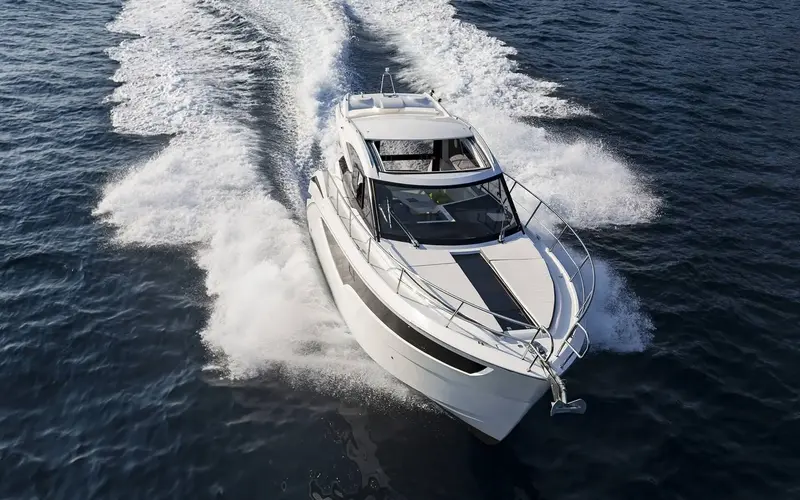
Sport yachts place greater emphasis on speed, exterior design and the joy of driving.
These yachts typically feature streamlined hulls, a lower centre of gravity and more powerful propulsion systems, resulting in sailing performance that often surpasses that of traditional flybridge yachts.
The new-build price for a 40-foot class sport yacht generally ranges from US$500,000 to US$1.2 million.
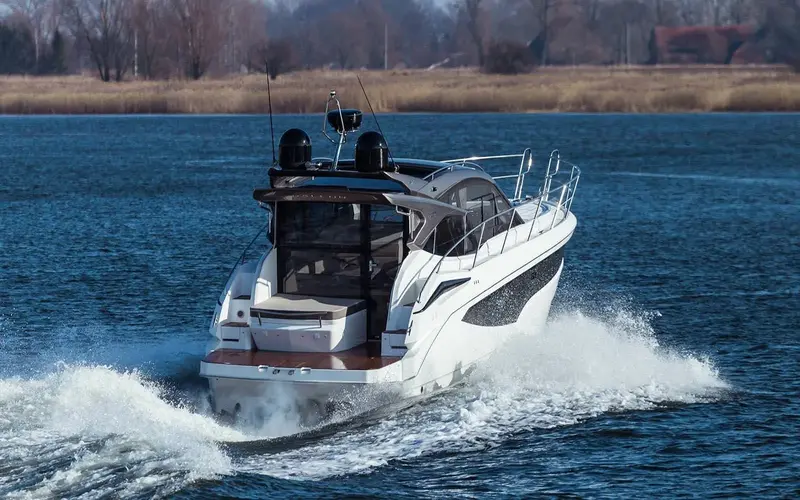
For example, although the Galeon 400 FLY features a flybridge design, its modern appearance, extendable side deck and flexible layout make it very popular among younger buyers. It is a model worth considering for those seeking a balance of entertainment, aesthetics and market resale value.
👉 View Galeon 400 FLY for sale

Galeon 400 FLY
- Length40 ft
- TypeSport yacht
The Galeon 400 FLY has been introduced into the fourth-generation yacht family as one of the smallest models offering an innovative beach mode. The yacht's design aims to provide the highest levels of maneuverability and stability amidst ocean waves. The interior comes in several possible modern variations, with additional options available upon request.
The greatest advantage of sport yachts lies in their excellent handling, whilst mooring and manoeuvring are generally less challenging than with larger luxury yachts.
Power Yachts
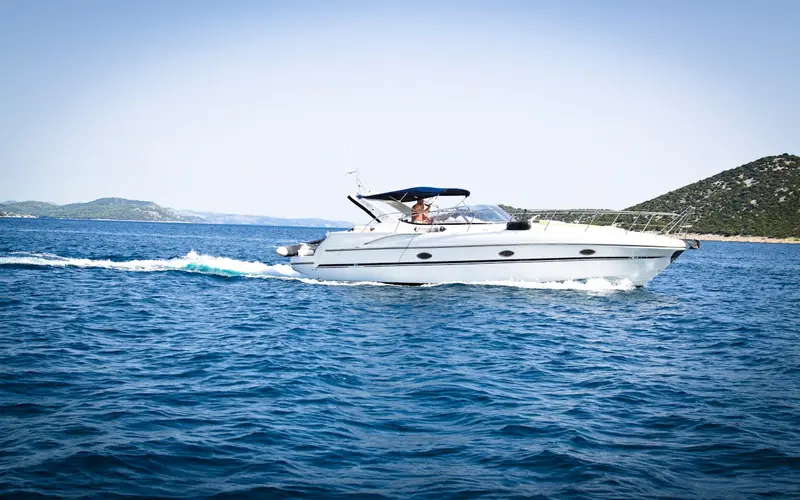
Power yachts constitute a relatively broad category, emphasising practicality, range and versatility across various usage scenarios.
This category typically encompasses hardtop cruisers, long-range cruisers and multi-purpose platforms that balance living space with cruising performance and practicality.
In the 2026 market, the price of a new 40-foot power yacht ranges from approximately US$400,000 to US$1 million.
For example, the Axopar 45 XC Cross Cabin enjoys considerable recognition in the global market. Although its actual length is slightly over 40 feet, its enclosed cockpit design, excellent adaptability to sea conditions and relatively low operating costs make it a popular choice among many cruising enthusiasts.
For users who frequently undertake long-distance coastal cruises, power yachts often offer greater practical value.
Catamaran Yachts
Over the past decade, catamaran yachts have become one of the fastest-growing segments in the global yachting market.
Compared to traditional monohulls, the greatest advantage of a catamaran platform lies in its wider hull structure, which provides significantly more living space than a monohull of the same size.
The price of a new 40-foot class catamaran motor yacht typically ranges from US$800,000 to US$2.5 million.
For example, the 2027 Barker Boatworks 40HPC has attracted considerable attention from enthusiasts of high-performance catamarans in recent years. With a lightweight hull structure and excellent high-speed cruising capabilities, combined with the stability characteristic of a catamaran platform, it holds strong appeal for buyers who prioritise sailing efficiency and comfort.
👉 Browse Barker Boatworks 40HPC
2027 Barker Boatworks 40HPC
- Length40.33 ft
- Cabins1
- Top speed69.52 kn
- TypeCatamaran yacht
The 2027 Barker Boatworks 40HPC is a premium offshore catamaran built for serious fishing and yacht-level comfort. Powered by quad Mercury 300s with advanced electronics and large fishbox capacity, it excels in long-range offshore angling.With a fully customizable layout and high-end finishes, it suits both tournament anglers and luxury cruising enthusiasts seeking performance and versatility.
Although the initial purchase cost of a catamaran is higher, its spacious interior and stable sailing experience often appeal to those planning extended live-aboard stays and family cruising trips.
How much does a used 40-foot yacht cost?
For most first-time buyers, a high-quality used yacht aged between five and ten years often offers the best balance between price, performance and resale value. In fact, in many professional guides on ‘how to buy a yacht in 2026’, this category of yacht is frequently regarded as the top priority for first-time buyers.
The reason is quite simple. New yachts typically experience their most significant depreciation in the first few years after delivery, whereas used yachts have already passed this phase of depreciation. Consequently, many experienced buyers prioritise buying a used yacht to achieve better value for money.
However, there is no standardised pricing in the uesd yacht market. Even for 40-foot yachts of the same make and model, differences in maintenance history, engine hours and specification levels can result in price variations of hundreds of thousands of dollars.
To provide a clearer picture of market conditions, the table below outlines the approximate price ranges for 40-foot yachts in 2026, categorised by age.
| Age | Flybridge Yachts | Sport Yachts | Power Yachts | Catamarans |
| Up to 10 years | $500,000–$1.2 million | $400,000–$1 million | $350,000–$800,000 | $700,000–$1.8 million |
| 10–20 years | $250,000–$700,000 | $200,000–$600,000 | $150,000–$500,000 | $400,000–$1.2 million |
| Over 20 years | $80,000–$350,000 | $100,000–$300,000 | $80,000–$250,000 | $200,000–$800,000 |
It should be noted that the above prices reflect only market averages. For high-quality vessels with comprehensive maintenance records, low engine hours and timely equipment upgrades, the final sale price is often significantly higher than the market average.
Yachts under 10 years old
For buyers on a limited budget who wish to enjoy an experience close to that of a new boat, pre-owned yachts under 10 years old are typically the most popular choice.
Yachts in this category have generally undergone the most significant depreciation, yet their hull design, electronics and propulsion systems remain of a high standard. Although many brands have continuously updated their product ranges over the past decade, the overall technical architecture has not undergone revolutionary changes; consequently, many yachts built between 2016 and 2023 remain highly competitive today.
Furthermore, yachts under 10 years old are generally more readily accepted by lenders and insurers. Some financial institutions impose stricter lending criteria on older yachts, whereas newer pre-owned vessels are viewed more favourably in this regard.
For first-time buyers, this age bracket offers a good balance between budget and user experience. Although the purchase price is higher than that of older vessels, the maintenance burden over the coming years is usually much lower.
Yachts aged 10–20 years
Yachts aged between 10 and 20 years represent one of the largest segments in terms of current market turnover.
Many classic models fall within this age bracket, offering buyers a wider range of choices. At the same time, as depreciation has largely stabilised, prices are often more than 50% lower than those of new boats.
However, yachts in this category are beginning to enter a cycle of equipment renewal. Whilst the engine may still be in good working order, the generator, air conditioning system, navigation equipment and some electrical systems may be approaching the middle to late stages of their service life.
Many buyers are tempted to overlook the subsequent costs when they see the lower asking price. In fact, for a yacht priced at $300,000, if the generator needs replacing, the interior refurbished and the navigation equipment upgraded within the next three years, the total expenditure could easily increase by tens of thousands of dollars.
Consequently, for yachts in this age bracket, maintenance records are often more important than the vessel’s age itself. A well-maintained 15-year-old yacht may actually be in better condition than an 8-year-old vessel that has been neglected.
Yachts over 20 years old
On the surface, yachts over 20 years old appear to be the most attractive.
The asking prices for many 40-foot yachts have fallen to the low six-figure range or even lower, which is very tempting for buyers on a limited budget. However, a low purchase price does not necessarily mean low ownership costs.
As a yacht ages, its hull structure, electrical systems, fuel systems and various mechanical components are all susceptible to wear and tear. This is particularly true for yachts that have been in long-term use in a marine environment, where salt, humidity and UV radiation exert a constant impact on the equipment.
Some older yachts require immediate engine overhauls, deck refurbishment or electronic upgrades following purchase, and the costs of these projects often far exceed the buyer’s expectations.
Consequently, yachts over 20 years old are better suited to buyers with extensive experience who are able to carry out maintenance themselves, and may not be the best choice for first-time entrants to the yacht market.
Used 40-Foot Yacht Buying Checklist
When buying a used 40-foot yacht, the condition of the vessel is often far more important than its age.
A well-maintained 15-year-old yacht may provide a better ownership experience than a poorly maintained yacht that is only a few years old. Before committing to a purchase, buyers should carefully review the following areas during the inspection and survey process.
Essential Inspection Checklist:
- Engine hours and complete service history
- Generator condition and maintenance records
- Hull survey report and moisture readings
- Air-conditioning systems and electrical systems
- Age and functionality of navigation electronics
- Fuel tanks, plumbing systems and watermakers
- Previous accidents, groundings or insurance claims
- Refit records, upgrades and repair invoices
- Marina storage and maintenance history
- Sea trial performance and engine testing results
Paying close attention to these items can help identify expensive problems before closing the deal. In many cases, a professional marine survey costing a few thousand dollars can save tens of thousands of dollars in unexpected repairs later.
For first-time buyers, hiring an independent surveyor and conducting a thorough sea trial is highly recommended before signing any purchase agreement.
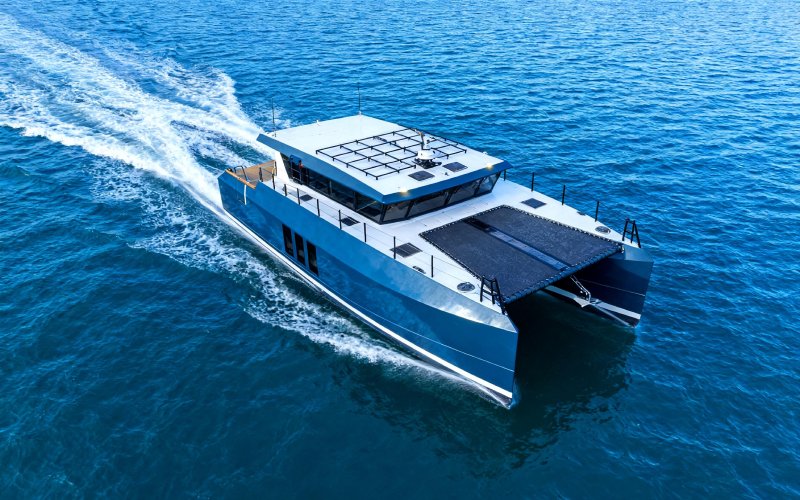
One-Time Costs When Buying a 40-Foot Yacht
Many first-time buyers focus almost entirely on the yacht’s advertised asking price. However, the purchase price is only one part of the total acquisition cost.
Whether you are buying a new or used 40-foot yacht, there are several one-time expenses that should be factored into your budget before the transaction is completed. These costs can vary significantly depending on the yacht's location, registration country, ownership structure and condition.
For used yachts in particular, professional inspections and post-purchase upgrades often represent a substantial additional investment. Buyers who fail to account for these expenses may find themselves exceeding their planned budget shortly after closing the deal.
The table below outlines the most common one-time costs associated with purchasing a 40-foot yacht.
| Cost Item | Typical Range | Notes |
| Marine survey | $800–$2,500+ | Depends on location and yacht complexity |
| Haul-out for inspection | $500–$2,000+ | Needed for hull and underwater gear check |
| Sea trial | Varies | Sometimes included, sometimes paid separately |
| Taxes / VAT / import duty | Varies heavily | Depends on country and registration |
| Registration and documentation | $500–$5,000+ | Depends on flag and ownership structure |
| Delivery / transport | $2,000–$30,000+ | Can be high for long-distance shipping |
| Initial repairs and upgrades | $5,000–$50,000+ | Especially common with used yachts |
For many buyers, especially those purchasing older yachts, initial repairs and upgrades often become the largest unexpected expense. Electronics, air-conditioning systems, batteries, upholstery and safety equipment frequently require replacement or updating shortly after purchase.
As a result, buyers should evaluate the total acquisition cost rather than focusing solely on the advertised asking price.
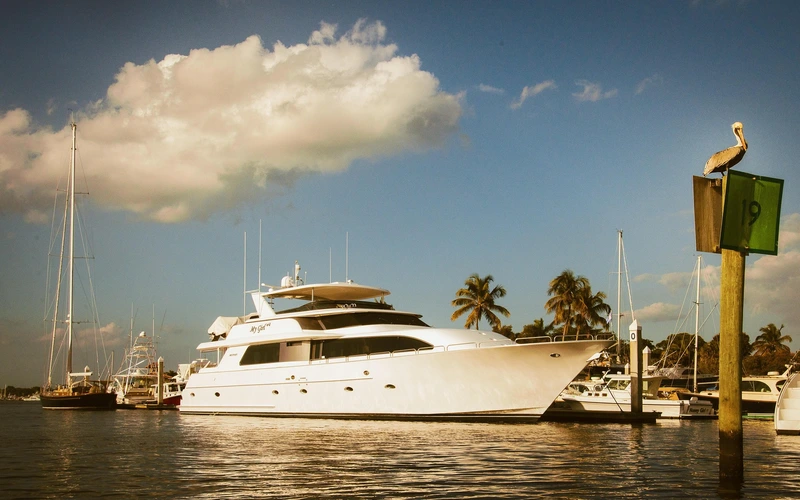
What are the true costs of owning a 40-foot yacht?
When researching the yacht market for the first time, many people focus their attention on the purchase price. However, once you actually become a yacht owner, the majority of expenditure actually occurs after the purchase.
Unlike cars, yachts operate in environments characterised by high salinity, high humidity and intense UV radiation, necessitating ongoing maintenance. Even if you only take to the water a few times a year, there will still be fixed costs.
The main costs typically include mooring fees, insurance, hull maintenance, engine servicing, fuel costs and various unexpected repair expenses.
Among these, mooring fees are the aspect most commonly underestimated by new owners. At popular marinas, the annual rent for a 40-foot berth can run into the thousands or even tens of thousands of dollars. Price differences between different countries and regions are also very significant.
Fuel falls under running costs. If you only undertake short cruises during the year, fuel expenditure may not be high; however, for those who frequently undertake long-distance voyages, fuel costs often become one of the largest annual expenses.
Furthermore, upgrades to electronic equipment have become an increasingly common expense in recent years. Navigation systems, radar, autopilots and on-board internet equipment evolve rapidly, and many owners regularly upgrade their equipment to enhance the user experience.
Therefore, when assessing your budget, it is advisable not to focus solely on the purchase price, but to take into account the total cost of ownership over the coming years. To avoid running into budget shortfalls, I recommend reading the article ‘Yacht Cost Calculator’ in advance.
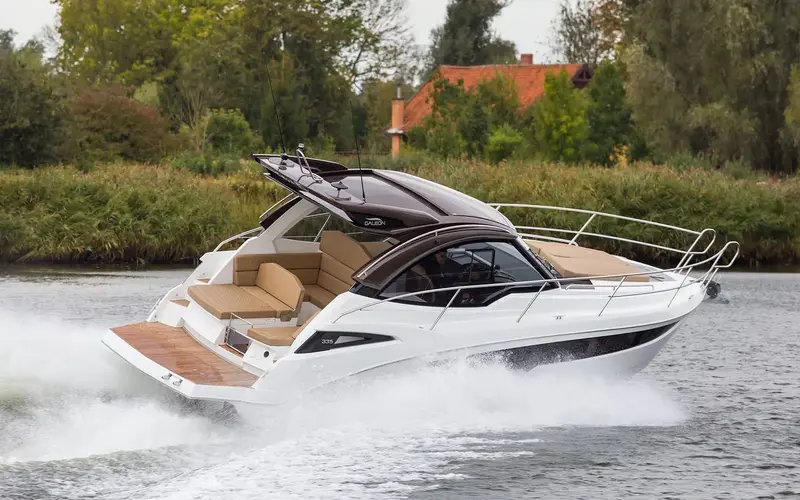
Breakdown of Annual Ownership Costs for a 40-foot Yacht
In reality, the annual expenses for a 40-foot yacht are influenced by a variety of factors, including mooring location, frequency of use, the yacht’s age and maintenance standards.
To help you gain a clearer understanding of the budgetary requirements, we have broken down the main annual expenditure items below, using a 40-foot yacht with a value of approximately US$800,000 and a standard frequency of use as an example. Actual costs may vary depending on the region and usage patterns, but this serves as a useful reference for most buyers.
| Usage Type | Annual Cost Range | Typical Situation |
| Light use | $25,000–$50,000 | Local weekend cruising, modest marina, limited fuel |
| Regular family use | $50,000–$85,000 | Frequent seasonal use, routine servicing, detailing |
| Heavy use | $85,000–$120,000+ | Long-distance cruising, high fuel use, expensive berths, upgrades |
For a 40-foot yacht, annual ownership costs are often manageable compared with larger yachts, but they still vary sharply by marina location, fuel use, vessel age and maintenance standard. A light-use owner may spend around $25,000–$50,000 per year, while a heavily used 40-foot yacht kept in a premium marina can exceed $100,000 per year.
Which is better value: a new or a used yacht?
This is a question almost every buyer faces during the yacht-buying process.
For buyers with a substantial budget who plan to hold onto their yacht for the long term, a new yacht often offers a more hassle-free experience. Owners can not only customise the specifications to suit their needs but also benefit from the manufacturer’s after-sales support and warranty services. In the first few years, the likelihood of major mechanical failures is generally low, and maintenance costs remain relatively manageable.
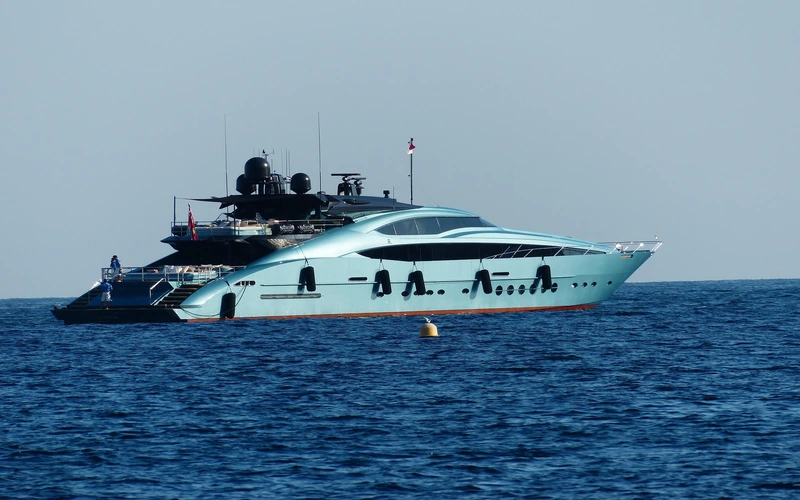
In contrast, the greatest advantage of a pre-owned yacht lies in its price. Much like cars, new yachts typically experience the most significant depreciation in the first few years after delivery. Therefore, purchasing a pre-owned yacht that is 5 to 10 years old with a complete maintenance history often allows you to enjoy an experience close to that of a new yacht on a lower budget. For first-time buyers entering the yacht market, this is also the most common choice.
To compare the differences between the two more clearly, please refer to the comparison table below.
| Comparison Criteria | New 40-foot yacht | Used 40-foot yacht |
| Purchase price | Higher | Lower |
| Depreciation rate | Fastest in the first 5 years | Relatively stable |
| Warranty | Usually comes with a manufacturer’s warranty | Most are out of warranty |
| Equipment | Latest technology and systems | Depends on the yacht’s age |
| Maintenance risk | Lower | Higher |
| Available Models | Limited by current market supply | Wider range of choices |
| Customisation | Can be customised to requirements | Virtually no customisation possible |
| Resale Value | Significant depreciation in the first few years | Relatively stable |
| Suitable for | Those with ample budget seeking peace of mind | Those prioritising value for money, first-time buyers |
Which Type of Buyer Should Choose New vs Used?
| Buyer Type | Better Choice | Reason |
| First-time buyer | 5–10 year used yacht | Lower depreciation and strong value |
| Long-term owner | New yacht | Warranty coverage and predictable maintenance |
| Budget buyer | Older used yacht | Lower entry cost but higher repair risk |
| Family cruiser | Newer used flybridge or power yacht | Good balance of comfort and resale value |
| Liveaboard / long stays | Catamaran or larger flybridge yacht | More interior space and stability |
Budget Recommendations for Different Buyers
When selecting a 40-foot yacht, many buyers habitually set their budget first and then look for vessels within that price range. However, a more sensible approach is to first determine your usage requirements and then work backwards to establish your budget.
This is because, for the same $500,000, one person might purchase a well-maintained, high-quality pre-owned yacht ready for immediate use, whilst another might end up with an ageing vessel requiring substantial repair costs down the line. When it comes to yachts, the purchase price is only part of the total cost; the ability to maintain the vessel in the long term is equally important.
As a practical rule, buyers should avoid spending their full budget on the yacht itself. For used 40-foot yachts, keeping at least 10%–20% of the purchase price available for survey issues, initial repairs, upgrades, insurance and marina setup is usually more realistic.
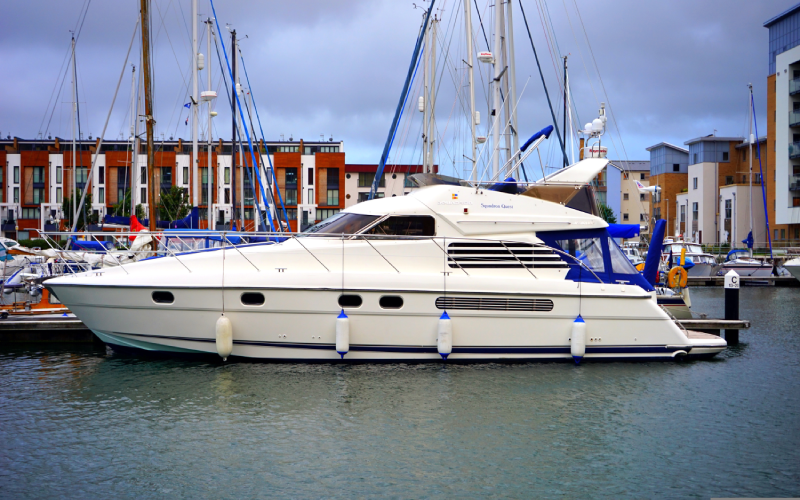
Budget under $200,000: Prioritise the boat’s condition over the brand
If your budget is under $200,000, most options on the market will be motor yachts and sports yachts that are over 15 years old.
The biggest challenge in this price range is not finding a boat, but finding one in good condition. Many low-priced yachts appear highly attractive, but often conceal issues such as ageing engines, electrical systems in need of upgrading, or interiors requiring refurbishment. Should extensive repairs be required after purchase, the final cost could even exceed the purchase price itself.
Therefore, for buyers in this budget range, rather than chasing well-known brands or luxury fittings, it is better to focus on maintenance records, survey reports and the condition of the engine. A well-maintained older boat is often a better buy than a luxuriously fitted but poorly maintained one.
Notice:Do not spend your full budget on the purchase price.
Budget of $200,000–$600,000: Entering the market segment offering the best value for money
For most family owners, this is generally the most value-for-money budget range for purchasing a 40-foot yacht.Notice:Do not spend your full budget on the purchase price.
Within this price bracket, buyers have access to a wide selection of mainstream brand yachts aged between 5 and 15 years, including flybridge yachts, sport yachts and some motor cruisers. These vessels have typically passed their peak depreciation phase but still boast modern layouts and comprehensive living facilities.
From a return on investment perspective, this is also widely recognised as the market’s ‘sweet spot’. Buyers avoid both the rapid depreciation of a new boat in its early years and the frequent maintenance issues associated with older vessels.
For first-time buyers planning to upgrade to a larger yacht in the coming years, this budget range is generally the most prudent choice.
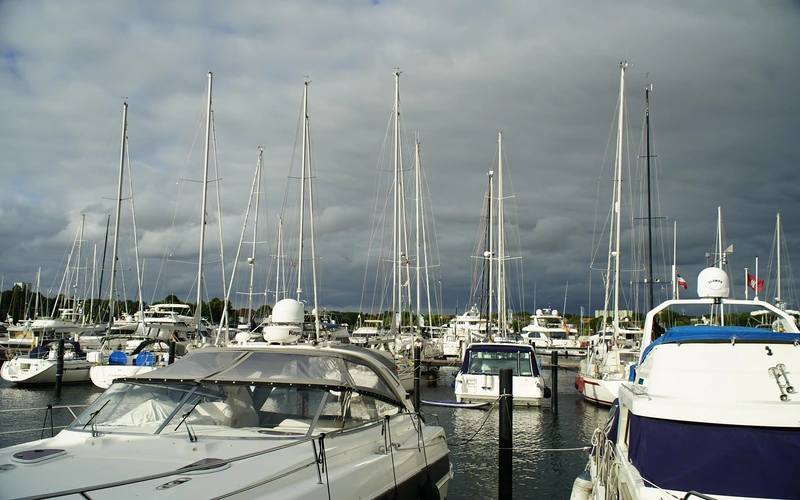
Budget of $600,000–$1.2 million: Balancing quality with long-term ownership experience
When the budget reaches this level, the range of options available to buyers expands significantly.
In addition to high-quality pre-owned yachts, one can begin to consider certain new 40-foot yachts. At this stage, the focus shifts from price alone to the ownership experience over the next 5 to 10 years.
For those planning to hold onto their yacht for the long term, purchasing a newer vessel generally offers greater advantages. Newer engines, more advanced navigation systems and a more modern interior design not only enhance comfort but also aid future resale value.
This budget range is particularly well-suited to family cruising enthusiasts, corporate clients seeking a venue for business hospitality, and owners wishing to take to the water frequently, as it strikes an excellent balance between comfort, reliability and running costs.
Buyers should still allocate part of their budget for insurance, equipment upgrades and future maintenance rather than committing the entire amount to the purchase.
Budget of $1.2 million and above: Choosing a yacht based on lifestyle
When the budget exceeds $1.2 million, the purchasing decision is usually no longer simply a matter of price, but a lifestyle choice.
Within this budget range, buyers can enter the market for high-end flybridge yachts, large motor cruisers and catamarans. Rather than the purchase price itself, greater attention should be paid to future usage scenarios. For example, will the yacht be used for weekend family getaways, long-distance coastal cruising, or a planned long-term life aboard?
For such buyers, spatial layout, comfort, long-range capability and the brand’s service network are often more important than the purchase price. This is because, over the long term, the value derived from the user experience typically far exceeds the initial budget savings.
At this level, ownership costs become increasingly important, and a dedicated operating budget should be planned alongside the purchase budget.
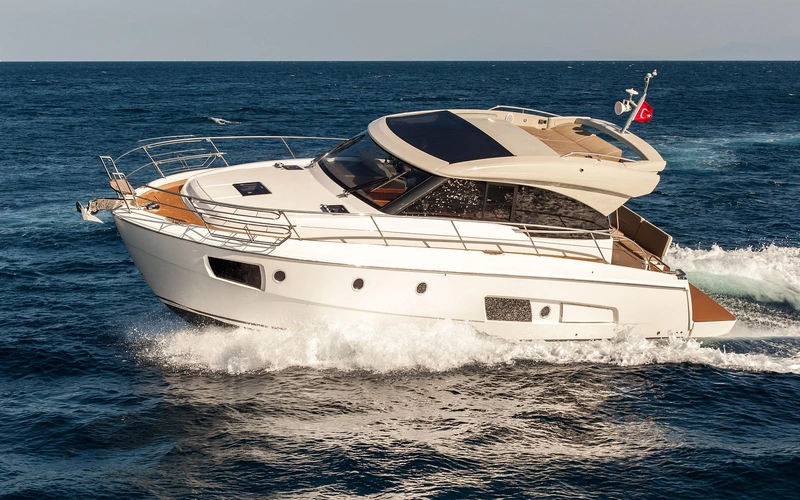
Summary
The reason why 40-foot yachts have long occupied a central position in the global yacht market is not because they are the cheapest, nor because they are the largest, but because they strike an ideal balance between space, comfort, performance and running costs.
In the 2026 market, the price of a 40-foot yacht could range from a few hundred thousand dollars to several million dollars. For most buyers, the choice is not simply between a new or used boat, but rather how to find the vessel that best suits their budget and usage requirements.
In addition to 40-foot yachts, if you want to learn more about the purchase and ownership costs of 60-foot/100-foot yachts, you can read: Yacht Running Costs Per Year: 40ft, 60ft & 100ft Breakdown.
About the Editorial Review
This guide was prepared by the YachtTrading editorial team and reviewed against publicly available brokerage listings, yacht valuation references, brand model information and common ownership-cost benchmarks. Because yacht prices vary by condition, location, engine hours, specification and market demand, all price ranges should be treated as general guidance rather than fixed offers.
Disclaimer
The content herein is for informational purposes only and is intended to share the author's personal experiences and perspectives. It does not constitute legal, tax, or investment advice. Yacht transactions involve complex legal, financial, and technical matters. Actual purchasing processes may vary due to regional regulations, vessel type differences, or individual circumstances.
Before making any yacht purchase decisions, readers are advised to consult licensed professionals (such as attorneys, tax advisors, licensed yacht brokers, or surveyors) for personalized guidance tailored to their specific situation. Neither the author nor the publisher shall be liable for any direct or indirect losses arising from reliance on the information provided herein.
FAQ
Q1: Is a 40-foot yacht suitable for first-time buyers?
A: Yes. For most family users, 40 feet is considered one of the most well-balanced yacht sizes. Compared to smaller yachts under 30 feet, it offers a more complete living space; compared to larger yachts over 50 feet, its purchase price, mooring fees and maintenance costs are relatively manageable.
Q2: Does a 40-foot yacht require a professional crew?
A: The vast majority of 40-foot yachts can be operated and managed by the owner themselves, without the need to employ a professional crew on a long-term basis. However, for new owners who are new to yachting, it is advisable to hire a professional skipper for training and guidance during the initial stages, to help them master sailing and mooring techniques more quickly.
Q3: Can a 40-foot yacht undertake long-distance voyages?
A: Yes, but this depends on the specific model and its intended purpose. Some motor cruisers and catamarans have strong range capabilities and are capable of long-distance coastal cruising or even cross-regional voyages. However, sport yachts designed primarily for entertainment and high-speed performance are better suited to inshore and local waters.
Q4: Which type of 40-foot yacht retains its value best?
A: Generally speaking, yachts with a high market presence, strong brand recognition and a comprehensive maintenance record tend to retain their value better. Flybridge yachts, owing to their broad appeal, often enjoy more stable demand in the second-hand market; meanwhile, popular catamarans have also demonstrated strong market value in recent years.
Q5: Is a 40-foot yacht suitable for long-term family living on board?
A: For short-term or seasonal living on board, a 40-foot yacht is already capable of providing a comfortable living experience. Most models are equipped with two to three cabins, a galley, a bathroom and a lounge area, which can meet the daily living needs of a family. However, if you are planning to live on board long-term or undertake transoceanic voyages, a catamaran with more space will generally be more comfortable.