Sailing attracts countless people who long for the sea. It is not just about a single voyage; it is a way to break free from the constraints of land and embrace a life of freedom. Gliding across the water powered by the wind, that sense of independence and excitement is where many novice sailors begin their dreams. Owning a sailboat suited to your needs is the first step toward embarking on a sailing lifestyle. So, how to buy the most suitable sailboat for beginners? This article will provide a practical and comprehensive purchasing guide, covering aspects such as budget planning, sailing goals, boat type selection, and trial sailing and purchasing processes.
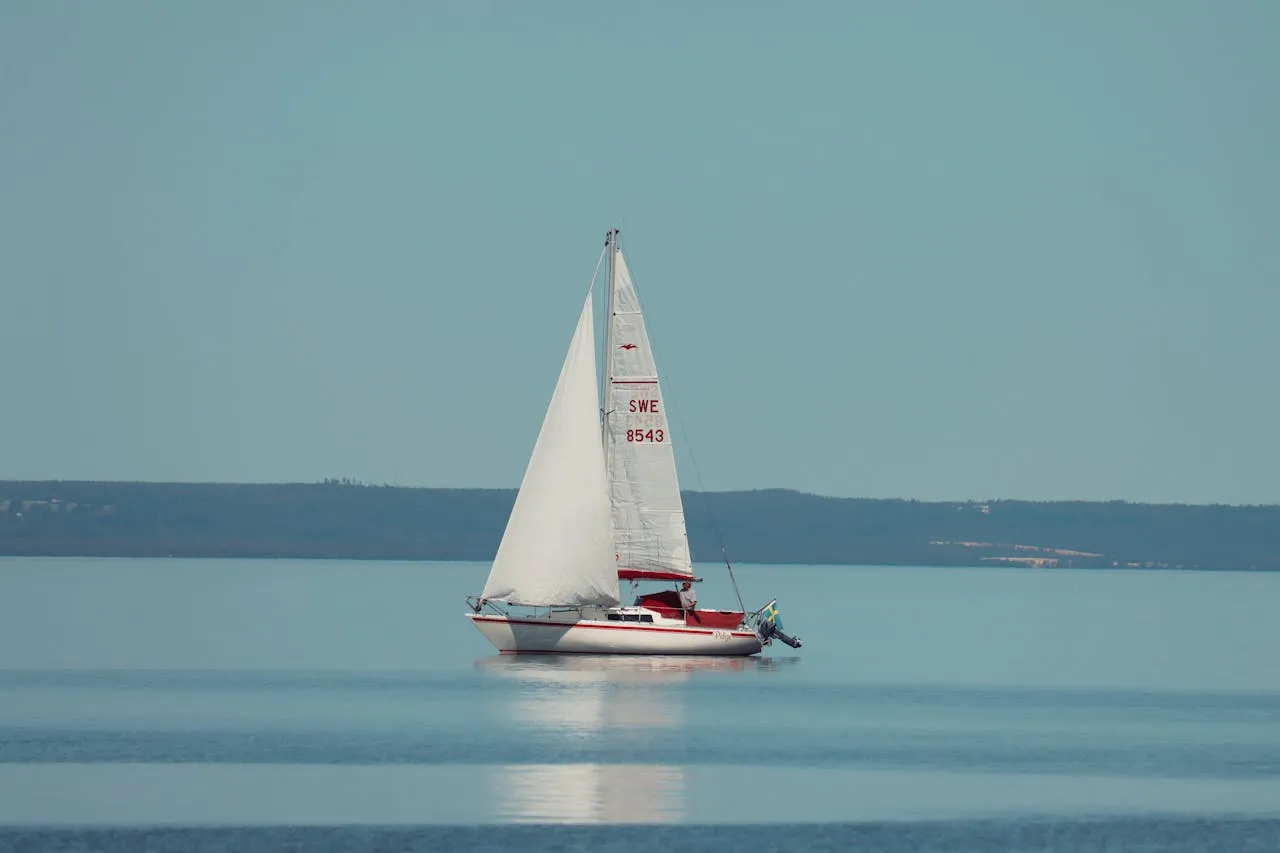
How to Buy the Most Suitable Sailboat for Beginners?
1. Budget Planning
The first step in purchasing a sailboat always starts with budgeting. For beginners, the budget not only includes the cost of purchasing the sailboat itself but also future maintenance, insurance, storage, accessories, and necessary equipment.
For example, harbour mooring fees, annual maintenance, sail replacement costs, insurance premiums, and safety equipment purchases are all tangible long-term expenses. It is recommended that beginners set a budget ceiling and allocate at least 20%-30% of the funds for future routine maintenance.
If your ideal sailboat is currently slightly above your budget, there is no need to give up immediately. Many shipyards, dealers, and financial institutions now offer boat loans and financing services, which can help you realise your dream of sailing the open seas under reasonable instalment terms.
2. Define Your Sailing Goals
Before you start selecting, ask yourself: Why are you purchasing a sailboat? Is it for weekend coastal short trips, participating in local sailing races, or planning for future ocean cruises?
Defining your sailing goals can help you quickly narrow down your options:
Dinghy: Small in size and easy to manoeuvre, ideal for beginners to practice water skills.
Keelboat: More stable in structure, suitable for medium to short-distance coastal cruising.
Catamaran: Spacious and comfortable for extended stays on board or family voyages.
Each type of sailboat has a different design purpose and functional定位, so choosing the right type for your needs is crucial.
3. New Boat or Used Boat?
For first-time sailboat buyers, should you purchase a brand-new sailboat or opt for a well-maintained used sailboat?
Both have their pros and cons:
New boat: Features the latest configurations and designs, comes with manufacturer warranty, offers a better handling experience, but is more expensive.
Used boat: More affordable, with a wider range of options, but varying conditions, so pay special attention to maintenance records and years of use.
If you choose a used sailboat, it is strongly recommended to hire a third-party marine surveyor to conduct a comprehensive inspection of the hull, rigging, engine, electronic equipment, and other critical components to avoid the awkward situation of having to repair the boat more frequently than sailing it.
4. Gathering Information
During the preparation phase before purchasing a sailboat, try to learn as much as possible about the mainstream beginner sailboat brands and models available on the market, and understand the advantages and disadvantages of different boats in terms of construction工艺, sailing performance, and spatial layout.
Browse boat owner communities, sailing forums, and related review websites, especially focusing on real-world experiences and reviews from boat owners. Moving beyond ‘paper specifications,’ understanding how a sailboat performs in real sea conditions is the wise choice.
Additionally, it is recommended that beginners familiarise themselves with some basic terminology, such as: overall length (LOA), draught depth, displacement, rigging type, etc. Understanding these terms will make you more confident and clear when communicating with dealers and reviewing configuration lists.
5. Sea Trial Experience
Before making a formal purchase, never overlook the sea trial phase. Just like test-driving a car, a sea trial is a crucial step in assessing a vessel's performance and suitability.
During the sea trial, focus on the following key points:
The sailboat's manoeuvrability;
Its performance under different wind speeds;
The smooth operation of onboard equipment;
The stability of the hull in waves.
Don't just judge a sailboat by its appearance; hands-on experience is the ultimate test of its true quality. If a sailboat feels uncomfortable or awkward during the sea trial, even if its paper specifications are impressive, it is advisable to explore other options.
6. Negotiating Price and Completing the Transaction
Once you have confirmed the sailboat’s good condition and are satisfied with the sea trial, you can enter into substantive negotiations with the seller. At this stage, the inspection report and sea trial feedback are your strongest bargaining chips.
Do not rush to pay a deposit before the price is finalised. A clear purchase agreement protects both parties’ interests; it is recommended to have a legal professional familiar with ship transactions assist in drafting or reviewing it.
At the same time, don't overlook the following key steps:
Complete the transfer of ownership and registration documents;
Verify that there are no outstanding loans or maritime disputes;
Pay any necessary taxes and fees in accordance with local regulations (if applicable);
Cooperate with the insurance company to complete the initial underwriting process.
These procedures may seem cumbersome, but they are essential to ensuring your peace of mind while sailing.
7. Post-Purchase Maintenance and Insurance
Owning a sailboat is just the beginning; true sailing life also involves a series of maintenance and operational tasks. You need to prepare for routine maintenance, seasonal upkeep, equipment upgrades, and unexpected repairs.
A suitable sailboat insurance policy is indispensable. Depending on your sailing area, vessel value, and intended use, there are various insurance options available on the market. Choosing a reliable insurance provider will add an extra layer of protection for your investment and maritime safety. Additionally, consider joining local or online sailing communities and yacht clubs, as this will not only provide you with practical information but also help you quickly integrate into the sailing community and expand your maritime horizons.
Purchasing a yacht suitable for beginners is not an impulsive decision but a well-planned long-term investment. From setting a budget, establishing sailing goals, matching sailboat types, inspecting vessel condition, to ensuring legal transfer, each step directly impacts your future sailing experience. As a platform dedicated to providing yacht pricing consultations, vessel transactions, transportation, and maintenance services for sailing enthusiasts, Yachttrading advises newcomers to thoroughly prepare and carefully select their vessels before purchase.