Quick Answer: How Much Does It Cost to Build a Sailboat in 2026?
In 2026, building a sailboat can cost from a few thousand dollars for a small DIY dinghy to several hundred thousand dollars for a professionally built cruising sailboat or catamaran. The final cost depends on the boat size, hull material, labor, rigging, sails, engine, interior, electronics and whether you build it yourself or hire a professional yard.
| Boat Building Type | Typical Cost Range | Best Suited For |
|---|---|---|
| Small DIY Dinghy | $1,000–$5,000+ | Hobbyists, beginners, and simple recreational sailing |
| DIY Day Sailing Boat | $5,000–$25,000+ | Experienced DIY builders and casual sailing projects |
| 25–35 ft Sailboat | $30,000–$150,000+ | Professional self-builders or semi-custom construction projects |
| 35–50 ft Cruising Sailboat | $100,000–$500,000+ | Long-term cruising, offshore travel, or liveaboard use |
| Custom Catamaran | $250,000–$1,000,000+ | High-performance sailing, charter operations, and family cruising |
| Large Custom Sailing Yacht | $1,000,000+ | Luxury private ownership or professional shipyard construction |
DIY construction can lower labor costs, while professional builds are more expensive due to skilled labor, specialized equipment, and customization.
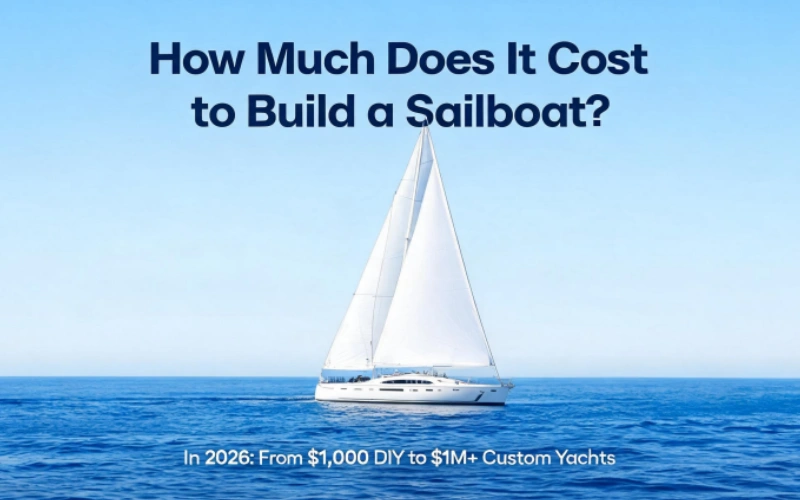
Sailboat Building Cost by Size
The size of a sailboat is one of the biggest factors affecting construction cost. Larger boats require more materials, bigger rigs, more complex systems, and more interior work, which can significantly increase the total build budget.
| Sailboat Size | DIY Build | Professional Build | Notes |
|---|---|---|---|
| Under 16 ft | Low | Low–Medium | Dinghy and simple sailing boats |
| 16–25 ft | Medium | Medium | Daysailer and trailerable sailboats |
| 25–35 ft | Medium–High | High | Small cruisers and coastal boats |
| 35–50 ft | High | Very High | Offshore cruisers and liveaboards |
| Catamaran | Very High | Very High | More hull area and complex systems |
Small DIY sailboats under 16 feet are usually the cheapest to build, often using plywood or fiberglass construction. They are popular with beginners because they require fewer materials and simpler systems.
A 16–25 ft daysailer requires more investment in rigging, sails, and deck equipment, while 25–35 ft cruising sailboats add engines, electrical systems, and basic living features.
Larger 35–50 ft cruisers and catamarans become significantly more expensive because of offshore requirements, advanced equipment, larger interiors, and more complex construction.
For large custom sailing yachts, costs can exceed $1 million due to specialized engineering, premium materials, luxury interiors, and professional shipyard labor.
Sailboat Building Cost by Material
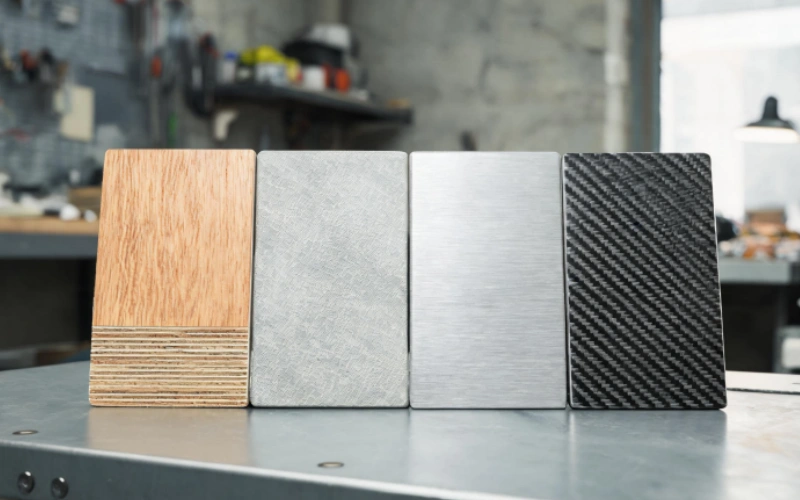
The material used to build a sailboat affects the total construction cost, durability, maintenance needs, and sailing performance. Wood and plywood are popular for low-cost DIY projects, while aluminum, steel, and carbon composites are usually chosen for larger, high-performance, or offshore sailboats.| Material | Cost Level | Pros | Cons |
|---|---|---|---|
| Plywood/Wood | Low–Medium | Affordable, DIY-friendly, traditional | Maintenance and craftsmanship required |
| Fiberglass | Medium | Common, durable, low maintenance | Custom builds require molds |
| Aluminum | High | Lightweight, strong, offshore capable | Skilled welding required |
| Steel | Medium–High | Strong, repairable, durable | Corrosion protection needed |
| Carbon/Composite | Very High | Lightweight, high performance | Expensive materials and labor |
Wood and plywood remain the most affordable options for small sailboats and DIY builders because materials are widely available and construction methods are easier to learn.
Fiberglass is the most common choice for modern production sailboats due to its balance of cost, strength, and low maintenance. However, custom fiberglass construction can become expensive because of mold and tooling costs.
Aluminum and steel are often used for offshore cruising sailboats because of their strength and durability. Their higher construction costs mainly come from specialized fabrication, welding, and finishing work.
Carbon fiber and advanced composites are typically reserved for racing sailboats and luxury custom yachts where performance and weight reduction are more important than budget.
Click here to learn about fiberglass vs. aluminum boats, as well as wooden vs. fiberglass boats.
Main Cost Items When Building a Sailboat
Building a sailboat involves more than just hull construction. The final cost also includes rigging, mechanical systems, electronics, interior work, labor, and professional services.
Hull and Deck Construction
The hull and deck are usually the largest construction expenses, covering structural materials, keel, rudder, deck fittings, and protective finishes. For larger sailboats, this part can account for a significant portion of the total build cost.
Rigging, Mast and Sails
The mast, boom, rigging, and sails are essential sailing components. Costs vary by boat size and material, with larger cruising boats and performance yachts requiring more expensive systems.
Engine and Mechanical Systems
Most cruising sailboats need an auxiliary engine, fuel system, and related mechanical equipment. A complete propulsion system can add $10,000–$50,000+ to the build cost.
Electrical and Navigation Equipment
Modern sailboats require batteries, solar systems, GPS, communication equipment, AIS, radar, and autopilot. Electronics costs can range from several thousand dollars to $100,000+ for advanced offshore setups.
Interior, Plumbing and Safety Equipment
Cabins, galley systems, plumbing, freshwater, ventilation, and safety equipment can significantly increase costs, especially on cruising and liveaboard sailboats.
Labor, Yard Fees and Professional Design
Professional labor, engineering, fabrication, and yard fees are major expenses in custom builds. Labor alone can represent a large share of the total construction budget.
DIY Sailboat Build vs Professional Boatbuilder
Choosing between a DIY build and a professional boatbuilder has a major impact on the final sailboat construction cost. DIY projects can reduce labor expenses but require skills, time, tools, and workspace.
DIY Sailboat Construction Costs
DIY sailboat building is usually the lower-cost option, especially when using sailboat kits or simple designs. Typical costs include:
- Small sailboat kit: $1,000–$10,000+
- Daysailer project: $5,000–$30,000+
- Small cruising sailboat: $30,000–$150,000+
However, DIY builders should consider hidden costs such as tools, storage, mistakes, and the time required to complete the project.
Professional Sailboat Construction Costs
Professional builders offer skilled labor, engineering support, specialized equipment, and higher-quality finishing, but these services significantly increase the total cost.
Typical professional build costs:
- 30–40 ft sailboat: $150,000–$500,000+
- 40–60 ft cruising sailboat: $500,000–$1M+
- Custom sailing yacht: $1M+
⚠ DIY construction is best suited for experienced builders who enjoy long-term projects, while professional construction is more suitable for owners seeking customization, reliability, and faster completion.
Is It Cheaper to Build or Buy a Sailboat?
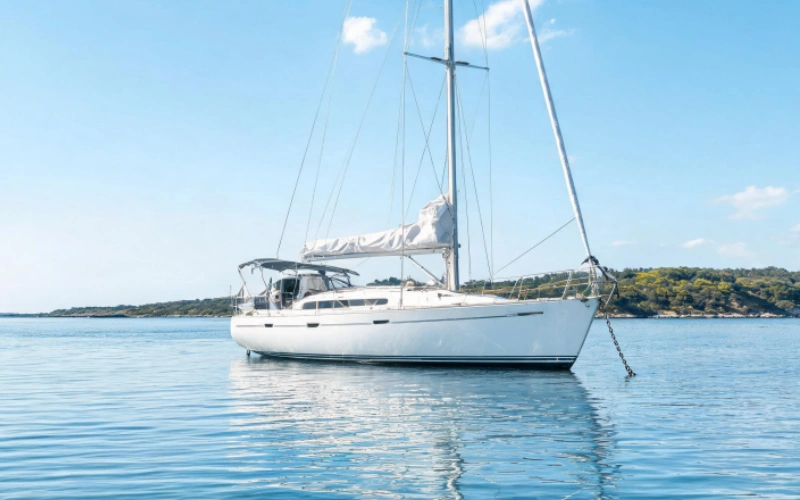
For most sailors, buying a used sailboat is usually cheaper than building a new one. A new build requires additional costs for design, materials, labor, equipment, and unexpected changes during construction.
A used sailboat may already include:
- Engine
- Sails and rigging
- Electronics
- Interior systems
- Safety equipment
This allows buyers to get a ready-to-use boat at a much lower cost compared with building a similar vessel from scratch.
Building a Sailboat vs. Buying a Sailboat
| Option | Cost Level | Best For |
|---|---|---|
| DIY build | Lower upfront cost | Experienced builders and hobbyists |
| Custom build | Highest cost | Owners needing specific designs |
| New production sailboat | Medium–High | Buyers wanting modern features |
| Used sailboat | Lowest overall cost | Most recreational sailors |
For example, building a 40-foot cruising sailboat can easily cost hundreds of thousands of dollars, while a well-maintained used sailboat of similar size may be available at a significantly lower price.
Hidden Costs Many First-Time Builders Miss
Many new builders focus mainly on hull materials and underestimate the additional expenses required to complete a usable sailboat.
| Hidden Cost | Why It Matters |
|---|---|
| Sails and rigging | Often much more expensive than expected |
| Engine and fuel systems | Required for most cruising sailboats |
| Electronics | Navigation, communication, radar, batteries |
| Yard storage | Long construction periods create ongoing fees |
| Survey and insurance | Needed before serious use or resale |
| Transport and launch | Moving and launching large boats can be expensive |
| Rework and mistakes | DIY errors increase final costs |
These additional expenses can add 10%–30% or more to the original construction estimate.
When Building a Sailboat Makes Sense
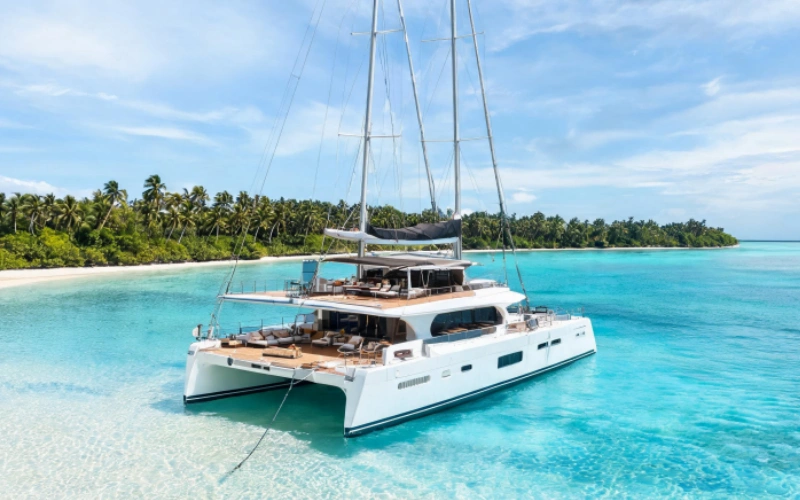
Building a sailboat can be a good choice when you want a vessel that matches specific requirements and you enjoy the construction process.
Building may make sense if:
- You have strong woodworking or boatbuilding skills
- You want a custom layout
- You enjoy long-term projects
- You want to learn marine construction
- You need a design that is not commercially available
A custom build also allows owners to select specific materials, equipment, and performance characteristics.
However, building is rarely the fastest way to get on the water. It requires careful planning, realistic budgeting, and commitment over many months or years.
When Buying a Used Sailboat or Yacht Is Smarter
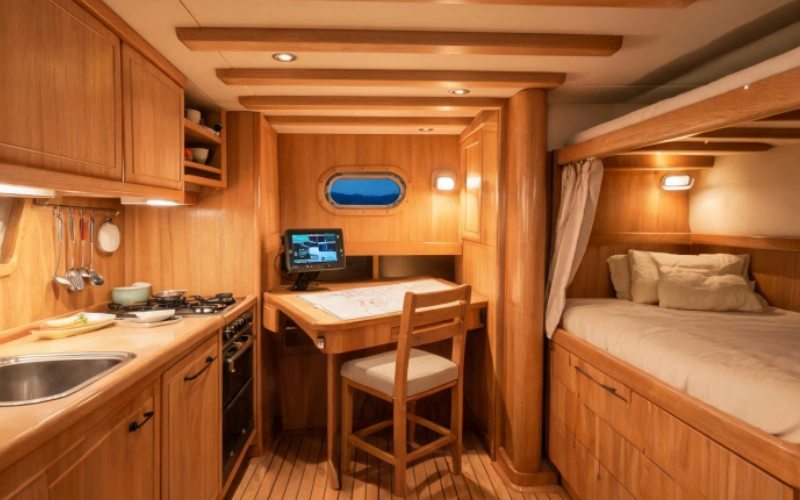
Buying a used sailboat or yacht is often the smarter choice when the goal is to get on the water quickly while avoiding the high costs and long timeline of a new build.
A used boat may be a better option when:
- You have a limited budget: A well-maintained used sailboat can cost significantly less than building a similar new vessel.
- You want to start sailing immediately: Used boats are usually ready to use, while custom builds may take months or years to complete.
- You do not need a fully customized design: Many production sailboats already offer proven layouts, reliable performance, and established maintenance records.
- You want to reduce financial risk: New construction often involves unexpected expenses, delays, and cost overruns.
- You prefer proven models: Older high-quality sailboats and yachts may have known reliability, available spare parts, and strong resale value.
Used sailboats are especially attractive for buyers looking for cruising boats, offshore-capable vessels, and liveaboard yachts. However, a professional survey is still important to check the hull, rigging, engine, electrical systems, and overall condition before purchase.
FAQ
Q1: How much does it cost to build a small sailboat?
A: A small sailboat typically costs $1,000–$10,000+ to build, depending on the size, materials, and whether it is a DIY project.
Q2: Is it cheaper to build or buy a sailboat?
A: For most sailors, buying a used sailboat is usually cheaper because it avoids new construction costs such as labor, design, and equipment.
Q3: How much does a steel hull sailboat cost to build?
A: A steel hull sailboat generally costs $100,000–$800,000+, depending on size, construction method, and interior specifications.
Q4: How much does it cost to build a 30-foot sailboat?
A: A 30-foot sailboat usually costs around $30,000–$150,000+ to build, depending on materials, equipment, and labor.
Q5: How much does it cost to build a catamaran?
A: A custom catamaran can cost around $250,000 to over $1 million, depending on size, materials, and customization.
Q6: What is the most expensive part of building a sailboat?
A: The largest expenses are usually hull construction, labor, rigging, sails, mechanical systems, and interior work.
Q7: How long does it take to build a sailboat?
A: A small DIY sailboat may take months, while a large custom sailboat can take several years to complete.
Q8: Can a beginner build a sailboat from scratch?
A: Yes, beginners can build small sailboats using simple designs or kits, but larger cruising boats require advanced skills and experience.