The proper storage of fire extinguishers is particularly critical in yacht safety management. Correct placement ensures that fire extinguishers are quickly accessible in the event of a yacht fire, and also minimises the risk of fire. As a platform focusing on providing one-stop service for yacht pricing consulting, trading, transport and maintenance, Yachttrading summarises the best storage location and maintenance points for fire extinguishers on yachts, helping owners to improve the safety and security of their yachts.
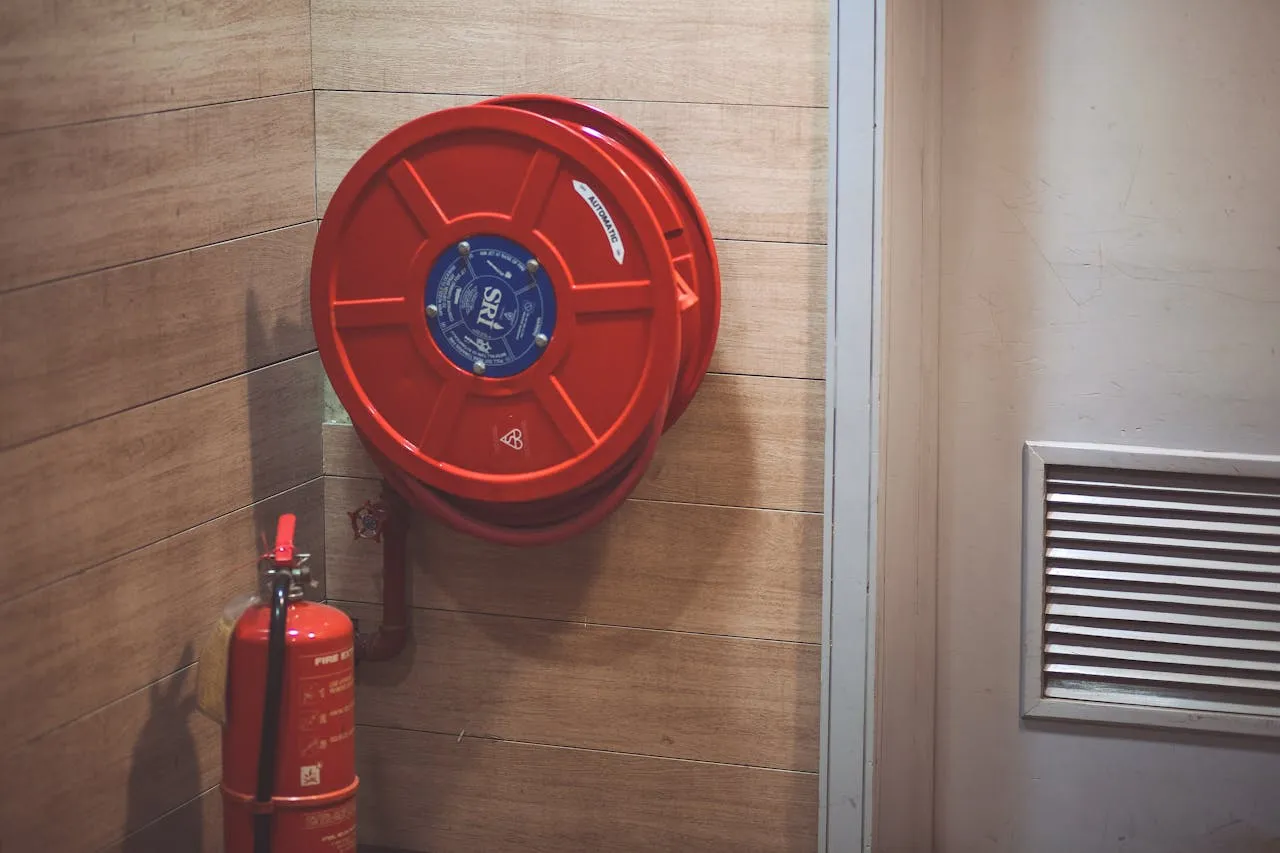
1. The Best Place to Store a Fire Extinguisher on a Yacht
When storing fire extinguishers on yachts, the first principle is that the location should be obvious and convenient for quick access in case of emergency. Never place extinguishers in hidden corners or closed cupboards. In addition, extinguishers should be kept in an upright position to avoid chemical deposits and to ensure consistent performance when in use. The storage location should also avoid flammable areas near the engine compartment and fuel containers to reduce the probability of accidents.
Different types of extinguishers are suitable for extinguishing different fires, and it is important to configure them appropriately:
Class A extinguishers are suitable for ordinary combustible materials such as wood and paper, and are recommended to be installed in cabins and living areas.
Class B extinguishers are for flammable liquid fires (petrol, oil, etc.) and are suitable for use in the galley and fuel storage areas of the yacht.
Class C extinguishers are specifically for electrical fires and should be placed in the bilge and near electrical equipment.
ABC multi-functional fire extinguishers have the functions of the above three categories, suitable for placement in a number of key areas on board, to enhance the overall safety and security.
2. Recommended Locations for Storing Fire Extinguishers on Yachts
Cabin
As the living and resting area of the yacht, the cabin must be equipped with a fire extinguisher. The fire extinguisher should be installed near the entrance, so that it is easy to access quickly in case of emergency. It is recommended to place Class A or multi-functional ABC fire extinguishers, which can deal with fires caused by wood and fabrics.
Galley
The galley is a high-risk fire area, where grease and flammable liquids gather and can easily cause a fire. It is recommended to equip Class B or ABC fire extinguishers here, which can effectively extinguish liquid fires and also conveniently respond to other fires that may occur occasionally. The fire extinguisher should be installed near the galley but not obstructing access.
Bilge
The bilge compartment of a yacht has limited space but a high risk of electrical fire due to the concentration of electrical equipment. Fire extinguishers of type C or ABC should be provided, and ensure that they are securely fixed to prevent them from moving when the boat is rocked, and to ensure easy access.
Engine Room
Engine Room is the key area for fuel leakage and engine overheating fire. It is recommended to place Class B or ABC fire extinguishers and fix them securely so that they can be used quickly in a small space.
3. Yacht Fire Extinguisher Installation and Maintenance Points
The installation of fire extinguishers on yachts must follow safety regulations, the installation height and fixing method should be easy to access quickly, while not hindering daily activities. Regularly check the pressure gauge and sealing condition of the extinguishers to ensure there is no damage. We recommend that boat owners self-check monthly and have them serviced by a professional at least annually to ensure that the extinguishers are always in good condition. In addition, fire extinguishers should be replaced in a timely manner according to the manufacturer's stipulated service life to prevent failure from posing safety hazards.
4. Proper Use of Fire Extinguishers
In case of fire, you can follow the ‘PASS method’:
Remove the pin: Destroy the tamper-evident seal and prepare to spray the extinguishing agent.
Aim at the root of the flame: the best fire extinguishing effect against the root of the fire.
Squeeze the handle: Apply even pressure to release the extinguishing agent.
Sweep from side to side: Cover the root of the flame until it is completely extinguished.
Fire extinguishers on yachts should be placed in key areas such as cabins, galleys, bilges and cabins, and stored in a conspicuous and accessible location. Choosing the right fire extinguisher for the type of fire and configuring it appropriately will help to ensure overall safety on board. At the same time, standardised installation and regular maintenance are the basis for ensuring that fire extinguishers are always available. Boat owners should not neglect the proper configuration and maintenance of fire extinguishers to build the first line of defence for your yacht's navigation safety.
For more information on yacht safety management and related services, please feel free to contact our professional team, Yachttrading is committed to providing you with a comprehensive range of yachting solutions to ensure that your sailing experience is worry-free.