For many people, owning their own yacht is a dream come true. Imagine steering your yacht out onto the azure sea on weekends, feeling the sea breeze, sunshine, and tranquility—such a scene is enough to make anyone's heart race.
However, many assume that whether buying a new yacht or a used yacht , the most expensive part is the “purchase price.” I used to think that too. It wasn't until I became an actual boat owner that I realized that's just the tip of the iceberg. The purchase price is merely the beginning, followed by a continuous stream of ongoing expenses: insurance, marina fees, maintenance, fuel, taxes... each one can surprise you!
In fact, research by UK yacht consultancy Oak & Partners reveals that many owners underestimate the complexity and expense of yacht ownership. Annual operating costs (covering maintenance, crew, insurance) typically range from 10% to 50% of the vessel's total value. This means many new owners face financial strain not because they bought the wrong boat, but because they underestimated the true cost of ownership.
In this article, I'll draw on my own experience to break down exactly how much owning a yacht costs—and how to intelligently cut hidden expenses.
Table of Contents
Quick Overview: The Total Cost of Yacht Ownership Formula
Hidden Cost #1: Insurance and Liability Coverage
Hidden Cost #2: Mooring and Marina Fees
Hidden Cost #3: Maintenance & Repairs
Hidden Cost #4: Fuel & Operations
Hidden Cost #5: Taxes, Registration, and Compliance Fees
Depreciation and Resale Value
Practical Budget Template
Cost-Saving Strategies and Decision Points
Summary
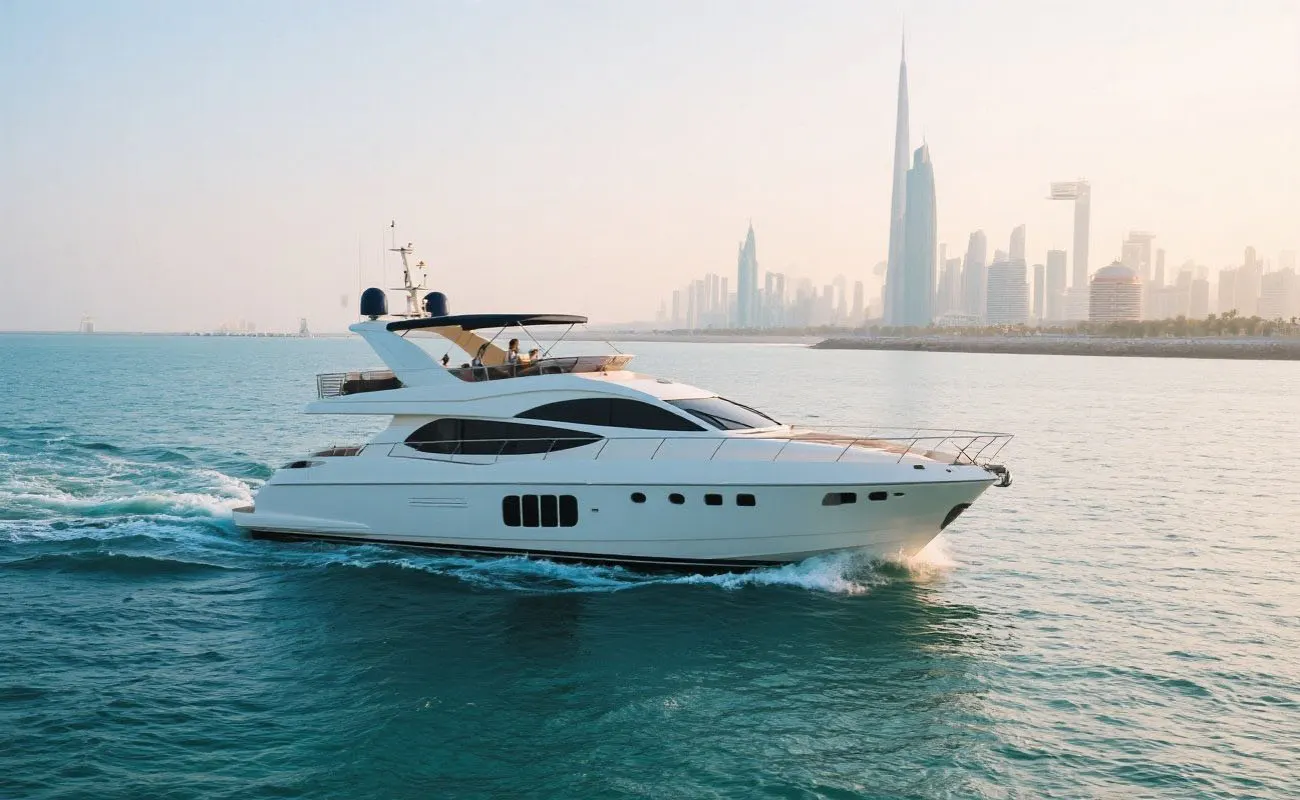
Quick Overview: The Total Cost of Yacht Ownership Formula
When I began planning my budget, the shipyard owner jotted down this formula that left a lasting impression:
Total Cost of Ownership = Purchase Price + Depreciation + Fixed Expenses + Variable Expenses + Insurance & Taxes
This formula signifies that the purchase price is merely the starting point for fixed costs. Depreciation, routine maintenance, mooring fees, fuel, and other expenses are the “invisible monsters” that steadily devour your budget.
As noted in Berthon International's Yacht Ownership Report, owners typically spend around 10% of the purchase price annually on maintenance and operating costs. In other words, if you plan to buy a $200,000 yacht, be prepared to allocate at least $20,000 to $30,000 extra each year to ensure it runs smoothly.
Hidden Cost #1: Insurance and Liability Coverage
When I first bought my yacht, I assumed insurance was just a token expense. But after consulting experts, I discovered yacht insurance is a complex field. Typically, you need three types: hull insurance, third-party liability insurance, and passenger insurance. Hull insurance covers your own losses, while liability insurance protects against accidentally colliding with others or damaging marina facilities.
Yacht insurance costs generally depend on the vessel's size, age, model, cruising area, and mooring location. Newer boats benefit from lower risk assessments and consequently lower premiums, while vessels over ten years old often see significantly higher rates. Marinas in typhoon or hurricane-prone zones, such as the South Pacific or Caribbean, are classified as high-risk areas by insurers, commanding premiums over 30% higher than inland lakes. The operator's experience is equally crucial. If the skipper holds an internationally recognized yacht license and maintains a clean sailing record, insurers typically offer rate discounts. For novice operators, premiums can be shockingly high. My first-year premium amounted to 3% of the boat's value, gradually decreasing in subsequent years.
In practical budgeting, annual insurance for a 30-foot yacht ranges from $1,000 to $1,500, while premiums for larger vessels over 50 feet can soar to $3,000 to $5,000. Though costly, this expense is non-negotiable—insurance becomes your sole financial lifeline in the event of an accident.
Later, I learned several money-saving tips from the 2025 Yacht Insurance Guide: First, engage a professional insurance broker to bundle different coverage types for overall cost savings. Second, increase your deductible—voluntarily assuming more initial risk in exchange for lower premiums. Third, maintain a clean sailing record by avoiding claims and staying within boundaries to secure significant discounts in subsequent years.
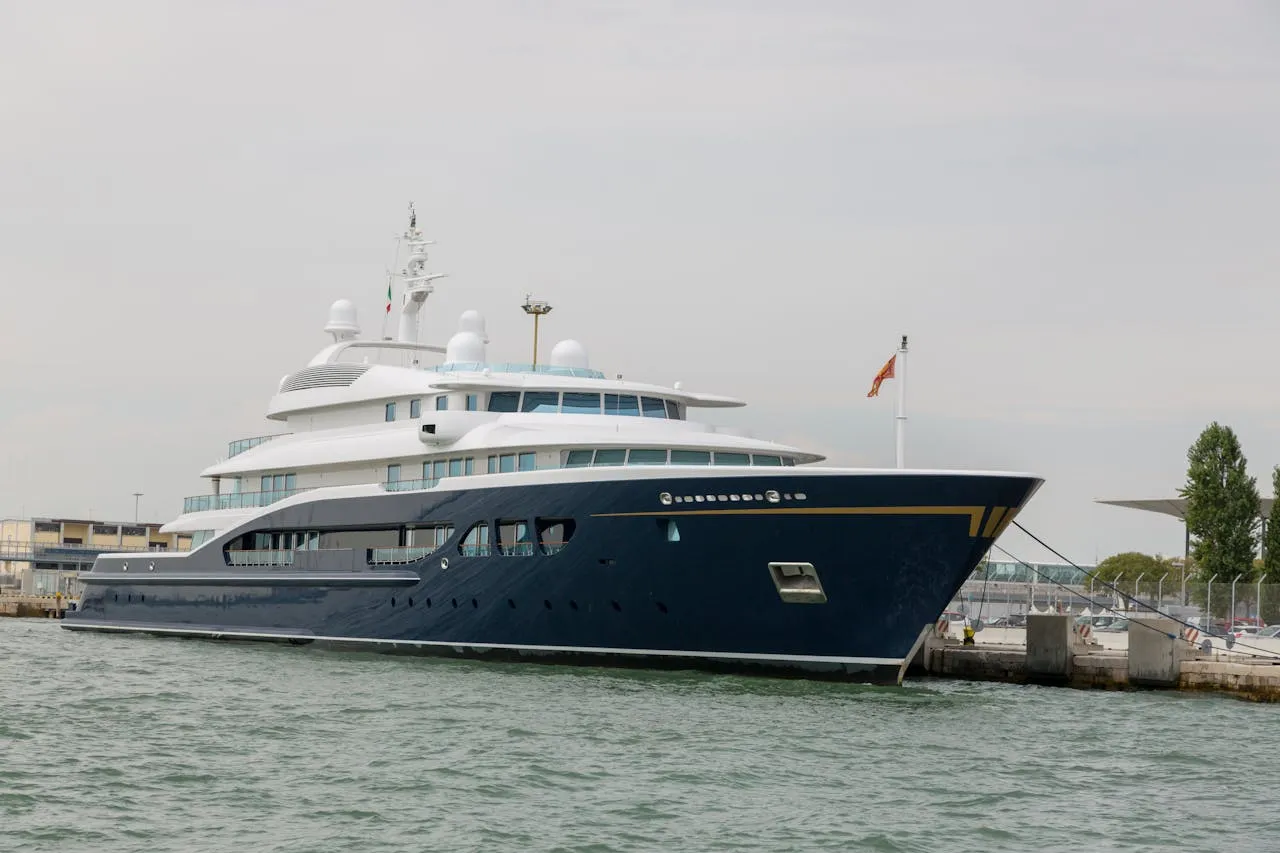
Hidden Cost #2: Mooring and Marina Fees
If insurance is a “static expense,” then marina fees are the “monthly rent” of yacht ownership.
Take me, for instance. Initially, I rented a high-end marina in the city center with full amenities—restaurants, fueling stations, security—all included. But it cost nearly $100,000 annually. Moving to a suburban or secondary harbor could cut those costs in half.
Long-term berths are more economical than temporary ones, but scrutinize contract terms. Some marinas stipulate “annual automatic price increases,” while others levy “peak season surcharges” during holidays. I once got burned—failing to notice “additional electricity charges” and “freshwater usage fees” resulted in a monthly bill 30% higher than budgeted.
My advice: always ask what services are included versus what's billed separately when signing contracts. Sometimes, a seemingly pricier marina proves more cost-effective in the long run due to better security, comprehensive facilities, and convenient repairs. For deeper insights, check out this 2025 Marina Guide.
Hidden Cost #3: Maintenance & Repairs
This is where the real money drains away. I recall an experienced owner telling me: “If you neglect your boat's maintenance, it will teach you a lesson.”
Yacht upkeep falls into two categories: routine maintenance and unexpected repairs. Routine tasks include engine servicing, propulsion system inspections, battery maintenance, antifouling repainting, and bilge cleaning. Unexpected issues can involve engine failure, hull leaks, navigation system malfunctions... often striking without warning.
According to Berthon International estimates, maintenance costs average 8%–12% of the vessel's value annually, rising higher for older boats. In other words, the older the boat, the higher the maintenance costs—typically requiring an additional 20% budget for every five years of age.
Some opt to DIY to save money, but I caution: unless you're truly mechanically savvy, “saving” may ultimately cost more. Outsourcing to professional shipyards is pricier but offers warranties, documentation, and benefits when reselling.
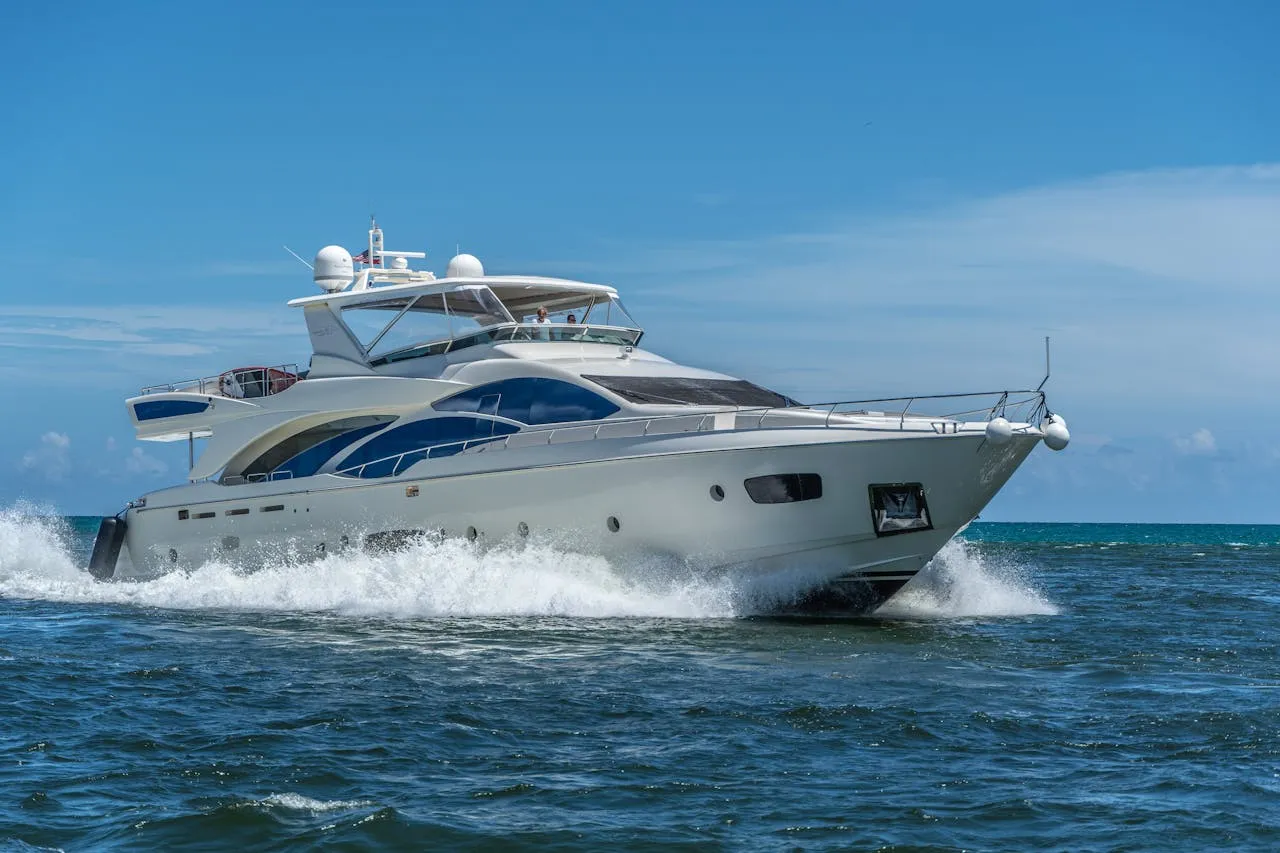
Hidden Cost #4: Fuel & Operations
The thrill of yachting lies in that moment of leaving port—yet it's also when your wallet starts “leaking fuel.”
Fuel costs are a very real expense. Take my 30-foot boat as an example: it consumes about 25 liters per hour at cruising speed. A weekend trip lasting three or four hours can easily cost several hundred dollars in fuel alone. Add in marine generators, air conditioning, cooking gas, and other uses, and fuel expenses typically account for around 15% of total annual costs.
Beyond that, there's a whole array of consumables: anchor chains, ropes, fire extinguishers, life jackets, signal flares, marine electronics... These items have limited lifespans and need replacing every few years.
Later, I developed some fuel-saving techniques, like controlling speed, regularly cleaning the hull to reduce drag, and using energy-efficient propellers. Don't underestimate these details—small savings add up. It's not hard to save a thousand or two yuan a year.
Hidden Cost #5: Taxes, Registration, and Compliance Fees
Buying a boat isn't just about acquiring the “thing” itself—it also involves navigating a mountain of paperwork.
When I imported that boat, customs duties and value-added tax alone accounted for over 10% of the purchase price. Buying domestically avoids import taxes, but you still face registration fees, port fees, and even environmental taxes in some regions.
Moreover, yacht navigation requires various certifications. Operators need licenses, vessels require inspection certificates, and annual inspections are mandatory. International voyages add further complexity: entry fees, mooring charges, demurrage fees, radio permits—all must be factored into your budget.
Therefore, before purchasing, thoroughly research regulations for your intended sailing areas and prepare documentation in advance. This approach is far less stressful than scrambling for solutions later.
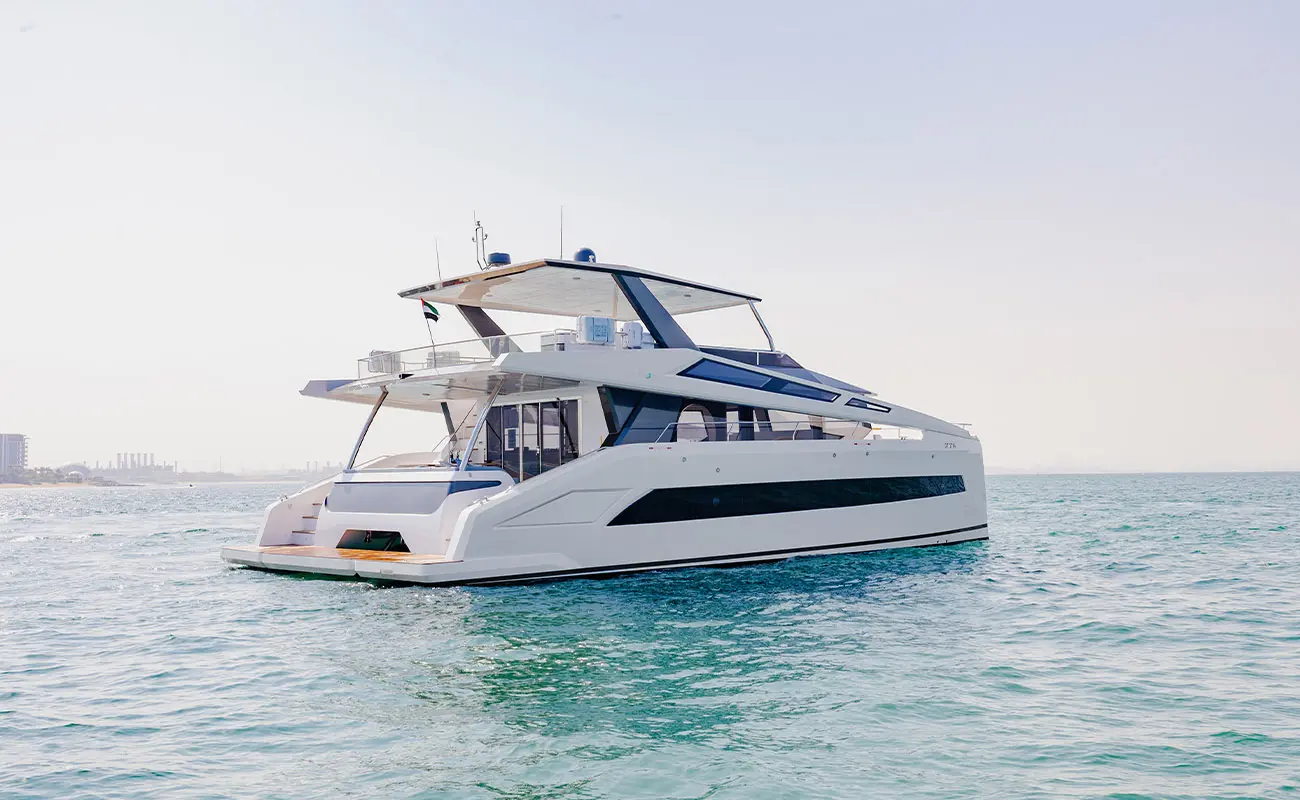
Depreciation and Resale Value
Unlike real estate, yachts depreciate. According to the U.S. yacht database platform YATCO, “Depreciation rates can reach 40%–50% within the first five years.” Generally, brand reputation, maintenance condition, usage frequency, and mooring environment all impact resale value.
I've seen well-maintained boats sell for 60% of their original value after ten years, while others lost half their worth within three.
Preserving value hinges on three key factors: regular maintenance, comprehensive records, and avoiding unnecessary modifications. Many buyers prefer to pay a premium for a well-maintained vessel. Premium marina berths also enhance residual value—after all, “appearance shapes perception.”
Practical Budget Template
I created a simple annual budget template for myself, roughly as follows (using RMB as an example):
Fixed Expenses: Marina Fees 100,000 + Insurance 20,000 + Registration/Taxes 10,000
Variable Expenses: Fuel 30,000 + Maintenance/Repairs 40,000
Reserve Repair Fund: 20,000
Total: Approximately 180,000/year
For vessels over 40 feet, budget by multiplying these figures by 1.5 to 2 times. It's wise to add an extra 10% as contingency funds, as unexpected expenses inevitably arise.
Cost-Saving Strategies and Decision Points
If you're a first-time yacht buyer, consider purchasing a pre-owned vessel. These typically cost 30%-50% less than new boats, carry lower depreciation pressure, and are ideal for gaining experience.
Another approach is shared ownership—partnering with friends to purchase a boat, each using it for several months; or joining a timeshare or yacht club program where you pay based on usage time. While this reduces the “exclusive ownership” feeling, it significantly cuts daily expenses.
Final point: Don't blindly pursue larger boats. Bigger vessels aren't just pricier—they also mean more maintenance, higher fuel consumption, and greater mooring hassles. Choose one that meets your needs.
Summary
If buying a yacht is a dream, the hidden annual costs are what keep that dream afloat. Savvy owners never focus solely on the purchase price—they first calculate the full “yacht ownership” expenses.
My advice: Before committing to a purchase, consult insurers, marinas, and shipyards for quotes. Create a comprehensive annual budget. This approach ensures you sail farther and enjoy your yacht longer.
About the Author
Emery
Yacht Broker / Yacht Transaction Advisor / Contributing Writer for Yachting Magazine
SAMS Certified Surveyor #2458
Honored as one of “Asia's Top Ten Yachting Industry Experts” and recipient of the “Outstanding Yacht Broker Service Award”
Disclaimer
Estimated Nature: All fees, cost percentages, and budget template examples cited herein are estimates and general guidelines. Actual costs are influenced by numerous variables including vessel type, age, brand, size, usage frequency, berthing location (country, city, marina tier), cruising region, insurance terms, maintenance schedule, fuel price fluctuations, tax policies, personal usage habits, and macroeconomic factors (e.g., 2025 inflation rate), potentially resulting in significant variations. These figures are not precise quotations or guarantees.
Information Sources: Research institutions (e.g., Oak & Partners, Berthon International), reports (e.g., The Yacht Ownership Report), and platforms (e.g., YATCO) referenced herein, along with their data and perspectives, served as authoritative sources at the time of writing. These entities bear sole responsibility for their research methodologies, data scope, and conclusions; this article merely cites and paraphrases their findings. Readers should independently assess the timeliness and applicability of this information.
Personal Experience and Recommendations: This article includes the author's personal experiences, observations, and cost-saving strategies. These insights are based on the author's specific circumstances and understanding and do not constitute professional financial, legal, insurance, nautical, or technical advice. Personal experiences cannot cover all scenarios, and their effectiveness varies from person to person.