



Superyachts are not suitable for all buyers, they are typically aimed at individuals with substantial net worth and specific requirements for a maritime lifestyle or business needs. Typical buyers of superyachts include: high-net-worth families wishing to undertake long-term global cruising; business owners requiring vessels for corporate hospitality and brand promotion; private buyers seeking the ultimate maritime lifestyle; and investors planning to use the yacht for charter operations to generate a return on their investment.
Furthermore, these individuals generally share the following characteristics: they are able to bear the ongoing maintenance and operating costs, have high expectations regarding bespoke spaces and performance, and tend to view the yacht as part of their lifestyle or asset portfolio, rather than merely a consumer good.
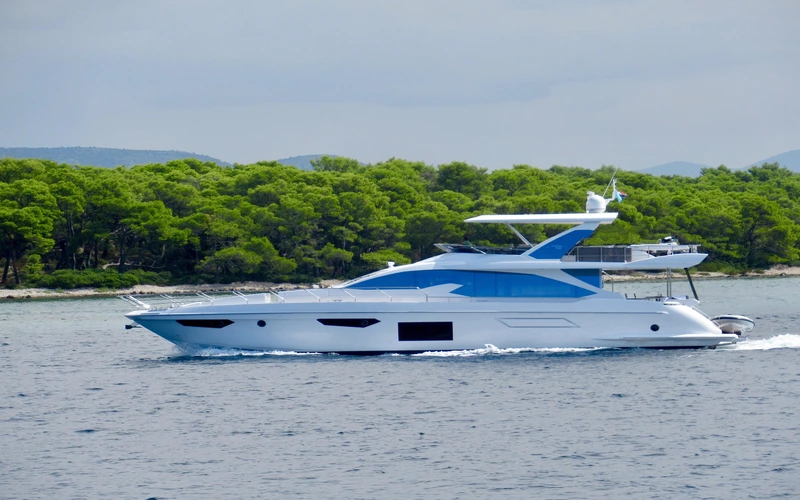
Different usage scenarios determine your yacht-purchasing strategy
The selection of a superyacht is fundamentally ‘usage-scenario driven’; different ways of using the vessel will directly influence your decisions regarding hull type, size, propulsion system and even interior layout.
If the primary use is for family leisure and holiday cruising, the focus should be on the living experience, such as the number of cabins, living areas, outdoor deck space and stabilisation systems. Such users typically moor frequently in popular destinations such as the Mediterranean, the Caribbean or Southeast Asia, prioritising ‘comfort and socialising’.
If the yacht is intended for business hospitality and corporate events, it requires greater ‘spatial presentation capabilities’. For example, a spacious main deck, formal reception areas, meeting spaces, and high-end audio and entertainment systems. In this context, the yacht functions more like a ‘mobile luxury club’.
For ocean exploration or long-distance cruising, priority must be given to fuel range, hull structural strength and adaptability to sea conditions. Such yachts are typically equipped with reinforced hulls and greater self-sufficiency in power generation to support extended periods away from port.
For investment-oriented buyers, usage scenarios are more commercial in nature, requiring a focus on market charter demand, brand recognition and the ability to control maintenance costs to ensure future operational returns.
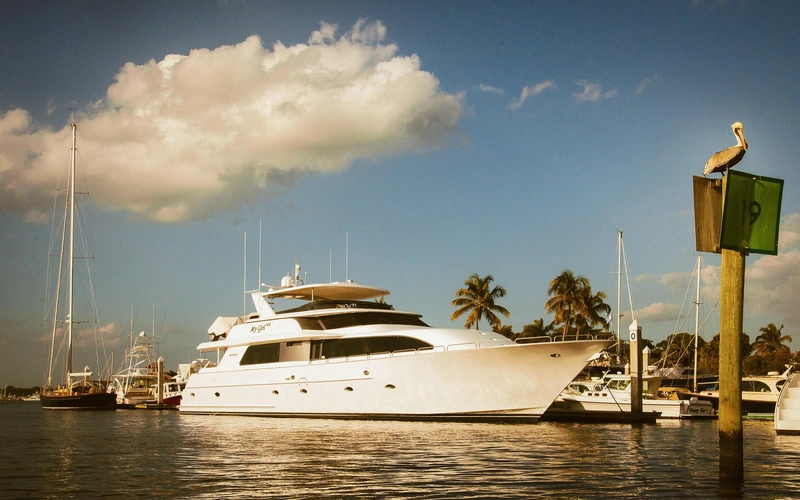
How to choose the right type of superyacht?
Superyachts can be broadly categorised into the following types, each with a distinct positioning:
• Flybridge Superyacht: Suitable for family and social use, with distinct spatial zoning
• Sport Superyacht: Emphasises speed and manoeuvrability
• Explorer Superyacht: Suitable for ocean-going voyages and long-distance cruising
• Custom Superyacht: Built entirely to the owner’s specifications
When making a selection, three core factors should be prioritised: cruising range requirements, the proportion of time spent living on board, and passenger capacity. If the yacht is to be used primarily for short-distance leisure, a Sport or Flybridge model is more suitable; if extended periods at sea are planned, an Explorer model is preferable.
Size Selection Guide
The size of a superyacht not only affects comfort but also directly determines operating costs, crew size and the class of ports it can access. Choosing the wrong size is one of the most common sources of buyer’s remorse.
| Size Range | Intended Use | Key Features | Main Limitations |
| 80–100 feet | Entry-level superyachts | Agile handling, suitable for short-haul cruising | Limited living space |
| 100–130 feet | Mainstream range | Balance of comfort and performance | Operating costs begin to rise significantly |
| 130–160 feet | High-end private yachts | Spacious, with options for cinema/spa | High crew and maintenance complexity |
| 160 feet and above | Ultra-custom class | Ultimate luxury and ocean-going capability | Numerous port restrictions, extremely high costs |
Generally speaking, first-time entrants to the superyacht market tend to opt for the 100–130-foot range, as this size offers a relatively balanced compromise between ‘user experience’ and ‘long-term costs’.
Budget Recommendations
Budget planning for superyachts must not focus solely on the ‘purchase price’; instead, a comprehensive ‘lifecycle cost model’ must be established.
Firstly, there is the purchase cost, which varies significantly depending on the brand, size and year of construction, ranging from several million to tens of millions of dollars. Secondly, there are annual fixed costs, typically comprising crew salaries, mooring fees, insurance and routine maintenance, which usually amount to approximately 5%–10% of the purchase price.
In addition, there are variable operating costs, such as fuel consumption, ad hoc repairs and provisioning costs. In offshore scenarios, these expenses may increase significantly.
In addition, there are variable operating costs, such as fuel consumption, cross-regional navigation fees, ad hoc repairs and provisioning costs. In offshore scenarios, these expenses may increase significantly.
In the actual market, some buyers opt for new vessels to enjoy a fully bespoke experience and the latest technological specifications, and therefore focus more on new superyachts for sale; whilst others prefer established models, using the secondary market to reduce the initial financial burden.
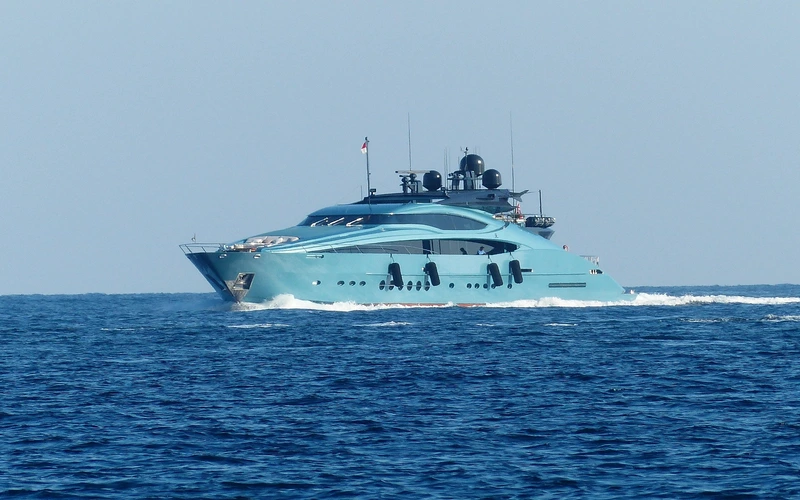
Top Superyacht Recommendations
In the superyacht market, different brands represent entirely distinct design philosophies and user experiences. The following three yachts exemplify speed and performance, classic luxury, and futuristic customisation respectively.
Leopard 112
The Leopard 112 is renowned for its strong sporting character, with its design focusing on high-speed cruising capabilities and an open deck layout. Its aggressive hull lines make it ideal for those who favour a ‘speed and socialising’ lifestyle. The layout emphasises outdoor living spaces, making it perfectly suited to Mediterranean summer cruising; within its class, it stands out as a performance-oriented model.

Leopard 112
- Build Year2007
- Length112 ft
- Cabins6
- Top speed42 kn
- TypeSuper yacht
The Leopard 112 is a 34-metre sports superyacht built by Italian high-performance yacht manufacturer Arno Leopard (part of The Italian Sea Group). Centred on the concept of ‘speed and design’, this model features a streamlined exterior and lightweight construction, achieving a top speed of nearly 40 knots, making it a rare high-speed contender in its class. Compared to traditional displacement yachts, the Leopard 112 places greater emphasis on an exhilarating driving experience and a modern, luxurious lifestyle, combining visual impact with performance.
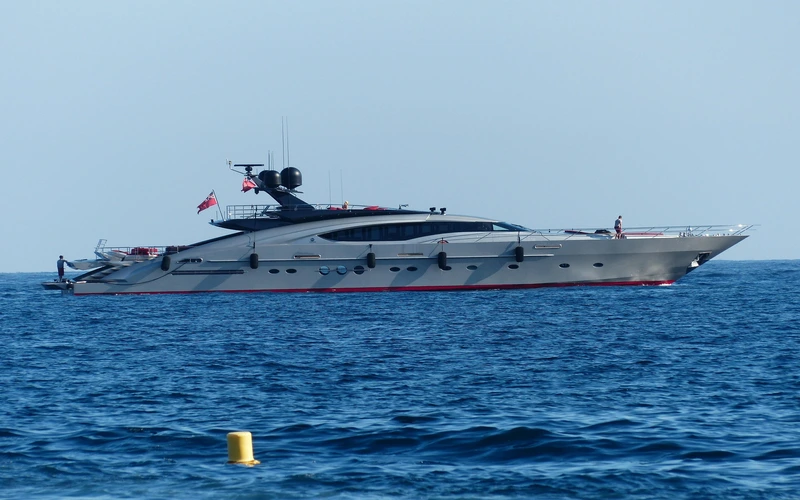
Pershing 92
The 2015 Pershing 92 is a quintessential Italian high-performance luxury yacht, striking an excellent balance between its propulsion system and interior design. It not only boasts high cruising speeds but also features a refined interior layout, making it suitable for both private family use and high-end corporate hospitality. For those seeking ‘speed without sacrificing comfort’, it is a classic choice.
2015 Pershing 92
- Build Year2015
- Length92 ft
- Cabins4
- Top speed40 kn
- TypeSuper yacht
The 2015 Pershing 92 combines speed, comfort, and meticulous maintenance, making it a standout option in the pre-owned sport yacht market. Its powerful MTU engines and premium condition offer exceptional value.
Nassima Yacht N40
The 2026 Nassima Yacht N40 represents the direction of the next generation of superyachts, placing greater emphasis on smart systems, energy-efficient propulsion and customised spatial design. Compared to traditional models, it offers superior technological features and a futuristic design, making it ideal for owners prioritising long-term asset value, potential for technological upgrades and environmental sustainability, particularly for those seeking long-term ownership and global cruising.

2026 Nassima Yacht N40
- Length39 ft
- Cabins1
- Top speed45 kn
- TypeSuper yacht
The Nassima Yachts N40 combines Italian craftsmanship with luxury and performance, making it a standout choice for those seeking the ultimate on-water experience.
Within the current market landscape, some buyers prefer to enter the spot market directly, seeking ‘Used Superyachts for Sale’ to secure better value for money and faster delivery times.
A Step-by-Step Guide to the Purchase Process
The process of purchasing a superyacht is far more complex than that of acquiring ordinary luxury assets, typically requiring the coordinated efforts of a professional brokerage team, legal advisers and a technical survey team.
The first step involves defining requirements and finalising the budget, a stage that requires clarification of usage scenarios, cruising regions and the lifestyle to be enjoyed on board. The second step involves market screening and comparing candidate vessels, including a comprehensive assessment of both new and pre-owned yachts. The third step comprises a physical inspection of the vessel and a sea trial, which is a crucial stage for assessing actual performance.
This is followed by the technical survey phase, which involves a comprehensive inspection of the hull structure, engine systems, electrical systems and safety equipment. Next comes price negotiation and contract signing, usually facilitated by a professional yacht broker. Once payment is complete, the delivery and registration phase begins, followed by crew recruitment and operational preparations to ensure the yacht is ready for service.
The entire process generally takes 3–9 months, though for custom-built yachts it may take over a year.
Summary
The decision to purchase a superyacht is fundamentally not about ‘whether one can afford it’, but rather ‘whether one needs it and how it will be used’. Different usage scenarios, budget structures and lifestyles will directly determine the final choice of yacht type and size.
For those for whom it is truly suitable, a superyacht is not merely a means of transport, but a mobile private space, a social platform and an asset allocation tool. Therefore, the most important consideration during the decision-making process is not to pursue the largest or most expensive option, but to find the solution that best matches one’s own needs.
FAQ
Q1: What is the minimum entry threshold for a superyacht?
A: Generally speaking, yachts of 80 feet or more fall within the superyacht category, but the full experience typically begins at 100 feet or more.
Q2: Are the annual maintenance costs for a superyacht high?
A: Yes, they are relatively high, typically amounting to 5%–10% of the purchase price, depending on frequency of use and crew configuration.
Q3: How should one choose between a new and a pre-owned superyacht?
A: New yachts are suitable for long-term ownership and bespoke requirements, whilst pre-owned yachts are better suited for budget control and immediate use.
Q4: Can superyachts sail globally?
A: Yes, but suitable routes must be selected based on the vessel’s design and range, and a professional crew must be on board.