Quick Answer: Bertram Deep Vee Hull Explained
The Bertram Deep V hull features a large deadrise angle and exceptional wave-cutting capability, delivering stable high-speed performance and precise handling. It seamlessly combines coastal leisure with offshore cruising, significantly enhancing comfort and safety.
What Is a Deep Vee Hull?
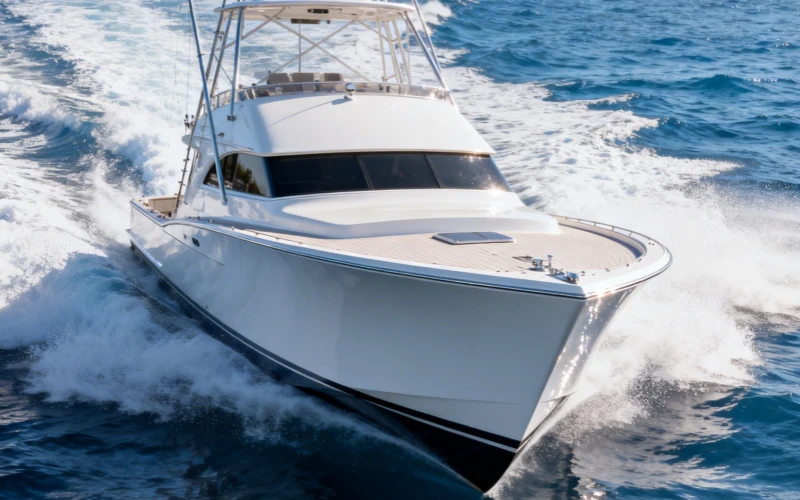
A deep vee hull is a boat design where the hull bottom forms a pronounced V shape, unlike flat-bottom or shallow V hulls. This design improves the yacht's ability to cut through waves, providing a smoother ride at high speeds.
Compared to traditional flat-bottom hulls, a deep vee hull offers:
- Enhanced wave-cutting capability
- Superior high-speed performance
- Excellent handling and maneuverability
- Increased safety
The deep vee hull is one of the core design features of Bertram yachts, which is why it is highly favored by offshore and sport yacht buyers.
Advantages of Bertram Yachts with Deep Vee Hulls
Stability and Wave Handling
The deep vee hull increases the hull's cutting angle, keeping the yacht stable in heavy seas and reducing pitching and vibrations. For offshore and long-distance cruising owners, this stability significantly enhances safety and comfort.
High-Speed Performance
Deep vee hulls cut through water more efficiently, reducing drag. This allows Bertram yachts to maintain smooth performance at high speeds, improve engine efficiency, and optimize fuel consumption compared to traditional hulls.
Comfort
By minimizing impacts and vibrations, deep vee hulls provide a more comfortable onboard experience for passengers on deck and in cabins. Whether for family leisure or friends' gatherings, the ride remains smooth even in choppy conditions.
Safety
The deep vee hull offers superior handling, making it easier for the captain to navigate challenging sea conditions. This is crucial for offshore adventures or complex routes, forming a core aspect of Bertram's safety performance.
Bertram Yacht Types Suited for Deep Vee Hulls
Many classic Bertram models feature deep vee hulls, suitable for different purposes:
| Yacht Type | Length | Ideal Use | Key Features |
|---|---|---|---|
| Small Yachts | 30–40 ft | Nearshore cruising, weekend leisure | Compact cabins, easy handling, low maintenance |
| Medium Yachts | 50–60 ft | Offshore cruising, multi-person trips | Spacious decks, luxury interiors, offshore-ready |
| Large Yachts | 60+ ft | High-end offshore adventures, luxury entertainment | Top-tier engines, custom interiors, fully customizable |
The deep V hull design not only enhances maneuverability and stability but also improves ocean-going capability and overall comfort. Take the Bertram 50S yacht, for example. At 51.6 feet in length, it combines high-speed performance, spacious decks, and luxurious interiors, making it an ideal choice for family ocean cruising and group outings.
The Significance of Deep V Hulls for Buyers
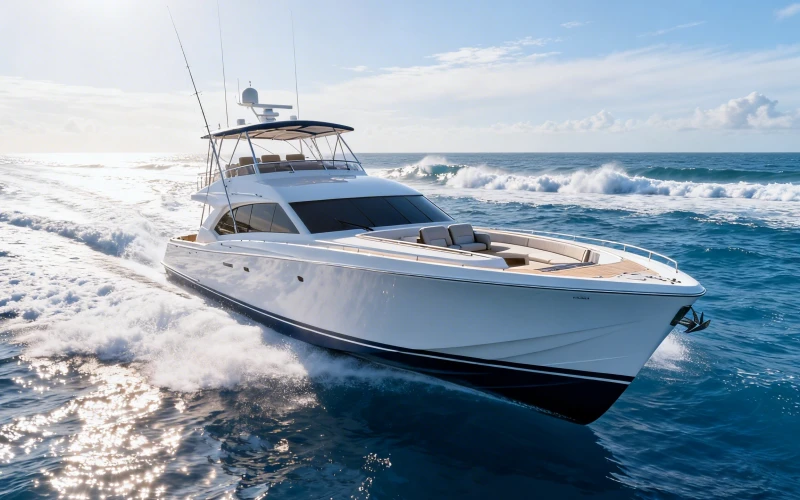
Choosing a Bertram yacht with a deep V hull means buyers acquire not just a vessel, but a reliable seafaring experience and investment value.
- Sailing Experience: Enhanced comfort with reduced pitching.
- Ocean-going Capability: Superior handling and wave resistance for extended voyages.
- Investment Value: Bertram deep vee hull design maintains strong resale value in the pre-owned market.
- Purchase Decision: Select models based on budget and intended use while considering maintenance, operation, and crew costs.
Common Misconceptions
Misconception 1: Deep V hulls consume more fuel
In reality, deep V hulls excel at cutting through water at high speeds, often achieving better fuel efficiency than flat-bottomed hulls—particularly during offshore cruising.
Misconception 2: Unsuitable for coastal or narrow waters
While deep-V hulls are better suited for rougher seas, Bertram's smaller and mid-sized models remain highly maneuverable and responsive in coastal or inland waterways.
Misconception 3: Deep-V hulls are unsuitable for families
Smaller models (such as the 35 Flybridge) are designed with both comfort and stability in mind, making them perfectly suitable for family leisure and fishing activities.
The deep vee hull is a core feature of Bertram yachts, directly impacting stability, handling, comfort, and safety. Whether for first-time buyers, offshore adventures, or luxury entertainment, understanding Bertram deep vee hull explained helps you make an informed decision.
About the Author
Luna Rossi is an experienced yacht broker, SAMS-certified (ID: SAMS-66562), with over 15 years in yacht sales, appraisal, and navigation. Her expertise has been featured in publications such as Superyacht Magazine, providing practical guidance to help yacht enthusiasts make informed decisions.
Disclaimer
This article on Bertram deep vee hull explained is for reference only. Actual yacht specifications, performance, and pricing may vary depending on age, market, and customization options. Always consult professional yacht brokers or appraisers before purchasing.
FAQ
Q1: What are the main advantages of Bertram deep vee hulls?
A: They enhance stability, handling, and comfort, making them suitable for both nearshore and offshore cruising.
Q2: Are Bertram deep vee hulls suitable for offshore sailing?
A: Absolutely. Bertram deep vee hulls maintain stability in waves, improving safety during long-distance cruises.
Q3: How do deep vee hulls affect handling and fuel efficiency?
A: Deep vee hulls improve handling precision and reduce drag at high speeds, optimizing fuel efficiency.